


Phulkari is a traditional art form of Punjab that has been passed down from generation to generation as a living cultural heritage. The word Phulkari is derived from two Punjabi words — phul (flower) and kari (craftsmanship), meaning embroidery done with floral patterns. It is not merely a form of textile decoration, but a powerful expression of Punjabi women’s emotions, dreams, and inner world.
From Handcrafted Art to the Machine Age

Speaking to Sada Punjab, Amandeep Kaur shared that earlier, Phulkaris and baags were lovingly handcrafted at home by grandmothers and mothers. Although this art has now entered the machine-driven era, the soul and significance of hand-embroidered Phulkari remain unmatched.
A Sacred Symbol in Weddings and Rituals

She explained that Phulkari holds a sacred place in Punjabi society and is considered one of the most auspicious symbols. During weddings, a mother gifts a Phulkari to her daughter, which is draped over the bride’s head like a ceremonial shawl. This Phulkari is not just a piece of cloth, but a symbol of a mother’s love, blessings, and unspoken hopes for her daughter’s future.
A Journey That Began in a Village of Firozpur
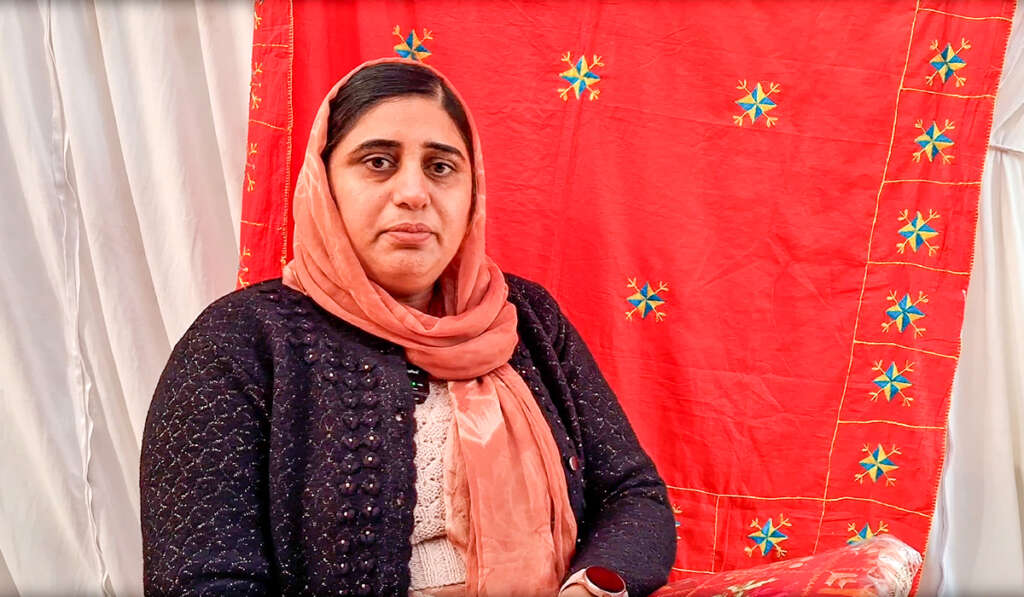
Amandeep Kaur Sekhon, a resident of village Karmiti in Firozpur district, has made this traditional art her identity. With strong family support, she works alongside her sister, Tarjinder Kaur, to give Phulkari a renewed form and direction, ensuring that this handcrafted Punjabi art survives for future generations.
A Message Rooted in the Mother Tongue

Amandeep Kaur firmly believes in the message:
“Speak Punjabi, write Punjabi, read Punjabi, become Punjabi.”
For her, this is not just a slogan, but a responsibility and a way of life. Through Phulkari, she is not only creating livelihood opportunities but also serving the Punjabi language and cultural heritage.
Blending Tradition with Modernity
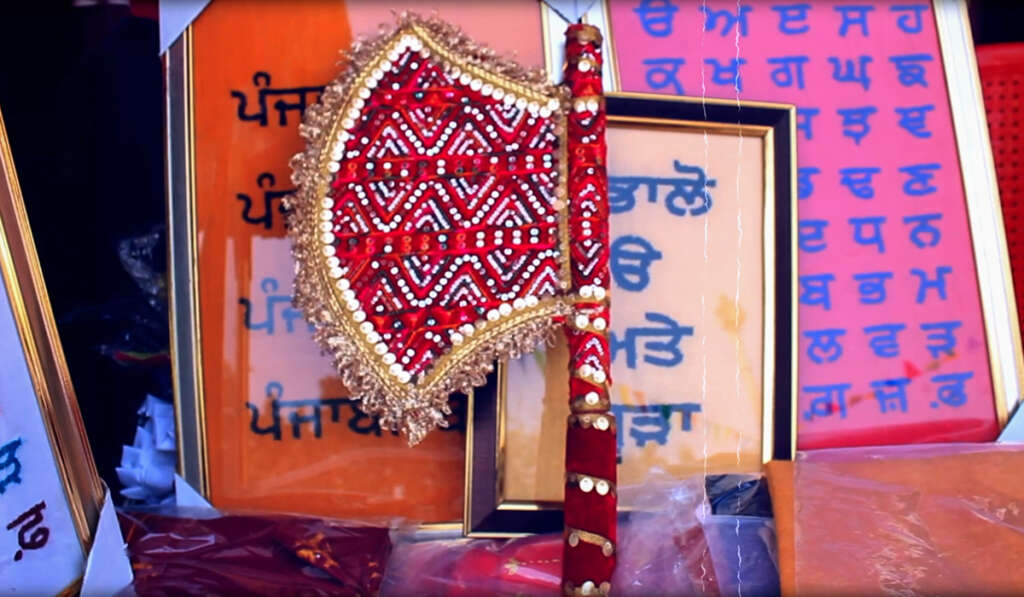
She noted that traditional baags were once quite heavy, making them difficult for today’s young women to wear for long durations. Keeping this in mind, Phulkaris are now being crafted on lighter fabrics such as cambric cotton, allowing traditional art to adapt to modern lifestyles while retaining its essence.
A Mother’s Phulkari, A Daughter’s Memory
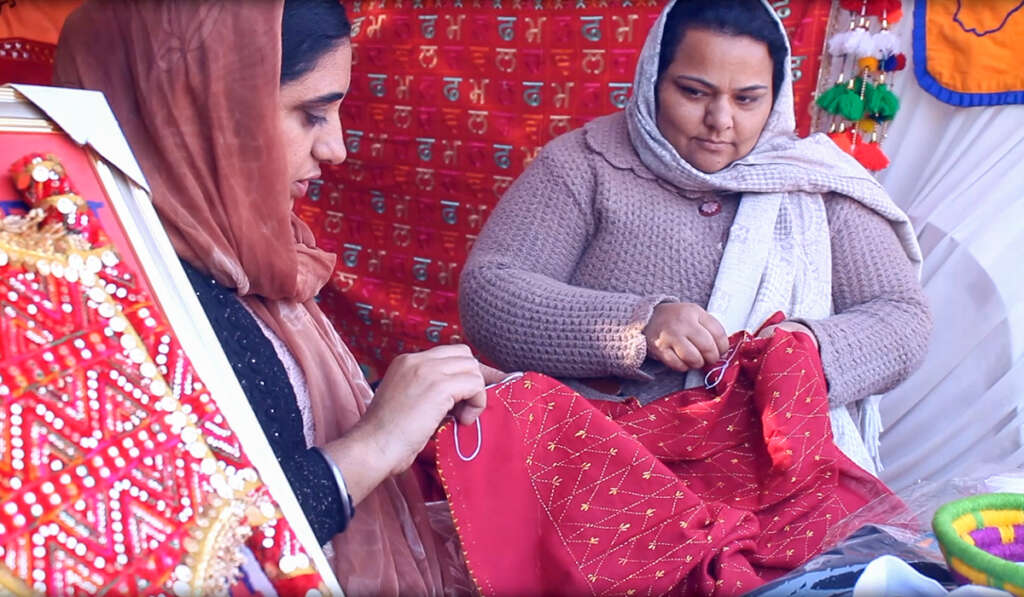
Amandeep Kaur says that when a daughter, years later, opens her trunk and takes out the Phulkari gifted by her mother, she does not see just fabric. She feels her mother’s hard work, emotions, and selfless love. According to her, this is the true strength of Phulkari — it preserves memories and emotionally connects generations.
Old Shawls, New Trends
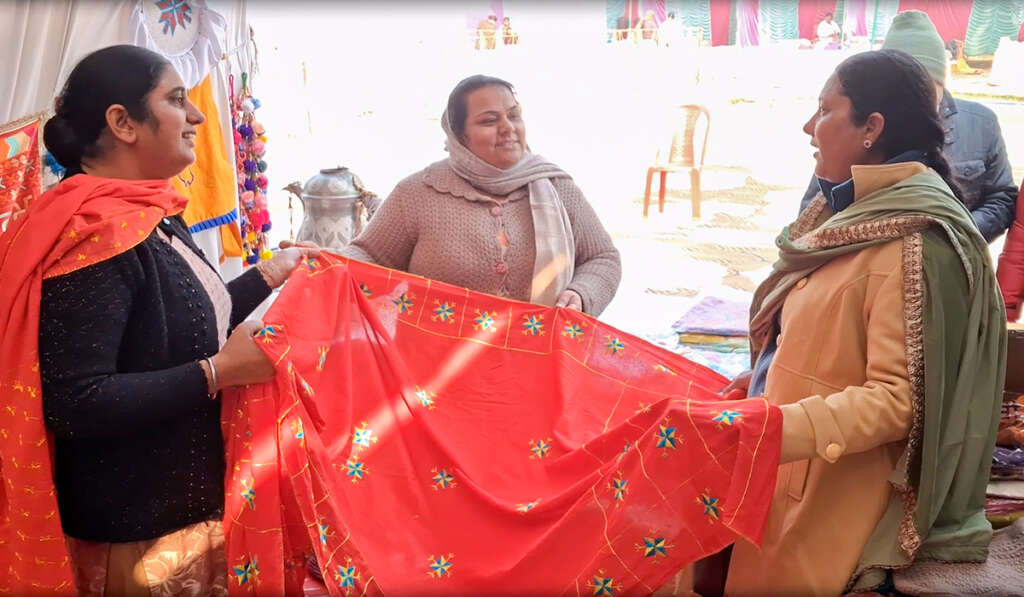
She has also started creating traditional peacock-patterned shawls. After sharing videos on social media, orders have started coming in not only from Punjab but also from abroad.
Fairs, Exhibitions, and Growing Public Interest
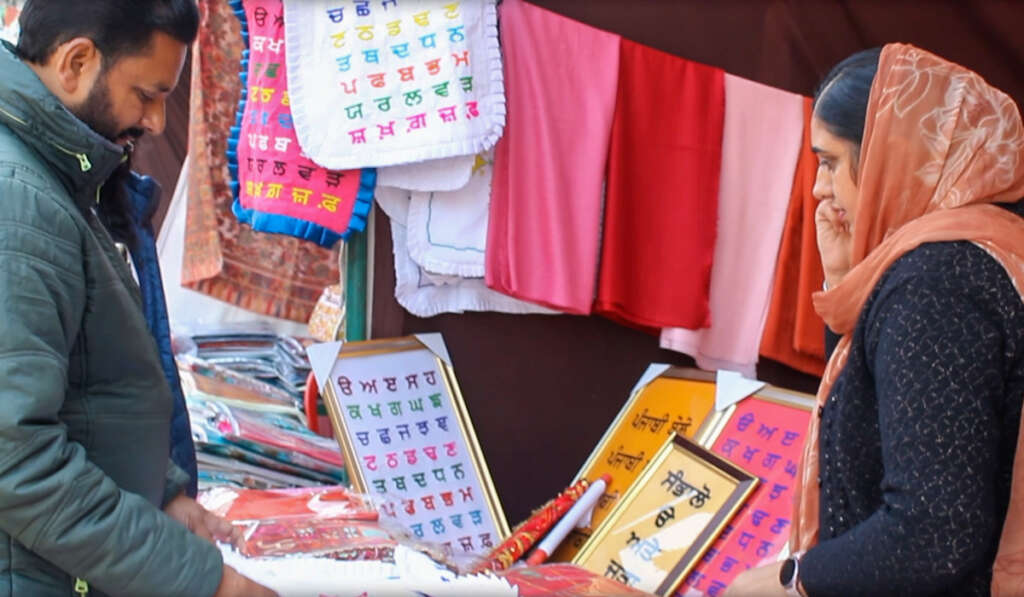
Amandeep Kaur showcases her work at heritage fairs and exhibitions, which is steadily increasing public interest in handcrafted art and Punjabi culture.
A Call to Preserve Our Heritage

In conclusion, Amandeep Kaur urges people to preserve the Phulkaris, cloth bags, and other handcrafted items passed down by their grandmothers and mothers. These are not just objects — they are our identity and a cultural trust that must be safeguarded for future generations.


Leave a Comment