



Read the key features of the Sri Guru Granth Sahib Satkar (Amendment) Act 2026 and the punishments it provides
For the land of Punjab, Sri Guru Granth Sahib Ji is not merely a religious scripture, but the “Jagat Jyot” and the living Guru. Over the past decade, the unfortunate incidents of sacrilege in Punjab have not only deeply wounded Sikh sentiments, but have also repeatedly challenged peace and harmony in the state. To address these sensitive issues and ensure strict punishment for the guilty, the Punjab government’s “Jagat Jyot Sri Guru Granth Sahib Satkar (Amendment) Act 2026” has now come into force across the state. The notification issued after the Governor’s approval marks a new chapter in Punjab’s legal and religious history.
From the Assembly to Becoming Law

The government moved with great speed and determination to bring this law into existence. On 13 April 2026, on the sacred occasion of Vaisakhi, a special session of the Punjab Legislative Assembly was convened. On that day, the government introduced the amendment bill, which was passed unanimously by all parties present in the House without any opposition. On 17 April 2026, Governor Gulab Chand Kataria, considering the seriousness of the matter, signed the bill and granted his approval.
Immediately after the Governor’s assent, the Punjab government published it in the gazette and officially enforced it. Chief Minister Bhagwant Mann described it as “Waheguru’s blessing” and a victory for the people of Punjab.
Strict Directions for the SGPC

The new law emphasizes making the entire process, from the printing of the sacred saroops to their delivery to the sangat, fully transparent. This primary responsibility has been assigned to the Shiromani Gurdwara Parbandhak Committee (SGPC). The SGPC has been directed to prepare a central register that will function like an Aadhaar card for the saroops of Sri Guru Granth Sahib.
This register must include:
* a unique identification number for each saroop,
* the date of printing,
* the place of publication,
* storage details,
* where and on what date the saroop was supplied,
* and the full name and address of the institution or individual receiving it.
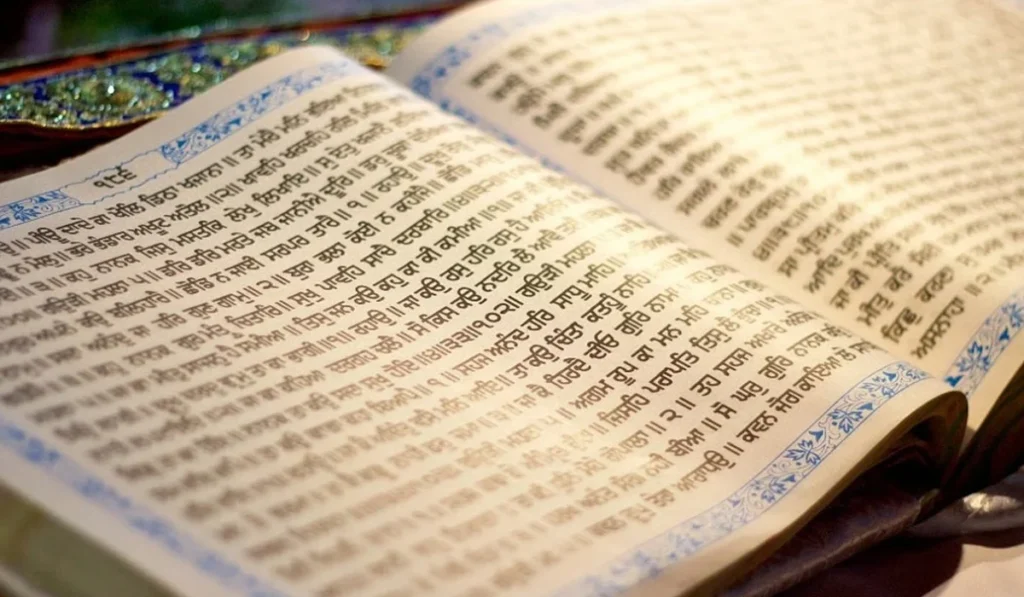
This register will not remain limited to paper records. It must also be made available electronically on the SGPC’s website so that anyone can view it. The register must be prepared within 45 days of the law coming into force and updated every month.
Responsibilities of the Custodian Also Defined
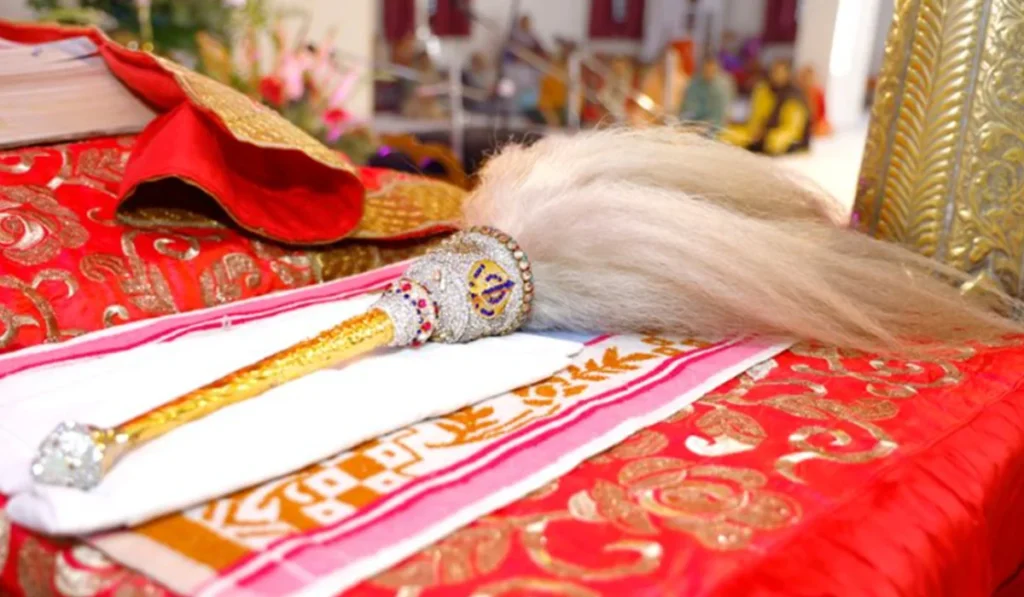
Any individual or gurdwara committee that receives a sacred saroop will be considered its custodian. The saroop must be maintained strictly in accordance with maryada. The custodian will bear direct responsibility for ensuring that the saroop is protected from any kind of damage or theft. If sacrilege is suspected or if a saroop goes missing, the custodian must immediately inform the police and the competent authority.
Punishments for Sacrilege and Who Will Investigate

The strongest feature of this law is its strict punishments. These cases will be non-bailable and non-compoundable. Considering their seriousness, investigation will only be conducted by an officer of the rank of DSP or ACP. Trials will be held directly in the Sessions Court so that justice can be delivered more quickly.
According to one media report, the proposed punishments under this law range from five years to life imprisonment. If found guilty of sacrilege of a sacred saroop, the offender may face:
* a minimum sentence of 7 years,
* and a maximum of 20 years imprisonment,
* with a minimum fine of ₹2 lakh, extendable up to ₹10 lakh.
If a person is found guilty of conspiring to commit sacrilege with the intention of disturbing communal harmony or creating unrest, the punishment may be:
* a minimum of 10 years,
* extending up to life imprisonment,
* along with a fine ranging from ₹5 lakh to ₹25 lakh.
Anyone who provokes, assists, or facilitates sacrilege will face the same punishment as the principal offender. For violations of the Act other than sacrilege itself, punishment may extend to:
* 5 years’ imprisonment,
* and a fine up to ₹10 lakh.
If a person attempts to commit an offence under this Act, they may face:
* a minimum of 3 years,
* and a maximum of 5 years imprisonment,
* along with a fine between ₹1 lakh and ₹3 lakh.
Political Clash Begins as Soon as the Law Comes Into Force

As soon as the anti-sacrilege law came into effect in Punjab, a sharp political debate also began. Punjab Finance Minister Harpal Cheema said that previous governments, including the Congress and the Akali Dal, had only brought in “lame bills” so that the matter would remain stuck in disputes with the Centre. He claimed that the AAP government’s intention was clear, and that is why the law has now actually come into force on the ground.
Leader of the Opposition and senior Congress leader Partap Singh Bajwa also shared his reaction. While welcoming the law against sacrilege, he questioned the government’s intent and asked when justice would be delivered in old cases such as Bargari and Behbal Kalan. He also reminded the government of Arvind Kejriwal’s promise of justice within 48 hours.
On the other hand, Punjab BJP leader Sunil Jakhar called the move a positive step, but also demanded that instead of protecting only one religion, a common law should be brought to prevent desecration of the sacred texts of all religions.
SGPC President Advocate Harjinder Singh Dhami, while welcoming the law, said that making a law is one thing, but implementing it honestly is another. He stressed that the biggest need is to expose the “mastermind” forces working behind acts of sacrilege.
Will This Strict Law Actually Stop Sacrilege in Punjab?

The Jagat Jyot Sri Guru Granth Sahib Satkar Amendment Act 2026 is undoubtedly a strict measure. It is strong enough to create fear in the minds of those who might dare commit sacrilege. However, its success will depend on several things: whether the police administration conducts investigations without political pressure, whether the SGPC can prepare digital records within 45 days, and whether this law becomes merely a headline or actually ensures that the guilty are put behind bars.
For the Sikh sangat of Punjab, this law is not just legislation, but a hope that in the future no one will dare to play with religious sentiments.



Leave a Comment