

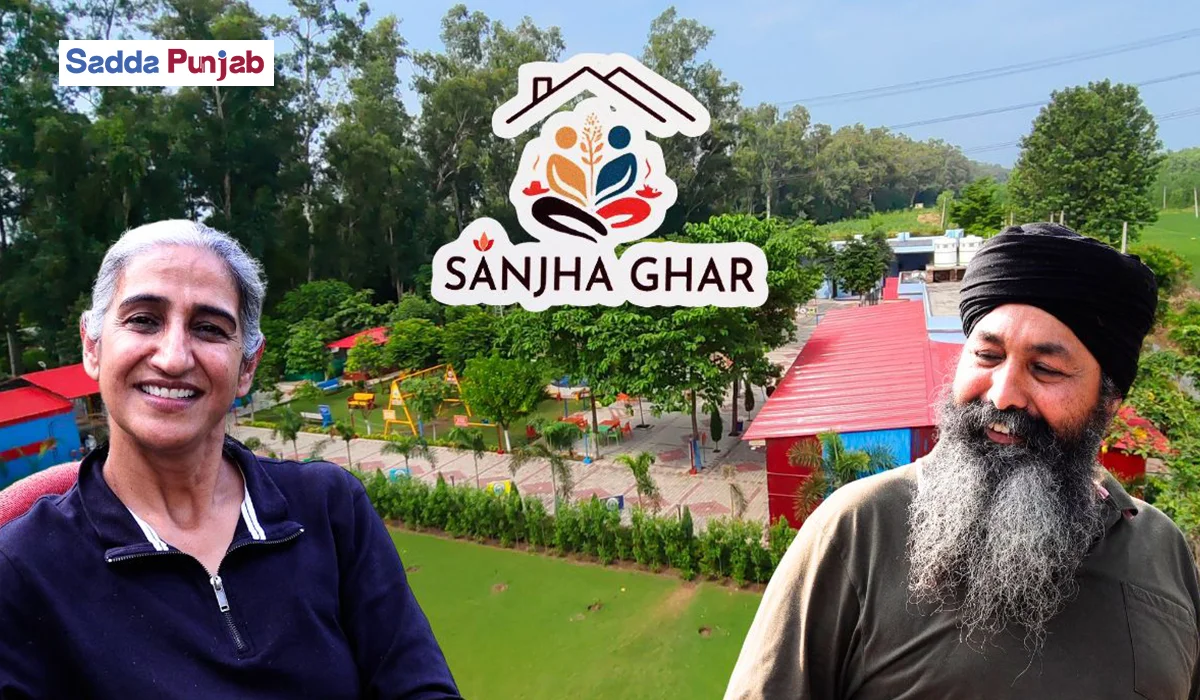

In Punjab, moving abroad is still a dream for many families. Better income, security, education and comfort pull people towards Canada, America and other countries. But some return after years abroad—not out of failure, but to give life a new meaning.
One such Punjabi couple, Charanjit Singh and Harminder Kaur, returned from Canada and built “Saanjhe Ghar”—not just a place, but an idea of togetherness, community and emotional belonging.
Why does emptiness remain even after success abroad?
Life abroad offers opportunities, but it also brings routine, isolation and a constant race. After years of hard work, many people begin asking: What next? Is life only about work, bills and routine?
This question became the seed for “Saanjhe Ghar”.
A thought that grew slowly
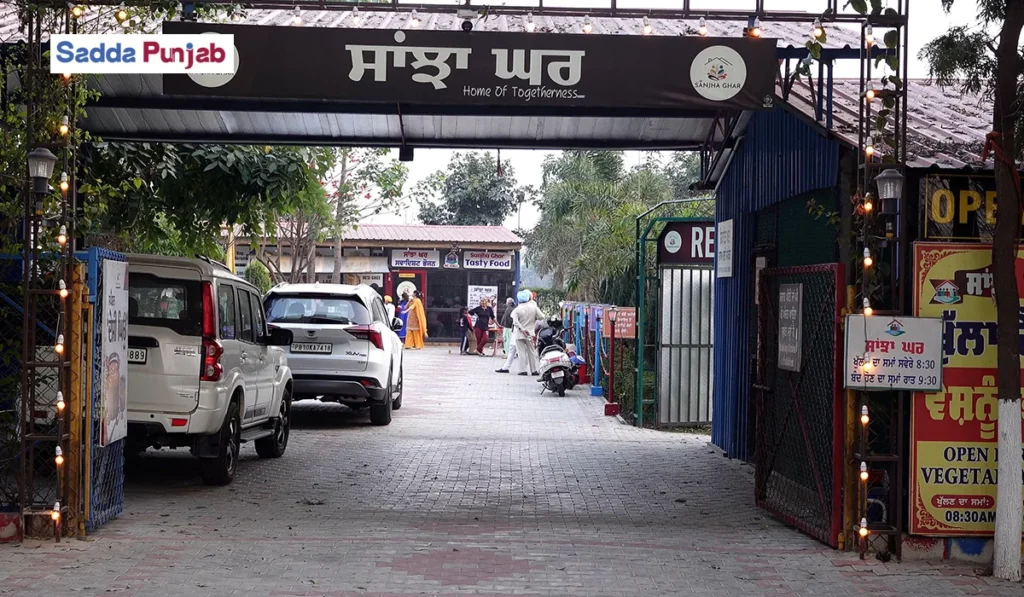
For Charanjit Singh and Harminder Kaur, this was not an overnight plan. Harminder Kaur, having worked in healthcare, had closely seen loneliness among elderly people. The couple began thinking about ageing, belonging and the need for shared spaces.
After returning to Punjab, they did not simply want to live here. They wanted to create something useful—something where people could gather, sit, talk and feel at home.
Not a restaurant, but an idea
At first glance, “Saanjhe Ghar” may look like a rural café, farm stay or restaurant. But its soul is different.
It is a place where people do not come only to eat. They come to sit, talk, slow down and reconnect.
In a world where people appear connected but feel deeply lonely, such spaces matter.
The meaning of “Saanjh”
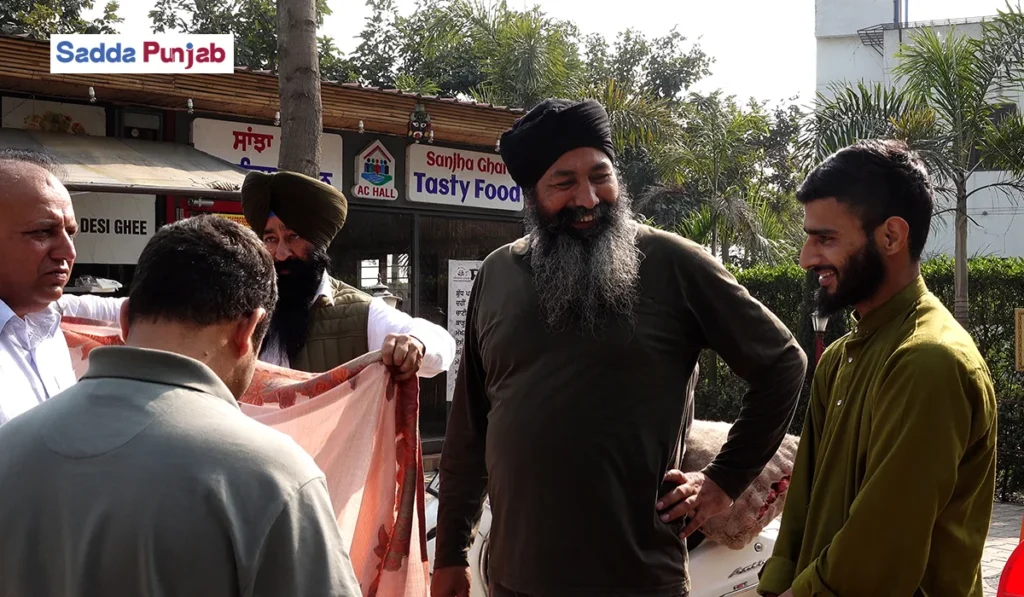
In Punjabi culture, saanjh means more than togetherness. It means shared joys, shared sorrows, shared meals and shared time.
Earlier, Punjabi homes had open courtyards where families, children and elders gathered in the evening. “Saanjhe Ghar” feels like a modern return of that old courtyard.
Nature at the centre
Trees, open air, swings, rural surroundings and calm spaces make nature an essential part of the experience. In today’s screen-heavy, stressful world, sitting close to nature is not just leisure—it is a mental need.
A space for every generation
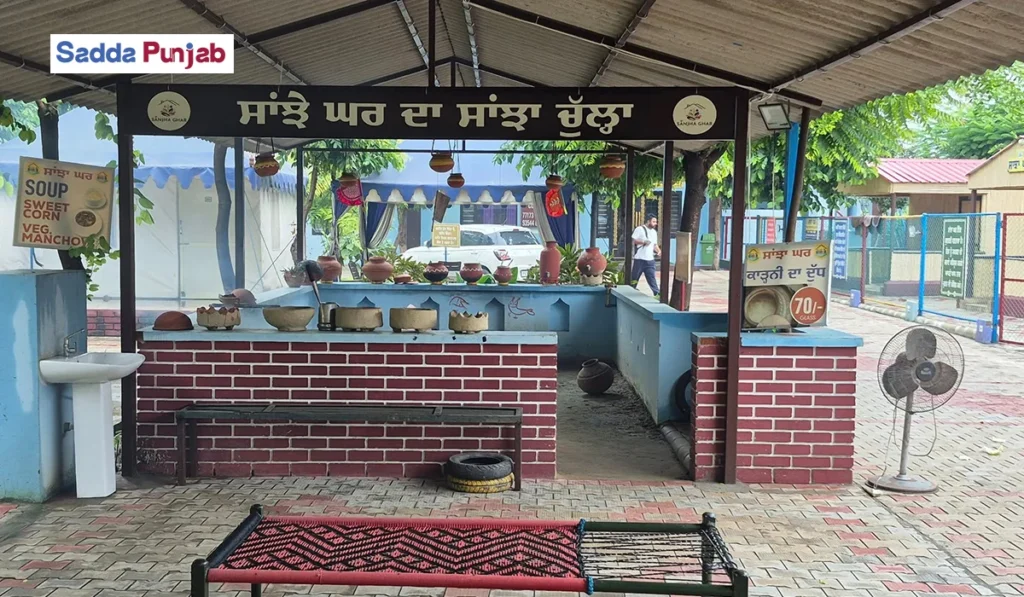
Children can play, young people can meet friends, families can eat together and elders can sit peacefully. This intergenerational quality makes “Saanjhe Ghar” feel like a family space rather than a commercial one.
Food as memory
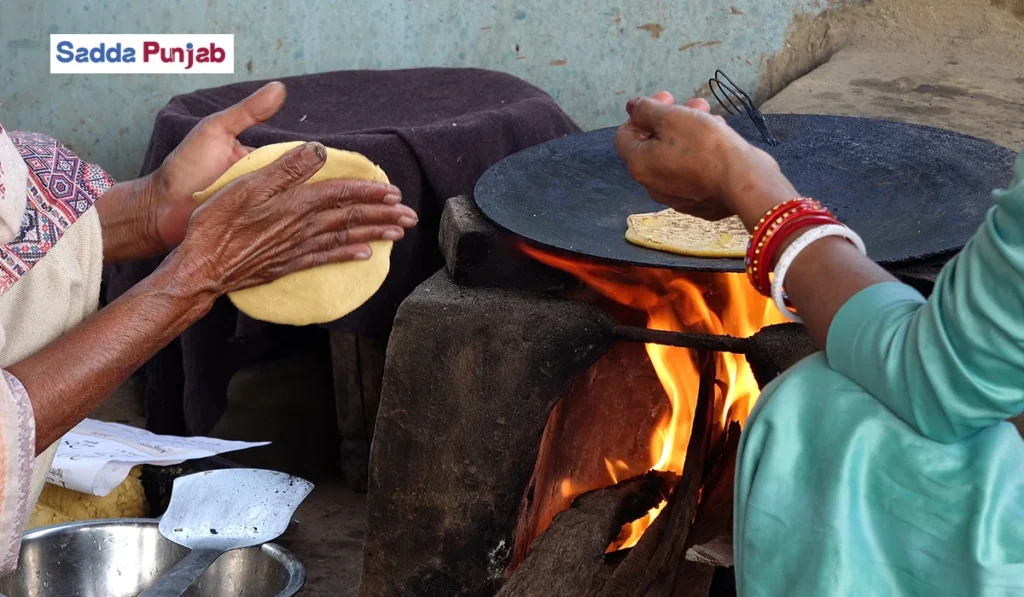
Traditional Punjabi food—makki di roti, sarson da saag, lassi, desi milk, ghee and homemade flavours—becomes more than food here. It becomes memory.
For Punjabis living abroad, such tastes often bring back childhood, family kitchens and the warmth of home.
A bridge for the diaspora
For many Punjabis abroad, Punjab is both memory and question. They want to return, but wonder if they can fit in again.
“Saanjhe Ghar” becomes an emotional bridge. It reminds them that Punjab is not only nostalgia; it can also be a place for new beginnings.
A social model?
Punjab today faces loneliness, stress and weakening community bonds. If a place helps people sit together, talk and share time, it becomes more than a business. It becomes a social contribution.
That is why “Saanjhe Ghar” can be seen not just as a place, but as a model of community living.
Canada or Punjab? It is about balance
This story is not about choosing Punjab over Canada or Canada over Punjab.
Canada gave opportunity. Punjab gave roots.
One offered economic security. The other offered emotional belonging.
The message of “Saanjhe Ghar” is simple: life needs income, but it also needs connection. It needs success, but also peace.
Conclusion
“Saanjhe Ghar” is not just a place. It is a question: do we still know how to sit together?
It reminds us that with the right intention, a space can become more than a business. It can become a community.
Leave a Comment