


Agriculture is the backbone of the economy of Punjab, which is known as the “granary”. The Green Revolution in the 1960s made Punjab the leading state in the country in the production of wheat and sugarcane. Today Punjab contributes largely to the total food grain production of the country. But changing climate, decreasing water level and decreasing soil fertility have made agriculture full of challenges.
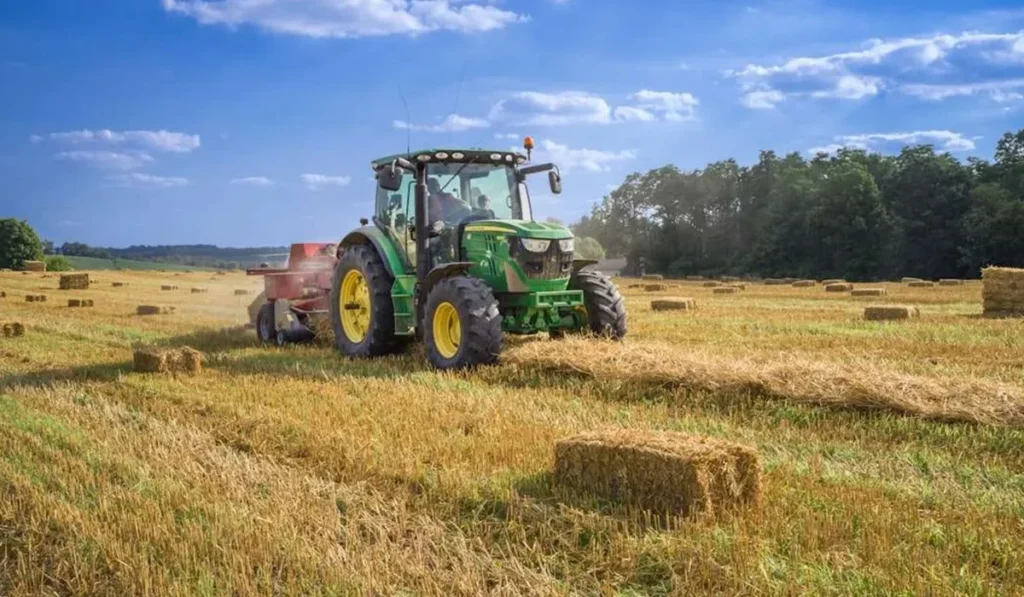
The water level in Punjab is decreasing by an average of 1 meter every year, and environmental pollution due to stubble burning is increasing. To solve these problems, modern agricultural technology (Agri-Tech) has emerged as a big boon for the farmers. In 2025-2026, the Punjab government has budgeted Rs 310 crore for the adoption of AI (Artificial Intelligence) and other technologies, thereby making agriculture more sustainable and profitable.
Major farming techniques and their benefits

In Punjab, farming techniques have changed the traditional methods and given a new look. These techniques not only increase production but also save the environment. Through this article we will try to tell you about technology in agriculture and how farming can be taken forward. According to a media report, precision farming monitors each part of the farm separately using satellite images, GPS and sensors. The farmer gets to know where fertilizer or water is required. In Punjab, this has reduced the use of fertilizer by 20-30% and increased production by 15-20%. According to a study, clean farming in Punjab has reduced nitrate leaching by 22%, thereby reducing water pollution.

The next thing that comes is how to use drones in agriculture. These days, drones are being used in Punjab for spraying pesticides and fertilizers. In 2025, the government has trained women as drone pilots under the ‘Drone Didi’ program, which has increased the role of women in agriculture. Drones cover larger areas with less water and farmers avoid toxic chemicals. Drones connected with AI can detect crop diseases in advance. According to a study, drones save 80% time and reduce crop losses.
Machinery for smart irrigation and stubble management
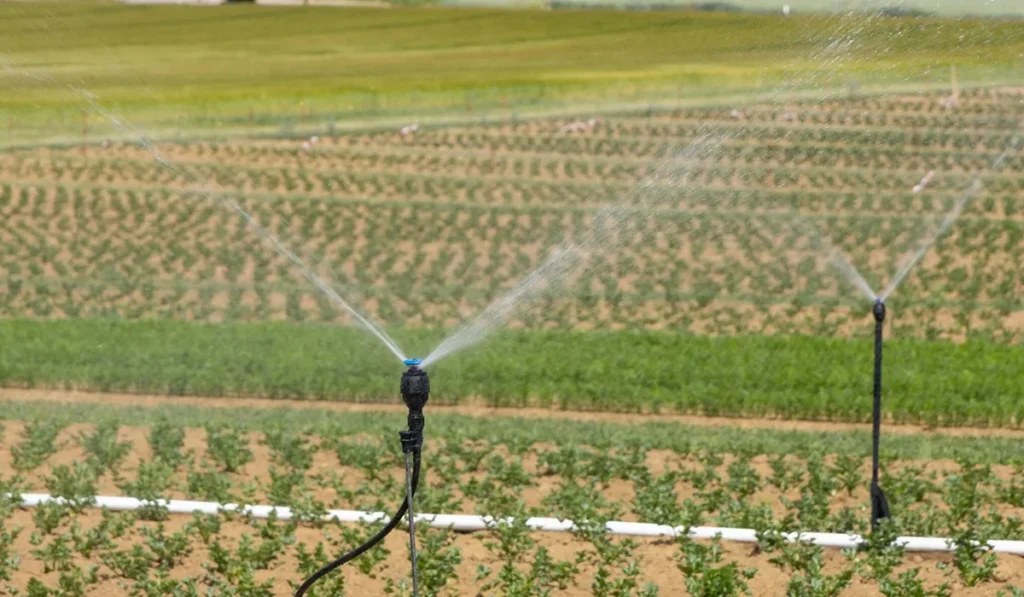
Considering the water shortage in Punjab, smart irrigation allows water to reach the roots directly, thereby saving 40-60% water. Its adoption is increasing in Punjab, and according to a study, its adoption rate is high among large farmers while low among small farmers. The government gives subsidy up to 90%. This increases the quality of crops and reduces diseases.
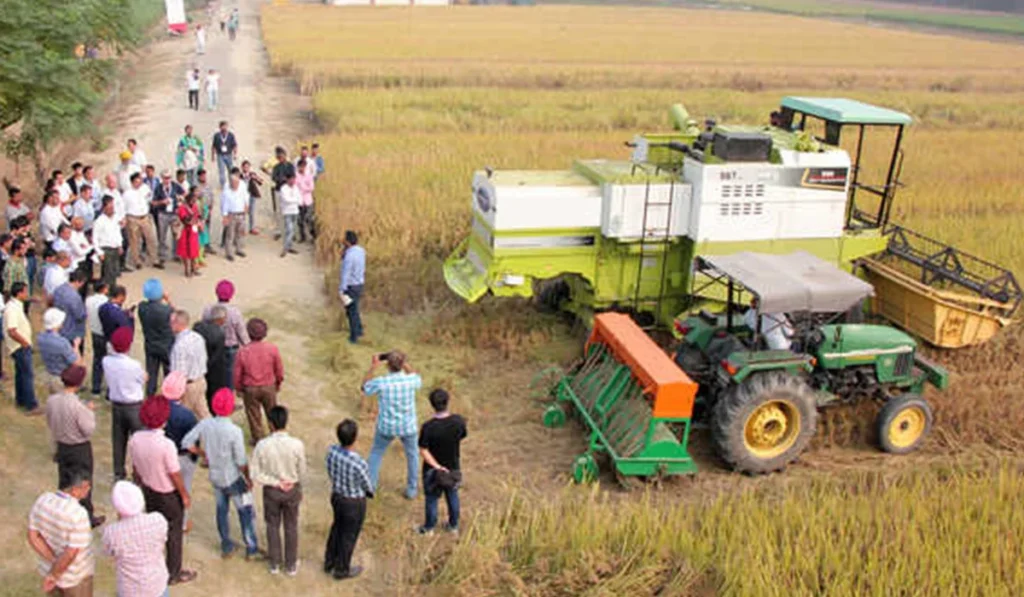
On the other hand, stubble burning increases air pollution. Wheat is sown by sowing the stubble in the field with machines like ‘Happy Seeder’, ‘Super Seeder’ and ‘Smart Seeder’. This has reduced stubble burning by 80% and increased soil fertility. According to a study, Happy Seeder saves farmers Rs 5,100 per hectare and reduces air emissions.
Water can be saved this way too
There is no need to do pumpkin by direct sowing of flax. This saves 15-30% of water and reduces labor costs. In Punjab, DSR reduces energy use by half and increases crop yield. In 2024, Punjab covered 5.62 lakh hectares of area under DSR, which is the highest till date.
How is agricultural technology helping farmers?

Modern technologies have changed the lives of farmers of Punjab. Expenses are reduced because seeds and fertilizers are used properly. Production increases and the quality of crops improves. Advance weather information is available through mobile apps like ‘Kisan App’, which reduces losses. With digital platforms, farmers can sell crops directly in the market, which reduces the need for middlemen and increases income.
What are the challenges for farmers and how will they be solved?

If farmers use new agricultural technologies, then in the initial phase they will have to face problems and challenges, but gradually these technologies will also solve the problems of the farmers. The other side is that technologies have benefits but there are also challenges. Small farmers hesitate due to expensive machinery. Learning and adoption are difficult, and rural areas lack internet or electricity. According to the study, small farmers have less land area and these machines are quite expensive.
Well, modern agricultural technology is the key to brighten the future of Punjab. If farmers adopt a combination of traditional and modern methods, then farming can become profitable. This will not only increase the income of farmers but will save water, soil and environment. The government and farmers should work together so that Punjab once again takes the lead in agriculture.



Leave a Comment