
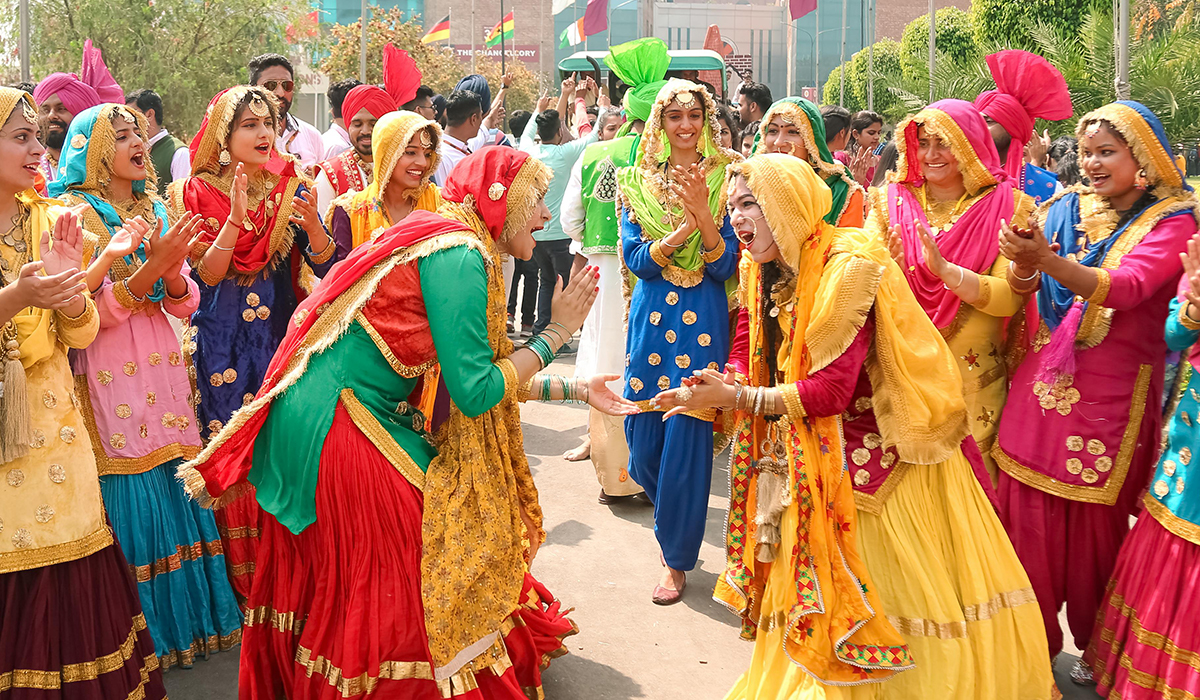

“Giddha,” the high-energy, rhythm-and-response-based women’s folk dance of Punjab, has always been about more than flashy costumes and clapping. At its heart are bolis (short, often humorous couplets) and mimes that narrate everyday life, gossip, joys, and grievances. Over the past few decades, women’s groups within Punjab and among the Punjabi diaspora have deliberately used Giddha as a platform to name social problems, challenge gender roles, and build collective power.
From harvest celebrations to spoken word
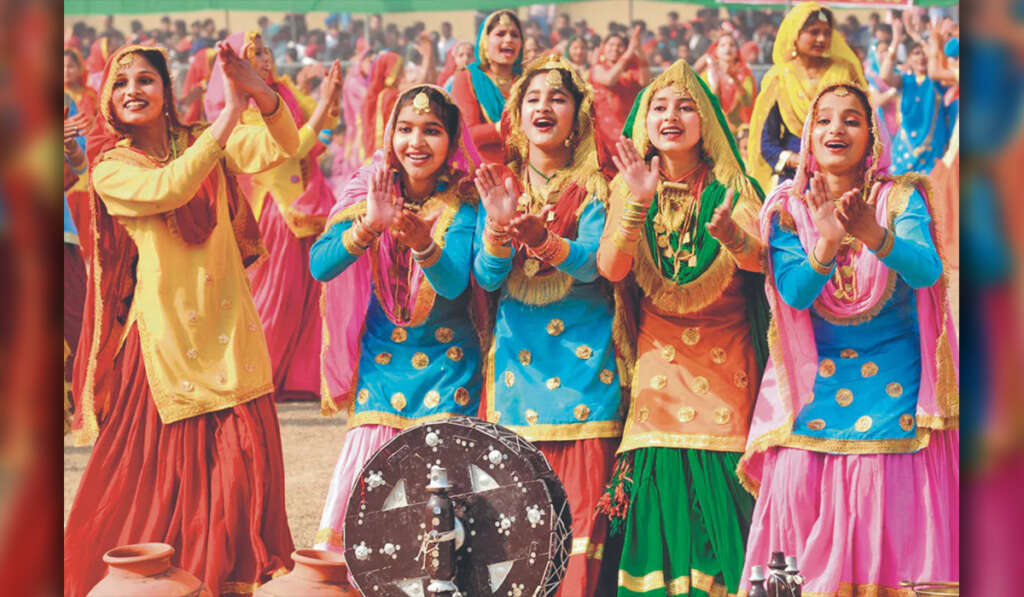
Historically, the giddha emerged from rural women’s social gatherings at tees and other seasonal fairs, where women could sing, joke and act out scenes that reflected their lived experiences: marriage and in-laws, the ghats and agricultural cycles and local gossip.
The giddhas, which were both spoken and demonstrative, have long allowed women to speak about subjects that might be risky to articulate directly in everyday life: the behavior of husbands, domestic disputes, injustice and communal tensions. This demonstrative fearlessness makes the giddha structurally suitable for social criticism.
The giddha is an open social commentary
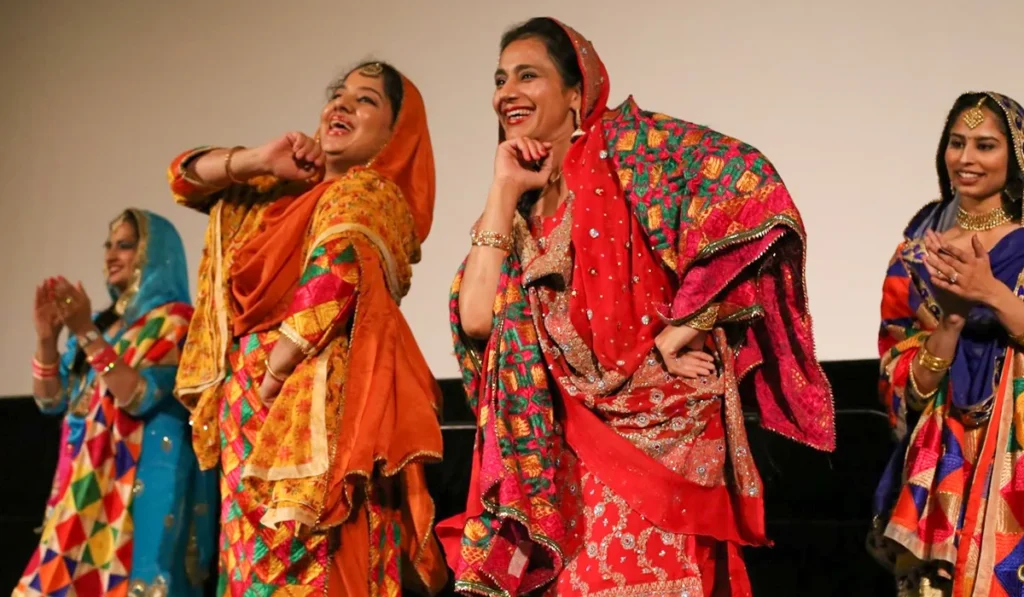
The giddhas are corrective and satirical, the giddhas easily advance messages that are political in effect, even if they are not always framed as formal politics. Contemporary researchers document how the songs and role-plays in Giddha bring to the surface grievances about patriarchy, economic hardship, migration, and caste or family injustice. In other words, precisely the social issues that women’s groups often seek to highlight.
Several ethnographic studies show that when women come together to perform Giddha, they transform private grievances into a shared, audible narrative that can connect participants and pressure listeners to take notice and bring about change.
The Diaspora: Identity, Rights, and Public Visibility
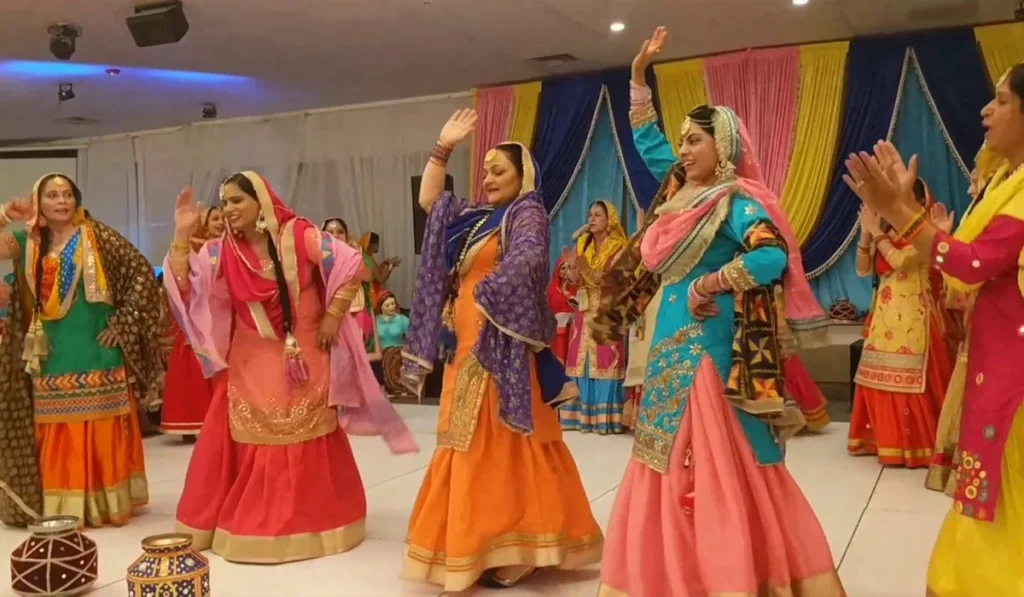
Punjabi women’s groups outside India, for example in cities such as Southall (London), Toronto, and parts of the United States, have adopted Giddha for community building and cultural politics. In migrant settings, giddha performances have two effects: they preserve cultural memory and provide a safe public forum for women to negotiate identity, gender expectations, and intergenerational differences.
Ethnologists find that migrant giddha can be explicitly mobilized to address health, well-being, and gender-based issues in community workshops and festivals, transforming a folk form into a tool for civic engagement.
Organized women’s groups: Choreography and messaging
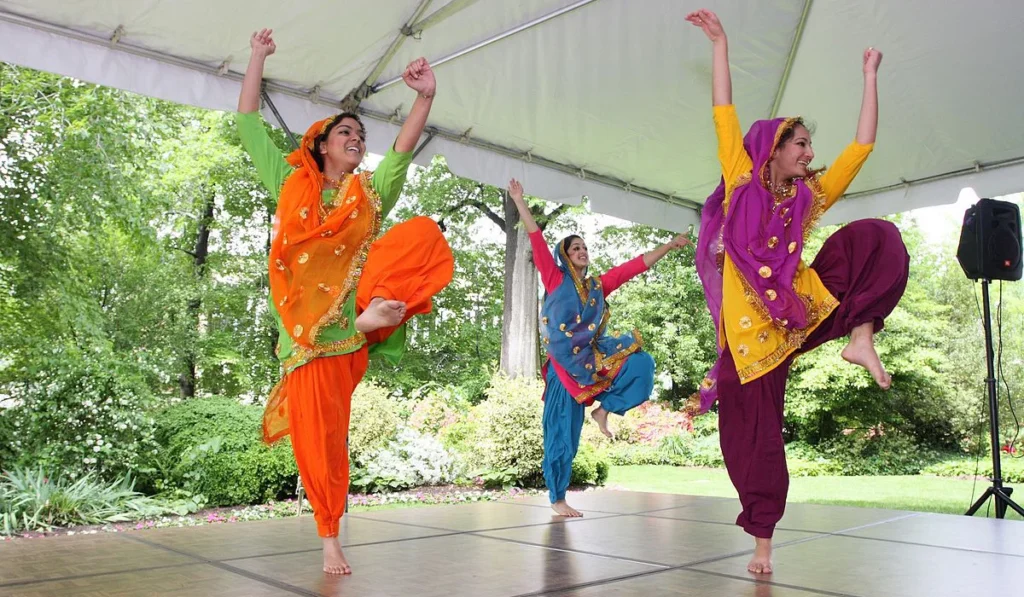
Local women’s groups, self-help groups, and non-governmental organizations (NGOs) have intentionally used giddha in campaigns. Performed at public health drives, gender-sensitization workshops, and community fairs, in these contexts, the dance is choreographed so that the voices focus on a theme (for example, domestic violence, girls’ education, sanitation, or women’s legal rights).
The combination of music, humor, and familiar idioms makes the message memorable, non-confrontational for some listeners, and emotionally resonant for women who see their experiences reflected on stage. Practical projects also show that regular giddha practice improves women’s self-confidence, physical fitness, and mental well-being.
Academic Perspectives: Gender, Vision, and Resistance
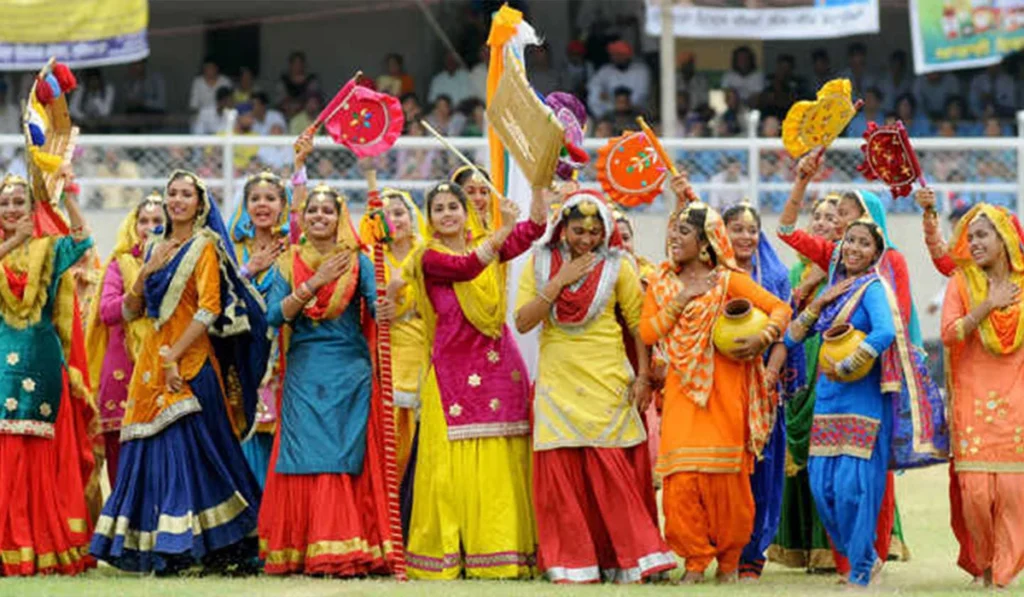
Recent scholarship examines how Punjabi dance forms (including giddha) are gendered—how performance can reproduce and even resist patriarchal norms. Some academics argue that while public performances of folk dances may be co-opted (staged for commercialization or tourism), women’s physical performance in the giddha still offers a unique speaking-function: a culturally legible way for women to articulate dissent, desire, and solidarity. Studies of staged performances, migrant troupes, and community classes show a complex picture in which empowerment and commodification often coexist.
Why does the giddha function as a means of empowerment?
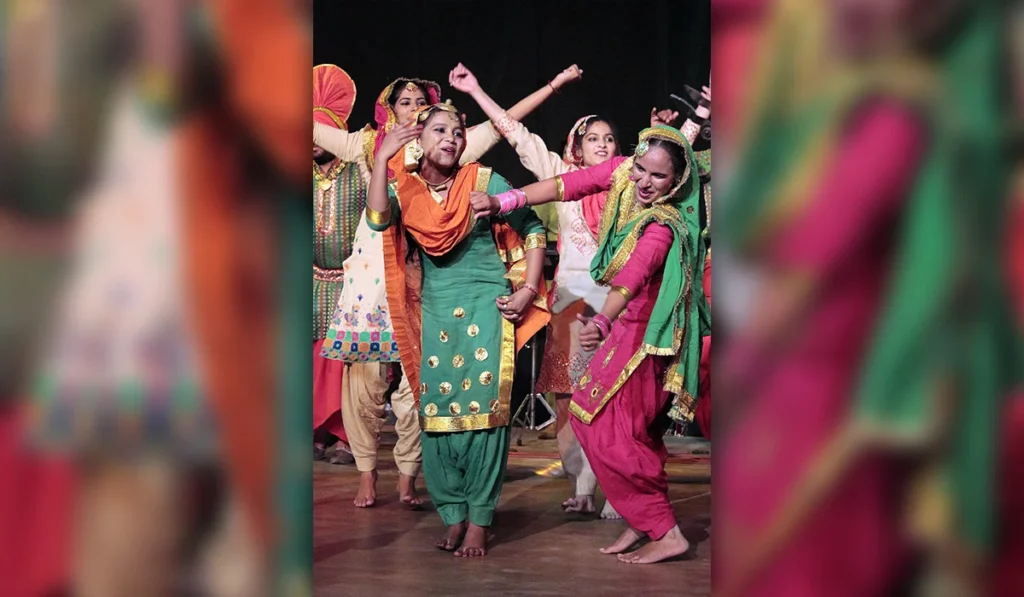
Giddha is an effective tool for social change for several reasons:
Cultural identity: Giddha is a culturally respected form, its messages reaching both older and younger members of the community.
Collective voice: The rhythm and structure of response transform individual grievance into collective testimony, reducing shame and isolation.
Humor and irony: The dialects use wit to reduce defensiveness, allowing uncomfortable topics to be aired without immediate backlash.
Physical confidence: Regular performance builds physical and social confidence, which women’s groups then translate into community action.
Limitations and tensions
Using the Giddha for activism is not without its challenges. Public staging can sanitize or commercialize more subversive material, conservative audiences can censor dialects, and formalizing the giddha into workshops risks eroding the very refinements that make it an effective vehicle for clear discourse.
Notably, scholars warn that celebration and commodification can coexist with empowerment, and the outcomes depend on who controls the stage and the text.
Conclusion
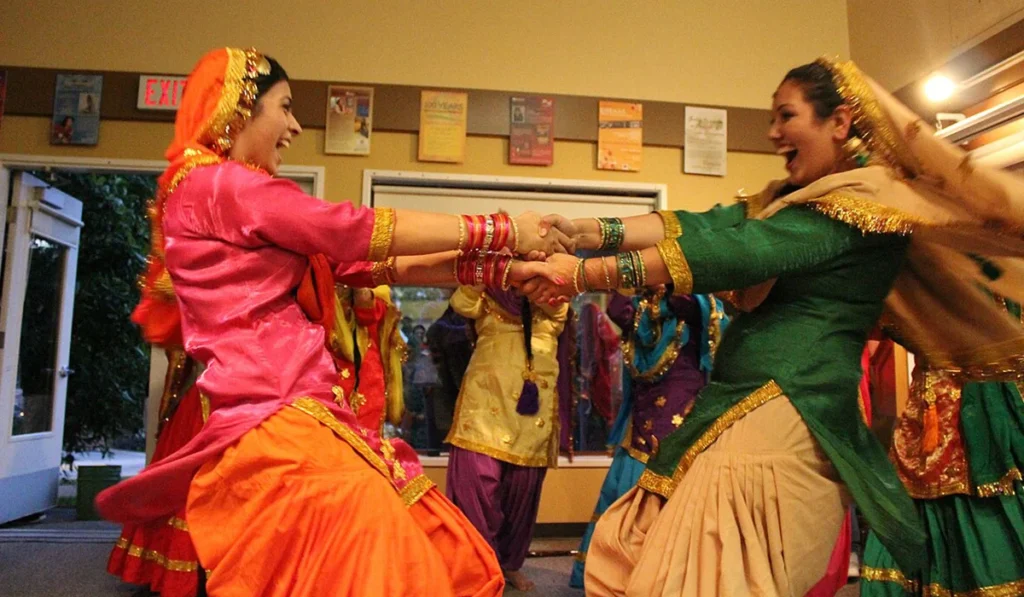
Giddha continues to be a vibrant cultural form of Punjabi women’s voice today. When women’s groups use it to raise social issues, this folk dance is no longer just entertainment but also a powerful platform for collective witness, resistance, and mutual support. From villages to migrant communities, the giddha’s combination of rhythm, satire, and solidarity makes it a unique and effective tool for keeping cultural heritage alive as well as bringing about social change.

Leave a Comment