
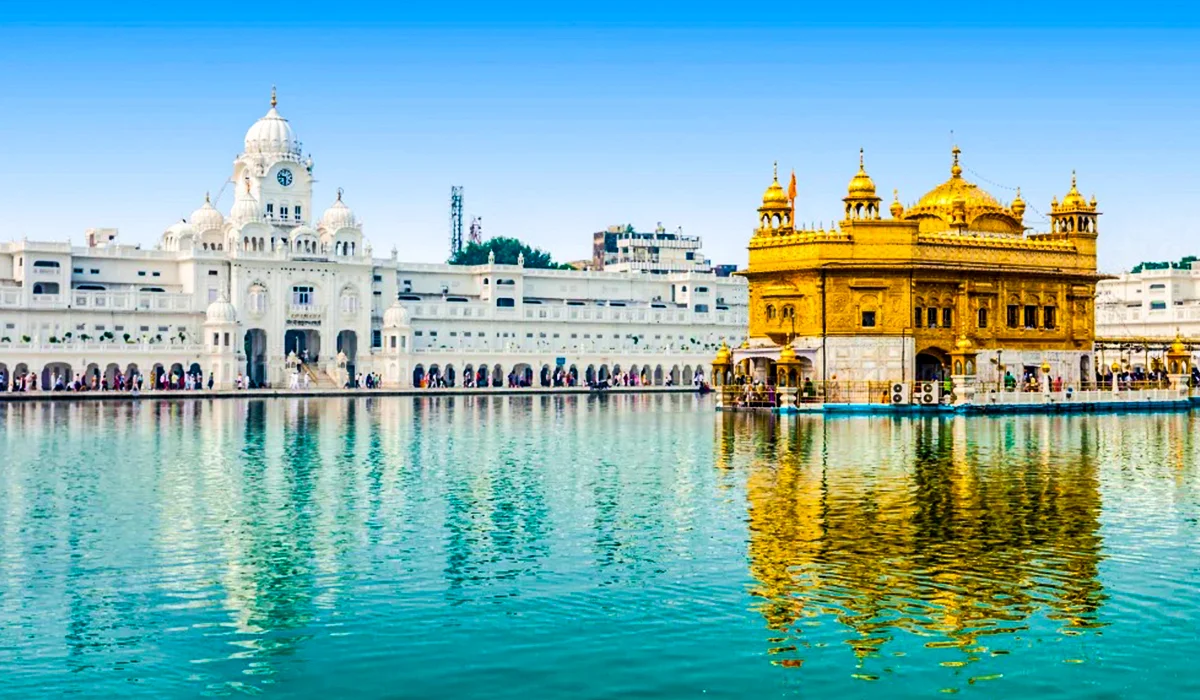

Sachkhand Sri Harmandir Sahib, also known as Sri Darbar Sahib or the Golden Temple, is the central spiritual shrine of Sikhism. The term Harmandir signifies the “Abode of the Divine,” reflecting the Sikh belief that God dwells wherever His Name is remembered with devotion. Sikhs around the world pray daily to visit Sri Amritsar and pay obeisance at Sri Harmandir Sahib.

According to historians, the fifth Sikh Guru, Guru Arjan Sahib, envisioned a central place of worship for the Sikhs and personally prepared the design of Sri Harmandir Sahib. Earlier, the plan for digging the holy tank (Amritsar) was drawn by the third Guru, Guru Amardas Sahib, but it was carried out by Guru Ramdas Sahib under the supervision of Baba Buddha Ji. The land for this place was acquired by the previous Gurus from the village landlords. A plan was also made to establish a town, due to which the construction of the tank and the city began together in 1570 and was completed in 1577 AD.
Guru Arjan Sahib had the foundation of Sri Harmandir Sahib laid by the Muslim Sufi saint Hazrat Mian Mir Ji of Lahore on 1 Magh, 1645 Bikrami Sammat (December 1588). The construction work was directly supervised by Guru Arjan Sahib, who was assisted by Baba Buddha Ji, Bhai Gurdas Ji, Bhai Sahilo Ji and other devout Sikhs.
Baba Buddha Ji as the First Granthi
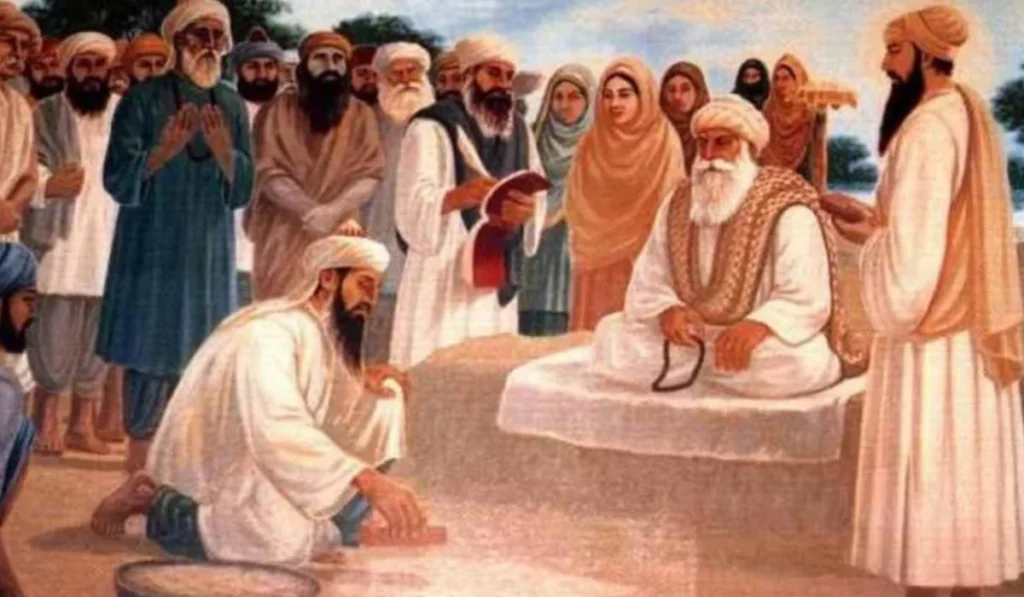
Guru Arjan Sahib installed the newly compiled Guru Granth Sahib in Sri Harmandir Sahib and appointed Baba Buddha Ji as the first Granthi. In this way, he created a symbol of the new philosophy of Sikhism, according to which this place is open to people of every caste, race, gender and religion.
The construction work was completed in 1601 AD (Bhadon Sudi 1, 1661 Bikrami Samvat). Guru Arjan Sahib inaugurated the newly composed Guru Granth Sahib in Sri Harmandir Sahib and appointed Baba Buddha Ji as the first Granthi. After this, it received the status of ‘Athsath Tirtha’ and the Sikh community got its central pilgrimage site.
Building of Sri Harmandir Sahib
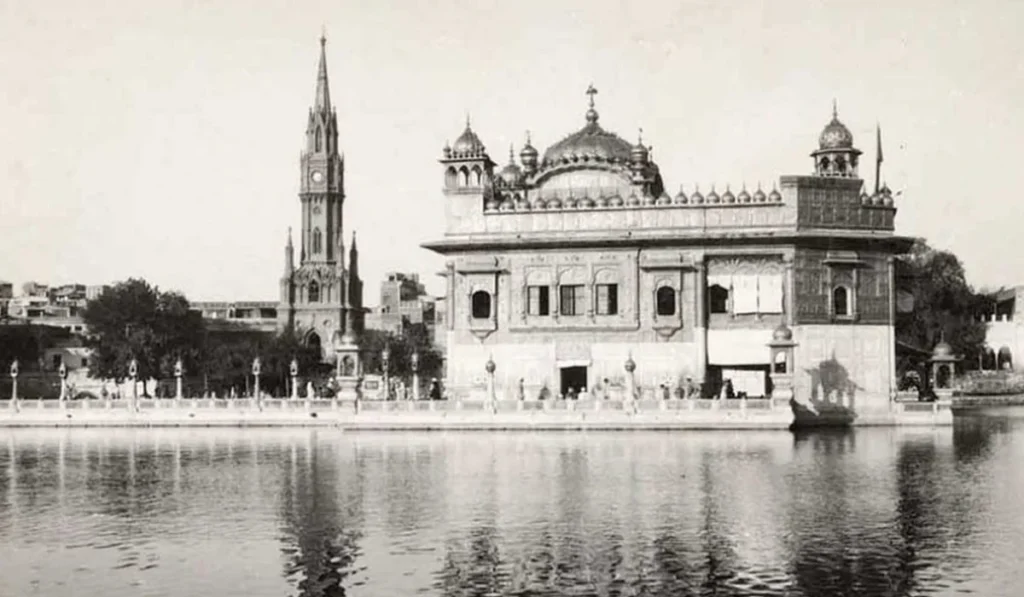
According to the information received from SGPC, Sri Harmandir Sahib is built on a 67 feet square platform in the middle of the Sarovar. The main building is 40.5 feet square. On the edge of the bridge is the ‘Darshini Deori’, whose door is about 10 feet high and 8 feet 6 inches wide. The length of the bridge is 202 feet and the width is 21 feet. This bridge is connected to the 13 feet wide ‘Parkarma’, which leads to ‘Hari ki Pauri’. The Akhand Path of Guru Granth Sahib is continuously recited on the first floor of Har Ki Pauri. The main building is three storeys high. It has a dome on its roof with a lotus petal pattern at the bottom and a golden urn and umbrella on the top. Its art is a unique blend of Muslim and Hindu architecture, it is often cited that this architecture has created an independent Sikh architectural school in the history of art in India.
History of attacks and sacrifices on Sri Harmandir Sahib
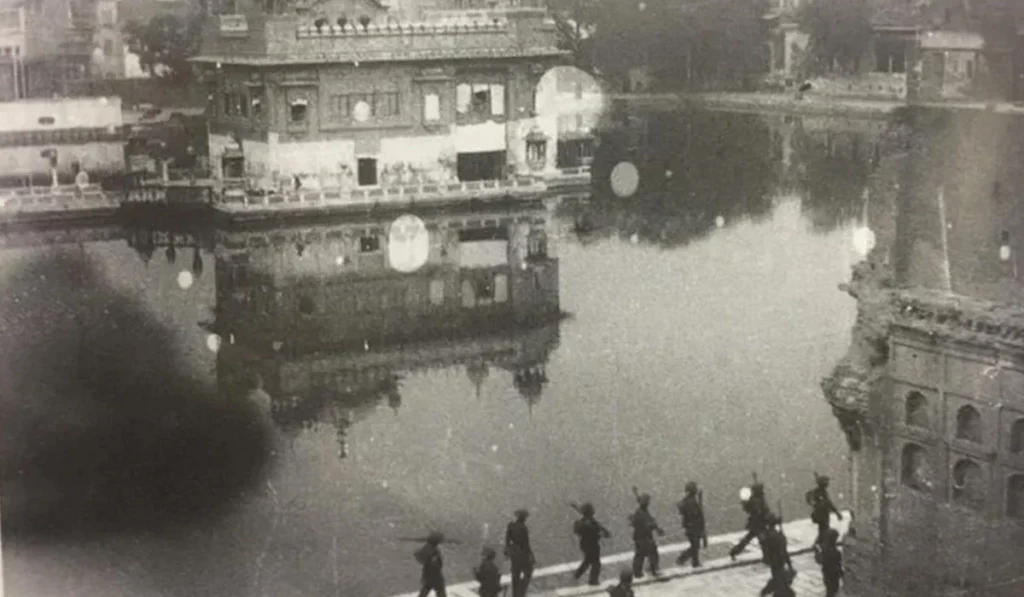
Sri Harmandir Sahib was attacked and damaged several times by Afghans and other invaders. Each time the Sikhs sacrificed their lives to restore its sanctity. In 1740, Massa Ranghar, the Mughal-appointed Kotwal of Amritsar, desecrated Sri Harmandir Sahib by turning it into a place of immoral activities. Bhai Sukha Singh and Bhai Mehtab Singh avenged this desecration by entering in disguise and cutting off Masse Ranghar’s head. In 1746, during what is known as the Chhota Ghallughara, thousands of Sikhs were massacred, with historical estimates ranging between 7,000 and 10,000. Three thousand of them were publicly executed in Lahore (this place is now called Shaheedganj). Later in 1748, the Sikhs liberated the Golden Temple under the leadership of Jassa Singh Ahluwalia.
In 1757, Ahmed Shah Abdali demolished the building of the Golden Temple and filled the Sarovar with dirt. To avenge this desecration, Baba Deep Singh Ji fought a martyr’s war and reached the perimeter of the Golden Temple with his head on a plate and attained martyrdom. Sikh historical tradition holds that during the explosion in 1762, a flying brick struck Ahmad Shah Abdali. While symbolic in Sikh memory, this account reflects oral tradition rather than established historical evidence. When Abdali attacked again in 1764, only 30 Sikhs led by Baba Gurbaksh Singh Ji fought an army of thousands and were martyred.
Administrative history
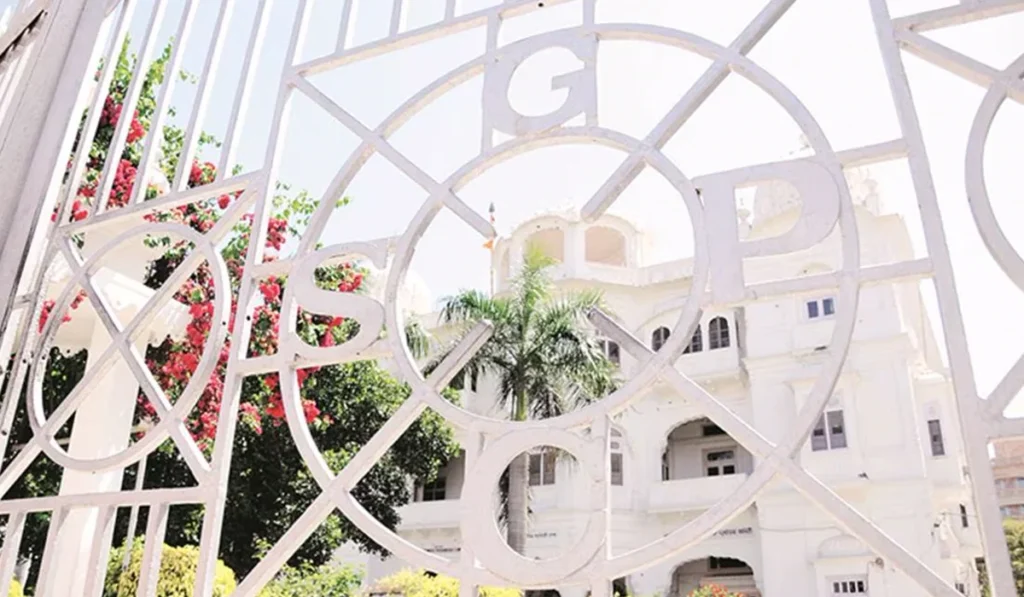
During the Misal period, several bungas were built here. During the reign of Maharaja Ranjit Singh, special contributions were made for the beautification of the Golden Temple and the service of gold. During the British period, the management went to the Manager, who was the nominee of the Deputy Commissioner. During the British period, the management of Sri Harmandir Sahib came under government-appointed Mahants, whose mismanagement led to widespread Sikh resentment and eventually the Gurdwara Reform Movement. Finally, through the ‘Sikh Gurdwara Act’ of 1925, the management of Sri Harmandir Sahib was handed over to the Shiromani Gurdwara Parbandhak Committee, which is an elected representative body of the Sikhs.
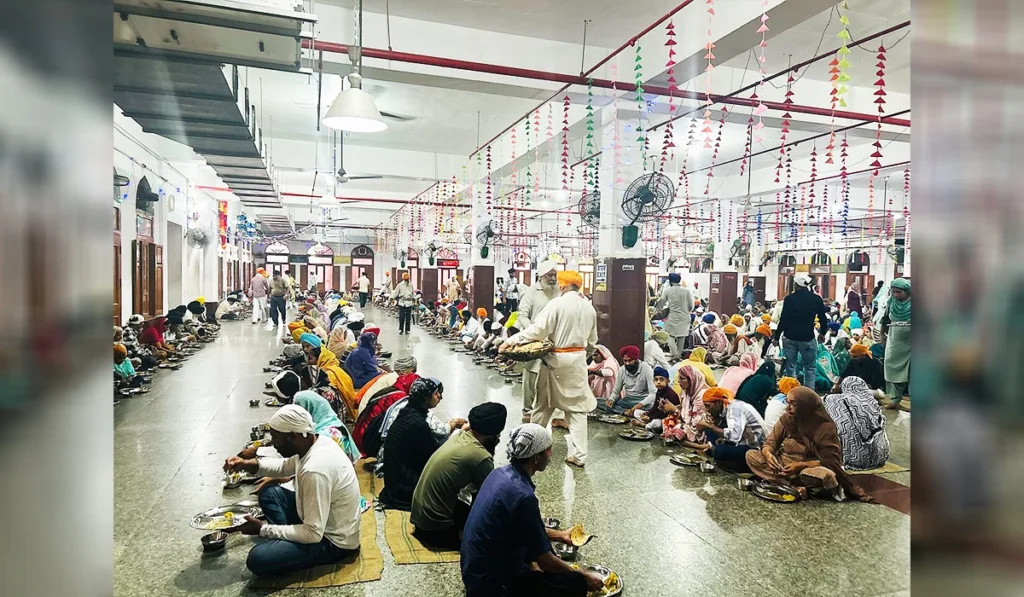
Today, Sri Harmandir Sahib stands not only as the spiritual heart of Sikhism but also as a living symbol of sacrifice, equality, and seva, drawing lakhs of devotees daily from all faiths.



Leave a Comment