
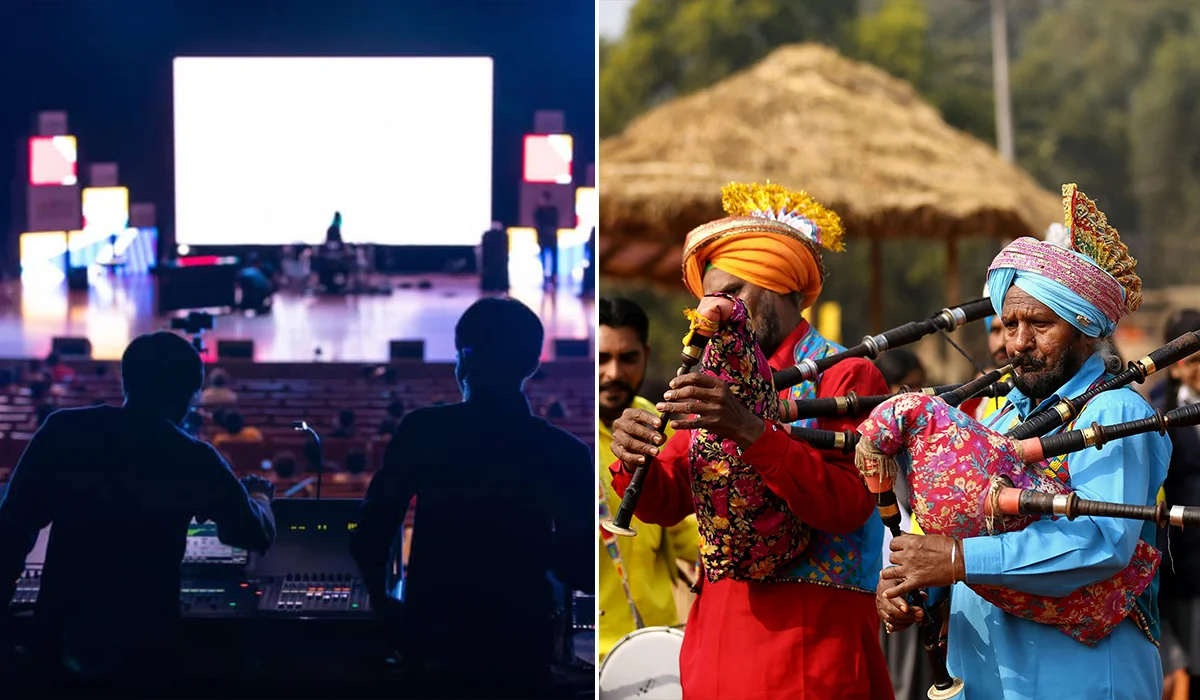

The music of Punjab is not just a combination of tunes and rhythms, but it is a living picture of Punjab’s soil, rich heritage and emotions of Punjabis. This journey, which started from the land of five waters, is resonating in every corner of the world today. Starting from the echo of Dhol and reaching the new era of digital music today, Punjabi singing has beautifully adapted its ancient folk in the colors of the new era, which has established a new, unique and influential identity of Punjabi culture at the international level, which connects every generation with itself.
Folk Music: Earthy Fragrance and Tradition
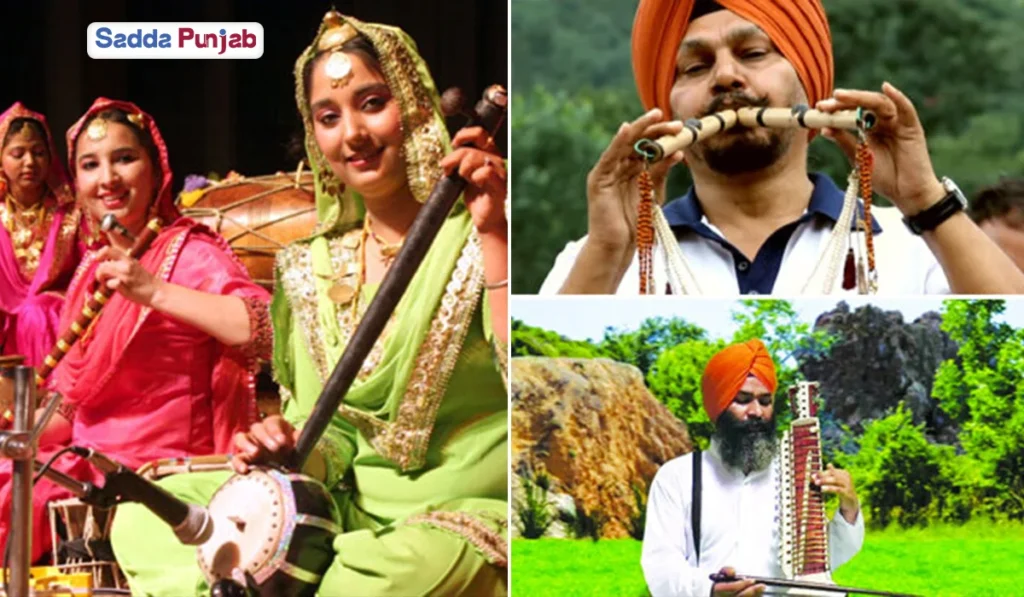
The foundation of Punjabi music lies in its “folk music”. This was the period when music was not a commercial form, rather it was a part of lifestyle.
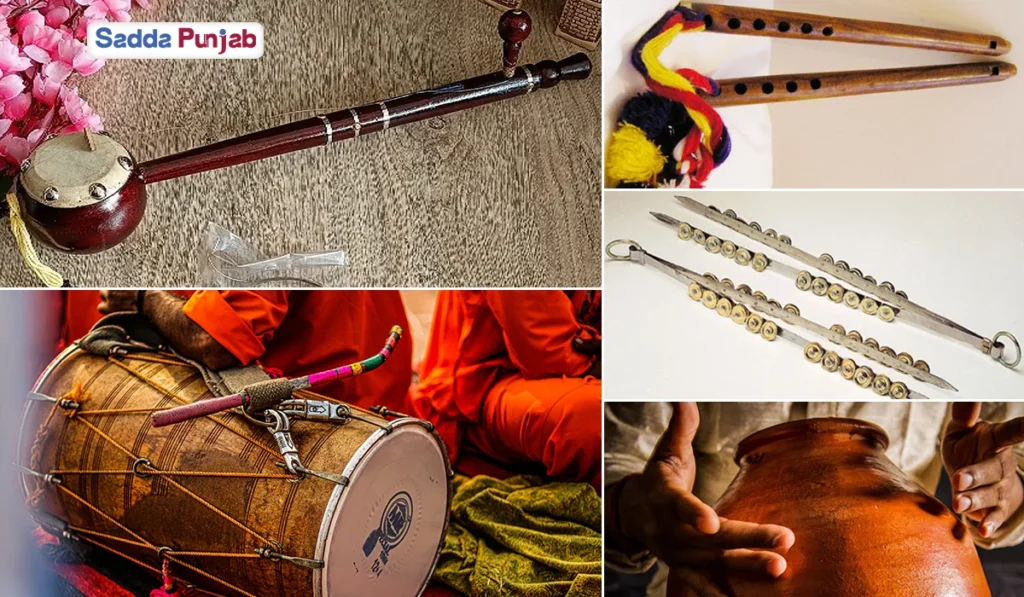
Instruments: Tumbi, Dhol, Algoza, Chimta and Ghaza are the main instruments of this music, which produce natural melodies.
Subject: Folk songs talked about love stories of Punjab (Hir-Ranjha, Mirza-Sahib), agriculture, festivals and relationships. “Ghodis”, “Suhaag” and “Tappe” of women were a part of social customs, which is the rich heritage of our Punjab.
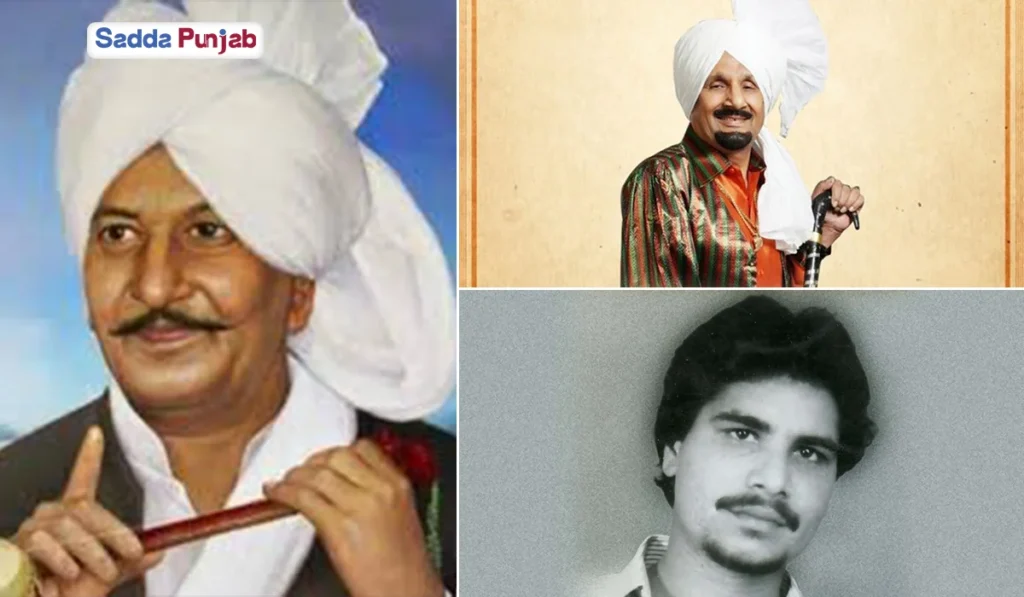
Artists: Singers like Lal Chand Yamla Jatt, Kuldeep Manak and Amar Singh Chamkila gave it a new identity. The simplicity and truthfulness of the villages of Punjab were clearly visible in his singing. These singers connected music with the common people through the akharas. His lyrics were not just entertainment but a living picture of rural life and cultural heritage.
The Pop Era: The Beginning of Modernism
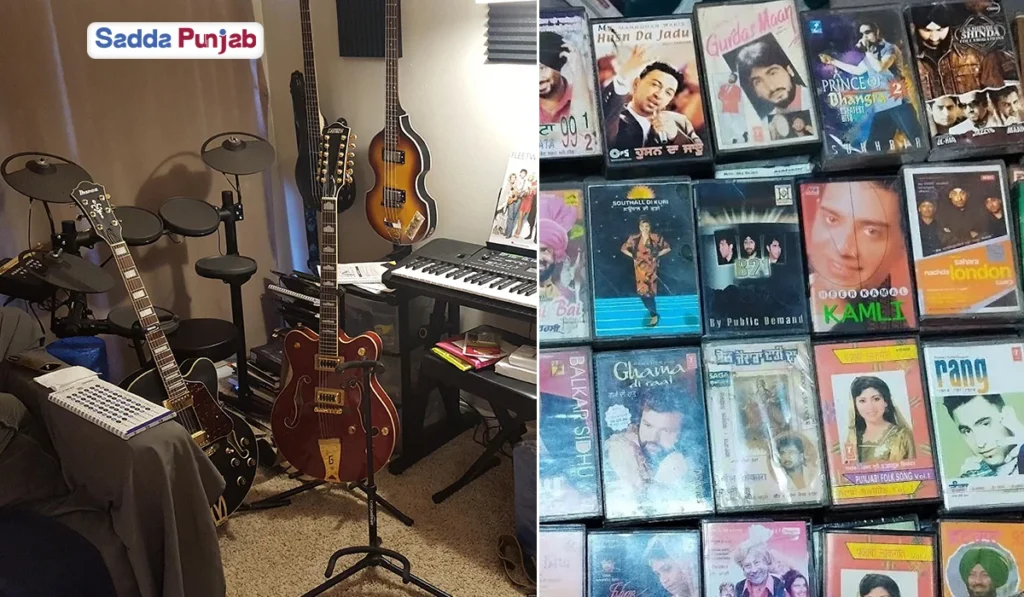
In the 80s and 90s, Punjabi music moved out of village venues and into studios and cassettes. The pop era was the time when western instruments entered Punjabi music.
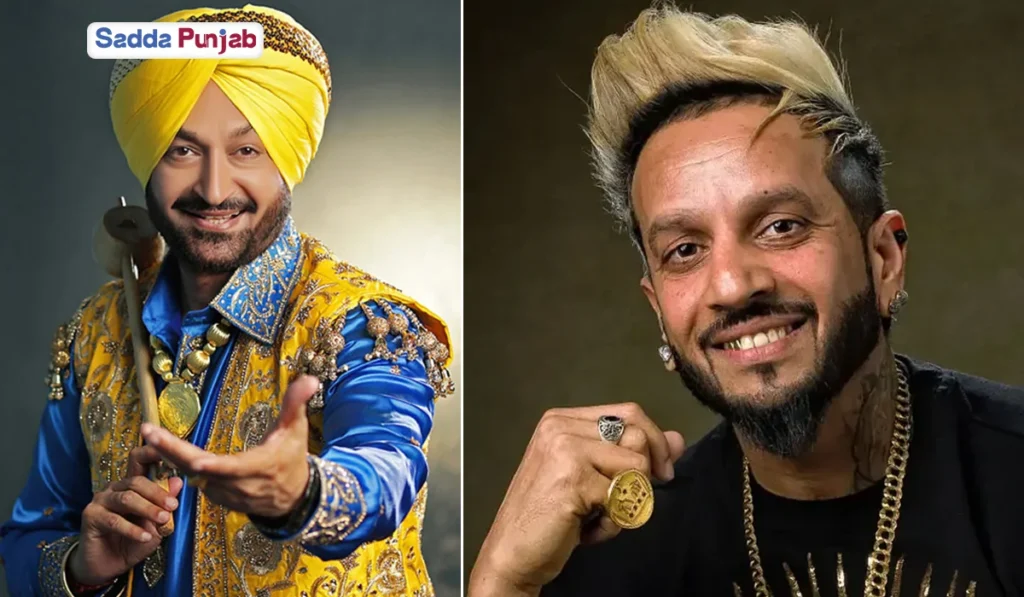
Bhangra Pop: Punjabi immigrants living in the UK made a major contribution to it. Artists like ‘Malkit Singh’, ‘Jazzy B’ and ‘Apache Indian’ combined Bhangra with western beats.
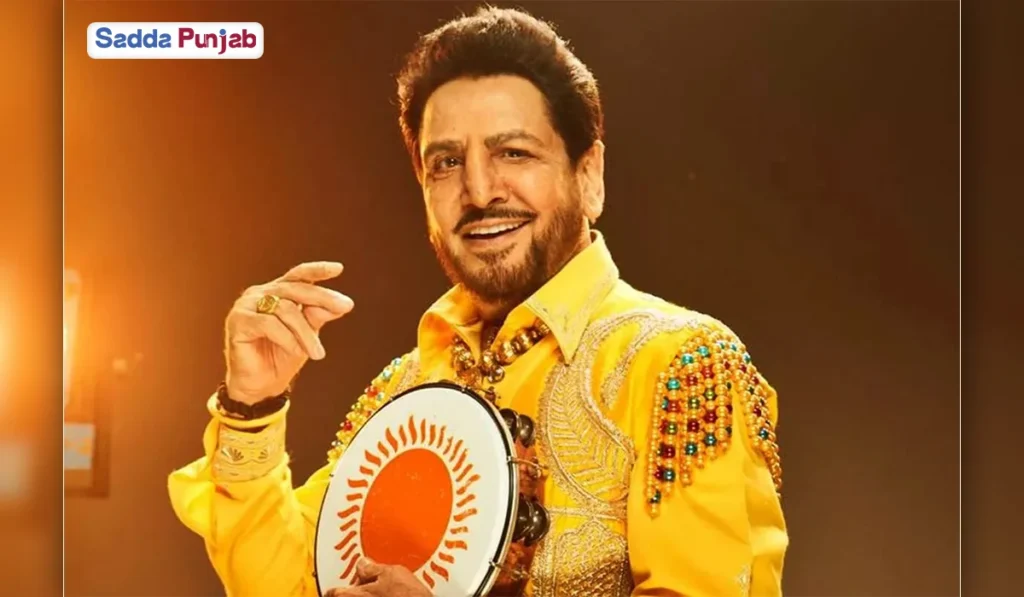
Cultural change: Now the subjects of songs were not limited to agriculture only, but turned towards glamour, party culture and the enthusiasm of youth. Artists like ‘Gurdas Maan’, through their singing, built a beautiful bridge between the grandeur of Punjabi culture and modernity.
Global Punjabi Music: Digital Revolution
Today, Punjabi music has become the most listened to regional music in the world. YouTube, Spotify and social media have taken it to the hearts of every country.
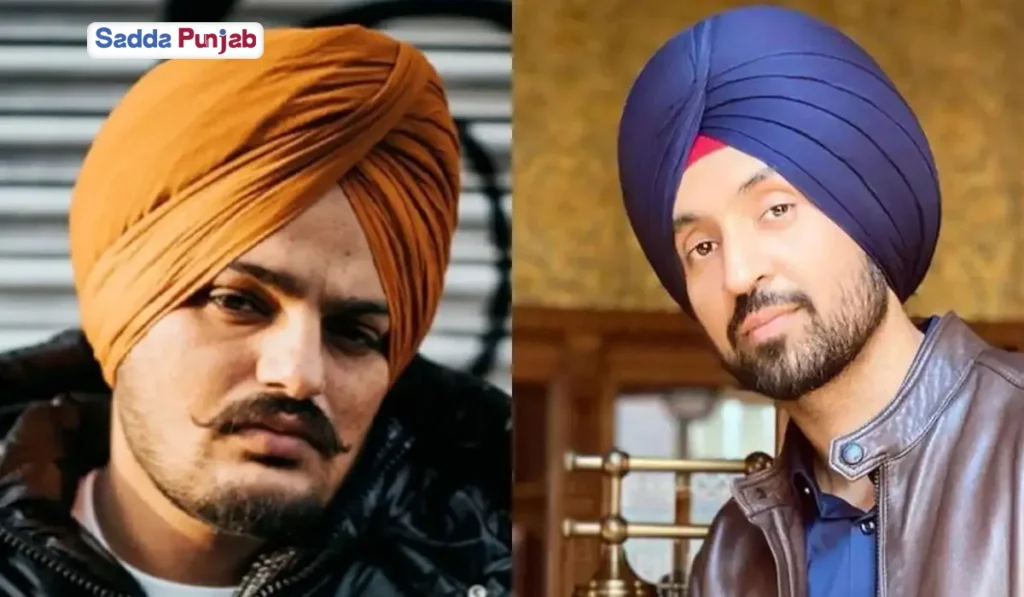
Influence of hip-hop and rap: Artists like ‘Sidhu Moosewala’ connected the Punjabi dialect with ‘hip-hop’ culture in such a way that even foreign whites have started dancing to Punjabi songs. Similarly, ‘Diljit Dosanjh’ has given new respect and honor to Punjabi heritage at the international level by hoisting the flag of Punjabi music on a world class platform like Coachella.
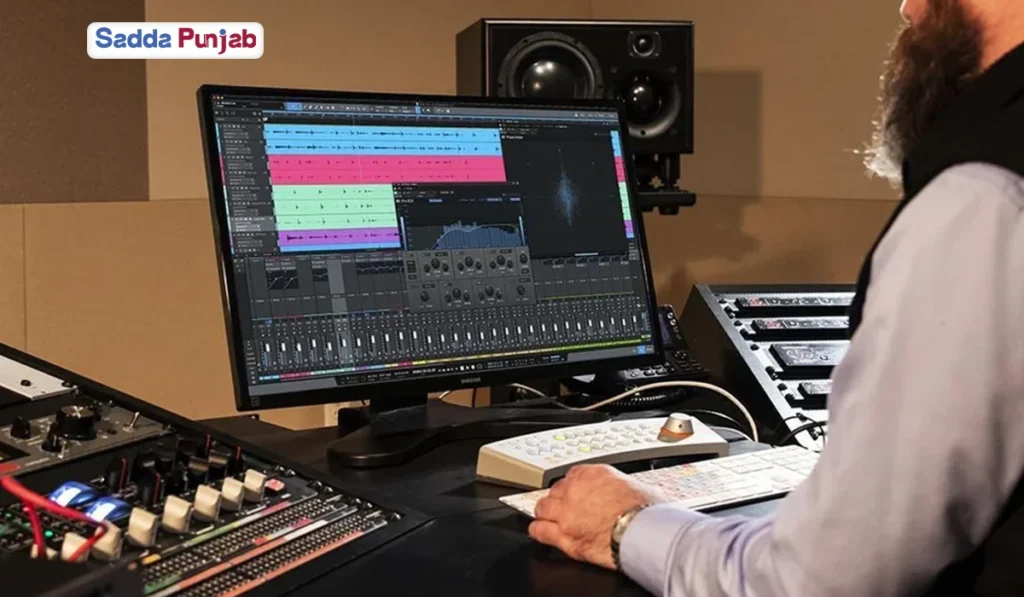
Digital Sound: Now ‘Samples’ and ‘Auto-Tune’ have replaced drums in the recording studio. Music has now become a subject not only of ears but also of ‘visuals’ (Music Videos). Music videos made with a budget of crores are now the new identity of Punjabi singing, which are making waves across the world on social media.
Cultural change and serious challenges
While this journey has brought pride to the Punjabi mother tongue on the international stage, it has also created some cultural challenges.
Change in topics: Many of today’s songs exaggerate the use of weapons, expensive vehicles and drugs, which is worrying the educated people. The simplicity of old songs is now disappearing and in its place the songs are displaying their folk grandeur and power. This change is becoming a big threat to the thinking of our youth and social community.
Color of language: Use of Punjabi as well as English words in today’s songs has become a common thing. All this is done to attract youth and become famous all over the world. But due to this, our old and traditional Punjabi words and idioms are rarely heard in songs anymore.
Future of punjabi music
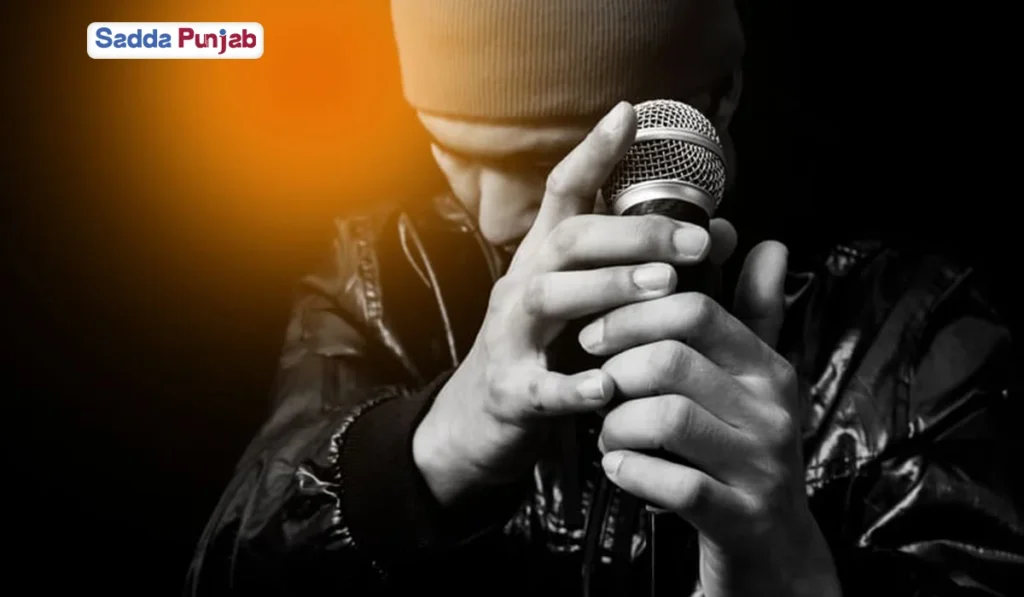
By 2026, Punjabi music industry has become a business worth crores. Along with this, Punjabi artists living in Canada, UK and Australia are experimenting with new things while staying connected to their soil. Now, old folk songs are also being presented in a new form (Remix/Lo-fi) through Artificial Intelligence (AI) and new sound engineering.
This journey starting from the beats of dhol to today’s digital streaming music shows how open-hearted and lively Punjabi is. Punjabi songs have proved that good art is not a slave to any country or border. While Dhol keeps us connected with our old heritage, new age apps are making us famous all over the world. As long as Punjabis continue to inhabit the world, the sound of drums and Punjabi songs will always make people’s hearts dance with joy.

Leave a Comment