
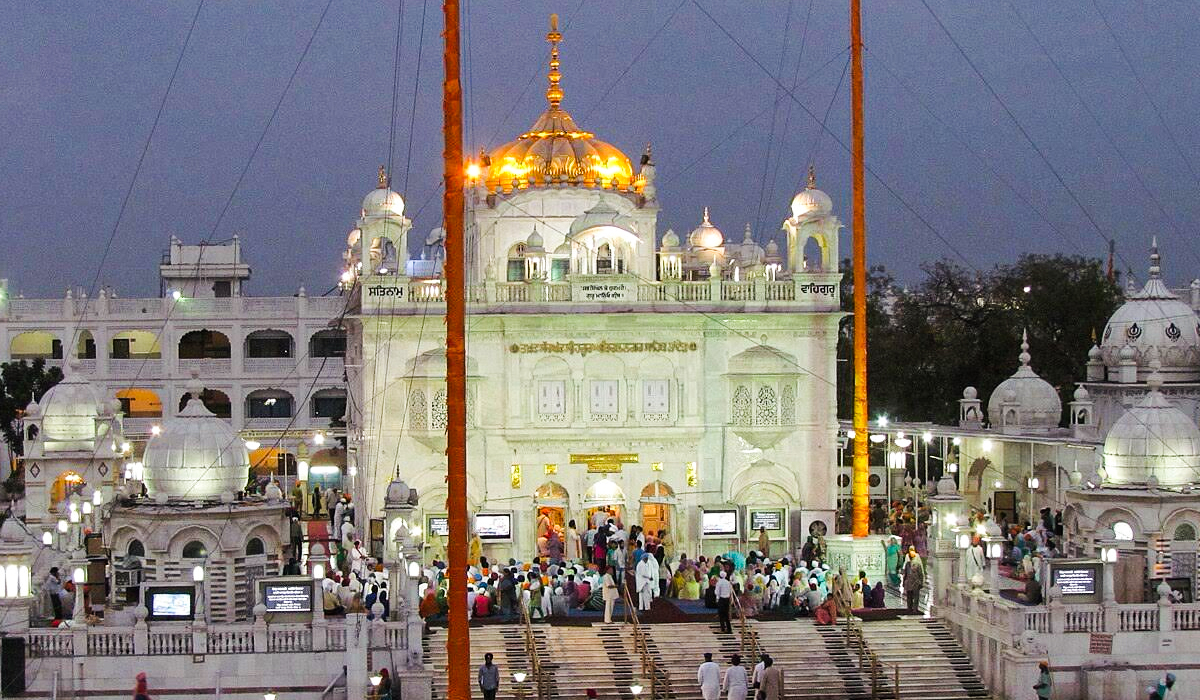

Tucked away in the southeast of Maharashtra, Nanded is a city steeped in quiet sanctity for the Sikh community. It is here, at Takht Sachkhand Sri Hazur Abchalnagar Sahib—commonly known as Hazur Sahib—that the tenth Sikh Guru, Guru Gobind Singh Ji, spent his final days over three centuries ago. This hallowed site marks the profound moment when the Guru, before merging with the eternal light in 1708, bestowed the mantle of spiritual guidance upon the holy scripture- Sri Guru Granth Sahib- declaring it the everlasting Guru for Sikhs worldwide. This transition—from human Gurus to Shabad Guru—makes Nanded an important cornerstone in Sikh history.

For devotees, Nanded is more than a pilgrimage destination; it is a living testament to resilience, faith, and the unbroken thread of Sikh history. It attracts more than half a million visitors each year to reflect on the teachings of equality and valour. Unlike many historical shrines, Hazur Sahib functions as a living institution, where traditions rooted in the Guru’s own era continue uninterrupted. Sacred relics, including Guru Gobind Singh Ji’s personal arms and attire, are ceremonially revered, and daily practices follow a maryada that offers pilgrims an immersive connection to 18th-century Sikh life.
The Godavari River flowing beside the Takht further deepens Nanded’s spiritual landscape. Revered by pilgrims as a space for inner cleansing before darshan, the river mirrors the role played by Punjab’s rivers in Sikh sacred geography, reinforcing the idea that Sikh spiritual life transcends regional boundaries.
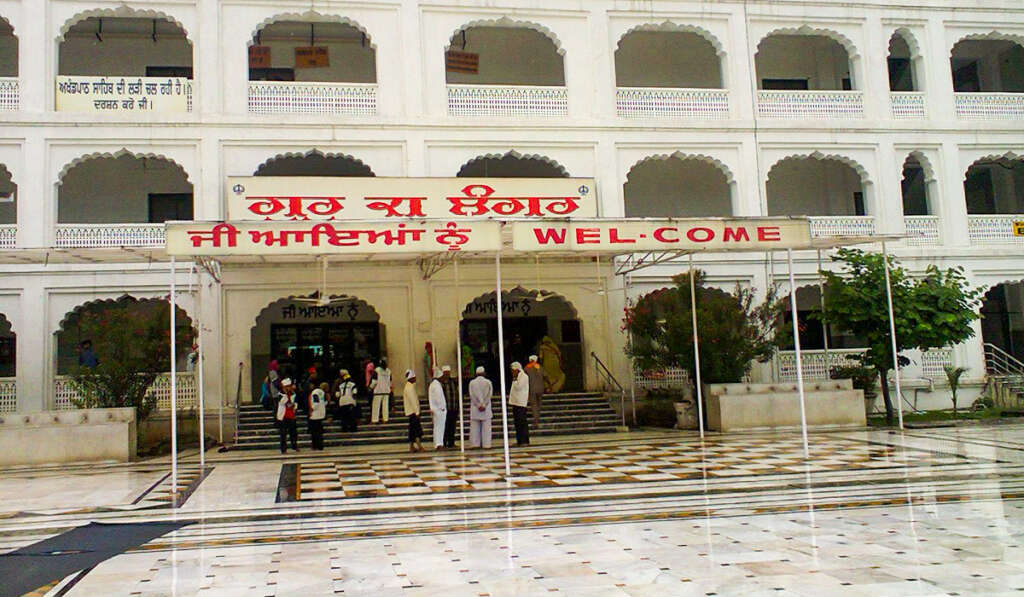
As India weaves its diverse cultural tapestry into the fabric of national development, the recent steps taken to acknowledge and support such spiritual landmarks are gradually elevating the revered city to its deserved position. Recognising the site’s role as one of the five Takhts—seats of supreme authority in Sikhism—recent efforts have focused on easing access for pilgrims, ensuring that the journey to this revered place aligns with modern needs without overshadowing its serene essence. Enhanced connectivity, through initiatives like the UDAN regional air scheme, has linked Nanded’s airport to key cities across the country, making darshan feasible for families travelling from afar. Indian Railways has introduced smoother travel options, including the extension of faster services that cut travel times along traditional routes.
Notably, these infrastructure measures are framed less as tourism expansion and more as sewa—facilitating pilgrimage without commercialisation. Local gurdwara management bodies continue to serve as custodians of the shrine’s sanctity, ensuring that development remains restrained, respectful, and spiritually anchored. These improvements amplify Nanded’s prominence, allowing devotees to immerse themselves in its history—from the inner sanctum where the Guru’s final rites were performed to the preserved customs that echo his era. The pilgrimage economy, in turn, quietly sustains local livelihoods—supporting langar services, small traders, artisans, and transport workers—demonstrating how faith-driven tourism can foster dignity-based development.
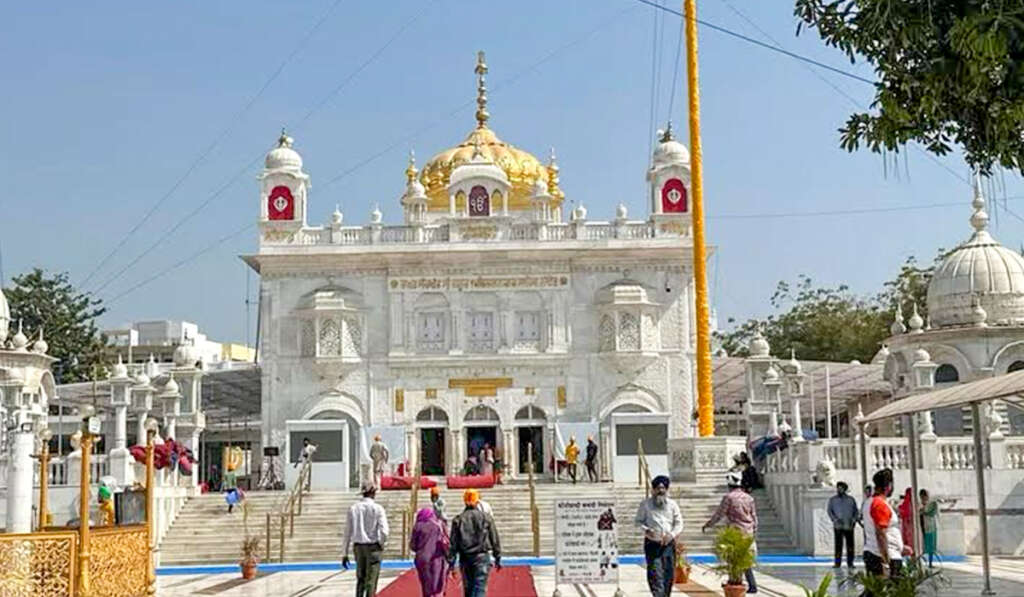
Nanded also stands as a powerful example of Sikh–Deccan cultural synthesis. Over centuries, Sikh presence here has evolved in harmony with local traditions, such as the Sikhligar community—historically skilled artisans and weapon-makers—whose spiritual ties to Hazur Sahib remain strong. The confluence of Punjabi, Marathi, and Dakhani influences in daily seva and sangat life reflects an early and enduring model of inter-regional coexistence.
Carrying the spirit forward, there are plans to commemorate the 350th martyrdom anniversary (Shaheedi Samagam) of the ninth Sikh Guru, Guru Tegh Bahadur, on 24-25 Jan 2026. Union Home Minister Amit Shah, Maharashtra Chief Minister Devendra Fadnavis, other state Chief Ministers, and dignitaries are expected to attend. The two-day event will feature Gurmat Samagam, devotional sessions, and cultural presentations on the Guru’s legacy of courage, compassion, and interfaith unity.

Guru Tegh Bahadur Ji’s sacrifice is widely regarded as one of the earliest stands for the religious freedom of others, making the commemoration not only a Sikh observance but a broader civilisational reflection on pluralism. The event involves nine communities, including Sikhs, Sikhligar, Banjara, Lubana, Sindhi, Mohyal, Valmiki, and followers of Bhagat Namdeo and the Udasi sect, emphasising inclusivity. The Maharashtra government has allocated ₹94.35 crore for statewide commemorations to fund logistics, security, and awareness initiatives.
In an age of rapid change, Nanded offers a quiet contrast to louder pilgrimage hubs—marked not by spectacle, but by stillness, sewa, and reflection. Such commemorations mark the city as a gentle yet steadfast reminder of enduring values, ensuring that its spiritual light continues to guide generations ahead.


Leave a Comment