
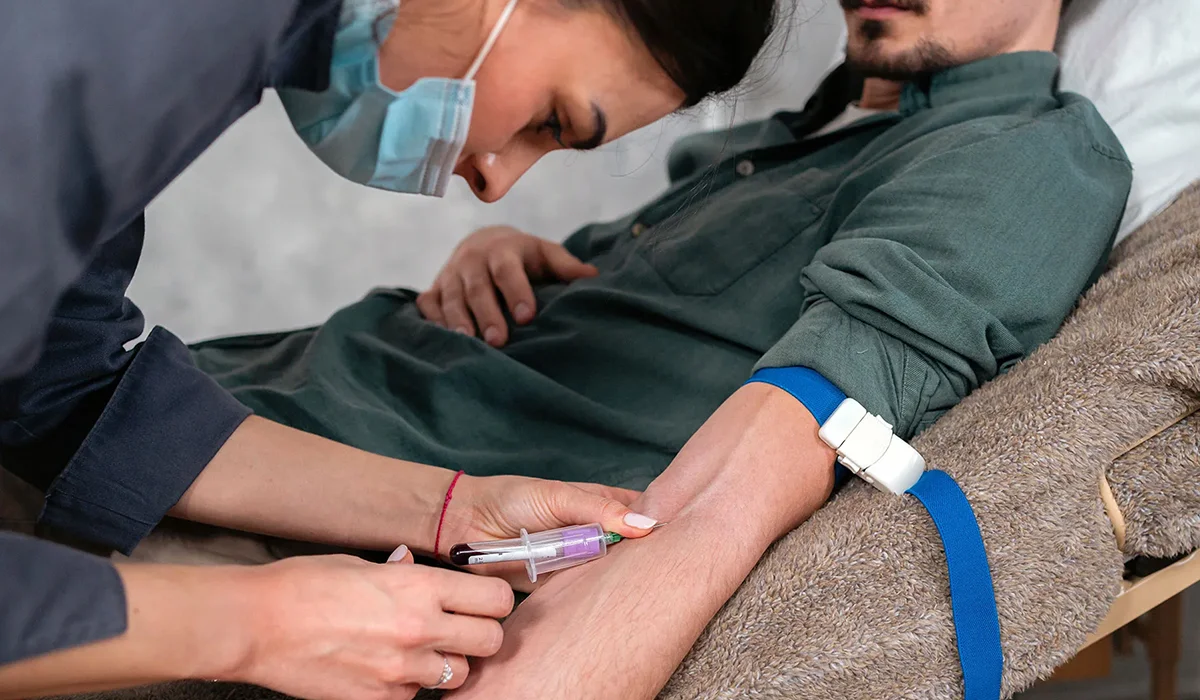

Making husbands’ testing mandatory will strengthen the sense of family responsibility
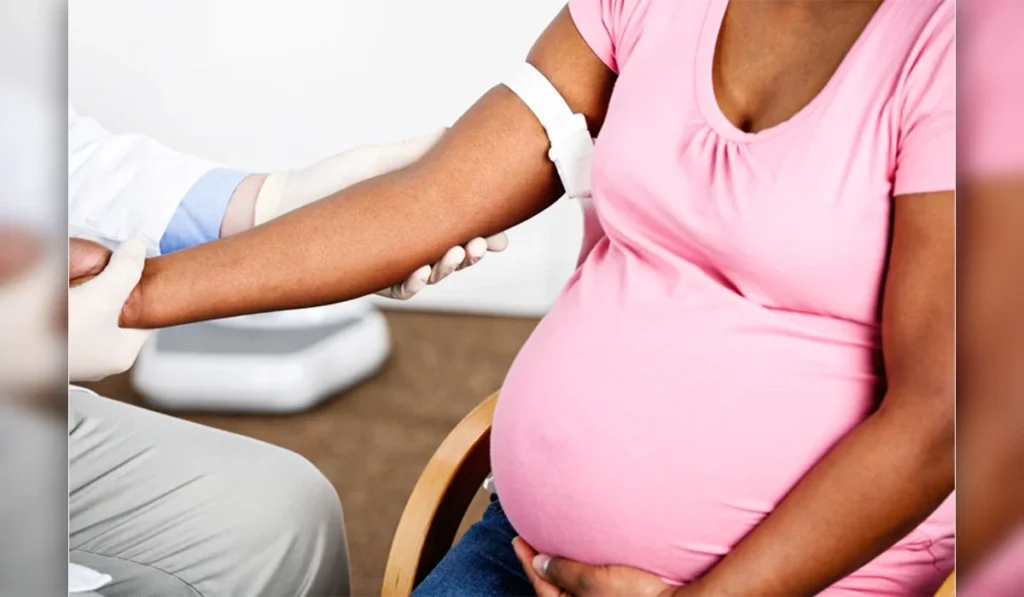
HIV and syphilis are both serious diseases, and timely detection of them is extremely important. Their screening during pregnancy is considered essential for the safety of both the mother and the child.
HIV (Human Immunodeficiency Virus) is a virus that attacks the body’s disease-fighting cells, that is, the immune system. If left untreated, it weakens the body’s defense system so severely that it can no longer fight even minor illnesses. Its advanced stage is known as AIDS. HIV can spread through unsafe sexual contact, transfusion of infected blood, or the use of infected needles or syringes. If a pregnant woman has HIV, it can pass to the baby during pregnancy, childbirth, or breastfeeding. However, if treatment with ART (antiretroviral therapy) is started in time, the baby can be protected.

Syphilis is a serious sexually transmitted infection (STI) caused by a bacterium called Treponema pallidum. In the early stage, painless sores, known as chancre, may appear on the genitals. If left untreated, the disease can damage internal organs such as the brain and heart. It mainly spreads through unsafe sexual contact with an infected person. If a pregnant woman is infected, it can pass to the baby, a condition known as congenital syphilis. This can lead to blindness, bone deformities, deafness, or even stillbirth.
A Revolutionary Step to Prevent Serious Diseases
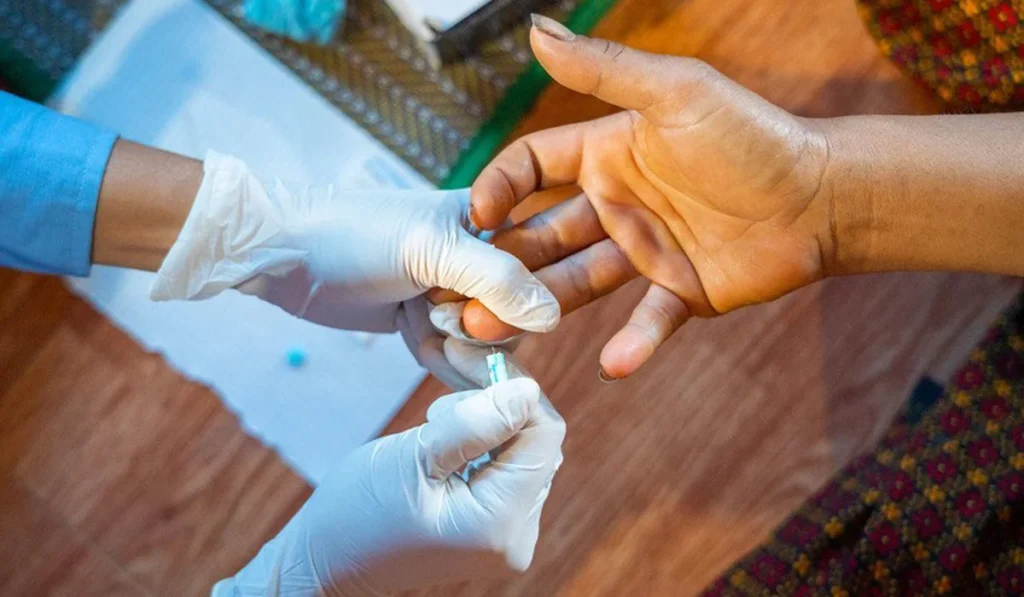
To reduce cases of HIV and syphilis and prevent their spread, the neighboring state of Haryana has now taken a major step. The government has moved to strengthen the public health system and protect future generations from serious diseases through a new health policy. Under this proposed policy, not only pregnant women but also their husbands will now be required to undergo HIV and syphilis testing. The main aim of this initiative is to bring the transmission of these infections from mother to child down to zero percent.
This important policy decision was taken during the 23rd Working Committee meeting of the Haryana State AIDS Control Society (HSACS) held in Chandigarh. The meeting was chaired by Dr. Sumita Misra, Additional Chief Secretary (ACS), Health and Family Welfare Department. During this high-level meeting, there was agreement that testing only women is not enough, and that screening the spouse is equally necessary to address the root of the problem. Dr. Misra directed the concerned departments to prepare and submit the final draft of the policy at the earliest so that it can be implemented on the ground.
A Special Workplace Policy for Working Women
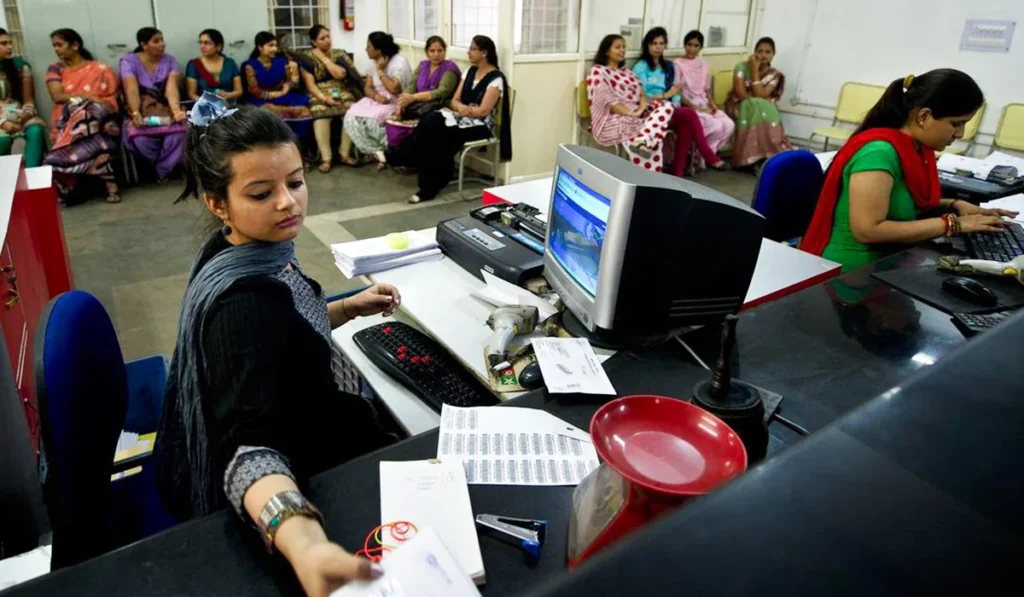
A major part of this new campaign is focused on working women. The government is preparing to implement a “Women Employees Workplace HIV/AIDS Policy.” Under this, awareness camps will be organized in offices and industrial units, and women employees will be informed about the health services and testing required during pregnancy. The government believes that working women often neglect their own health screenings due to busy schedules, which is why such a policy is needed.
Testing Targets and WHO Findings
The National AIDS Control Organisation (NACO) has set a target of around 595,880 HIV and syphilis tests for Haryana this year. However, the Haryana government has gone a step further and plans to conduct 1.2 million tests annually.
Citing the World Health Organization (WHO) 2023 report, health experts said that if HIV is detected during the early months of pregnancy and treatment begins in time, the risk of transmission to the baby can be reduced to less than 2 percent. Including husbands in the testing process will also help identify “silent carriers”, those who may be infected but are themselves unaware of it.
Increase in Budget and Infrastructure
To run this large-scale plan effectively, the Haryana government has made a special budget provision of ₹47.16 crore for the year 2026–27. At present, one laboratory at PGIMS Rohtak is serving 17 districts, and the burden on it is very high. Keeping this in mind, approval has been granted for a new HIV viral load testing laboratory in Panchkula.
A modern digital platform will also be created for monitoring PLHIV (people living with HIV). Through this system, patients will receive voice messages and alerts on their mobile phones so that they do not forget to take their medicines and can get tested on time.
What Are HIV and Syphilis?
According to health experts, both of these diseases are major public health challenges.
HIV is a virus that directly attacks the body’s immune system, weakening its ability to fight infections. If not treated in time, it can develop into AIDS, a life-threatening condition.
Syphilis is a serious bacterial sexually transmitted disease. If a pregnant woman is infected, it can cause severe damage to the baby’s brain, bones, and other organs while still in the womb.
Making Husbands’ Testing Mandatory Will Strengthen Family Responsibility

This Haryana government policy is not limited to medical screening alone. It is also a step toward challenging social stigma and the fear associated with “hidden disease.” Making testing mandatory for husbands will strengthen the sense of shared family responsibility.
Experts believe that such preventive health services will reduce the burden on hospitals in the future and help create a healthier society. Haryana’s effort could also serve as a model for other states in the country.
The government has made it clear that patients’ privacy will be fully protected during this campaign, and all test results will be kept confidential.


Leave a Comment