
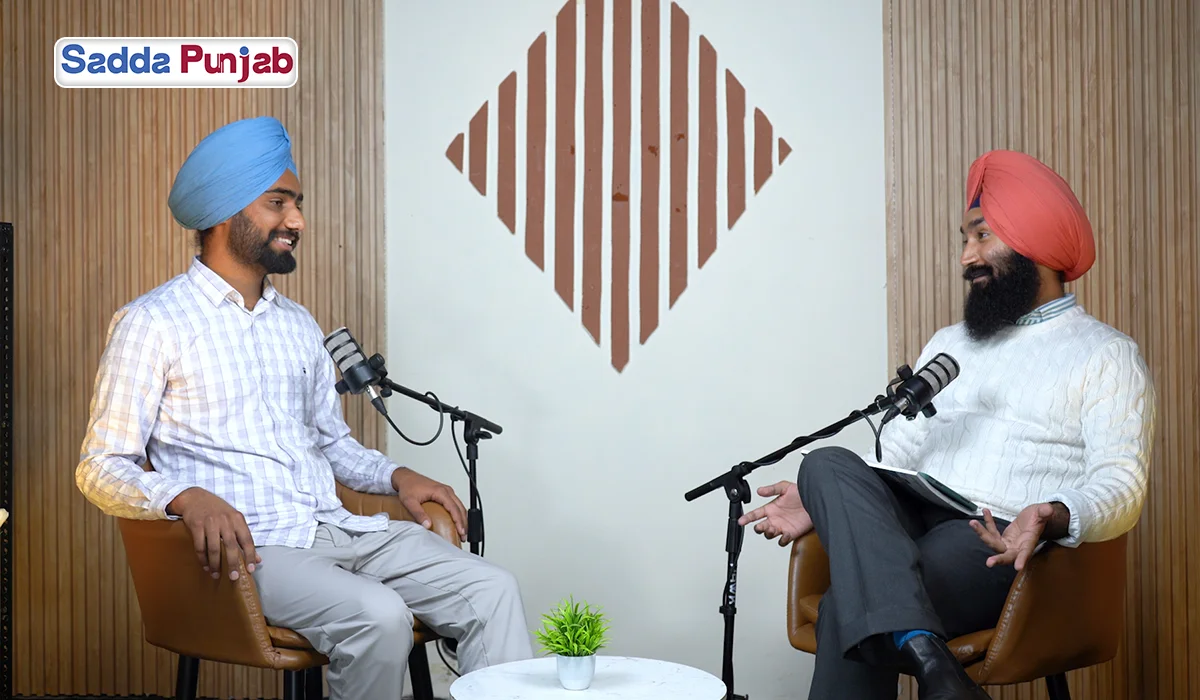

Punjab today stands at a critical turning point. On one side, there is a dominant narrative of despair; on the other, there is hope for a new beginning. The numbers show that Punjab is burdened by debt, struggling with the drug crisis, and falling behind in economic dynamism. But the question is: should we remain trapped in this despair, or should we look for solutions through a scientific and policy-based approach?
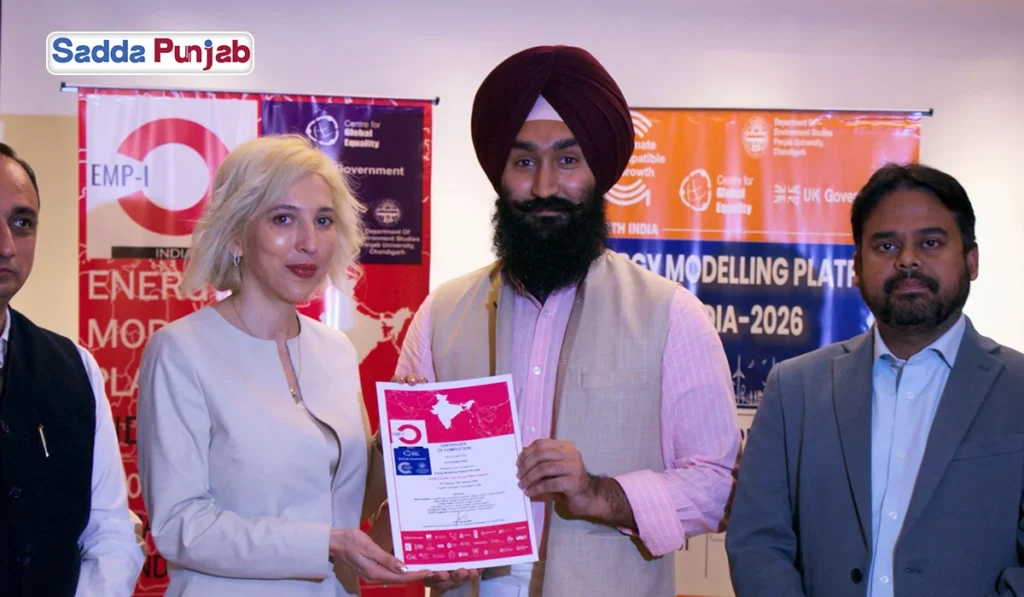
It is to strengthen this very policy space in Punjab that young people like Anmol Rattan Singh are working through the PANJ Foundation, a new initiative.
PANJ Foundation: The Vision of a Sub-National Think Tank
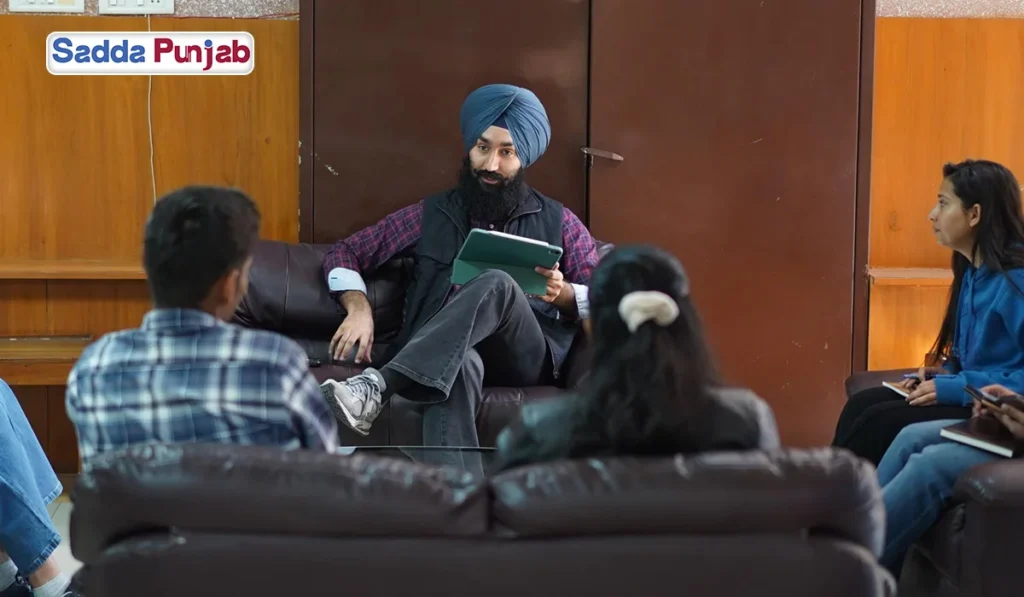
It is often seen that major think tanks in India remain concentrated in cities such as Delhi, Mumbai, or Bengaluru. These institutions often produce broad policy frameworks for the whole country, which do not always align with the ground realities of a distinct state like Punjab.
The main objective of PANJ Foundation is to establish a sub-national think tank in Punjab. PANJ describes itself as a non-partisan, independent research think tank based in Punjab, and says it was set up to provide research-backed inputs for the state’s socio-economic progress.
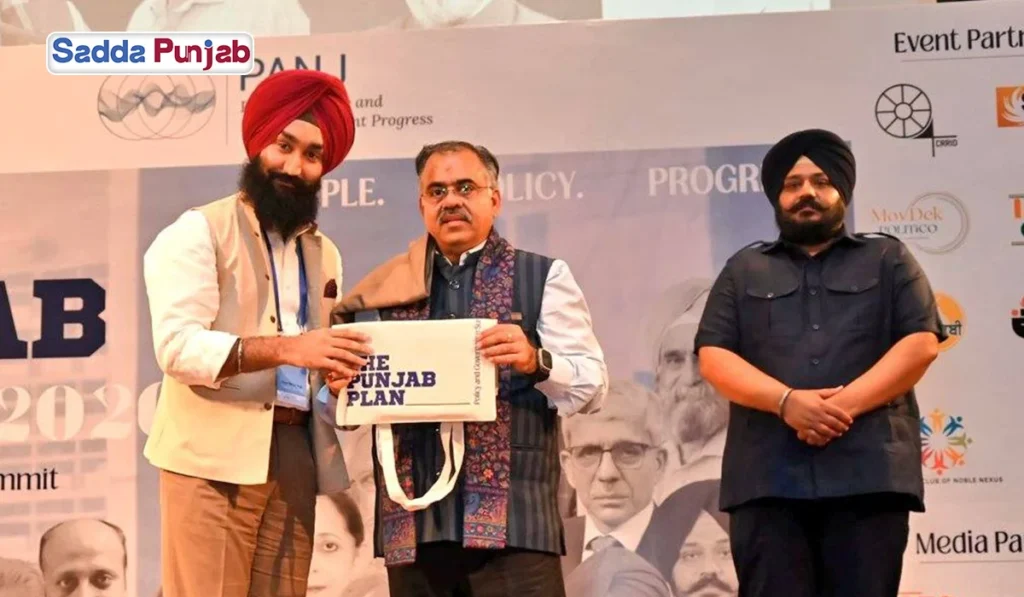
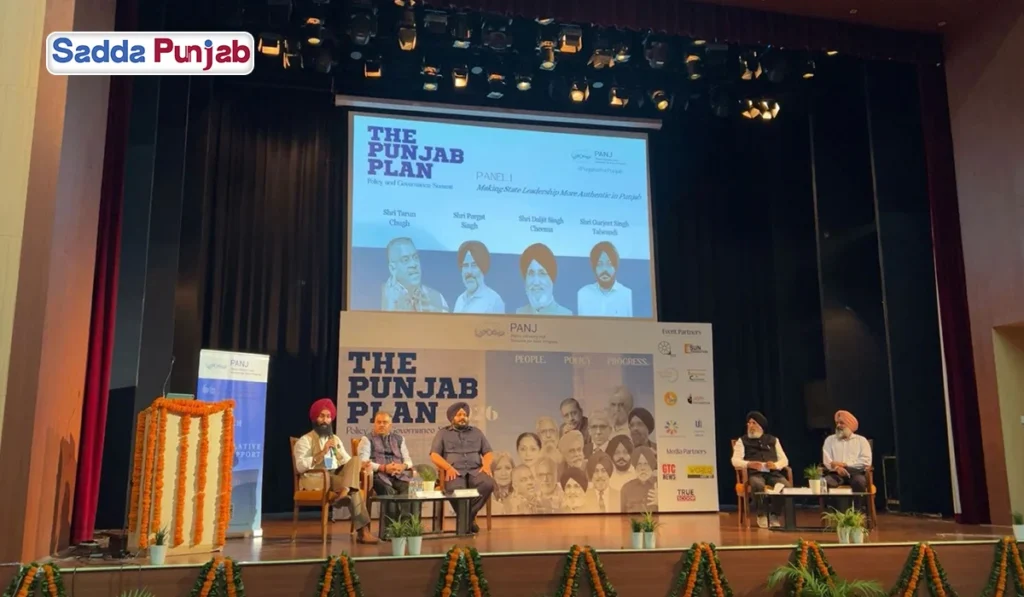
It is not merely a research institution, but a bridge meant to connect Punjab’s intellectuals, experts, and academics with political leadership. Its vision is to address Punjab’s problems through evidence-based policy. PANJ’s recent public initiatives, including The Punjab Plan 2026, also position it as a platform for policymakers, academics, and civil-society actors to jointly shape a roadmap for Punjab.
The Tragedy of Punjab’s Lack of Long-Term Vision
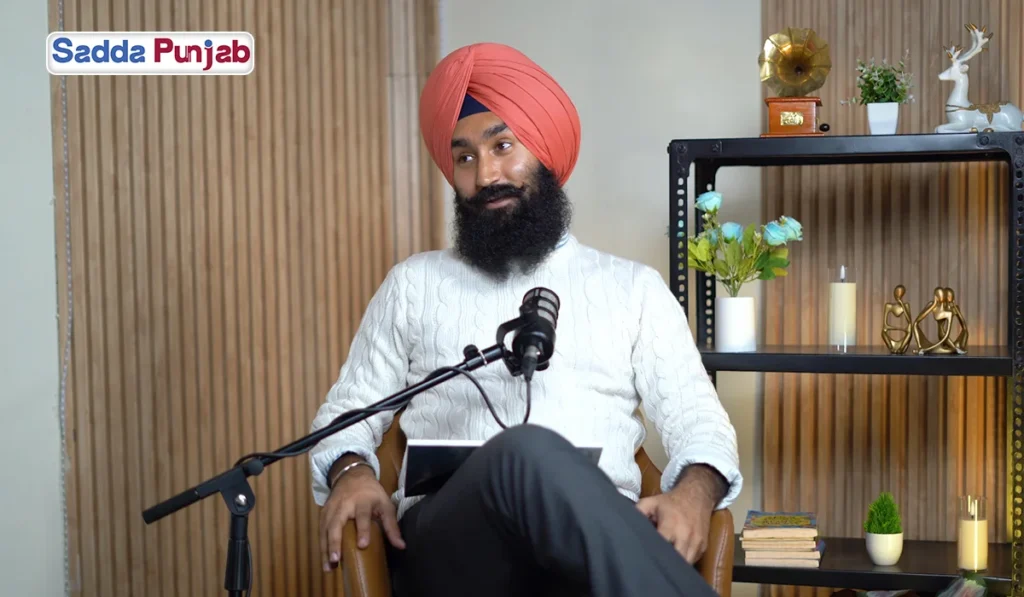
One of Punjab’s biggest tragedies has been the persistent lack of long-term planning. It is not that Punjab lacks experts; rather, their expertise has not been sufficiently integrated into state policy.
The consequences of the last three decades are visible today. Punjab rose through the Green Revolution, but after that it needed structural transition, from agriculture toward manufacturing, diversification, and value addition. Instead, changing political and security conditions shifted public attention away from development. This larger concern about Punjab’s fiscal and structural stress is also reflected in recent assessments by institutions such as NITI Aayog and the CAG, which have flagged persistent debt pressure, deficits, and weak fiscal flexibility.
Data and Narrative: From Survival to Development
Today, when Punjab is discussed, the language often remains defensive: save Punjab, save water, save youth. PANJ’s view, however, is that Punjab must move from a defensive mindset to a developmental one.
The article’s debt claim broadly reflects Punjab’s current fiscal stress, though the exact figure has varied in recent official and political statements. Recent public reporting has placed Punjab’s debt-to-GSDP ratio at roughly 43.7% in the 2023-24 CAG context, while the state finance minister recently cited 44.47%. Older NITI material had placed Punjab at about 47% for 2022-23. So the wider point about heavy debt is valid, but the exact ratio should be updated or sourced clearly in any final publication.
The article also says Punjab is at the top in drug consumption based on NCRB data. That specific phrasing should be treated cautiously unless tied to a direct NCRB or survey citation, because drug-use rankings are often reported through multiple datasets and can be overstated without a source. The broader claim that drug abuse remains a major concern in Punjab is fair, but the ranking should be verified separately before publication.
The larger argument remains that Punjab needs to ask not only how to rescue itself, but how it can return to a path of growth, competitiveness, and ambition.
The Role of Research in Policy: Three Main Points
The role of research in policymaking is not limited to giving advice. It can be understood in three stages:
Evidence-based policy: framing policy on the basis of data and evidence, rather than intuition alone.
Monitoring and evaluation: continuously assessing the real-world outcomes of schemes and policies.
Pre-legislative consultation: consulting citizens and stakeholder groups before laws are enacted.
The purpose of this process is not just to collect numbers, but to turn them into public-oriented solutions. When policies are built on research, they are more likely to focus on long-term social reform rather than short-term political gain. This strengthens administrative accountability and can rebuild public trust, which is essential for a healthy democracy.
The article argues that Punjab has a lot of political consultancy, but too little legislative policy research. PANJ Foundation is presented as an attempt to fill that gap.
Trust Deficit and the Politics of Populism
Another major issue in Punjab is a trust deficit. People often look at the state and its institutions with suspicion. As a result, even well-designed schemes may fail to generate traction if citizens do not trust either the messenger or the implementation system.
At the same time, politics has increasingly shifted toward populism. In the race to distribute subsidies and immediate benefits, long-term economic competitiveness is often neglected. Until Punjab moves beyond that mindset, it will struggle to stay competitive in larger markets.
Youth and the Demographic Shift
The article argues that by 2030 Punjab will be at an important demographic stage, with a very large youth cohort seeking a place in governance and public life. The exact “one-third” figure is not sourced in the text and should be treated as an estimate unless backed by census projections or a demographic study. But the broader point, that Gen Z is becoming a more visible political and social force in Punjab, is supported by recent analysis.
The key challenge, then, is to move this generation away from short-term emotional politics and toward a more solid vision rooted in ideas, institutions, and opportunity. Punjab needs institutional spaces that can channel young people’s intellectual energy in constructive ways.
Institution Building Is the Only Way Forward
Punjab has often looked for a messiah, but real reform will not come through individuals alone. It will come through institution building. The state needs civil-society actors who can explain policy in simple language, hold governments accountable, and create a more informed public culture.
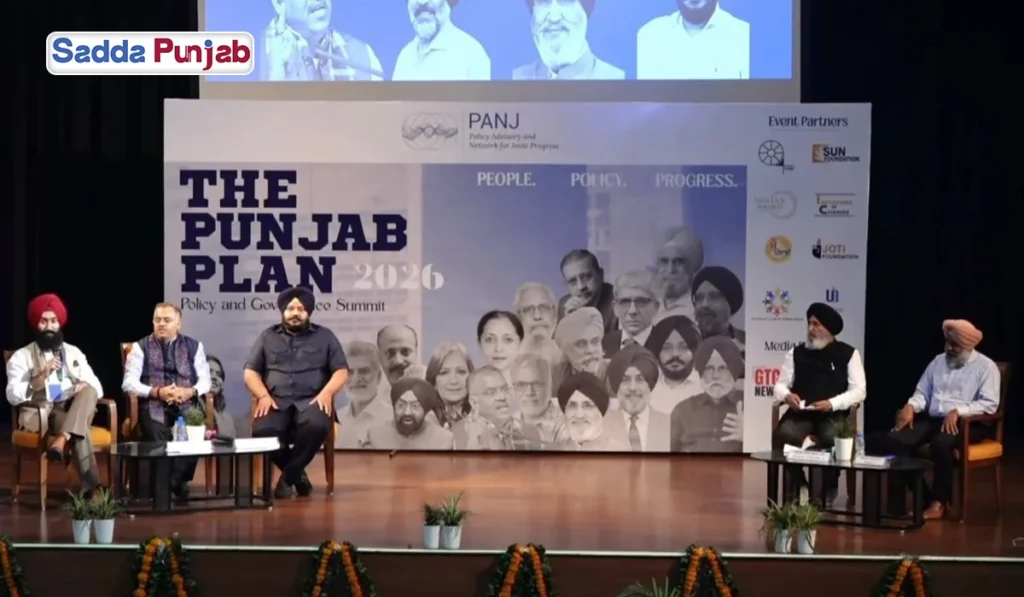
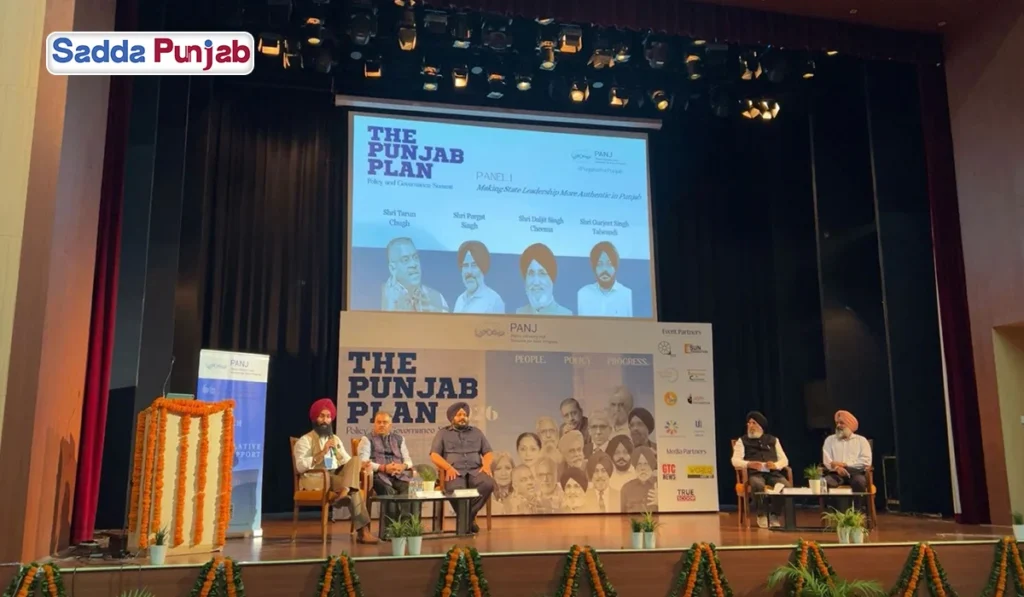
Initiatives such as The Punjab Plan aim to create a platform where governance and long-term vision can be discussed in a structured, non-partisan way.
Punjab’s people are deeply emotional about their land. If that emotional commitment can be connected with sound data and credible policy thinking, Punjab’s development story can begin again.
Now is the time to speak not only about rights, but also about responsibilities toward the state. Punjab does not need more faces; it needs stronger systems. Only when institutional transparency and policy clarity replace personality-driven politics can lasting change and economic prosperity become possible.


Leave a Comment