
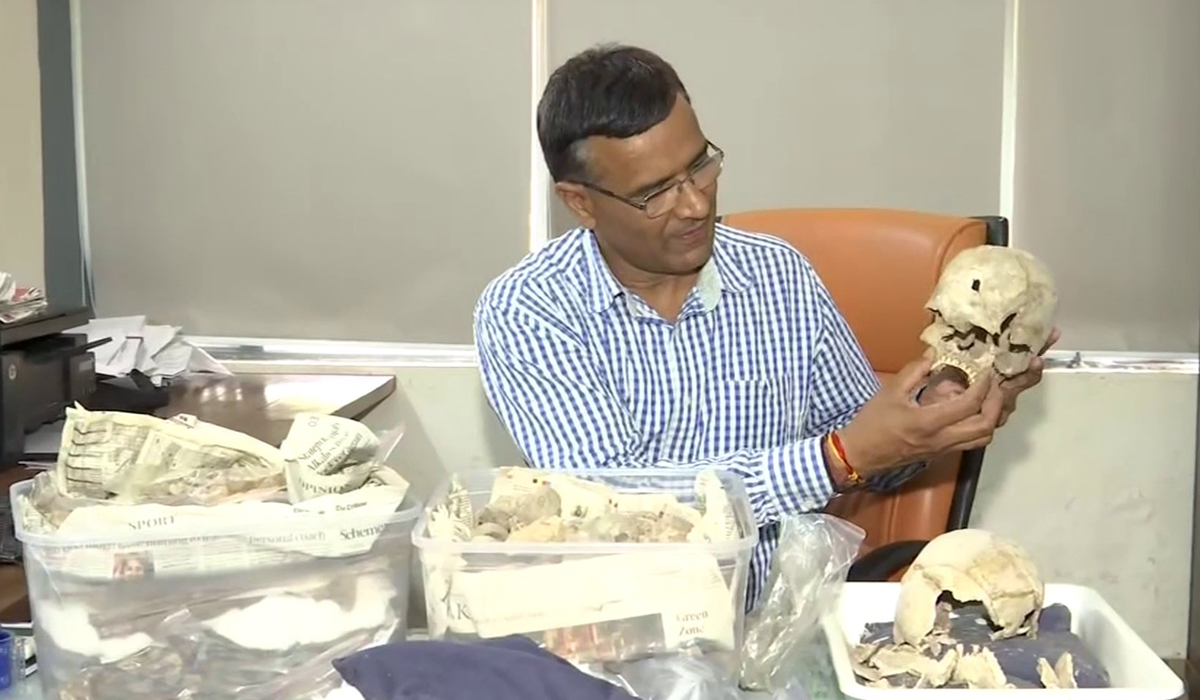

J. S. Sehrawat of Panjab University has been honoured with the rank of Fellow by the American Academy of Forensic Sciences. This recognition, conferred during its recent annual scientific conference, acknowledges his continued contribution to forensic science and his commitment to justice.
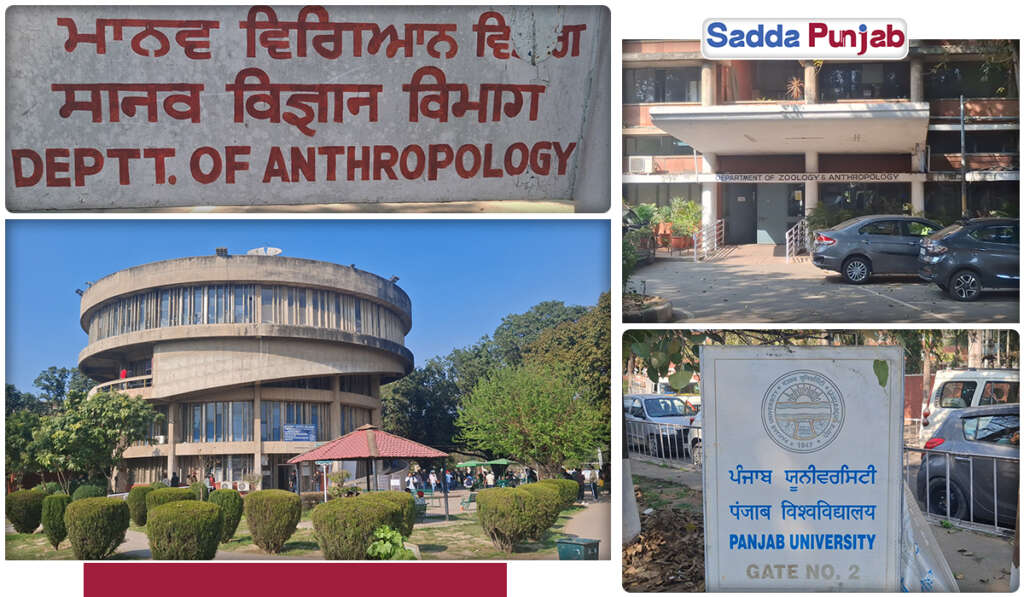
Sehrawat is currently the Chairperson of the Department of Anthropology at Panjab University and has been involved in several important investigations related to human remains. One of the most significant among them is the Ajnala case.
How did the story of the Ajnala case begin?
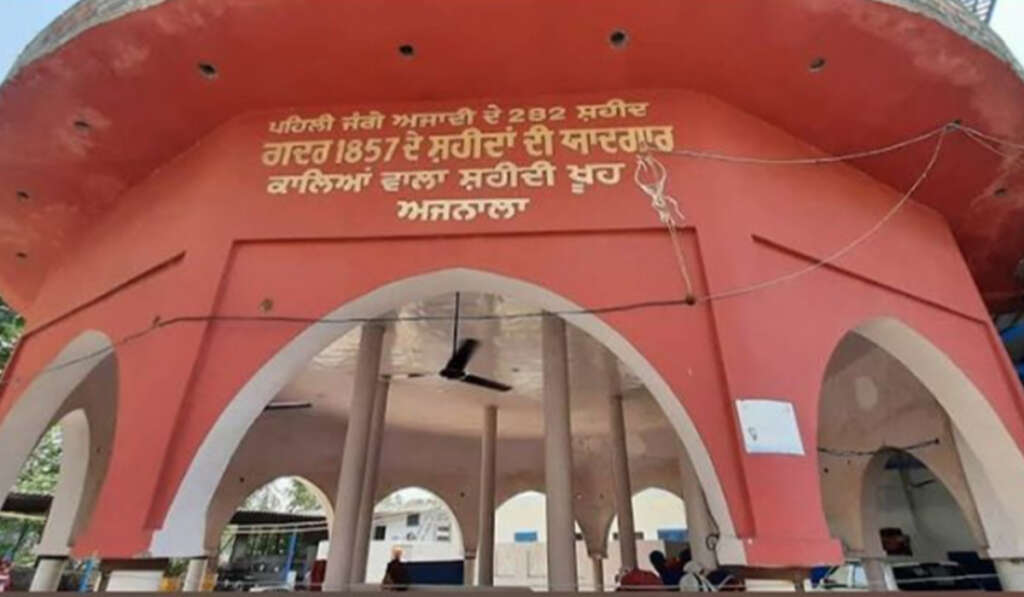
The story begins in 2014, when skeletal remains were exhumed from a well in Ajnala, Amritsar. It was claimed that these were the remains of 282 Indian soldiers killed during the 1857 uprising. Before this, a book found in a museum in London had mentioned that during the revolt of 1857, 282 soldiers were captured and dumped into a well, after which a religious structure was later built over the site. The book had reportedly been written by a British official who served as the Deputy Commissioner of Amritsar in 1858. The remains found at Ajnala have indeed been studied in academic literature as those of unidentified individuals long believed, on historical grounds, to be linked to the 1857 uprising.
Based on the claims in that book, the structure was removed in 2014.
How did the investigation move forward?
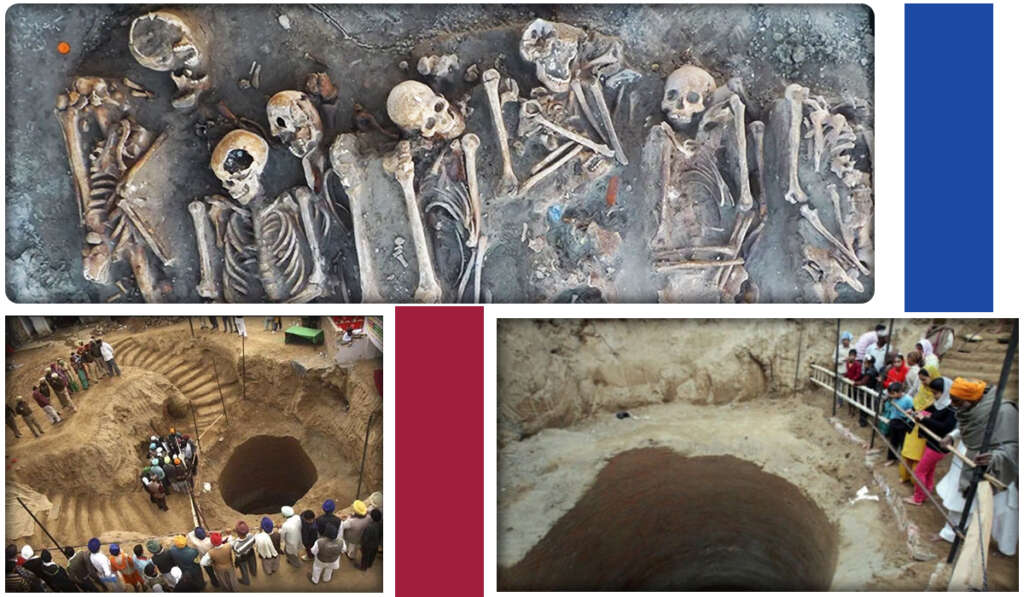
This is where J. S. Sehrawat’s role in the scientific investigation begins. He has said that the Punjab government wrote to initiate a scientific investigation and handed over the material for examination, though the state government also made it clear that it had no funds available for the work.
According to him, the Central Government sanctioned ₹40 lakh for the project. This project detail is reported in recent coverage of Sehrawat’s work, though it would still be best to cite the underlying official sanction if this is being published as a formal reported piece.
The investigation has now taken more than a decade, and several major findings have emerged during this period.
Assistance was taken from multiple foreign laboratories. Tooth powder was sent to a laboratory in Hungary. Mitochondrial DNA was extracted from teeth, jaw fragments, and bones and sent to Hyderabad. Oxygen isotope analysis was carried out to understand dietary patterns, while strontium isotope analysis was conducted to identify the region of origin. Additional tests were performed at Memorial University, Canada, and California State University. Dental health patterns were also compared with remains from other parts of the world. Eventually, investigators also gained access to a skull that had reportedly been sent to Britain as a war trophy. These broad lines of investigation are consistent with published academic work on the Ajnala remains.
Strontium isotope analysis suggested that these individuals were not from Ajnala itself, but from the Indo-Gangetic plains, including parts of eastern Uttar Pradesh, Bihar, West Bengal, and Odisha.
Sehrawat explains:
“What we eat and drink leaves chemical signatures in bones and teeth for centuries. On the basis of those signatures, we can identify a person’s region of origin.”
In such studies, teeth provide crucial clues
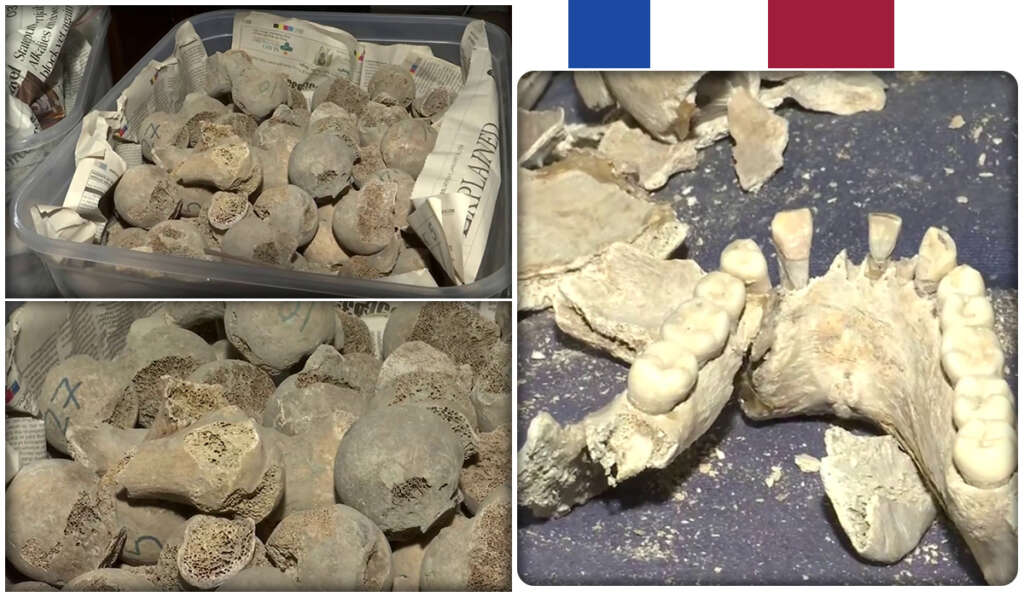
Marks were found on the front teeth of the skeletons, while the back teeth were healthy. This suggested that the soldiers used their teeth to bite cartridge ends, a practice associated with the events surrounding the 1857 uprising.
In 2018, powdered teeth were sent to a Hungarian laboratory for radiocarbon dating. In 2019, the conclusion was that the teeth belonged to individuals who died between 1856 and 1858. The dating range and the effort to use multiple scientific methods have been reported in the published work, though the exact Hungary lab timeline is better treated as a reported detail unless backed by the lab report itself.
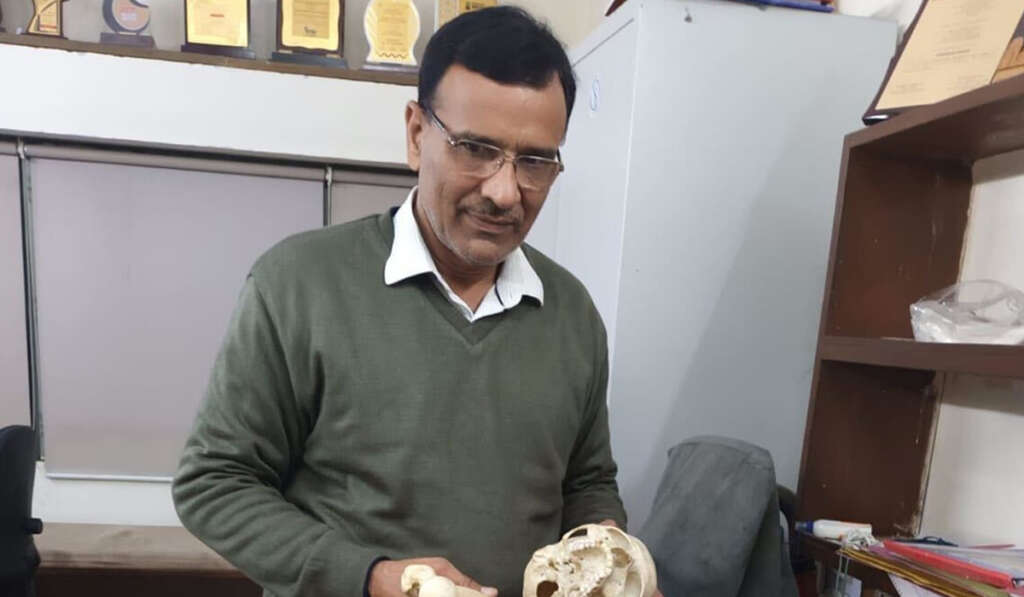
Sehrawat says:
“The chemical signatures of what we eat and drink remain embedded in our bones and teeth for centuries. Based on dietary habits, these markers can indicate where a person lived. Samples from the skeletons were also compared with water, grains, and rocks from the related regions.”
Several other significant findings
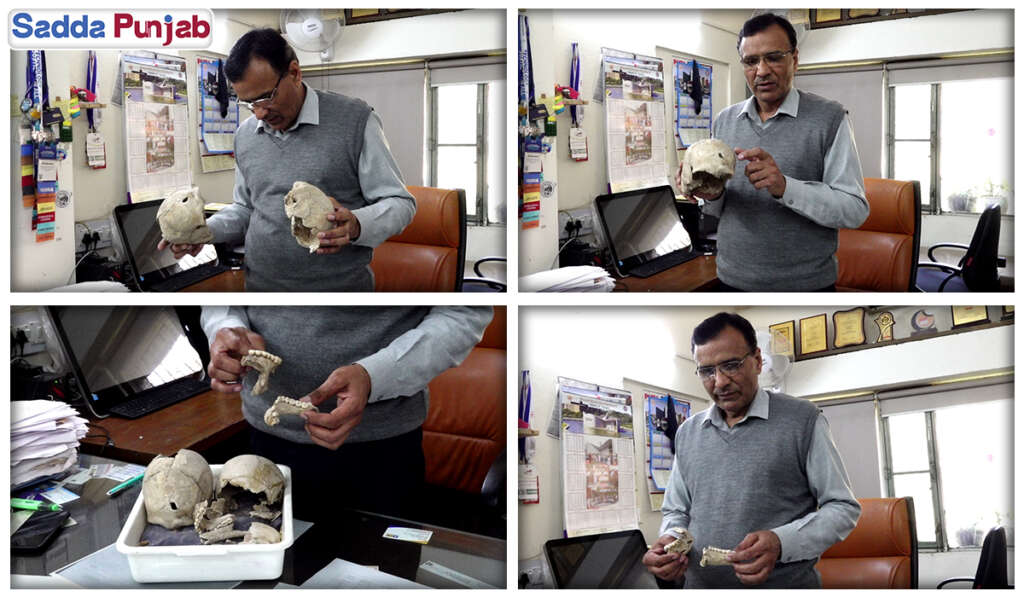
During the investigation, medals and coins dated 1796, 1814, and 1840 were also recovered. Sehrawat says it is believed that the soldiers may have carried these items as proof of service, hoping for a fair trial after the events of 1857.
Sehrawat also says:
“The skull in London that was accessed belonged to Alum Bheg, a rebel soldier associated with Ajnala in 1857. He was arrested months after the killing of the 282 soldiers. His skull was then taken by a British officer as a war trophy to England, where it eventually remained in the possession of a British family.”
That broader account of Alum Bheg’s skull in Britain is well documented in historical reporting, though it is separate from the 282-well remains and should be presented carefully to avoid implying he was one of the 282.
Sehrawat’s journey
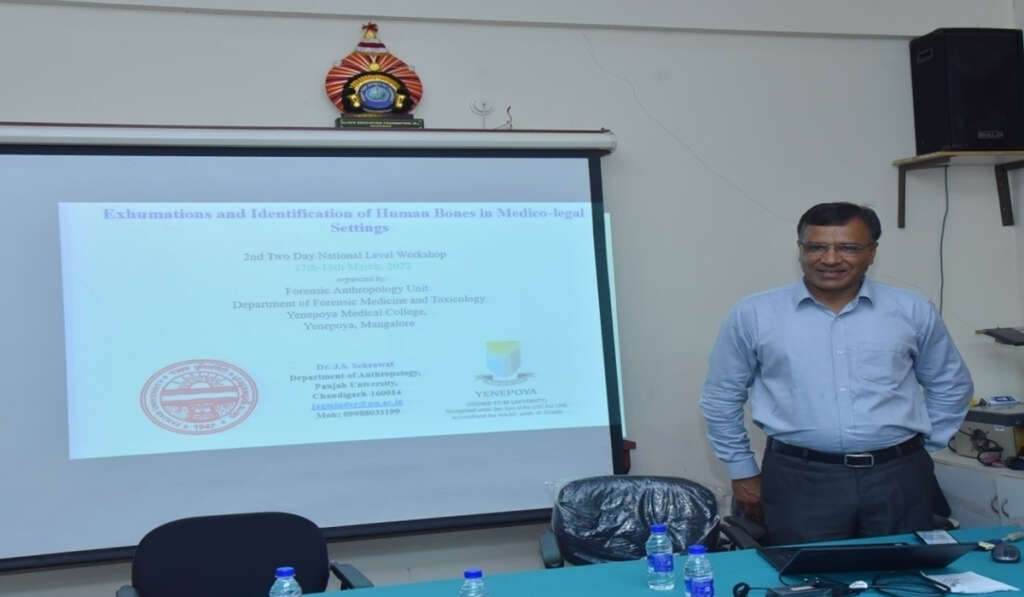
Sehrawat was born into a farmer’s family in Kila Zafargarh village in Jind district, Haryana. He received his early education in a government primary school and completed his secondary schooling at Jat High School, Rohtak. He completed his postgraduate studies at Maharshi Dayanand University, Rohtak.
After serving for nearly a decade as a forensic anthropologist at Government Medical College and Hospital, Chandigarh, he joined Panjab University in 2012 as an Assistant Professor. This career arc is also reflected in recent reporting on his recognition.
Panjab University Vice-Chancellor Prof. Renu Vig said that it is a matter of pride and happiness to see members of the university community receiving recognition at the global level. She said such an honour reflects the university’s continued academic excellence and commitment to quality scholarship. Renu Vig is indeed the Vice-Chancellor of Panjab University.
However, Sehrawat considers his work incomplete until the martyrs are connected to their original homes:
“We know that Alum Bheg was from Kanpur, but the native places of the 282 soldiers remain unknown. Our work is still ongoing.” Recent coverage also notes that the effort to trace the origins, and potentially descendants, of those linked to the Ajnala remains is continuing
Leave a Comment