
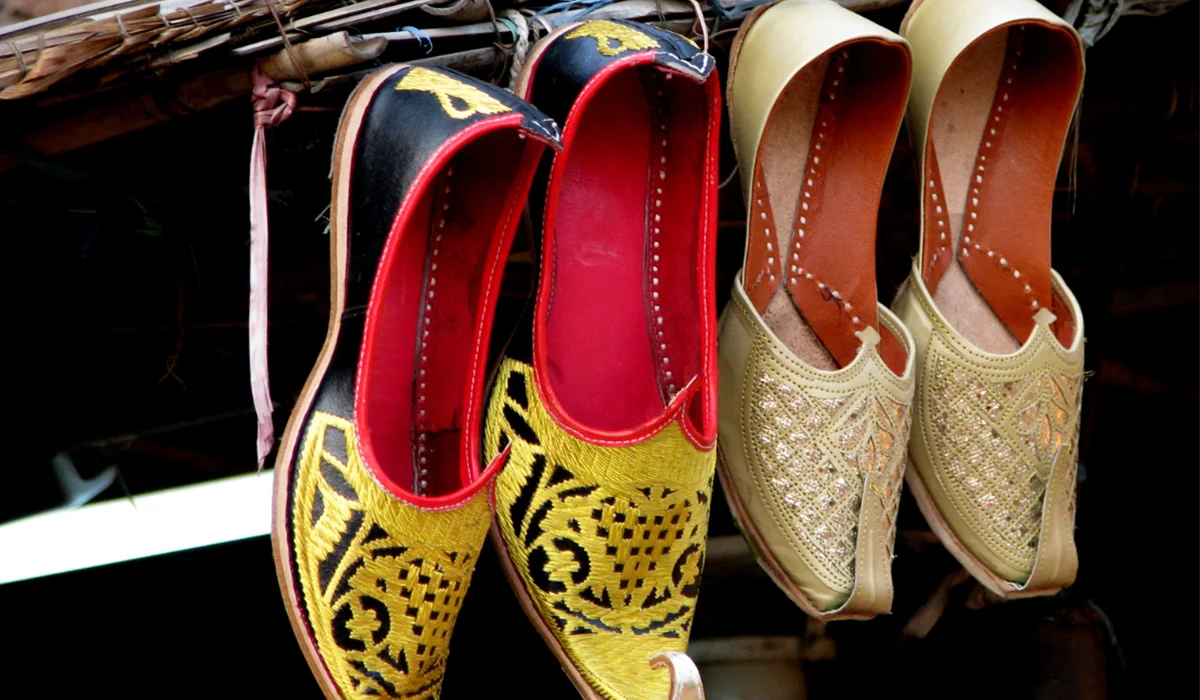

Patiala is a royal city of Punjab which is known for its magnificent heritage and traditional art that has been going on since the time of the kings and maharajas. In which buildings like Qila Mubarak and Sheesh Mahal, religious places like Gurdwara Dukh Niwaran Sahib, Phulkari, Patiala Shahi Salwar, Patiala Shahi Turban and especially its world famous Patiala Shahi Jutti are the identity of this city. Patiala Shahi Jutti is not just a dress but is the pride of Punjab and Patiala and is the identity of Punjabi art. Its origin is believed to be from the royal courts of Patiala, where the kings and maharajas considered wearing it a symbol of their glory. To know and understand this subject more closely, we reached the shoe market of Patiala, where not one or two but hundreds of shops and workers are struggling to keep this traditional heritage and business alive.
Historical Facts

A look at history reveals that many families and artisans have been associated with this business for generations, the grandfathers and great-grandfathers of these artisans belonged to the Jinagar community in Rajasthan. Who were invited by the King of Patiala, Maharaja Bhupinder Singh from Rajasthan to make horse saddles. These saddles were made of leather. After this, they also started making leather shoes for the royal families, which are still famous as Patiala royal shoes.
Basic process of making
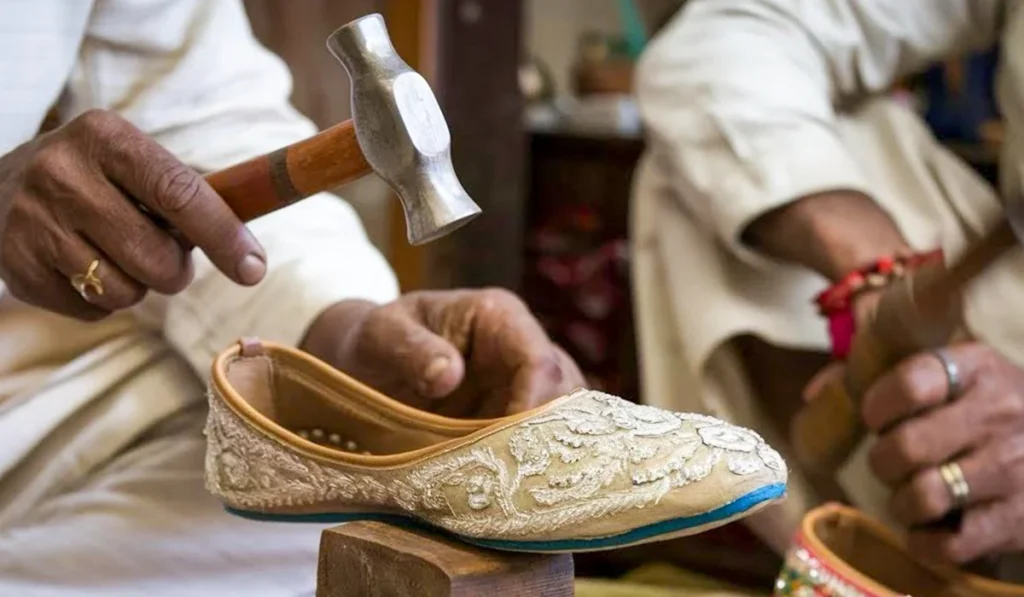
Even today, Patiala Shahi Juttis are largely handmade using traditional techniques. Whether crafted from leather, fabric, silk, velvet or modern materials, the core process remains the same. Depending on design complexity, a single pair may take several days or even weeks to complete.
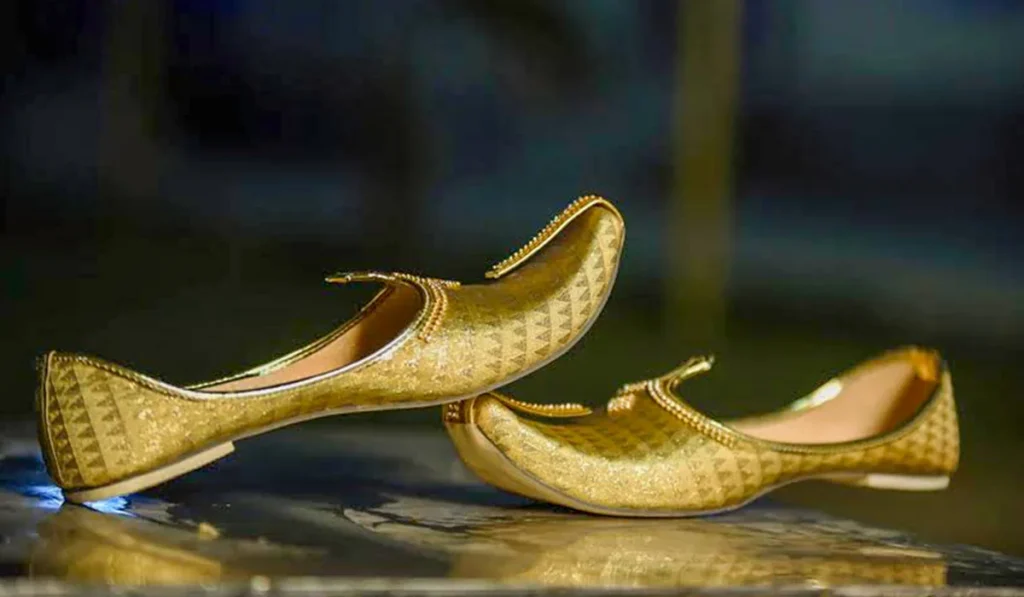
The process begins with preparing a pattern according to foot measurements. The upper portion is cut and decorated before stitching. This decoration may include zari embroidery, phulkari motifs, mirror work, beads, sequins, printing or hand painting, all of which contribute to its royal appearance. Once the upper is ready, it is stitched and attached to a thick leather or rubber sole using stitching or adhesive. The distinctive upward-curved toe remains the most recognizable feature of the Patiala Shahi Jutti.
Economic and Livelihood Impact
The decline of Patiala Shahi Jutti is not just a cultural loss but also a livelihood crisis. Hundreds of families depend on this craft for survival. Without institutional support, training programs and fair market access, artisans are forced to abandon their traditional skills.
Need for Policy and Market Support
To protect this heritage, there is an urgent need for government intervention through craft clusters, design innovation support, e-commerce integration and possible Geographical Indication (GI) protection. Awareness among consumers about handmade products can also play a crucial role.
Revival Through Modern Design
A blend of traditional craftsmanship with contemporary designs, sustainable materials and global marketing can help revive Patiala Shahi Jutti. Fashion designers, startups and cultural institutions can become key partners in this revival.
The era of competition and a matter of concern
But in today’s time, they are competing with machine-made footwear, which is easily available at very cheap prices and in various designs. Due to which there is a huge decline in the demand and sales of Patiala royal shoes. The decline of this art and heritage is truly a matter of concern. As a result, the number of artisans who make it is decreasing and the new generation is no longer taking as much interest in this heritage profession. If this trend continues like this, then this invaluable heritage will gradually disappear. Therefore, today there is a great need for serious efforts at the government, social and institutional levels to save this heritage. So that this art can be saved and passed on to the next generations.


Leave a Comment