


In Punjab, agriculture is not merely an occupation, it is a way of life. Punjab is not only an agrarian state but also the nation’s annadata, the provider that feeds the country. Whenever the nation faces hardship, it is the farmer or the Punjabi, if you will, who stands at the forefront. Yet today, this agrarian state is grappling with multiple crises. Punjab’s groundwater levels are continuously declining, while farmers’ debt is increasing day by day. Although farmers themselves share part of the responsibility, large-scale ecological degradation and excessive use of chemical inputs have pushed them deeper into debt.
Agriculture in Punjab is not a recent phenomenon. For centuries, crops have been cultivated on this fertile land. Earlier, wheat and paddy were not dominant; Punjab grew cotton, mustard, maize, pearl millet, sorghum, sesame, sugarcane, and several other crops. As understanding evolved, governments intervened, the Green Revolution arrived, and Punjab’s entire agricultural system was transformed.
Under the Green Revolution, large-scale tube wells were installed, and wheat–paddy cultivation was encouraged. Although wheat was not widely grown earlier, after the Green Revolution, wheat and paddy cultivation expanded massively. Government procurement ensured assured prices, and farmers were lured with higher returns. At the same time, they were encouraged to use chemical fertilizers. In the pursuit of higher yields and driven by temptation, farmers unknowingly poisoned their own land. As a result, numerous diseases began affecting humans as well.
Today, farmers are trapped in a rigid cropping cycle. More than 90% of Punjab’s farmers remain locked in the wheat–paddy cycle. Only about 10% have shifted towards maize, pulses, oilseeds, and horticulture. Where diversification has occurred, water conservation has improved and environmental damage has been reduced.
Continuously Falling Groundwater Levels
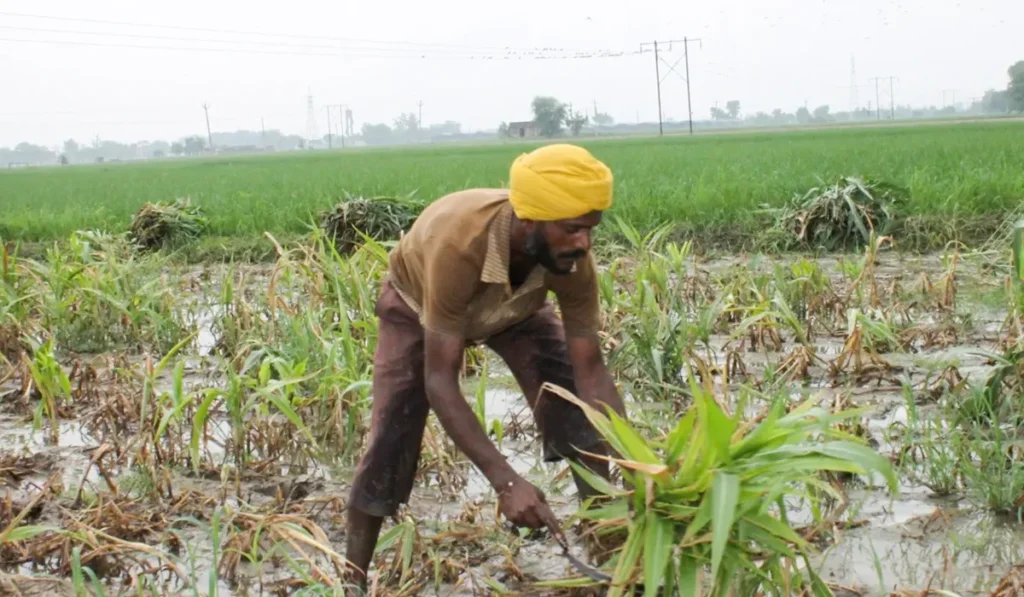
Punjab’s gravest crisis today is groundwater depletion caused primarily by paddy cultivation. Day by day, groundwater levels are falling, and in many areas, water has become toxic due to chemical fertilizers. Industrial pollution also contributes, but blame is most often placed solely on farmers.
According to Punjab Agricultural University (PAU) research, between 1998 and 2018, groundwater levels fell by 3 to 10 metres, and nearly 30 metres over two decades. In 19 districts, groundwater drops by about one metre annually. Although recent efforts by universities, agriculture departments, and governments have slowed the decline, most districts still lose about half a metre per year.
Debt Burden and Farmer Suicides

Rising input costs – seeds, fertilizers, diesel and inadequate crop prices have increased farmers’ debt instead of reducing it. Despite higher production, farming losses are growing. Many farmers have been driven to suicide.
According to a 2016 PAU report, 73 farmers committed suicide in Punjab in 2000, rising to 98 in 2014. Nationally, farmer suicides declined from 16,603 in 2000 to 12,360 in 2014. However, NCRB data shows Punjab farmer suicides increased to 239 in 2019, while India’s total stood at 5,957.
In 2018 alone, 323 farmers and farm labourers in Punjab died by suicide due to debt and financial distress almost one per day. Experts believe these figures are underreported, as many cases never reach police records.
Declining Soil Fertility

One of Punjab’s major challenges is declining soil fertility. Continuous use of chemical fertilizers and pesticides has degraded soil health effectively burning the earth that feeds us. Food contamination has become normalized, but poisoning what we eat inevitably damages human health and the land alike. Climate instability untimely rainfall, hailstorms, and rising temperature has further increased crop losses.
Lack of Fair Crop Prices
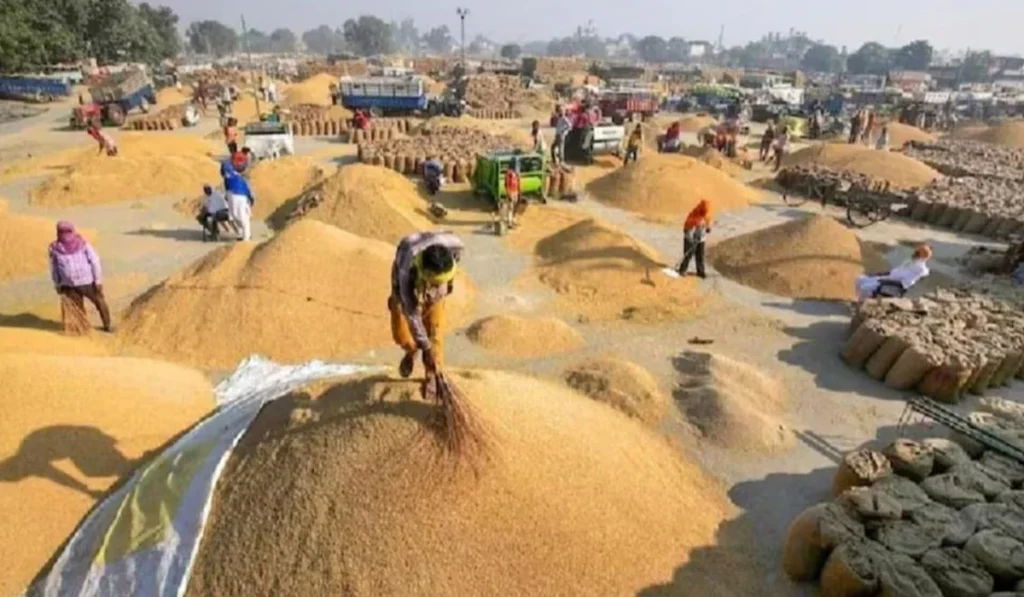
Punjab farmers receive Minimum Support Price (MSP) mainly for wheat and paddy. For other crops, MSP is either absent or unreliable. Farmers believe that if MSP were assured for alternative crops, they could exit the wheat-paddy cycle and save Punjab’s water, air, and soil. However, weak marketing systems prevent diversification. Despite higher demand for pulses, maize, and vegetables, farmers hesitate to grow them due to price uncertainty.
What Is the Way Forward?

There is no instant solution. But shifting from wheat–paddy to maize, pulses, oilseeds, and horticulture can gradually ease these crises. This would conserve water and increase incomes. Collective ownership of farm machinery, direct-to-consumer sales, and reduced dependence on middlemen can lower costs.
Allied activities such as dairy farming, beekeeping, and fisheries can supplement farm income. However, such transitions require time, institutional support, and policy backing.
To address farmer problems at their roots, action must begin now. Governments must formulate policies with farmers, not for them alone. Most farmers want to diversify, but lack support from agricultural institutions and marketing systems. As a result, farmers remain indebted, land continues to degrade, groundwater declines, and crises deepen.
While Punjab’s Agriculture Minister Gurmeet Singh Khuddian has initiated efforts and agricultural fairs are being organized, these initiatives will bear fruit only if they genuinely help farmers break free from the crop cycle, conserve natural resources, and earn sustainable incomes.



Leave a Comment