
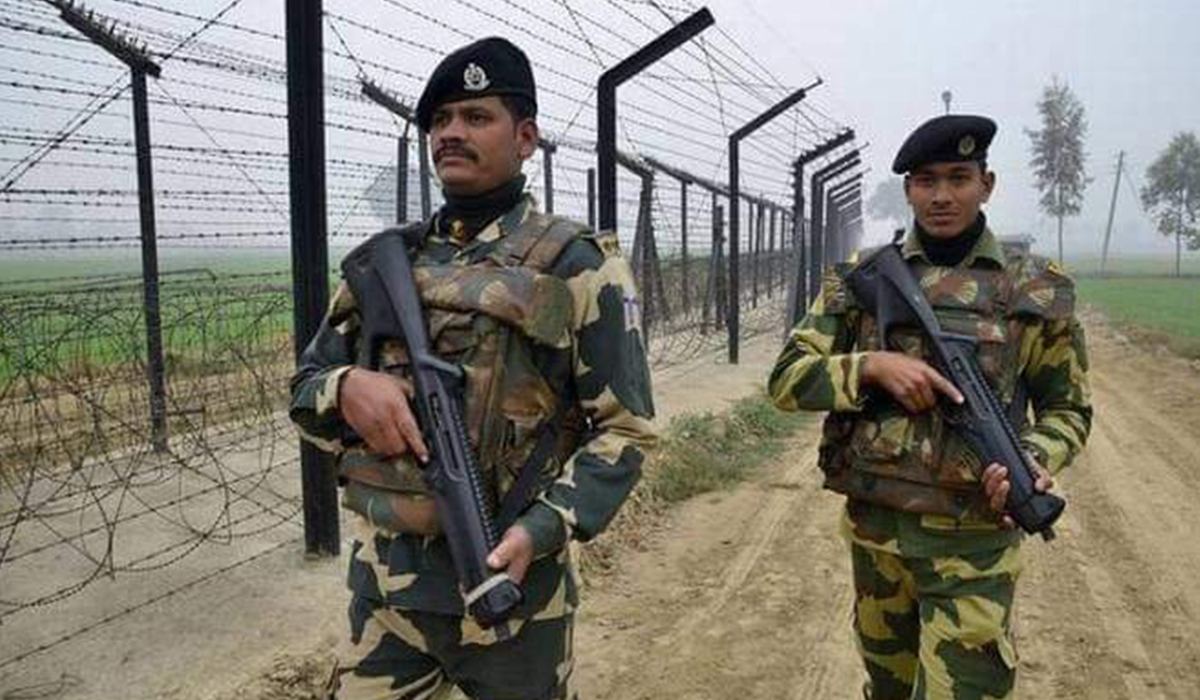

Security agencies often face serious challenges along the 553-kilometre-long international border between Punjab and Pakistan. These challenges are not limited to Punjab or the central government alone; they concern the entire country. To deal with them firmly, security forces—particularly the Border Security Force, with support from other agencies—remain vigilant day and night.
Given India’s borders with China, Myanmar, and Bangladesh, constant vigilance is necessary on all fronts. However, along the Punjab border, Pakistan repeatedly attempts provocative actions, sometimes directly and sometimes through indirect means. The security forces therefore remain prepared at all times to respond appropriately.
Punjab has a population of approximately 3.17 crore, of which around 58 percent are Sikhs and about 38 percent are Hindus (Sanatan). The remaining population includes Muslims, Christians, and people of other faiths. Hindus and Sikhs have lived together here in close harmony for generations. However, in the last few decades, deteriorating conditions in the state have at times attempted to create divisions between communities. The turbulent period of the 1980s and 1990s cast a long shadow over Punjab. Despite this, the state has never lacked wise and socially conscious people, due to whose efforts mutual brotherhood among all religions has largely been preserved.
Drugs Have Destroyed a Generation
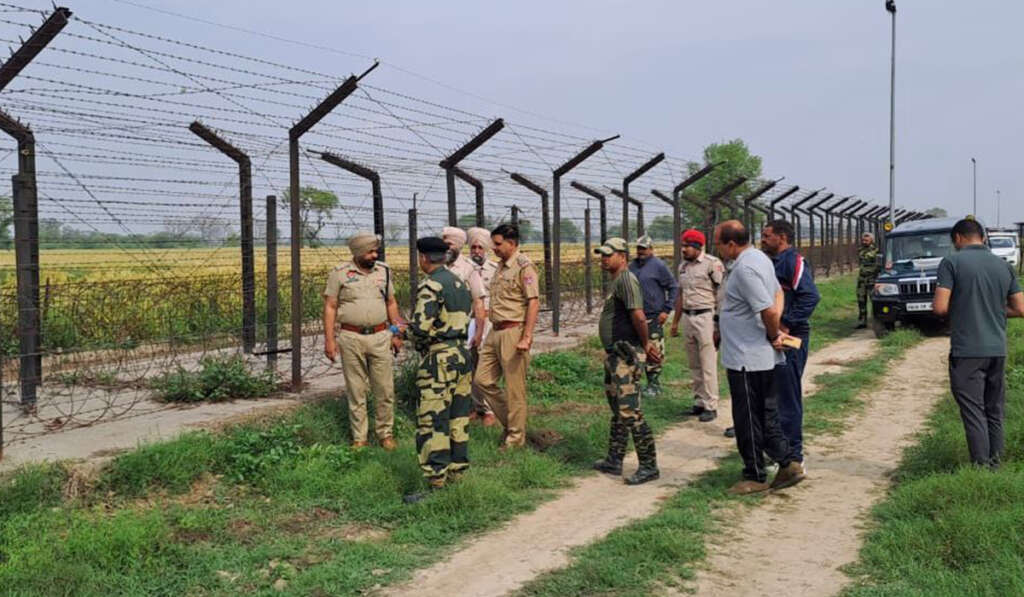
Taking advantage of Punjab’s troubled periods, elements from across the border exploited the situation, particularly targeting the youth. Alongside rising separatist sentiments, illegal drug trafficking gained momentum, creating a major challenge for security agencies.
Punjab, once known as a land of prosperity—where athletes, especially wrestlers, earned international recognition—has seen drugs seep into the lives of many young people. Questions such as how drugs enter the state, where they come from, and who controls this network have been raised repeatedly. Governments have changed over time, often turning the issue of drugs into an election matter.

While promises are made during every election, action is often perceived as limited to smaller offenders, while major players remain beyond reach. As a result, drugs appear deeply intertwined with the state’s politics. Smuggling of drugs and weapons using drones from across the border has emerged as a persistent challenge. Heroin, synthetic drugs, weapons, and ammunition are frequently recovered, with such activities increasing significantly during the foggy winter season.
During election periods, the inflow of drugs is believed to rise further. To counter this, not only do central security forces maintain heightened surveillance in Amritsar, Tarn Taran, Gurdaspur, Ferozepur, and Fazilka, but police units in Bathinda also remain alert along the borders of Haryana and Rajasthan. At times, the scale of the problem creates confusion over whether the threat originates from outside the country or from within. Public trust in political parties has suffered, with allegations that drug supply is sometimes used to influence voters.
Terrorism as a Persistent Threat
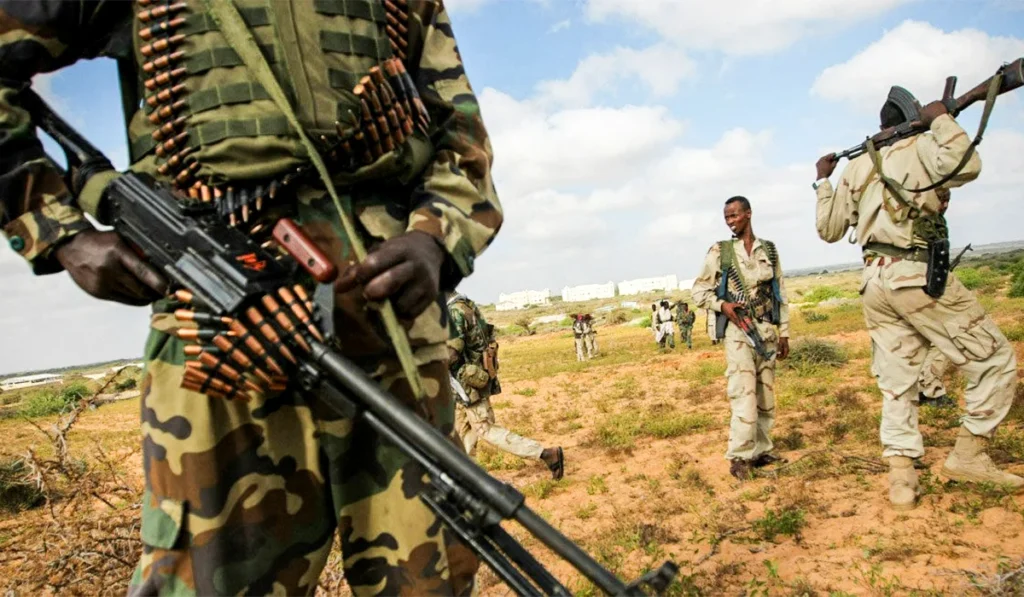
Among all challenges, terrorism remains the most serious concern. Both cross-border and internal security threats demand constant alertness. Despite strict vigilance, attempts are made to infiltrate or activate hostile elements, some of whom are neutralised while others manage to escape after carrying out their objectives.
Pakistan consistently denies any involvement in such activities. However, Indian intelligence agencies have repeatedly indicated the role of Pakistan’s intelligence agency, the ISI, in supporting and directing such operations. According to security assessments, efforts are made to destabilise India through land and maritime routes, with Punjab being one of the targeted regions.
These elements also attempt to revive separatist narratives, including the Khalistan issue, by trying to influence vulnerable youth. Security experts believe that external support to Pakistan—historically from various international sources and more recently through closer regional alignments—has contributed to these challenges, with the intention of keeping India engaged in internal security matters.
Despite these efforts, the vigilance and coordination of Indian security agencies have, in most cases, succeeded in preventing major incidents and responding effectively.
Measures to Address Border-Area Challenges

The BSF, in coordination with the Punjab Police, continues to conduct joint operations to counter smuggling and infiltration. Awareness campaigns are regularly organised to encourage villagers to report suspicious activities. Alongside enforcement, rehabilitation programmes aim to help drug-affected youth return to the mainstream, and anti-drug education has been introduced in school curricula.

The central government allocates substantial resources for border security, while the Punjab government has announced steps to make the state a comprehensive anti-drone surveillance zone. These measures include the deployment of anti-drone systems, installation of AI-enabled cameras, and the formation of village defence and vigilance committees.
The state government has also claimed to allocate a special budget of ₹20 crore for the deployment of Home Guards and other security arrangements in border areas.


Leave a Comment