
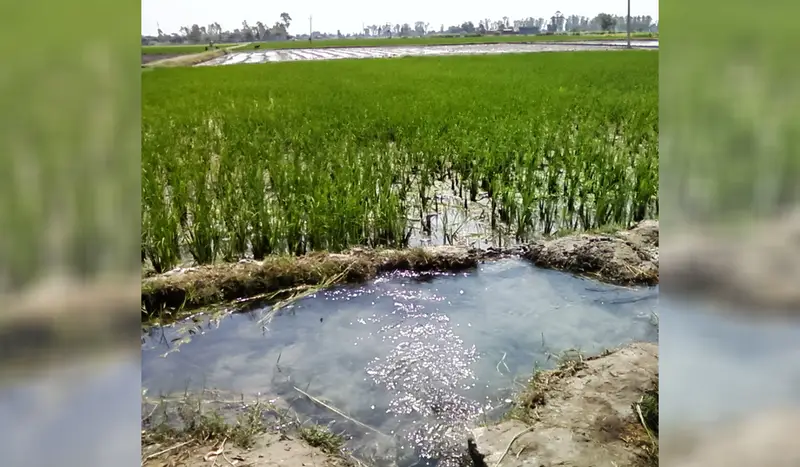

Punjab, which is called the ‘Land of Five Waters’, is today facing a serious crisis of its most precious natural resources, water and soil. The Green Revolution made this land the country’s grain storehouse, but today the same land is full of poison. According to the reports of 2025, not only is the groundwater in Punjab depleting rapidly, but even the remaining water is no longer drinkable. The problem of water contaminated with heavy metals like uranium is so serious that uranium has been found to be above the safety limit in 62.50% of Punjab’s samples. This crisis is not only related to the environment, but also to the health and existence of Punjab’s future generations.
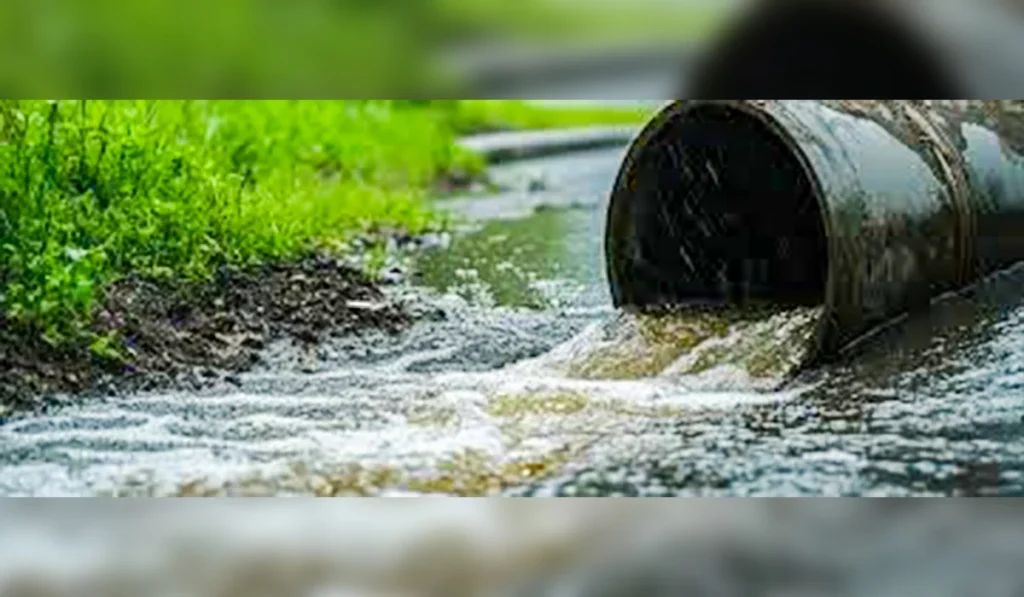
How is water and soil getting polluted?
Punjab’s groundwater is being extracted at a rate of 156.87%, which is the highest in the country. Water levels are falling rapidly due to water-intensive crops like paddy. Also, industrial pollution and chemical farming are leaching uranium, nitrates and heavy metals into the water. Soil is also losing its fertility due to excessive use of chemical fertilizers and pesticides. This poison is also seeping into the groundwater through rainwater, completely contaminating the food chain.
Why uranium appears in Punjab’s groundwater
Scientific studies suggest that uranium in Punjab’s groundwater is largely geogenic (naturally occurring), released from underground rock formations due to excessive groundwater extraction. Over-pumping alters groundwater chemistry, allowing uranium to dissolve into drinking water. This process is worsened by nitrate pollution from fertilizers.
Main factors responsible for spreading pollution (Who is responsible?)
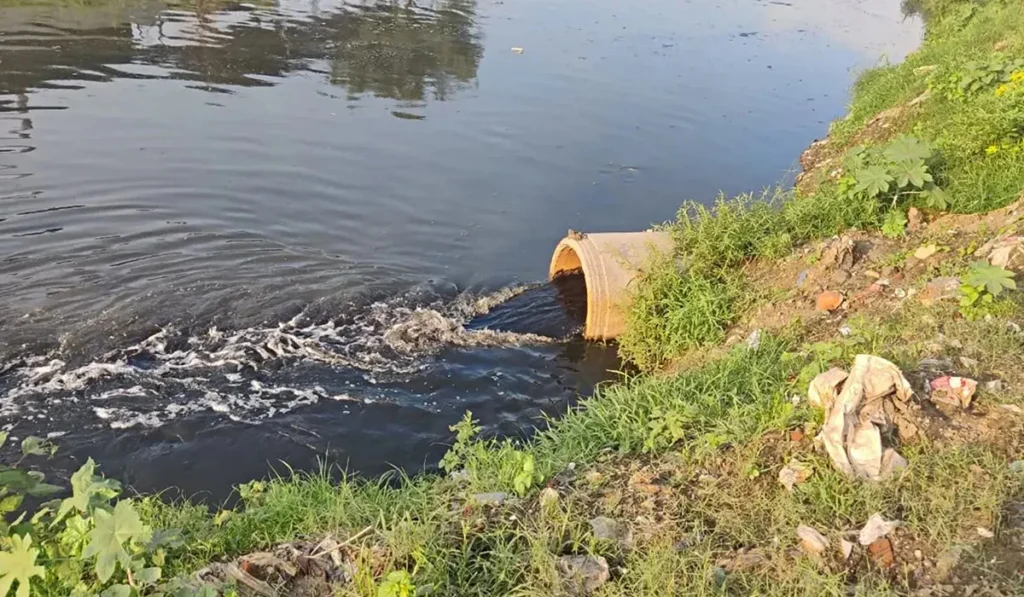
According to information, leather, textile and dyeing factories in cities like Ludhiana and Jalandhar are discharging untreated toxic water directly into Budha Nala and Sutlej. Budha Nala, which was once a fresh water canal, has today become a toxic wastewater drain. After the Green Revolution, excessive use of urea, pesticides and chemical fertilizers has made the soil toxic. These chemicals are destroying the fertility of the soil and polluting the water. We all know that every year, the burning of paddy stubble kills the beneficial insects present in the soil, depletes nitrogen and other nutrients, due to which the soil is becoming barren, but the governments are not paying attention to this, but are putting the entire burden on the farmers by filing lawsuits. Along with this, the wastewater and plastic waste of the cities are polluting the rivers and soil due to lack of proper management.
From soil to plate: a hidden cycle
Polluted soil does not remain confined to fields. Heavy metals and chemical residues enter crops, move into milk, vegetables and grains, and finally reach the human body. Once inside, these toxins accumulate slowly over years, increasing the risk of cancers, hormonal disorders and kidney damage. This soil–water–food chain is largely invisible, but its health impact is long-term and irreversible.
Deadly effects on health
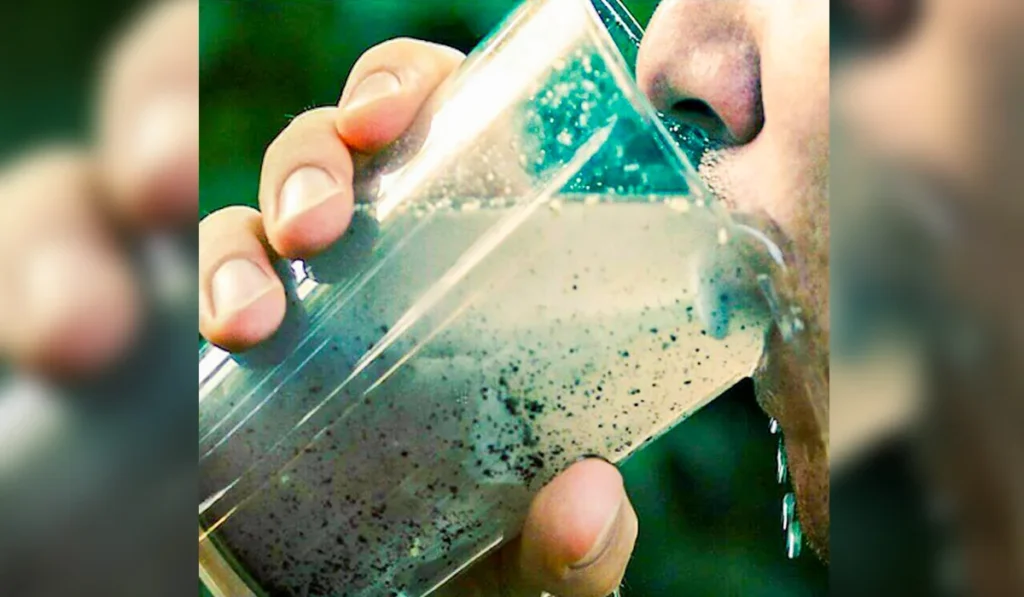
The most terrible result of this pollution is being seen in the Malwa belt, where the cancer rate is much higher than the national average. About 1089 per million, while the national average is 800-1000 per million. According to the National Cancer Registry data, 105 people are dying of cancer every day in Punjab. Kidney diseases, skin diseases and birth defects are also increasing. All this is the result of poison dissolved in water and soil.
Climate stress is accelerating the crisis
Rising temperatures and erratic rainfall are disrupting Punjab’s traditional cropping cycles and shortening effective monsoon windows. Heat stress increases crop water demand, forcing farmers to extract even more groundwater. Extreme weather events also reduce soil moisture and organic matter, weakening soil structure. Climate change is no longer a distant threat — it is multiplying today’s water and soil crisis in real time.
Now what is the solution?

Now the question arises that what can be the solution to all this issue. A gradual shift toward sustainable farming practices — including reduced chemical inputs, crop diversification, and integrated nutrient management — can significantly restore soil health without harming farmers’ incomes.. Farmers should abandon chemical farming and adopt organic farming. The health of the soil can be restored by using manure, green manure and crop rotation. Instead of paddy-wheat rotation, maize, bajra, pulses and low-water crops should be encouraged. On the other hand, effluent treatment plants should be made mandatory for every factory and the rules should be strictly followed. Along with this, a large-scale awareness campaign should be launched to create awareness among the people about saving water, proper disposal of waste and stubble management. The government should provide subsidies for organic farming and water-saving technologies.
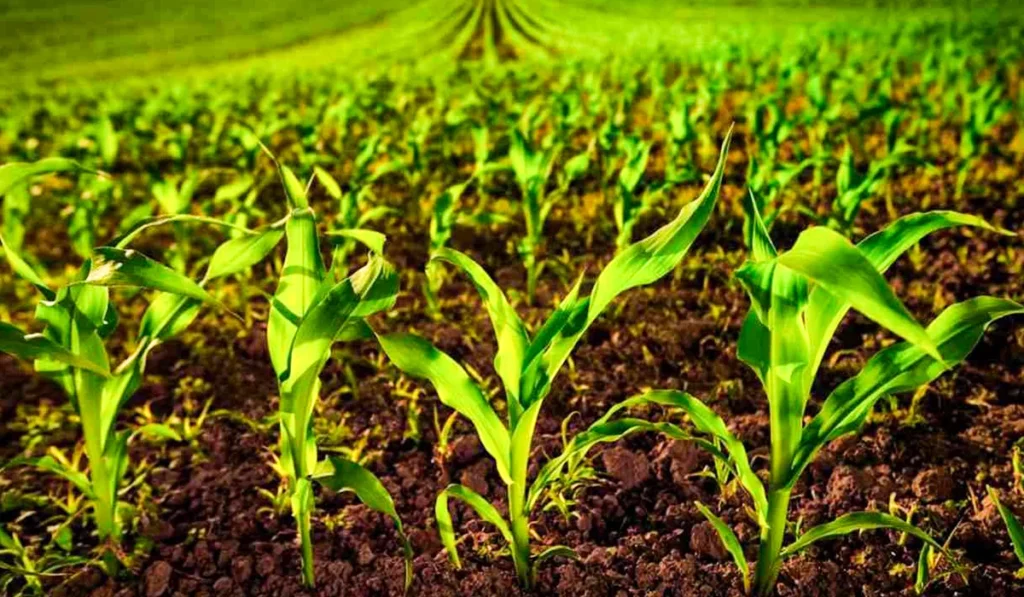
Well, let’s see what happens next? The water and soil of Punjab are our heritage, which we have to hand over to the coming generations. If we do not wake up even today, then the Punjab with its lush green fields will remain only in memories. It is time for the government, farmers and citizens to come together to stop this crisis. Saving nature is our shared responsibility. The future of Punjab’s water and soil will depend on the decisions taken today.



Leave a Comment