
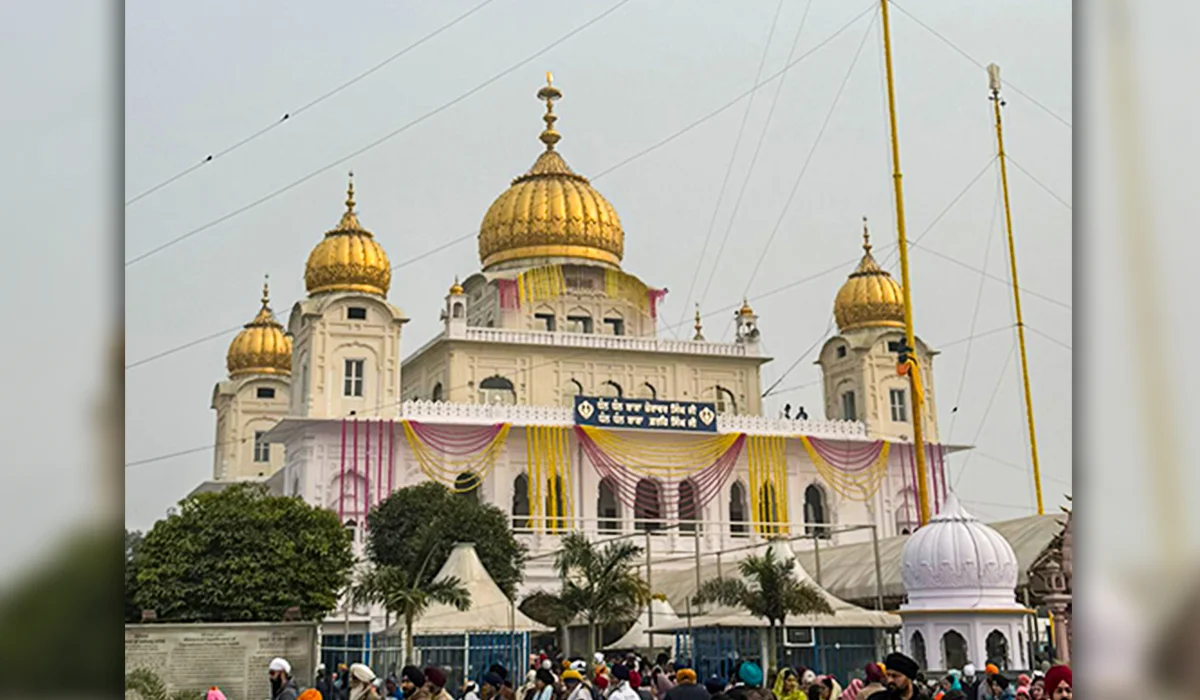

Shaheedi Sabha is organized every year during the last week of December, when the Sikh Panth pays homage to the unparalleled martyrdom of the four Sahibzadas of the Tenth Guru, Guru Gobind Singh Ji. This religious and historical journey begins from Sri Anandpur Sahib and ends with a Nagar Kirtan reaching Gurdwara Jyoti Saroop Sahib located at Sri Fatehgarh Sahib.
Throughout this process, our Punjab team was constantly in the midst of the Sangat and covered the religious, historical and social activities associated with the Shaheedi Sabhas closely.
A long journey of history
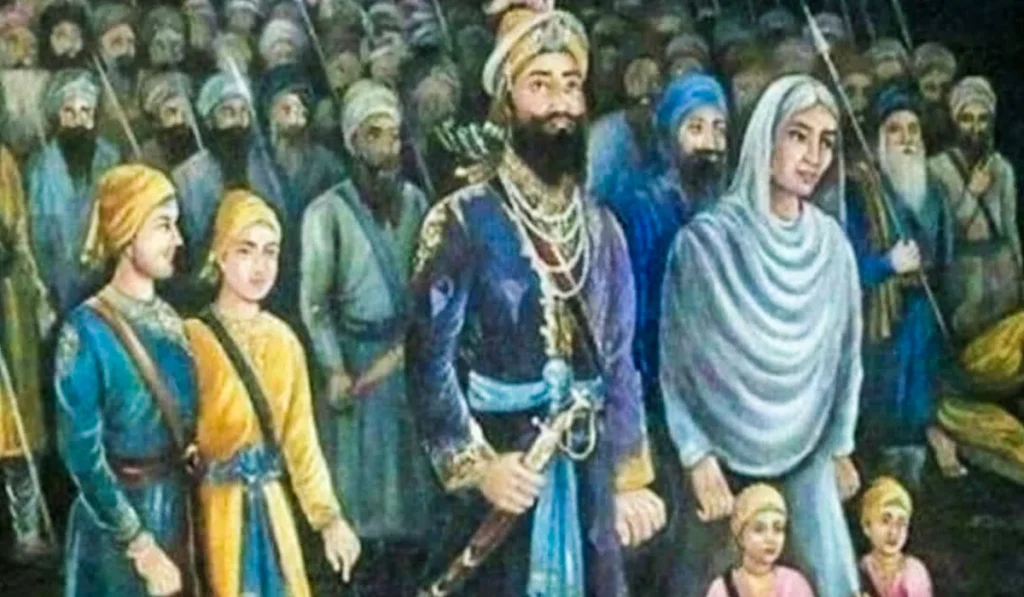
This journey of history begins from Sri Anandpur Sahib, the birthplace of the Khalsa, when Guru Sahib decided to leave Anandpur. In 1704 AD, after a siege of several months by the hill Hindu kings and the Mughal kings, the enemies took oaths that Guru Sahib and the Sikhs would be given safe passage. After which, at the request of the Sikhs, Guru Sahib had moved from Sri Anandpur Sahib, but later the enemies attacked him from behind. A fierce battle took place near river Sarsa, a tributary of the Sutlej. In this turmoil, Guru Sahib crossed the river with some Singhs, but the younger Sahibzade and Mata Gujri Ji got separated from them.
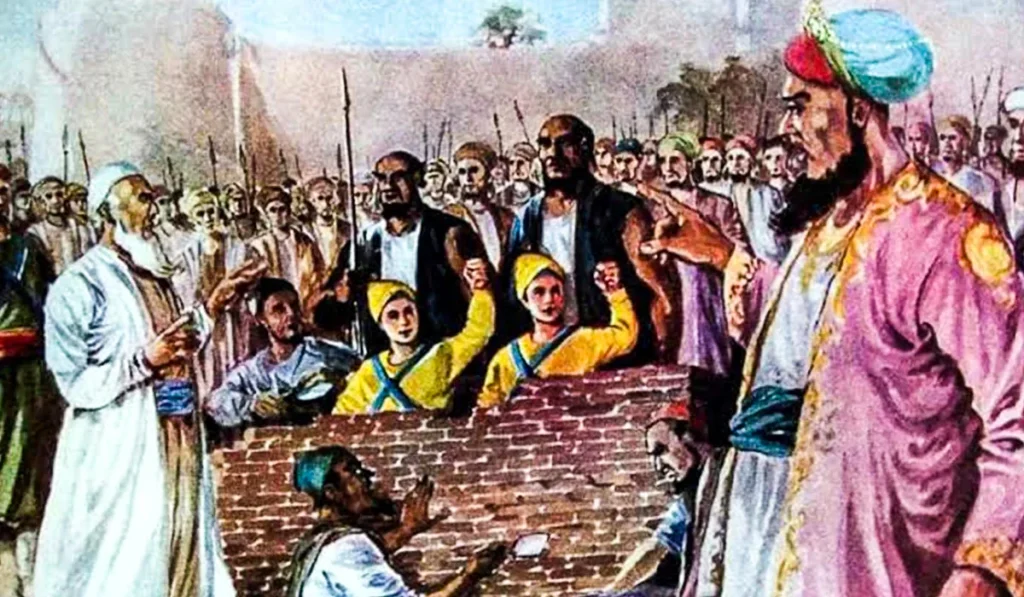
Moving forward, in the fort of Chamkaur, the Singhs and elder Sahibzade of Guru Sahib were martyred while fighting a large enemy army. On the other hand, the younger Sahibzade was pressured by Wazir Khan, the Subedar of Sirhind, to apostatize, but when he refused, he was buried alive in the foundations. After this, Mata Gujri Ji also gave up her life.
Why Shaheedi Sabha Matters Today
The Shaheedi Sabha is not only a remembrance of historical martyrdom, but a living lesson in moral courage, collective responsibility, and seva. In an age defined by convenience and individualism, the sacrifice of the Sahibzadas reminds society that faith, conscience, and righteousness often demand endurance and selflessness. The continued participation of youth, sevadars, and institutions reflects how Sikh history is not frozen in the past, but actively shaping ethical conduct in the present.
Key Historical Moments Remembered During Shaheedi Sabha
• 1704–1705: Siege of Sri Anandpur Sahib
• December 1705: Battle of Chamkaur and martyrdom of the elder Sahibzadas
• December 1705: Arrest of Mata Gujri Ji and the younger Sahibzadas
• December 1705: Martyrdom at Sirhind
Every year: Shaheedi Sabha at Chamkaur Sahib and Fatehgarh Sahib**
Chamkaur Sahib Sabha
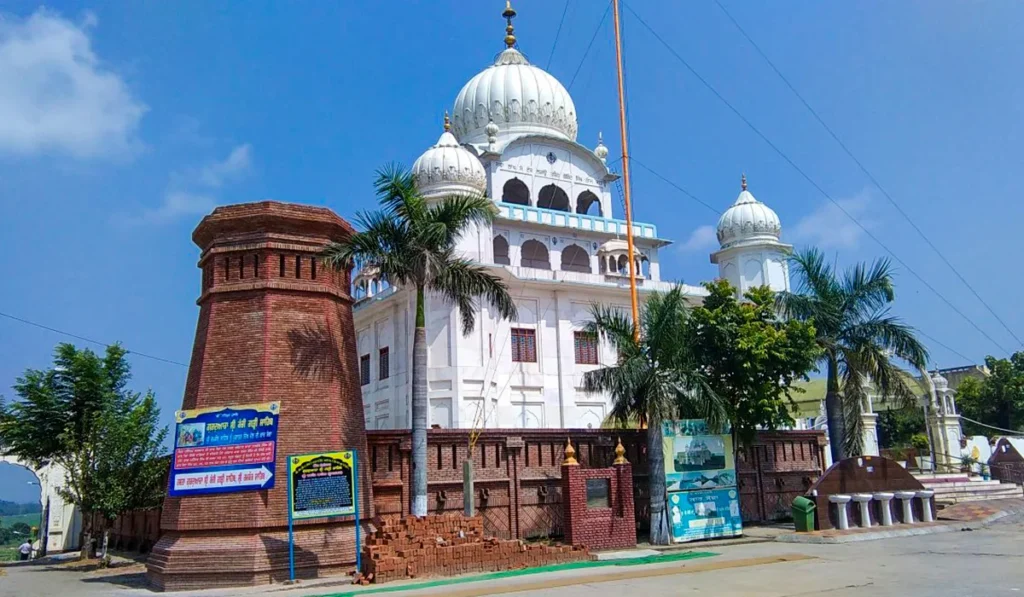
A Shaheedi Sabha was organized in Chamkaur Sahib on 21st, 22nd and 23rd December. A large number of devotees reached here and paid homage to the great Sahibzadas and Singhs, remembering their unique sacrifice. History was remembered through Gurbani, Katha and Kirtan in Gurdwara Sahib.
Well-organized arrangements
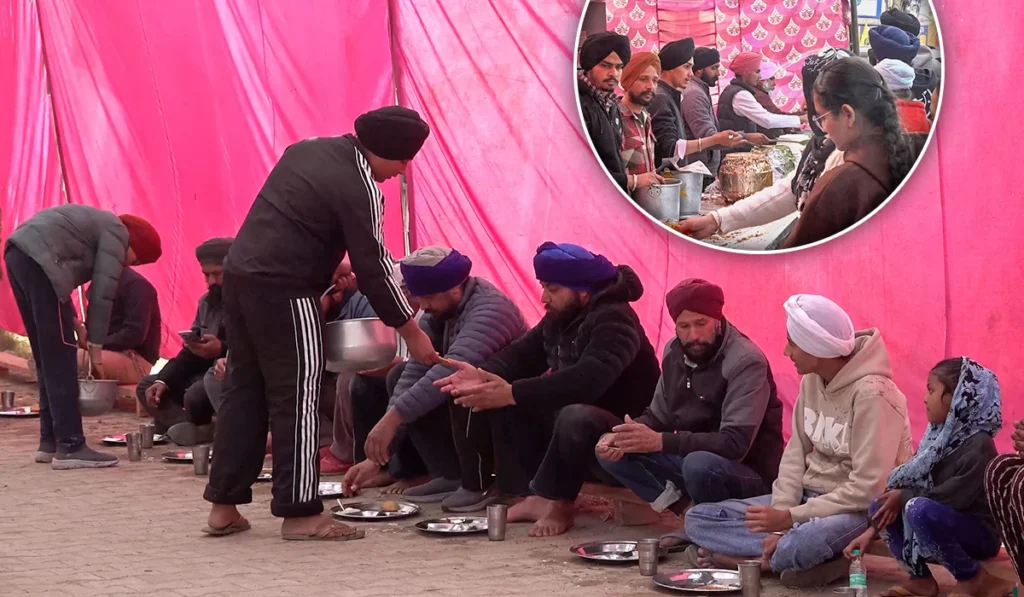
During the days of the Shaheedi Sabha, proper arrangements were made by the organizers and the devotees. Ambulance facilities were also available at many places on the roads leading to Chamkaur Sahib, which were being provided by various social service organizations.
Some people who feel uncomfortable in large gatherings come to visit before the days of the Sabha. But still the organizers and the devotees are continuously making efforts for arrangements and smooth approach.
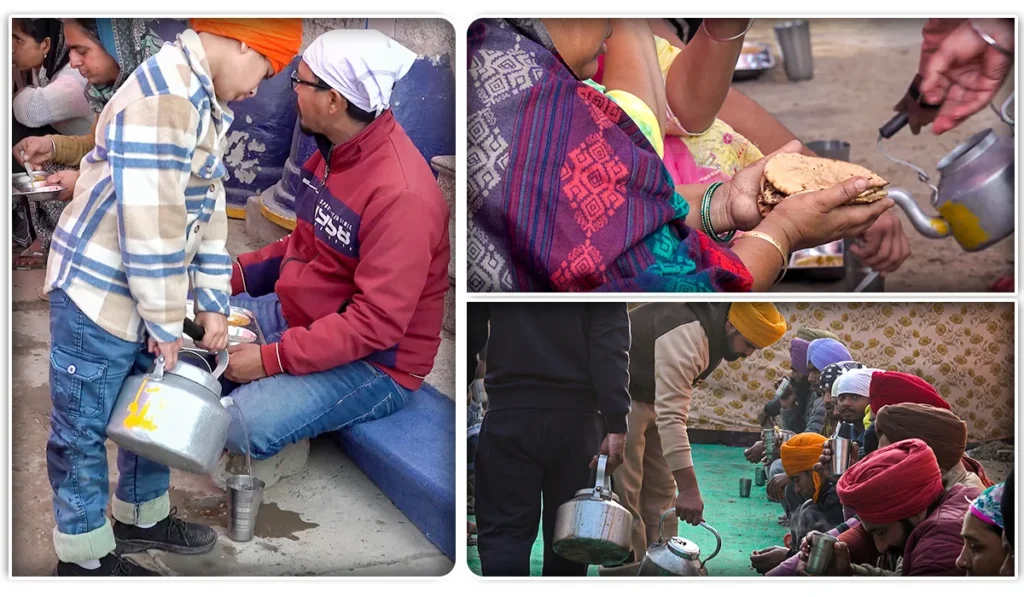
Along with the Guru Ka Langar service, medical camps were also organized, where free check-ups, medicines and treatment were arranged. The sevadars were continuously seen providing water, tea and necessary assistance to the Sangat.
Along with this, camps related to Gurmat Gyan were also organized, where children and youth were given information about Sikh history, Gurbani and the martyrdom of the Sahibzadas.
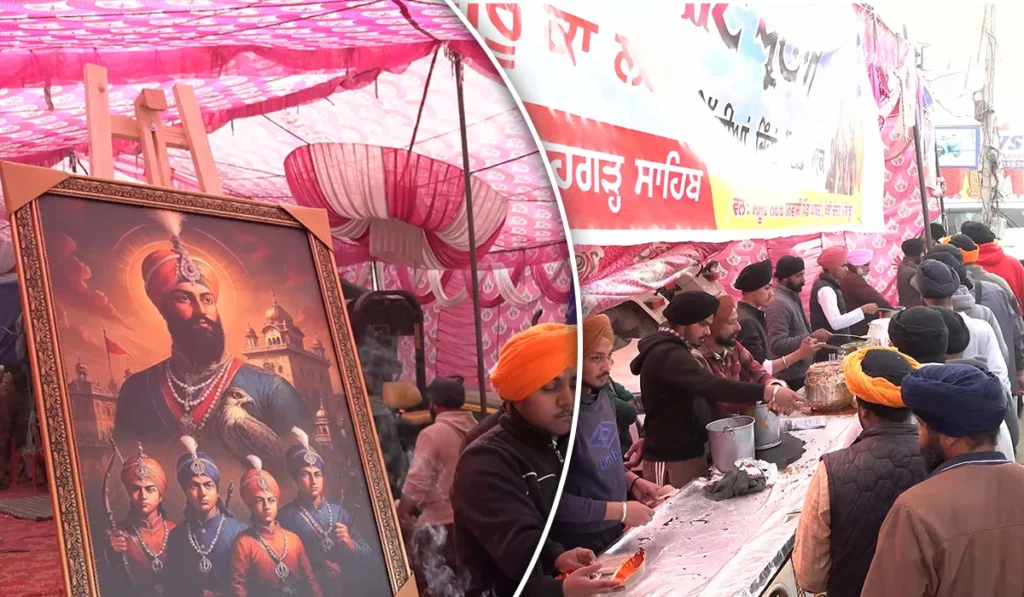
The Spirit of Seva on Display
Beyond rituals and remembrance, the Shaheedi Sabha embodies the Sikh principle of seva in action. Whether guiding ambulances, assisting the elderly, or silently managing crowds in extreme cold, the sevadars reflect the same selflessness that the Sahibzades stood for — service without expectation, duty without recognition.
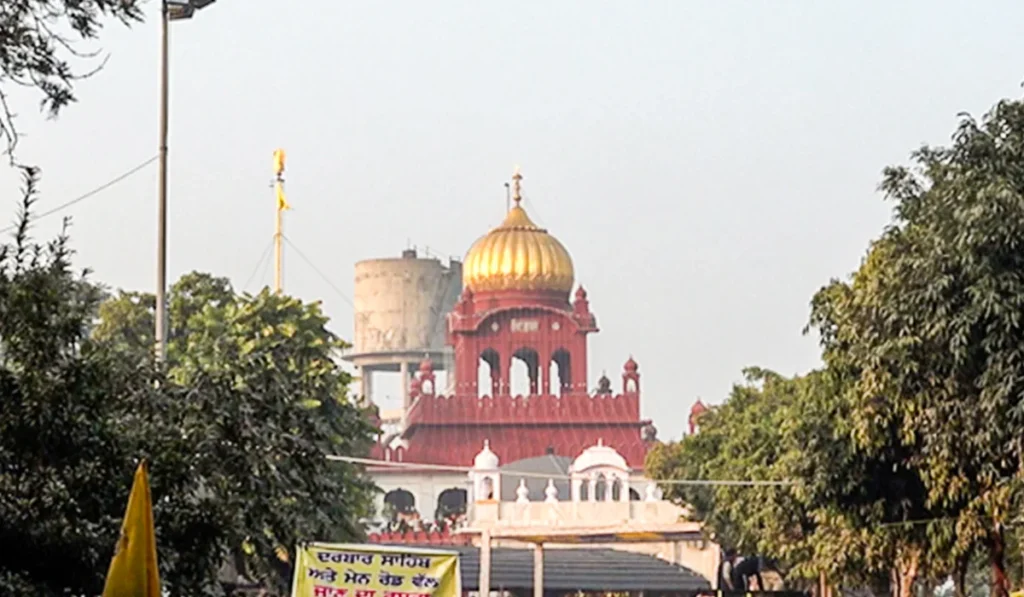
During the Shaheedi Sabha at Sri Fatehgarh Sahib, there is usually a huge gathering of Sangat on the roads leading to the Gurdwara Sahibs. Despite the cold, fog and long lines, the Sangat moves forward for darshan with patience and devotion. At such times, maintaining the Sangat and ensuring the safety of the Sangat becomes a big challenge.
Meanwhile, when our team was going towards the Gurdwara Sahib, an ambulance was seen passing through the road. It was noteworthy that some youths wearing safety vests were clearing the road ahead of the ambulance. Without any noise, with great discretion, they were moving the congregation aside, so that the emergency vehicle could proceed without hindrance.
These youths were not limited to just one place. In different parts of the Gurdwara, they were seen managing a large gathering, providing water to the congregation standing in line for darshan, and helping the elders. With their presence, a discipline and orderliness could be clearly felt in the entire arrangement.
During this, a conversation was held with a sevadar Baljinder Singh. He said that he is associated with Baru Sahib and many youths like him have come here with the aim of service. According to Baljinder Singh, “In big programs like Shaheed Sabha, the elderly sevadars sometimes face problems. We young people try to manage the large gathering of the congregation with courage.”
He further said that the service is not limited to managing the crowd. From time to time, other sevadars come with water, which is distributed to the congregation standing in the lines. If an elderly person or a person struggling with an illness feels in trouble, the youth understand the situation in advance and help to take that person out of the line and forward, so that he can have darshan without any difficulty.
This service done by the youth during the Shaheedi Sabha was not the only incident, but many such examples came before the Sangat. This service ensures that everything runs smoothly and safely during such a large-scale Shaheedi Sabha.
When we spoke to the administrators of Baru Sahib during an interview, they told us that more than 150 sevadars are involved in the arrangements of the Sabha and many sevadars like plumbers, electricians, mechanics are working.
However, this is not limited to Baru Sahib alone, many organizations were present in the service.
The Shaheedi Sabha concluded with a Nagar Kirtan dedicated to the Sahibzadas
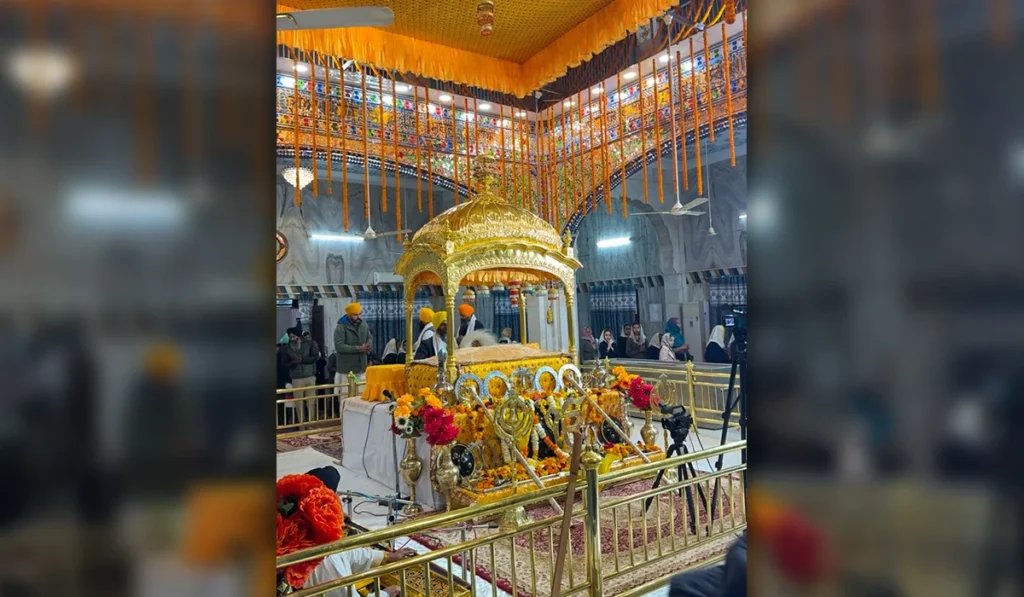
On the last day of the 3-day Shaheedi Sabha dedicated to the martyrdom of Baba Zorawar Singh, Baba Fateh Singh, the younger sons of Sarbansdani Guru Gobind Singh Ji, and Mata Gujri Ji, a Nagar Kirtan was organized from Gurdwara Sri Fatehgarh Sahib to Gurdwara Sri Jyoti Saroop Sahib on December 27. Lakhs of devotees showered flowers on the palanquin of Sri Guru Granth Sahib during the Nagar Kirtan. During these days, in addition to the severe cold, dense fog also prevailed, despite which a large number of devotees attended the Nagar Kirtan and remembered the martyrs. After the Bhog of Akhand Path Sahib at Gurdwara Sri Jyoti Saroop Sahib, the Shiromani Gurdwara Parbandhak Committee, with the support of Sikh organizations, religious societies and the Sangat, started the Shaheedi Nagar Kirtan as per tradition from Gurdwara Sri Fatehgarh Sahib after the recitation of Japji Sahib. This Shaheedi Nagar Kirtan reached Gurdwara Sri Jyoti Saroop Sahib and concluded with Ardas (prayer) after reciting Kirtan Sohila.
A Timeless Reminder
“Soora so pehchaniye jo larai deen ke het.”
(Guru Granth Sahib Ji)
The brave are known as those who fight for righteousness.
Finally, the Sikh community bowing down in the Shaheedi Sabha makes us feel those famous lines:
“In Putran Ke Sis Par Vaar Diye Sut Char
(The father sacrificed his sons, yet stood firm in faith.)
The Shaheedi Sabha does not merely commemorate the past; it renews a collective vow — that the sacrifice of the Sahibzadas continues to guide conscience, conduct, and community life.

Leave a Comment