

Whenever Sikh history reaches the month of Poh, the pen seems to shed tears of blood. It was the time when the separation at the Sirsa River tore apart Guru Gobind Singh Sahib Ji and his family. While the elder Sahibzadas were fighting bravely on the battlefield of Chamkaur, the land of Morinda was witnessing a dark chapter of history that shook the conscience of humanity.
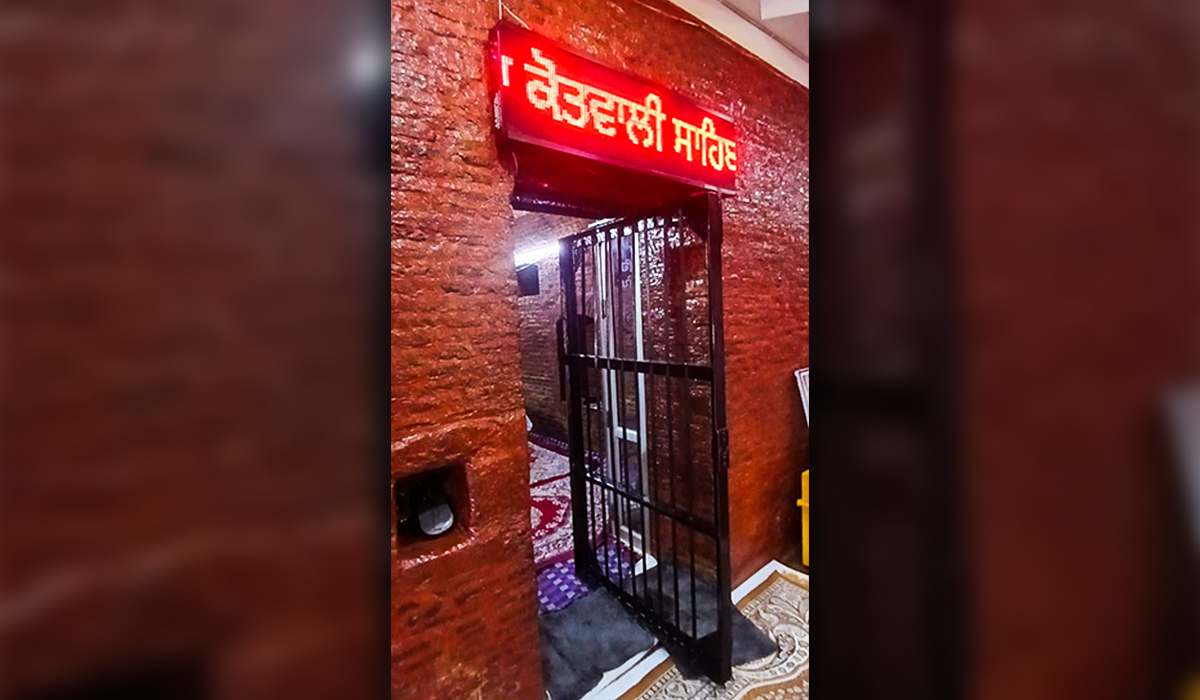
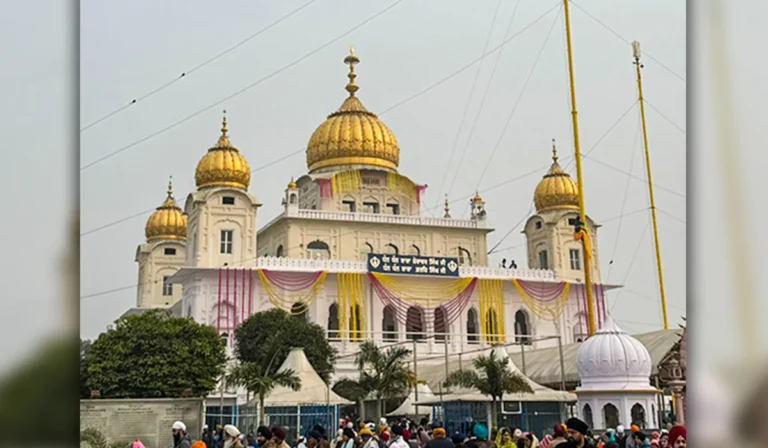
Gurdwara Sri Kotwali Sahib, located in Morinda, is not merely a building—it is a sacred memorial marking the first imprisonment endured in defense of faith. It stands as a silent witness to cruelty and sacrifice.
The month of Poh in Sikh history is a saga of suffering and supreme sacrifice that continues to moisten eyes even today. Gurdwara Sri Kotwali Sahib is a vital link in that chain, where the world’s most innocent prisoners—Baba Zorawar Singh Ji (7 years old) and Baba Fateh Singh Ji (5 years old)—were imprisoned along with their grandmother Mata Gujri Ji.
Let us understand the history of this sacred place.

After leaving the fort of Anandpur Sahib during the night in the month of Poh, Mughal forces violated their promise and attacked from behind. A fierce battle took place on the banks of the Sirsa River. Amid this chaos, Guru Gobind Singh Ji’s family became separated.
Mata Gujri Ji and the two younger Sahibzadas crossed the river’s fast current and reached a hut belonging to a washerwoman named Kumme Mashki. There, a Brahmin woman named Lachhmi provided them food for two days. During this time, Gangu Brahmin, a former kitchen attendant of the Guru’s household, encountered them.
Gangu took Mata Ji and the Sahibzadas to his village Saheri. Upon seeing a bag of coins with Mata Ji, Gangu’s intentions changed. Greed overtook him. He stole the coins and raised an alarm claiming theft had occurred. Mata Ji calmly said, “Gangu, do not raise an alarm. No outsider has come; the coins must be here.” Enraged, Gangu began accusing Mata Ji herself.
Gangu’s Betrayal
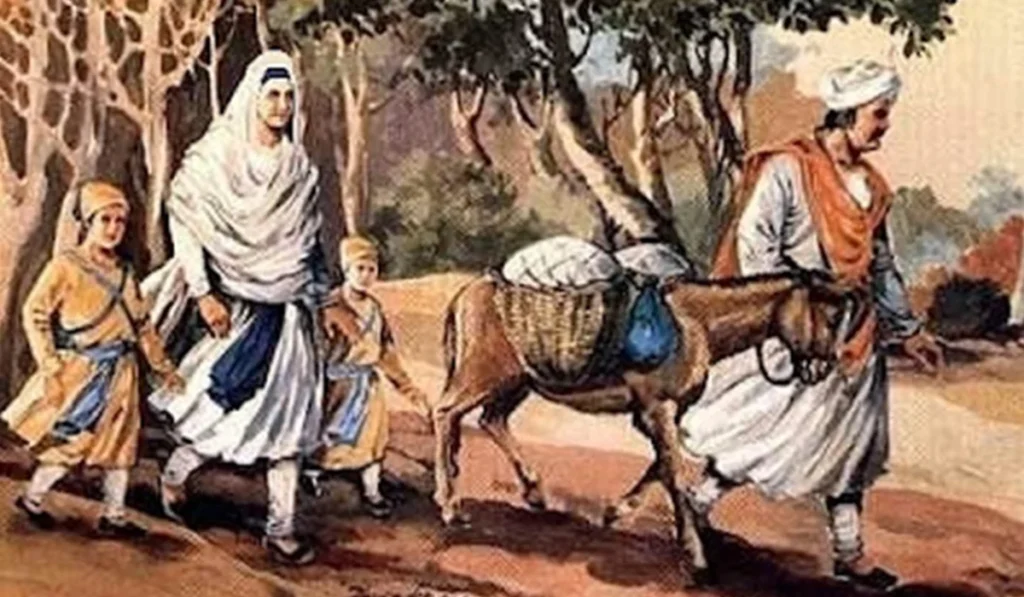
Blinded by greed and anger, Gangu staged a false display of loyalty. Not only did he steal the coins, but he also sought a government reward. He took the village headman with him and reached the Kotwali (police post) of Morinda.
There, he informed the officers Jani Khan and Mani Khan that Guru Gobind Singh Ji’s family was hiding in his house. Acting on this information, the officers arrived at Saheri village with soldiers and arrested Mata Gujri Ji and the younger Sahibzadas. They were marched on foot to Morinda.
Historians state that Morinda had an old Kotwali (jail) at that time, traces of which are still preserved inside the present Gurdwara. These innocent souls were confined in that dark, cold prison.
Imprisonment in the Kotwali

Mata Gujri Ji and the Sahibzadas spent one night in this Morinda Kotwali. According to historical accounts, they were given no food or water, no warm clothing, and no bedding during the harsh winter of Poh.
Historical references suggest that Mughal authorities hoped hunger and cold would break the children and force them to accept Islam. However, the Guru’s sons remained firm and unshaken.
The following morning, they were sent to Sirhind, to the court of Subedar Wazir Khan. It was during this later imprisonment that devotees like Baba Moti Ram Mehra Ji secretly served them milk, risking their lives.
The Beginning of a Great Martyrdom

Although the tragic events at Sirhind—imprisonment in the Thanda Burj and being bricked alive—are widely remembered, the foundation of that supreme martyrdom was laid in this very Kotwali of Morinda.
Today, when devotees bow their heads at this site, the ancient walls seem to echo the pain endured by Mata Gujri Ji and the Sahibzadas.
Every year during the month of Poh, large martyrdom gatherings are held at Gurdwara Sri Kotwali Sahib. Devotees are shown the cell where Mata Ji and the Sahibzadas were confined. This sacred place teaches us that sacrifices made for faith and truth are never in vain.


Leave a Comment