
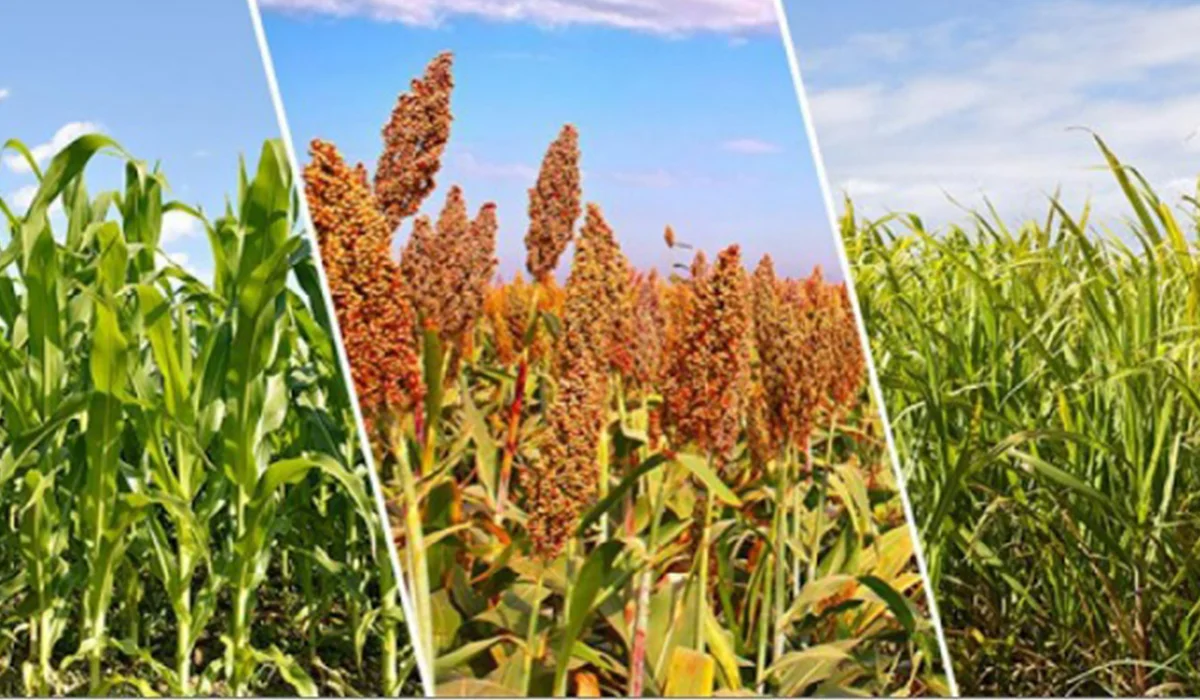

For decades, Punjab’s agriculture sector has not only sustained the livelihood of the people of Punjab but has also strengthened the country’s food security. But the current situation shows that Punjab’s farmers are facing a serious crisis. Rising costs, dwindling groundwater, monotonous cropping system and the problem of grain storage have raised questions about the future of agriculture.
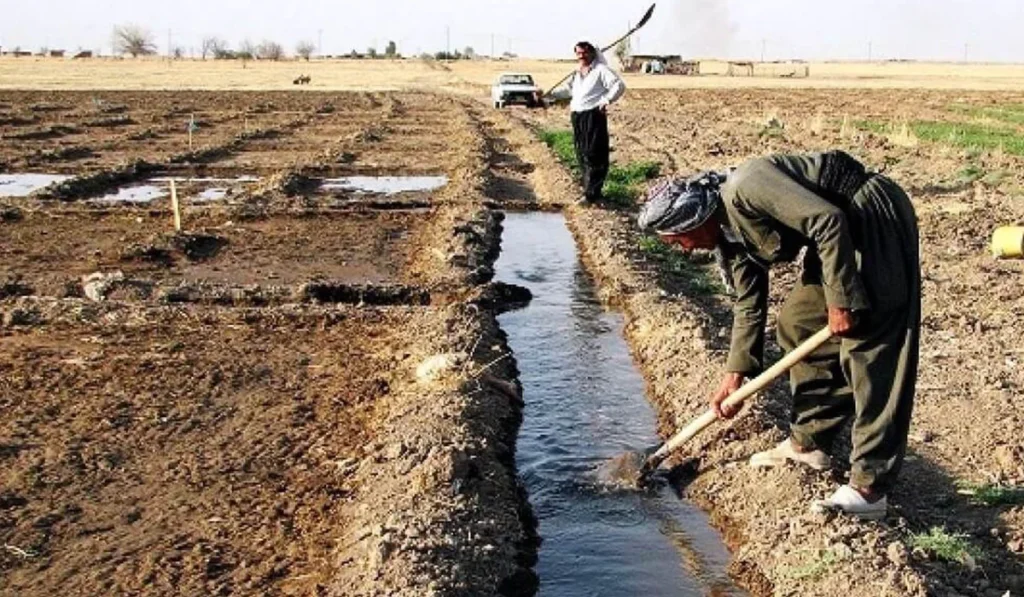
In this context, agricultural experts and policymakers are constantly emphasizing that crop diversification is very important to save Punjab’s farmers. In view of the rapidly declining groundwater levels, it has become the biggest need of the hour to motivate farmers to move away from traditional wheat and paddy farming and towards other alternative crops.
₹15,377 crore budget for agriculture sector
This issue was also raised during the ongoing discussion on the state budget in the Punjab Vidhan Sabha. The state government has made a budget provision of ₹15,377 crore for the agriculture sector for the financial year 2026-27, on which many scholars and leaders have expressed concern. They believe that although crop diversification has been mentioned in the budget, in reality it still seems to be a paper plan and it does not show the seriousness required to bring about a major change in the crop system of Punjab.
It is also noteworthy that after the formation of the Aam Aadmi Party government in 2022, a promise was made to bring an agriculture policy, but despite the passage of four years, a clear and comprehensive agriculture policy has not yet emerged. For an agriculture-based state like Punjab, it is very important that farmers are given a clear direction and a long-term plan.
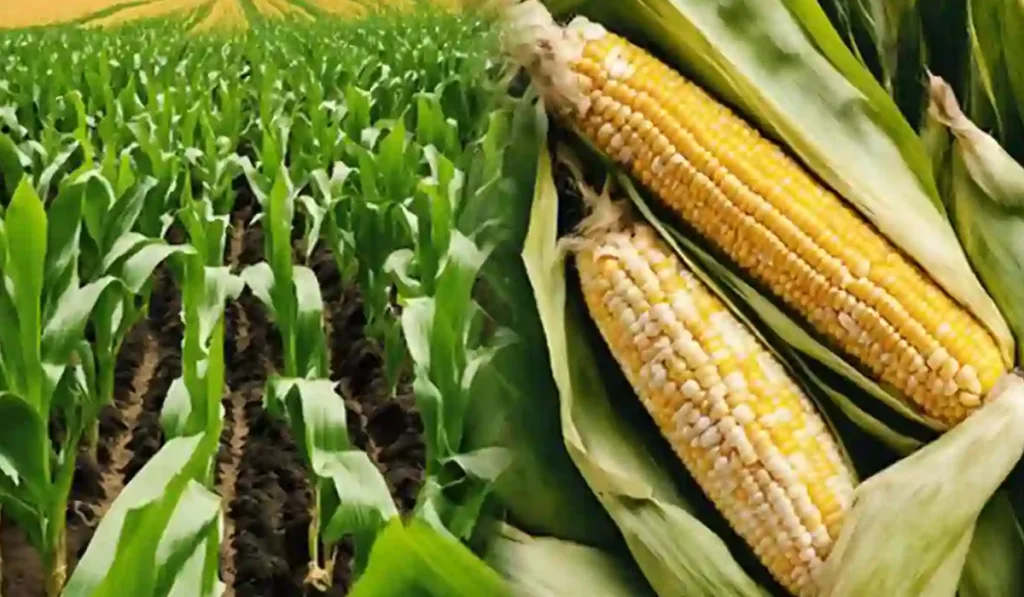
According to experts, maize farming should be encouraged on a large scale in Punjab. Interestingly, the varieties of maize grown in Punjab are considered better than many countries in North America, where genetically modified maize is cultivated on a large scale. Therefore, if maize cultivation is encouraged, it can not only open up new avenues of income for farmers, but can also prove helpful in saving water.
Big problem: Grain storage
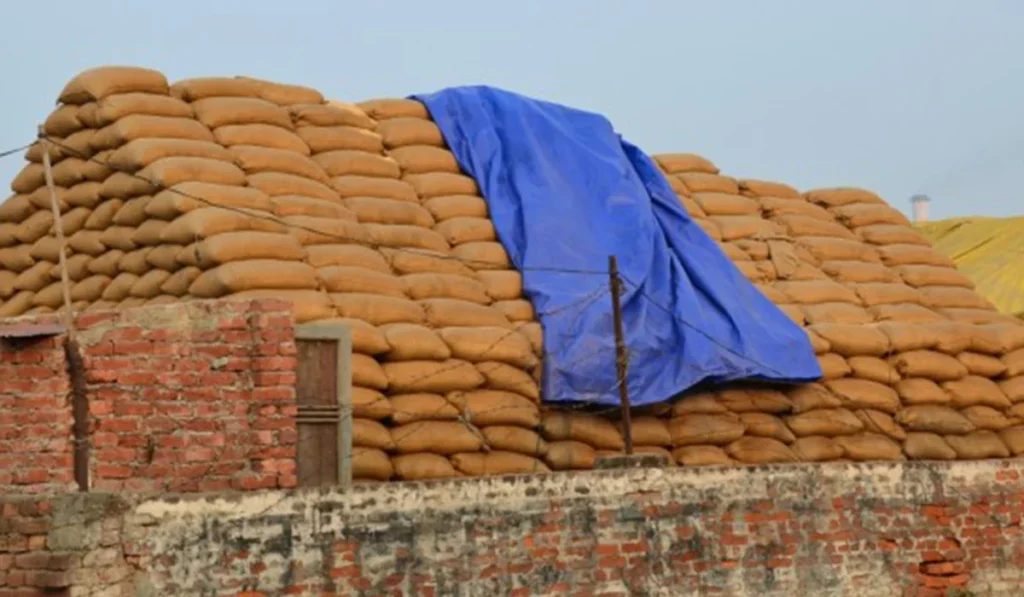
If we move away from paddy-wheat and move towards maize, sugar beet, pulses and other crops, the problem of storage will be solved automatically and the government will not even have to worry about maintaining such a large grain stock. At present, another big problem is related to grain storage. There is a huge shortage of space for storing wheat and rice in Punjab. A large grain stock of previous seasons is already lying in the godowns and when the new crop comes to the markets every year, this crisis increases even more. Especially from April 1, when wheat starts coming to the markets, this problem can become more serious. In this situation, the question arises that where and how will the government store such a large grain stock?
Agricultural experts believe that the surest solution to the storage crisis lies in crop diversification. If farmers are shifted to other crops like maize, sugar beet and other cash crops besides wheat and paddy on a large scale, not only will the pressure on grain storage reduce, but the income of farmers can also increase. Some experts are going further and working on opportunities for farming new crops like cassava.
Role of canal irrigation and maize in saving water
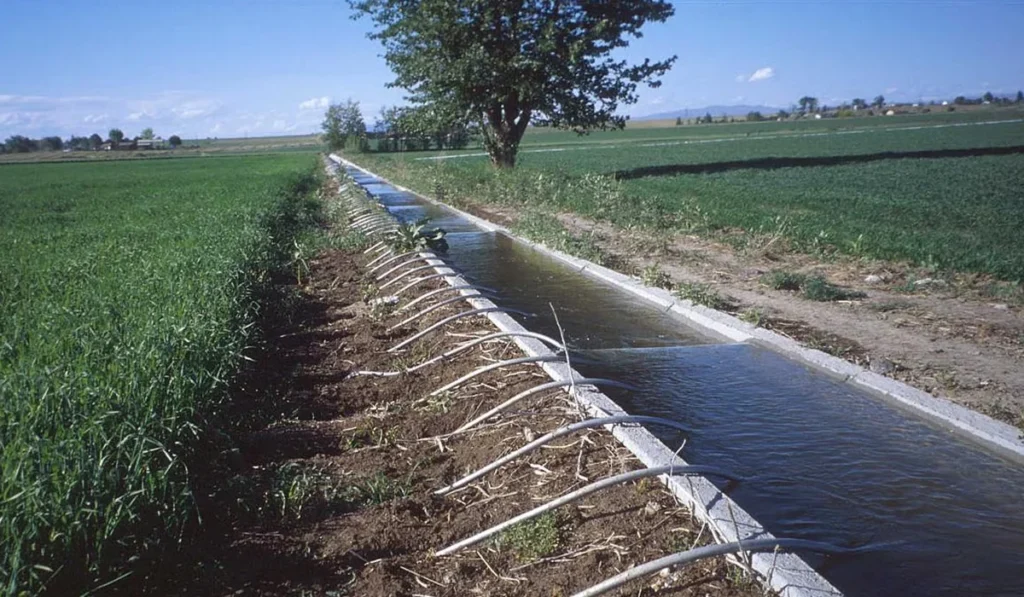
Along with this, improvement in the irrigation system is also very important. While welcoming the increase in the use of canal water, pro-agricultural politicians of Punjab are also saying that if this rate can reach 67 percent, why can’t it be brought up to 100 percent. Crops like maize can prove helpful in the effective use of canal water and this can reduce dependence on ground water. The role of research institutions is also very important in this whole process.
PAU Ludhiana should focus on new crops
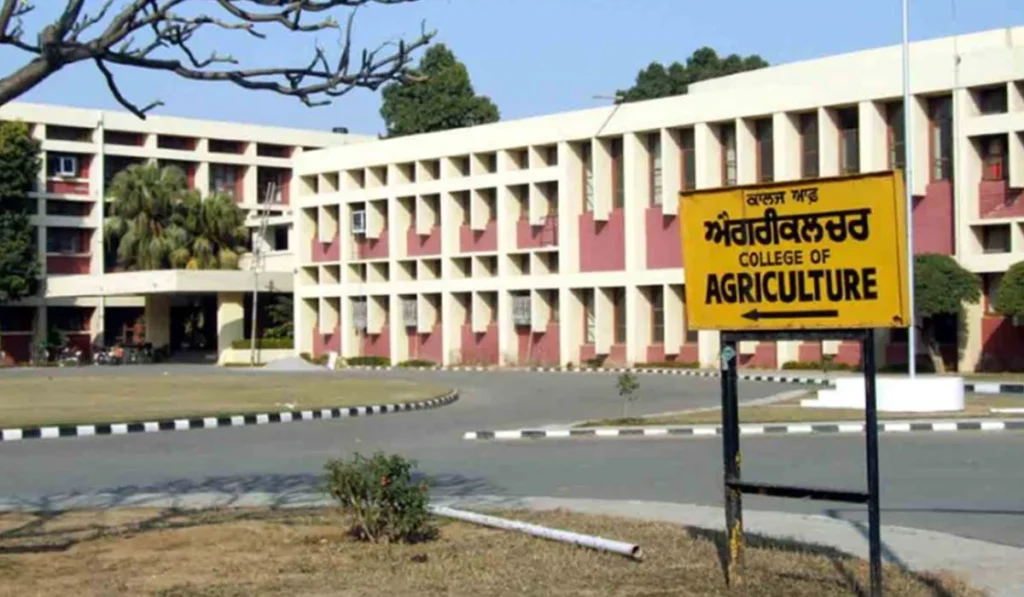
Punjab Agricultural University Ludhiana should focus more on developing new crop varieties that promote crop diversity and protect the environment. This will enable farmers to get new technologies and better seeds, which are very important for future agriculture.
Finally, experts also believe that to strengthen Punjab’s agriculture in the long term, there is a need to rise above political differences and make joint efforts. The government, research institutions, farmer organizations and policymakers will have to come together to create a model that can strengthen water conservation, environmental protection and farmers’ income together. If the right steps are taken at the right time, Punjab’s agriculture can become strong again and the state’s economy can get a new direction. Otherwise, the current crisis can become an even bigger challenge in the future.



Leave a Comment