
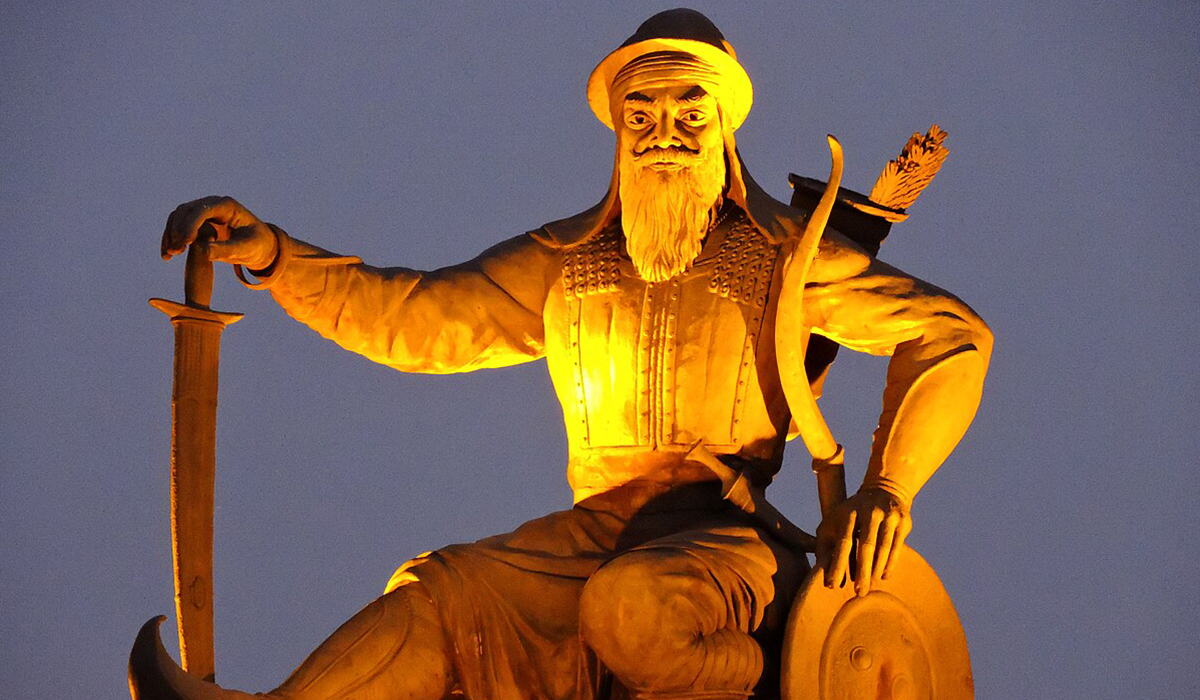

Stages of Baba Banda Singh Bahadur’s Life
The land of Panj-Aab, that is, the land of five rivers, which nurtured and grew pride, races and crops in its womb, the land which many great warriors watered with their blood, where the cries of victory kept resounding, the swords of many heroes continued to rise against oppression and violence, although the geographical area of this land of martyrs and heroes was less than many large empires, yet the history of this land became such that few regions in the world have a history of martyrdom comparable to that of Punjab, both in spirit and in sacrifice.
On this land of Punjab, steeped in courage, bravery, sacrifice, love, passion and selflessness, about three and a half centuries ago, a Bairagi sadh named “Madho Das” set an example of courage and sacrifice that shook even the sky and challenged entrenched power structures of the time.
We are talking about Baba Banda Singh Bahadur Ji, who was born on October 27, 1670 in the Poonch–Rajouri region of present-day Jammu and Kashmir in the north of India. Initially, his parents named him “Lachhman Dev”. His father was a Rajput farmer, but Lachhman Dev’s interest was in hunting, horse riding and sword fighting since childhood. Growing from childhood to adulthood, Lachhman Dev often went hunting with his bow and arrow. As time passed, Lachhman Dev’s aim became even more unerring. According to popular accounts, an arrow came out of Lachhman Dev’s bow that struck a pregnant deer. This arrow not only killed the deer and the life growing in its womb, but also marked a turning point in Lachhman Dev’s life in a matter of moments.
Lachhman Dev became Madho Das Bairagi
In fact, witnessing the tragedy that resulted from the arrow that came out of his bow, Lachhman Dev’s inner being was deeply shaken. Such was the shock that “Lachhman Dev” left archery, horse riding and worldly attachment to maya and became a monk, choosing renunciation, and became a disciple of a Bairagi sadh Janaki Prasad, who gave Lachhman Dev a new name “Madho Das”, from where the second stage of Lachhman Dev, that is Madho Das’s life, began.
Born in the house of a Rajput farmer in the north, “Lachhman Dev” now roamed around as a monk, and during his ascetic journey, he walked towards the south of India, and went to the forests of Nashik and took shelter of a yogi named “Aughar Nath” who was known as an expert in Tantric knowledge and spiritual disciplines.
For about five years, “Madho Das”, that is Lachhman Dev, served “Aughar Nath” with great devotion and discipline. Pleased with the service, Aughar Nath started training Madho Das in Tantric practices, advanced knowledge and disciplines, and Madho Das was believed to possess extraordinary abilities. During this phase of time, Aughar Nath eventually merged with the five elements after completing his life journey, and Madho Das left the forests of Nashik and set up his camp on the banks of the Godavari river in Nanded, on the land of the Marathas.
Although now “Lachhman Dev” had renounced the life of a hunter and became the ascetic saint “Madho Das”, elements of ego, pride and self-importance were still present in his thinking and intellect. In the area of Nanded, Maharashtra, the discussions of Madho Das’s Tantric teachings started spreading far and wide within a short time, and hundreds of people became his devotees and disciples. With growing followers, Madho Das’s sense of importance gradually reached its peak.
Madho Das to Baba Banda Singh Bahadur
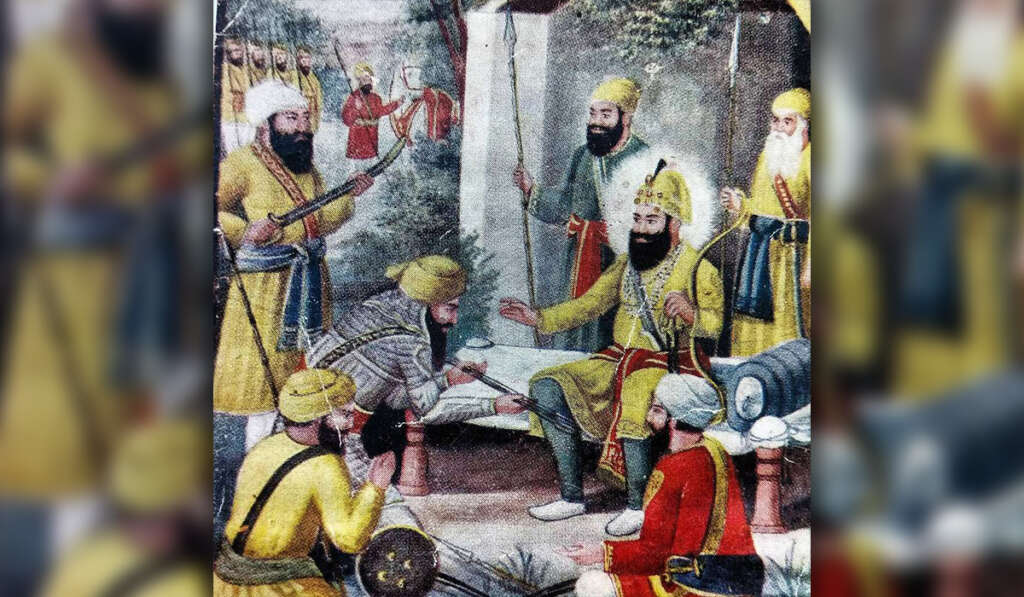
Similarly, one day Madho Das was out of his camp, and on that day the tenth father of the Khalsa Panth, “Sri Guru Gobind Singh Ji”, along with some of his Singhs, came to Madho Das’ camp in Nanded while passing through the region. Guru Sahib had already come to know about Madho Das’s reputation and his Tantric practices. Seeing Madho Das’ absence from the camp, Guru Sahib struck his bedding with a stick. When Madho Das returned and saw Guru Sahib occupying his seat, he became disturbed and angry. He tried to unsettle the Guru by using all his Tantric methods and sorcery, but none of his efforts succeeded. According to tradition, Madho Das is said to have invoked his ‘Beeras’, believed to be powerful spirits, and even attempted to lift the Guru along with the palanquin, but Guru Sahib fixed arrows into the legs of the palanquin, due to which the palanquin was said to have become impossibly heavy and could not be moved.
Seeing his Tantric knowledge failing completely, Madho Das was shaken to his core. He bowed down before the great spiritual presence and high moral character of the Guru and sat at his feet. When the Guru asked him, “Who are you?” Madho Das humbly replied, “I am your servant.” Guru Gobind Singh Ji immediately initiated Madho Das into the Khalsa through Amrit Sanchar, named him Banda Singh and later bestowed upon him the title of “Bahadur”, from which the third stage of the life of Lachhman Dev, that is Madho Das, began.
Revenge of the martyrdom of the Sahibzadas and the foundation of Sikh rule
Guru Gobind Singh Ji awakened the dormant warrior spirit of Lachhman Dev, now Banda Singh Bahadur, to fight against the oppression of the Mughals and entrusted him with the responsibility of reforming injustice in Punjab. Thus, Madho Das, who had been both a hunter and a monk, now became a servant of the Guru and emerged as one of the greatest warriors in Sikh history.
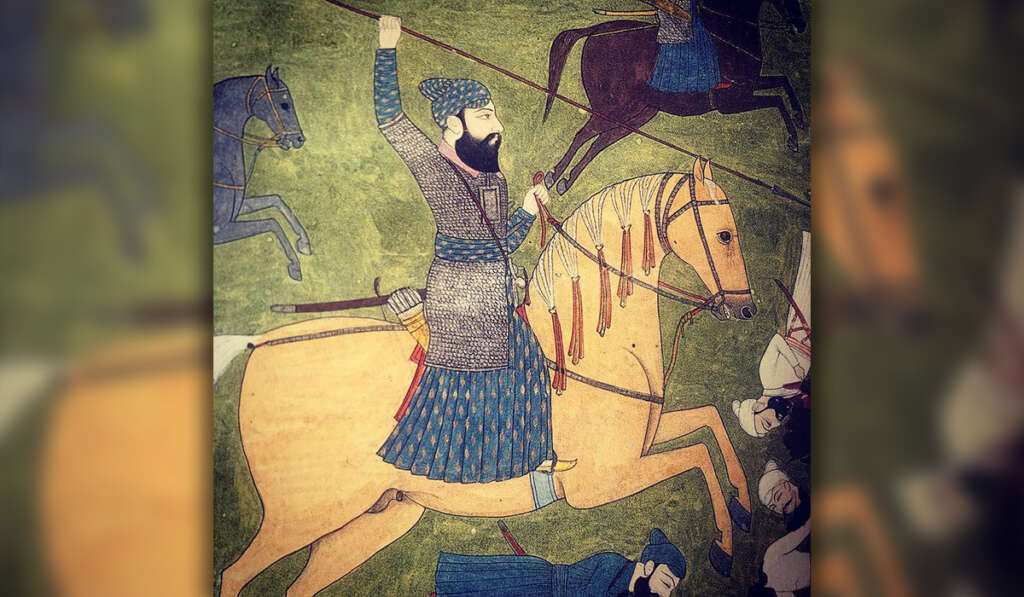
After receiving the Guru’s blessing, Baba Banda Singh Bahadur set out towards Punjab. After reaching Punjab, Baba Banda Singh Bahadur raised a large and committed force in a short time and began a determined rebellion against Mughal rule. In 1709 AD, his forces first conquered areas like Sonepat, Kaithal and Kunjpura, and in November 1709, Baba Banda Singh Bahadur, along with his army, attacked Samana, a place associated with those responsible for the martyrdom of the Sahibzadas. The Sikhs punished the offenders and took control of the city.
After this campaign, Baba Banda Singh Bahadur marched towards Sirhind and a major battle was fought at Chapparchiri in May 1710. This was the most important battle of Baba Banda Singh Bahadur’s life. The main objective of the battle was to defeat Wazir Khan, the Subedar of Sirhind. In the fierce battle with the Mughal army on the field of Chapparchiri, Baba Banda Singh Bahadur killed Wazir Khan and conquered Sirhind. This victory laid the foundation of Sikh rule in Punjab and gave the Sikhs immense courage to fight against oppression.
After the conquest of Sirhind, Baba Banda Singh Bahadur expanded Sikh control across large areas between the regions of Lahore and Delhi. He abolished the oppressive landlord system and granted land ownership rights to farmers. He also minted coins in the names of “Guru Nanak Sahib Ji and Guru Gobind Singh Ji”, symbolising sovereignty rooted in Sikh ideals.
Extreme cruelty and unparalleled sacrifice
Time passed and seeing the increasing power of Baba Banda Singh Bahadur, in 1715 AD, Mughal Emperor Farrukhsiyar of Delhi sent a large army under the leadership of the Subedar of Lahore, Abdus Samad Khan, to capture Baba Banda Singh Bahadur. The army besieged Baba Banda Singh Bahadur and several hundred of his Sikhs at Gurdas Nangal for nearly eight months. Supplies were cut off from all sides. During the long and severe siege, the Sikh forces became weak due to starvation. In December 1715, the fort was breached by Mughal forces and all the Sikhs, including Baba Banda Singh Bahadur, were arrested.
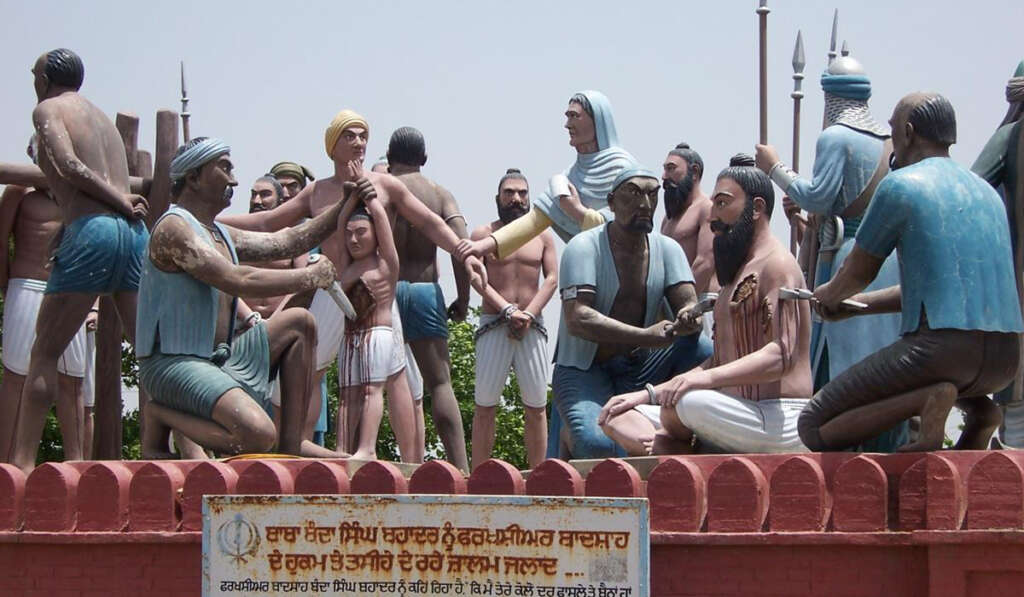
Baba Banda Singh Bahadur and his companions were brought to Delhi in chains, where over several days many Sikhs were tortured and martyred, yet none renounced their faith. Seeing the Sikhs’ steadfastness towards their Guru and religion, the Mughals intensified their cruelty but failed to break their resolve.
Finally, Baba Banda Singh Bahadur himself was subjected to extreme torment. His young son Ajay Singh was brutally killed before his eyes. Despite witnessing unimaginable suffering, Baba Banda Singh Bahadur Ji remained unshaken in faith and devotion. He was subjected to severe physical torture, yet he continued chanting ‘Waheguru’ and did not abandon his beliefs. Blood continued to flow from his body, and Baba Banda Singh Bahadur attained martyrdom in a state of spiritual calm and unwavering devotion.
Became an inspiration for future generations
The martyrdom of Baba Banda Singh Bahadur gave a new direction to the Sikh struggle in Punjab and became a powerful source of inspiration for future generations. Even today, mothers in the villages of Punjab narrate the stories of Baba Banda Singh Bahadur’s devotion to faith and courage to their children. His sacrifice stands among the most extraordinary recorded in history and continues to inspire every voice raised against injustice and oppression across the world.

Leave a Comment