
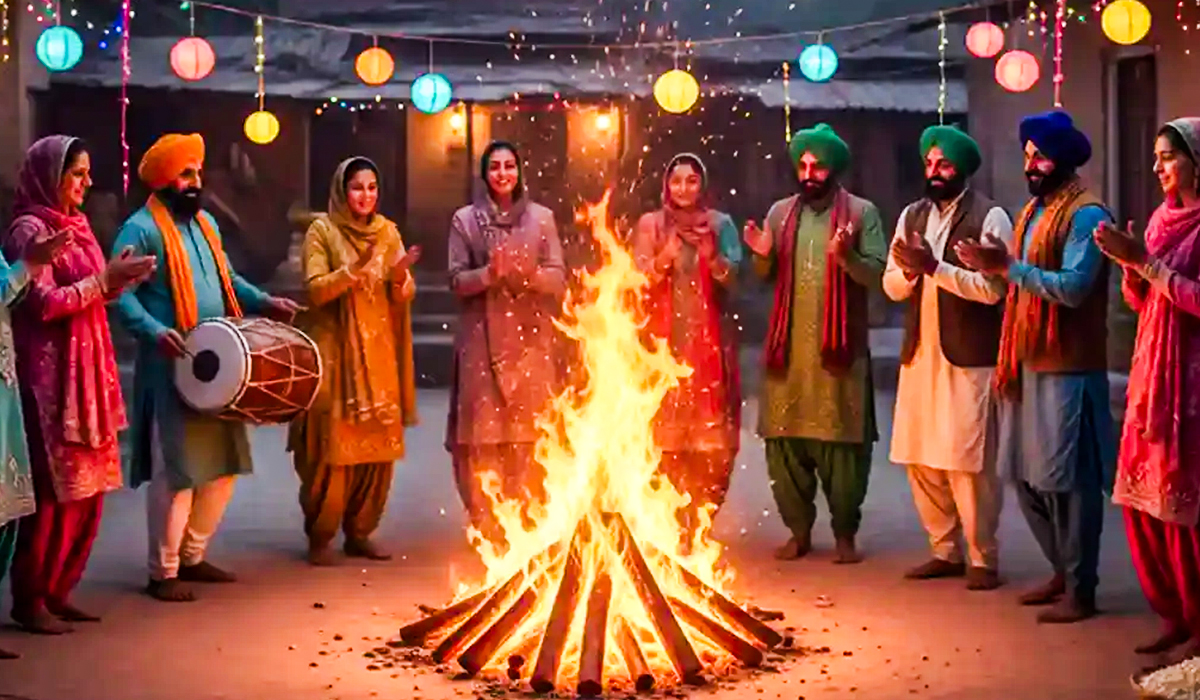

India is a land of festivals, which reflect our culture, religion, and traditions. The festive season begins with the start of the new year. While Tamil Nadu prepares for Pongal, and Maharashtra and Gujarat for Makar Sankranti and Uttarayan, Punjab celebrates its first festival of the new year with Lohri.
Lohri – Lohi or Tilori
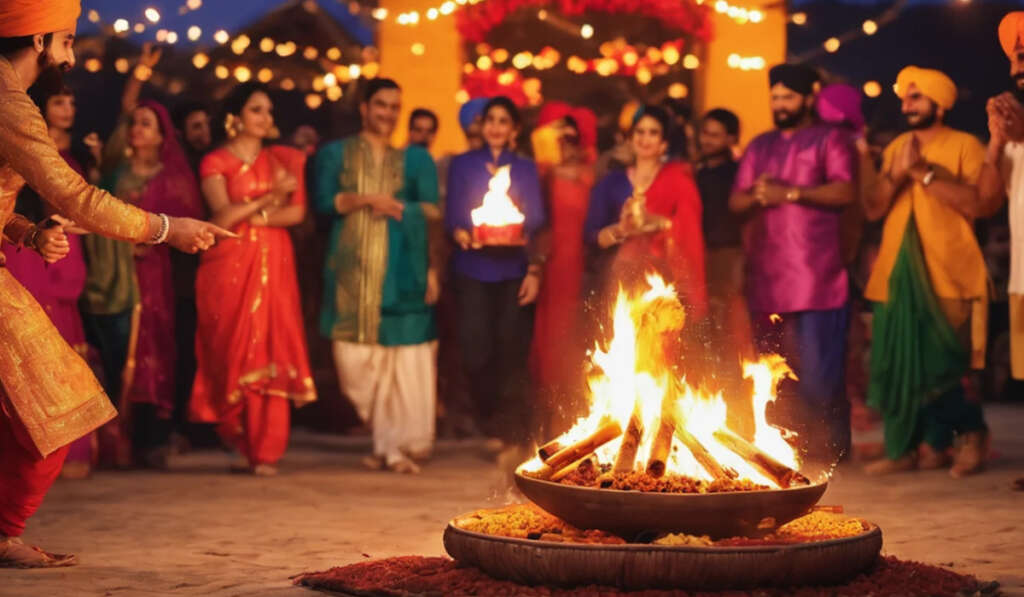
In ancient times, the combination of ’til’ (sesame seeds) and ‘rewari’ (a type of sweet) was known as Tilori, which over time transformed into “Lohri” for convenience. Lohri, a famous festival of the month of Poh, is celebrated on the last day of the Poh month and, according to the Gregorian calendar, on January 13th every year. The day after Lohri, the Sankranti of the month of Magh is celebrated, which is known as Makar Sankranti.
More Than Just a Festival for Farmers, It’s an Emotion
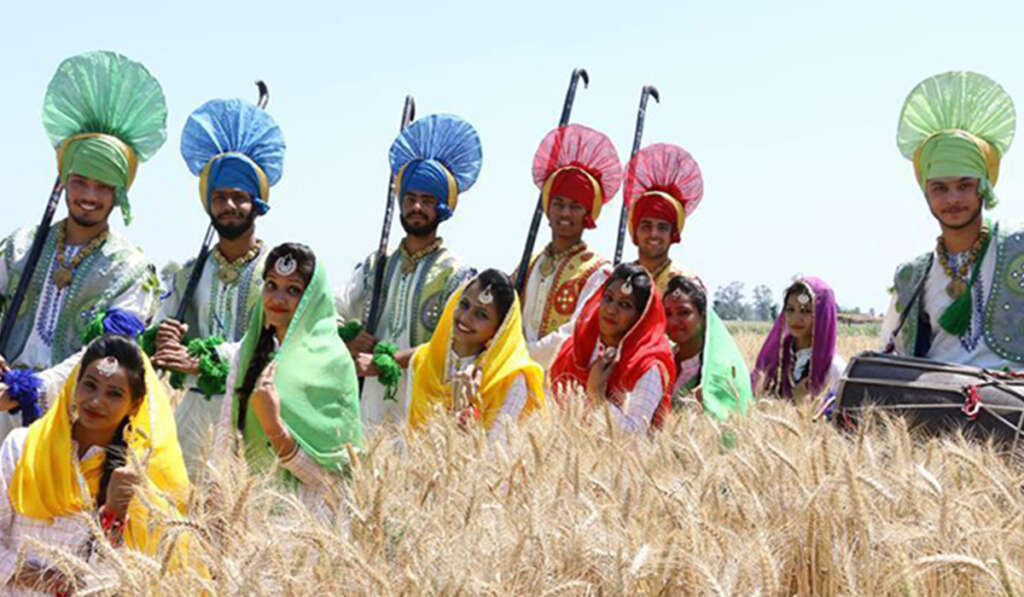
The festival of Lohri has a deep connection with Punjabi culture and ancient traditions. There are many stories behind the celebration of this festival. For Punjabi farmers, Lohri is not just a festival, but an emotion that holds profound meaning in their lives. This festival of love and brotherhood is celebrated with joy and enthusiasm, forgetting all grievances.
Farmers’ New Financial Year
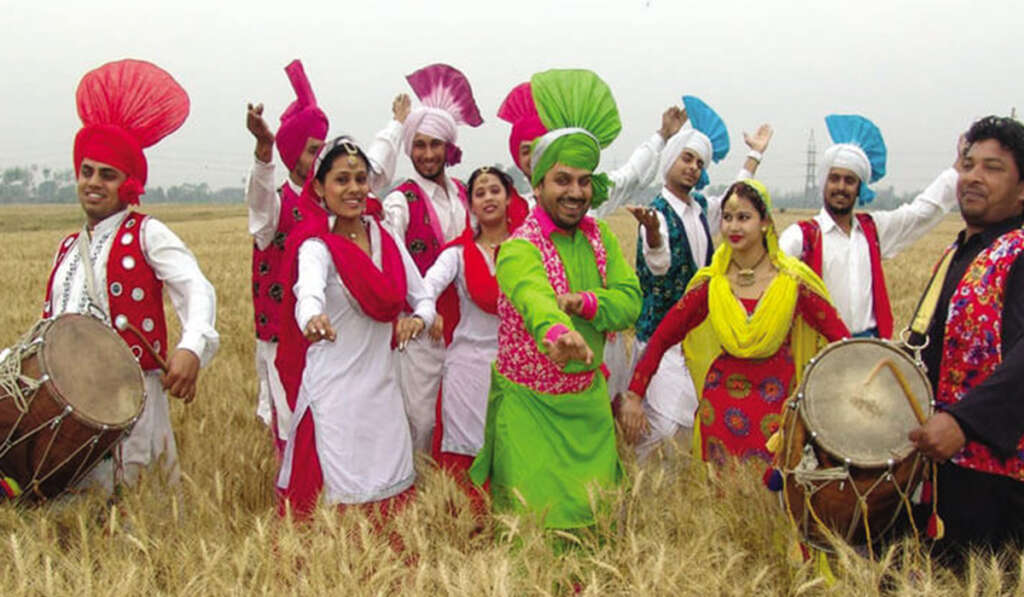
The festival of Lohri is known as a new beginning. Traditionally, Punjabi farmers consider it the start of a new financial year. Many years ago, this day was celebrated in connection with the sowing and harvesting of crops. New crops are offered to God in the Lohri bonfire, and prayers are offered for a good harvest in the future.
Connection with the Changing Seasons
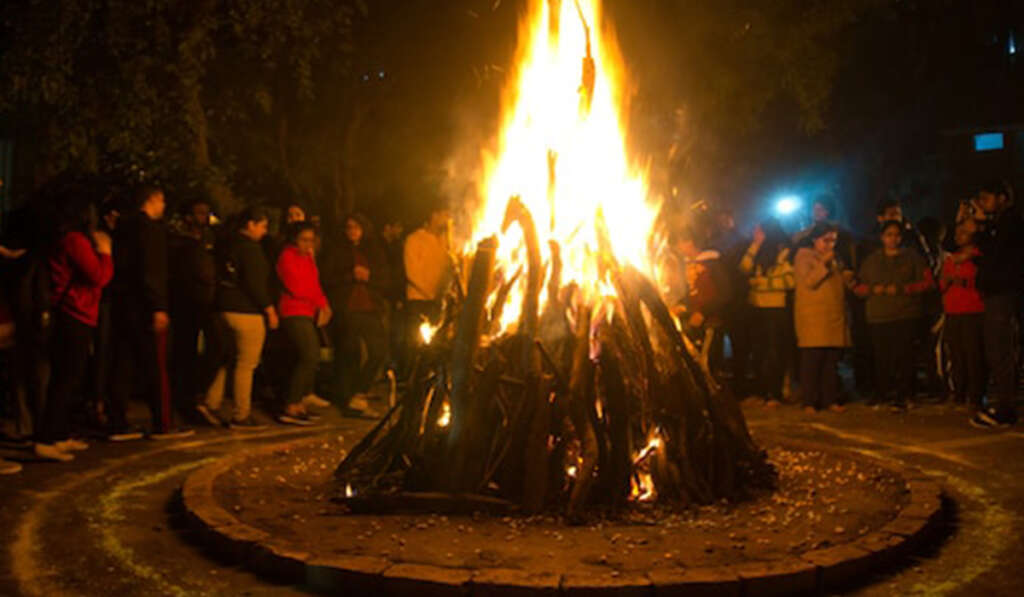
Lohri is also considered a sign of the departure of winter and the arrival of spring. This festival is nothing short of a gift for children. On the night of Lohri, people light bonfires and celebrate by singing traditional songs around them. Gathering around the bonfire, sesame seeds, jaggery, gachak (a type of sweet), rice, and peanuts are offered to the fire, and the story of Dulla Bhatti is sung.
Dulla Bhatti: The Central Figure of Lohri
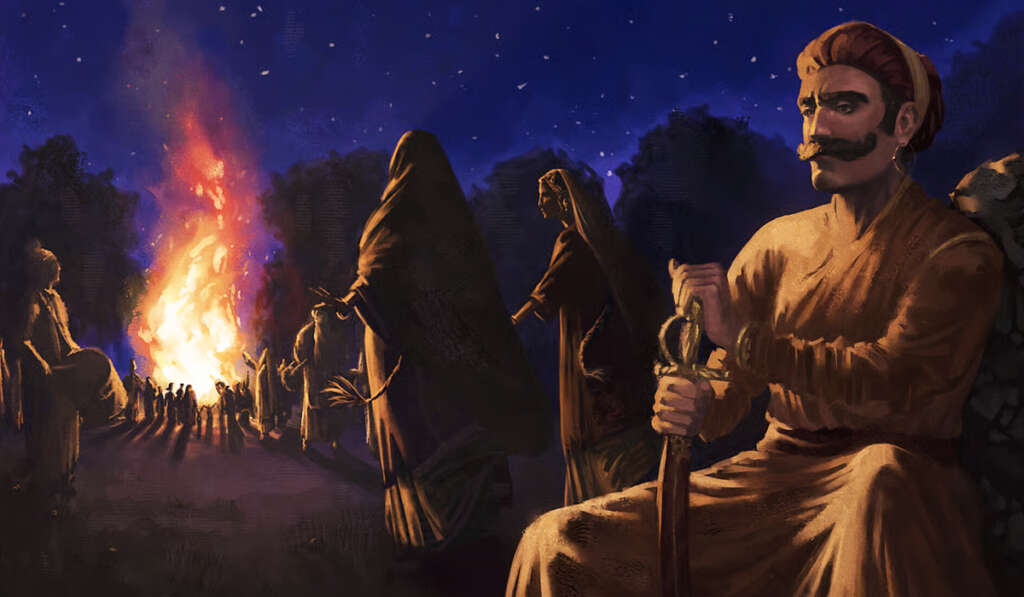
The story of Dulla Bhatti holds special significance on Lohri. It is believed that during the Mughal era, in the time of Akbar, Dulla Bhatti lived in Punjab. At that time, some wealthy merchants would sell the girls of the city in exchange for goods. Dulla Bhatti rescued these girls and even arranged their marriages. Dulla Bhatti collected jaggery, fuel, and grains as donations from the surrounding villages and, with his own hands, mixed sugar and arranged the girls’ weddings. From that day onwards, the custom of celebrating Lohri began. This festival started being celebrated every year. Since then, the tradition of narrating the story of Dulla Bhatti in remembrance of Lohri began, and even today, people remember him and sing his songs.
Even today, when children go from house to house asking for Lohri, they always sing this song:
Sundar Mundriye-Ho!
Tera Kaun Vichara-Ho!
Dulla Bhatti Wala-Ho!
Dulle Ne Dhi Viyai-Ho!
Ser Shakkar Pai-Ho!….
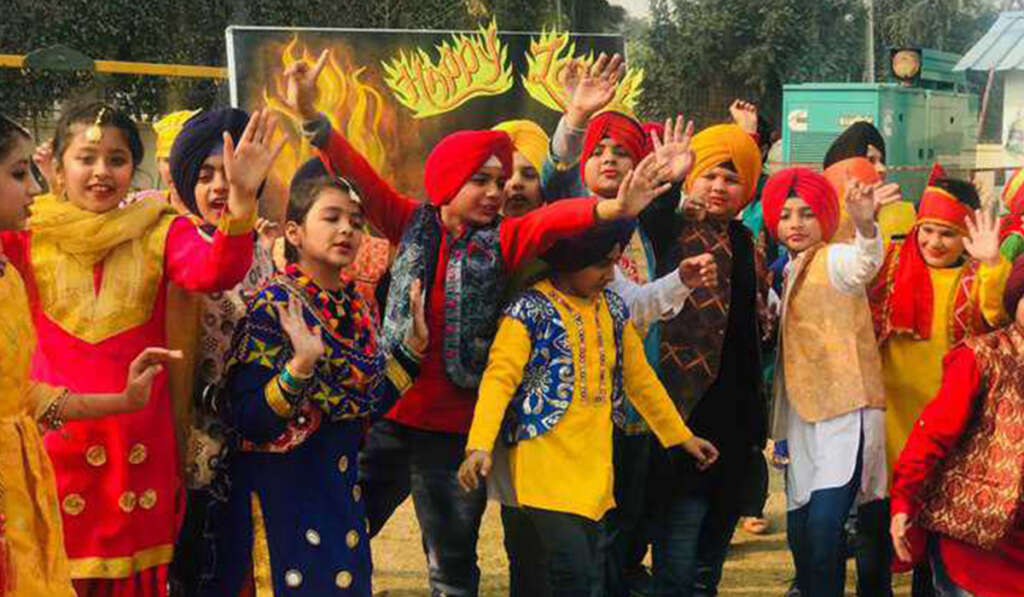
When a household delayed giving Lohri, they would sing these lines:
“Sade pairan heth rod, sanu cheti-cheti tor.
Sade pairan heth salaiyan, asi kehde vele diyan aaiyan.“
(Stones under our feet, send us away quickly.
Needles under our feet, since when have we been here?)
If a household still didn’t give Lohri, they would jokingly sing:
“Hukka bai Hukka, eh ghar bhukha.”
(Hukka, oh Hukka, this house is hungry.)
Great joy for newly married couples or newborns
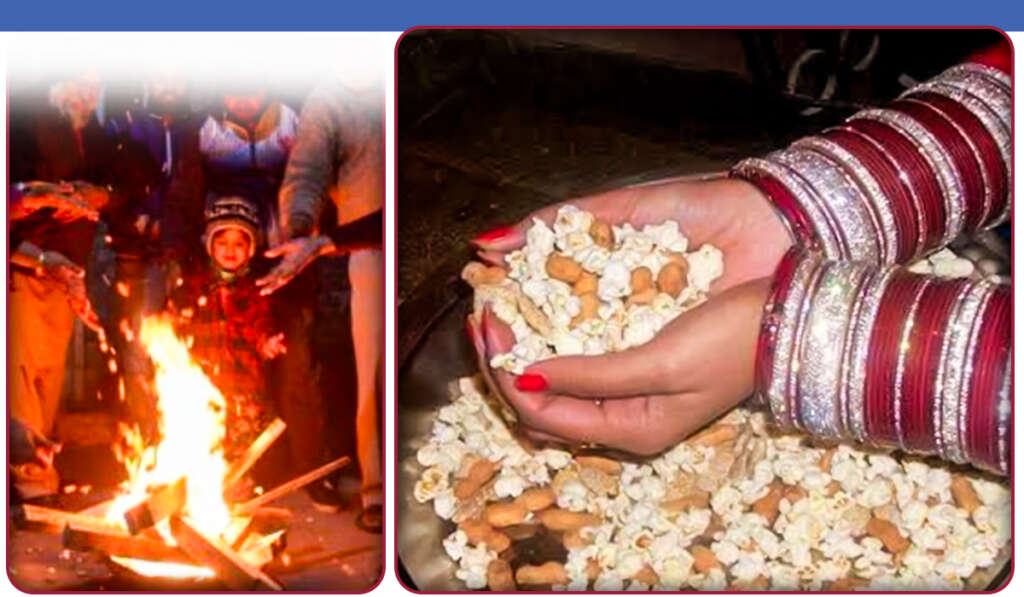
This festival has a special vibrancy in Punjab. Especially for those who are celebrating their first Lohri after marriage, it is considered essential to celebrate Lohri at home and receive the blessings of their elders. Women light the Lohri bonfire with their young children in their laps. It is believed that doing so keeps the child healthy and protects them from the evil eye.
Lohri for Daughters: Changing Mindsets, Growing Happiness
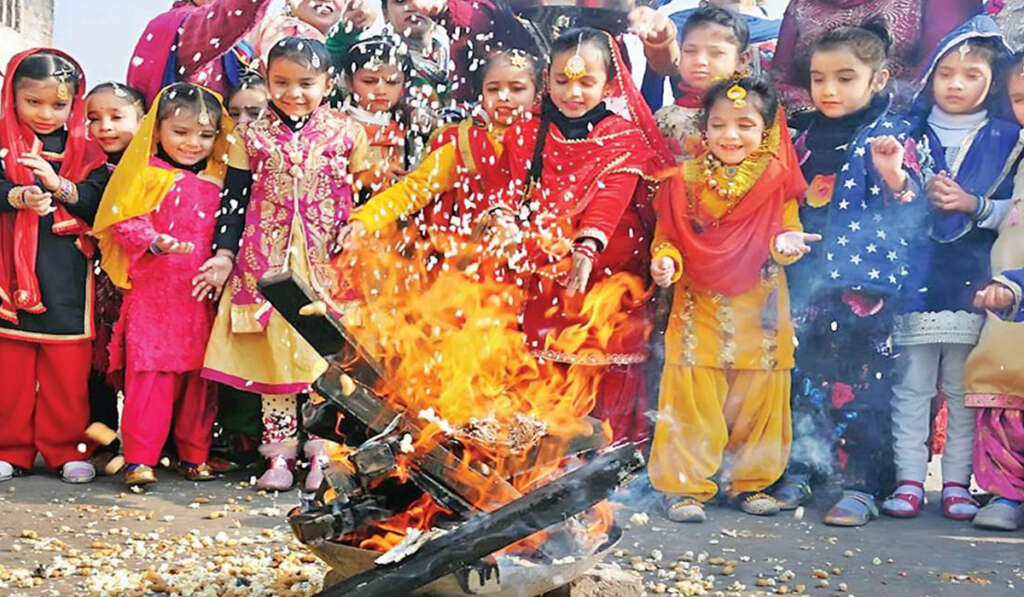
In Punjabi tradition, Lohri has always been more than just a festival; it’s a symbol of celebrating happiness with open hearts. For a long time, there was a societal belief that Lohri should only be celebrated upon the birth of a son, as sons were associated with lineage and support. However, with time, societal thinking has changed. Education, awareness, and an understanding of equal rights have taught us that there is no difference between a son and a daughter.
Today, when Lohri is celebrated even for the birth of a daughter, it becomes not just a ritual, but a celebration of gender equality. The joyous sounds of the dhol (drum), families gathered around the bonfire, and congratulations for the daughters prove that daughters are just as much a source of happiness and pride.
The Lively Scene on Rooftops
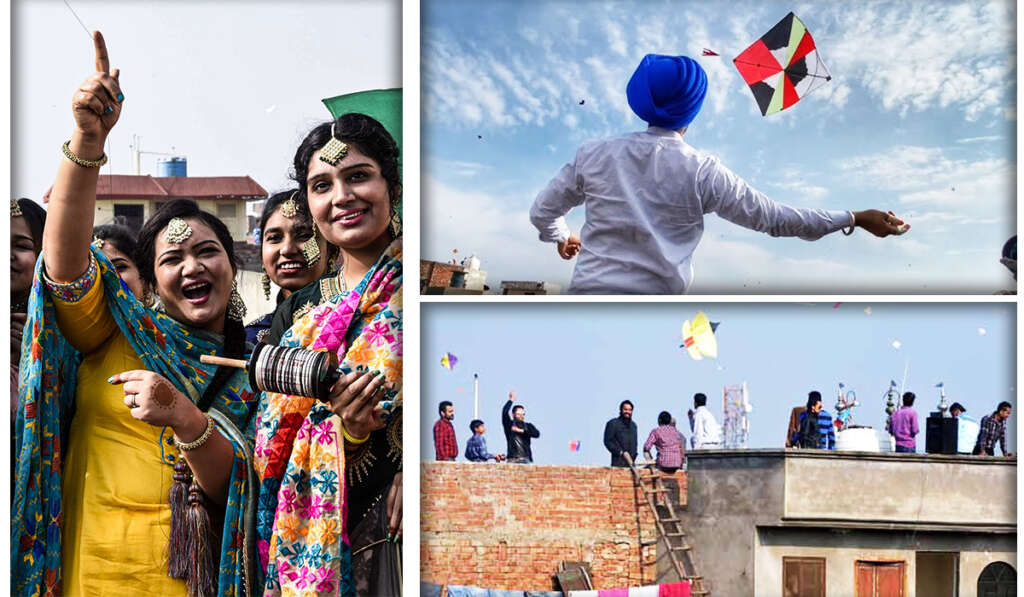
Flying kites is one of the most special aspects of Lohri. In many cities of Punjab, kite flying is so popular that on this day, people of all ages, from the elderly to children, can be seen on their rooftops. Punjabi songs blare from large speakers on the rooftops, and people enjoy sesame and jaggery cakes, peanuts, and gachak (a type of brittle). The sky fills with colourful kites. The real fun of kite flying comes when someone cuts another person’s kite, and the entire area echoes with the shouts of “Ae Bo… Kaata!” (meaning “Hey, I cut it!”).
Safety is Important Along with the Celebration
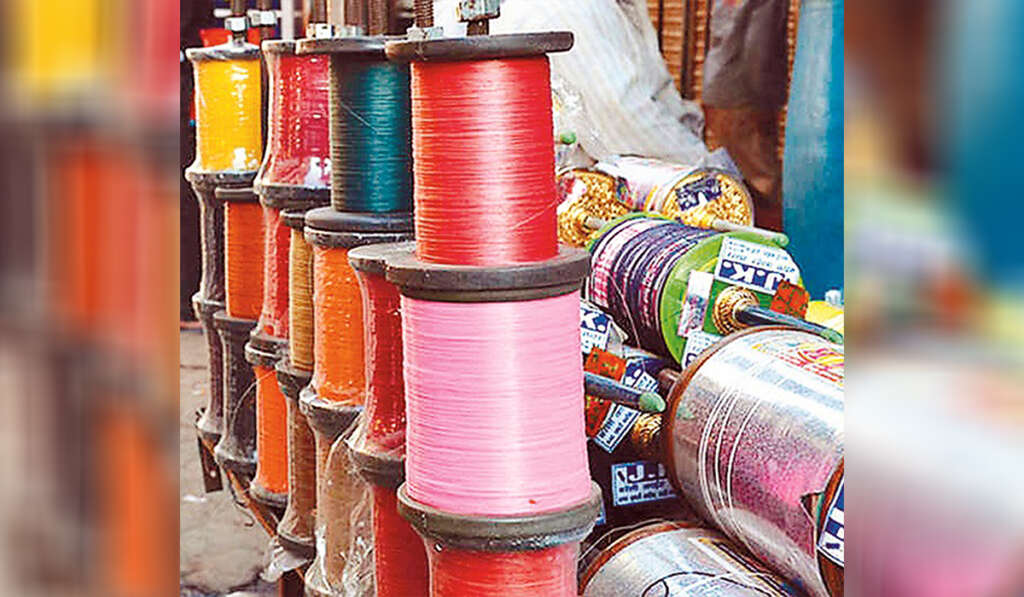
It is very important to take safety precautions while flying kites. Always use cotton thread (dor) for flying kites. Do not use Chinese kite string at all, as it is very dangerous for both birds and humans. The craze for sweets and delicacies during festivals
Traditional sweets and special dishes
Traditional sweets and special dishes are an integral part of every festival, without which no celebration is complete. Some special sweets and dishes are also popular during Lohri:
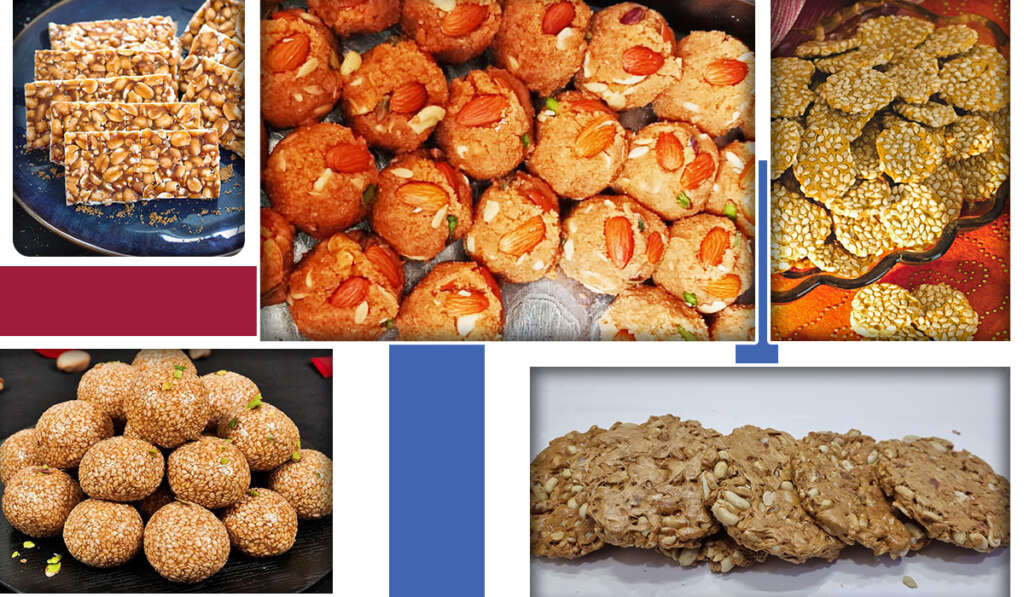
Gajak and Chikki made from sesame seeds, jaggery, and peanuts
Rewri made from sesame seeds and sugar or jaggery
Til ke Laddu made from roasted sesame seeds and melted jaggery
Pinni made from wheat flour, ghee, jaggery, and nuts
Peanut Barfi made from a mixture of roasted peanuts and jaggery
Kheer made from sugarcane juice or jaggery and sweet rice, which is specially prepared on this auspicious day
Bhugga, a sweet dish made from mawa, khoya, and sesame seeds
Murmura Laddu made from puffed rice and jaggery syrup
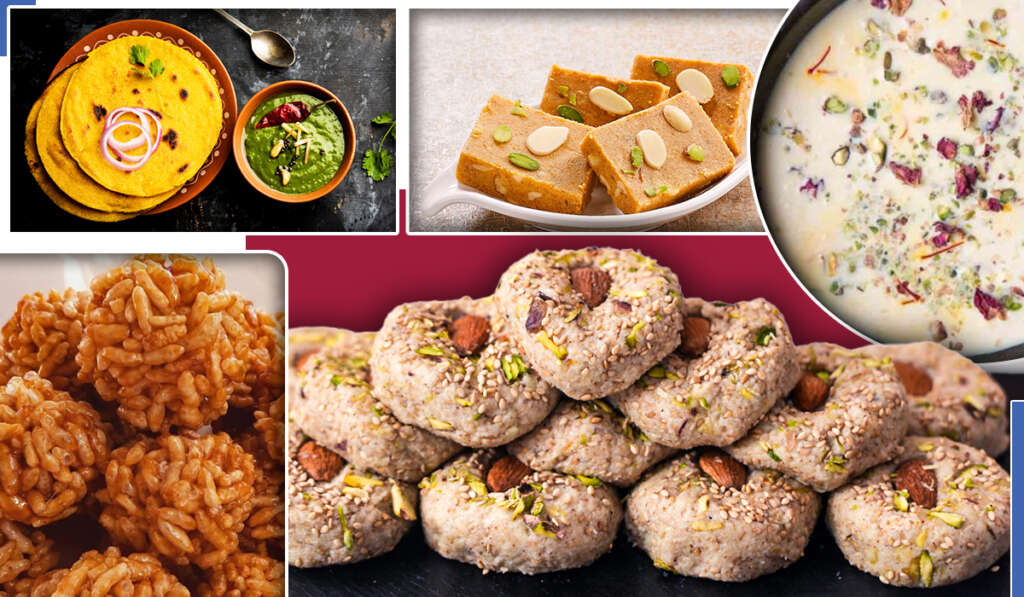
In addition to all these sweets, Sarson ka Saag and Makki ki Roti hold special significance on the occasion of Lohri.
The Night of Celebration
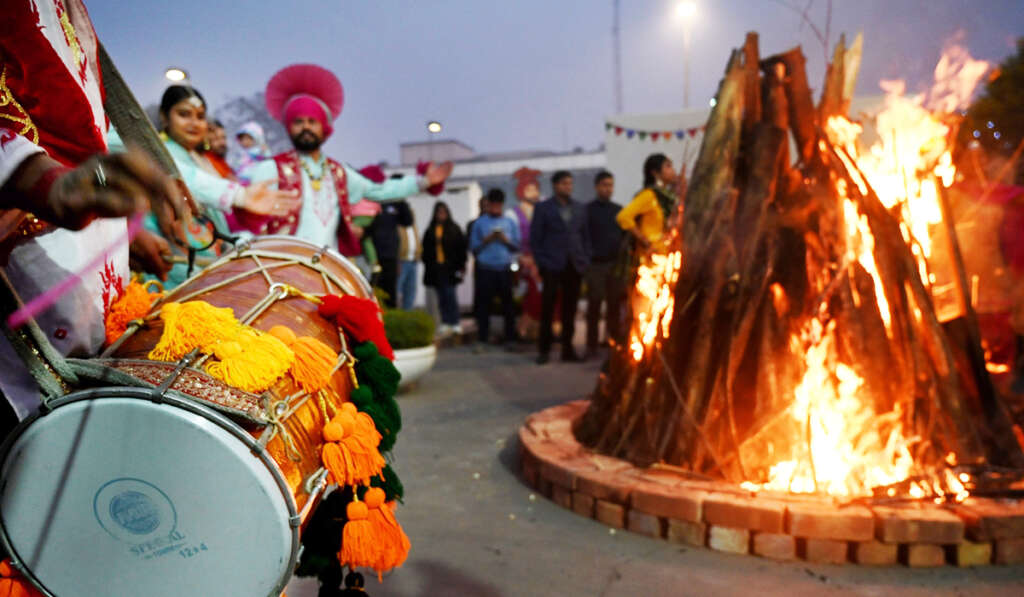
Plates filled with peanuts, rewri, sesame seeds, and corn are taken to the Lohri celebration house. In the open courtyard, a pile of wood or cow dung cakes is made and set on fire, which is called Bhugga. All the family members rejoice and sit around the burning Bhugga, offering sesame seeds, sorghum, and peanuts to the fire.
This symbolizes praying to God for blessings, protection from sorrow and difficulties, and the burning away of all troubles.
The Sadda Punjab team wishes you all a very Happy Lohri!



Leave a Comment