

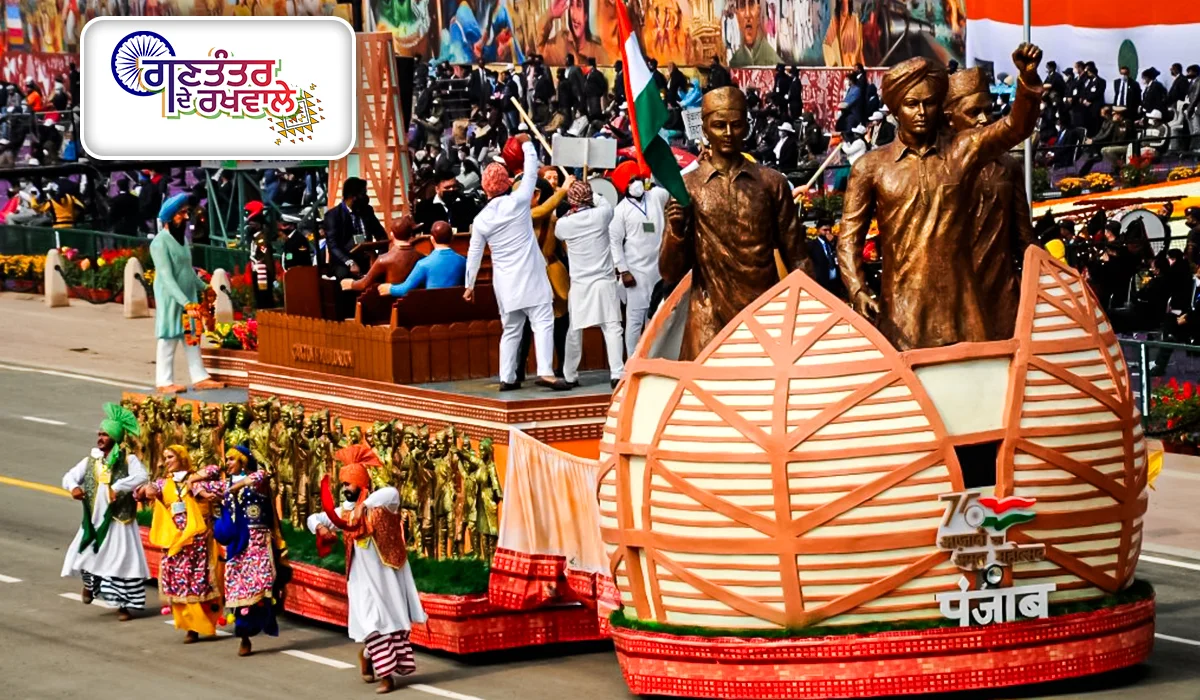

The history of India’s freedom struggle is incomplete without the passionate chapter written by the land of five rivers. Punjab, with its unique geopolitical position and long tradition of resistance, emerged as one of the most powerful centres of revolutionary nationalism in colonial India. From early anti-colonial resistance such as the Namdhari (Kuka) movement to the radical Ghadar uprising, Punjab’s contribution reflects a fearless political culture that steadily moved towards the demand for Purna Swaraj (complete independence).
Lala Lajpat Rai: Intellectual Architect of Nationalism
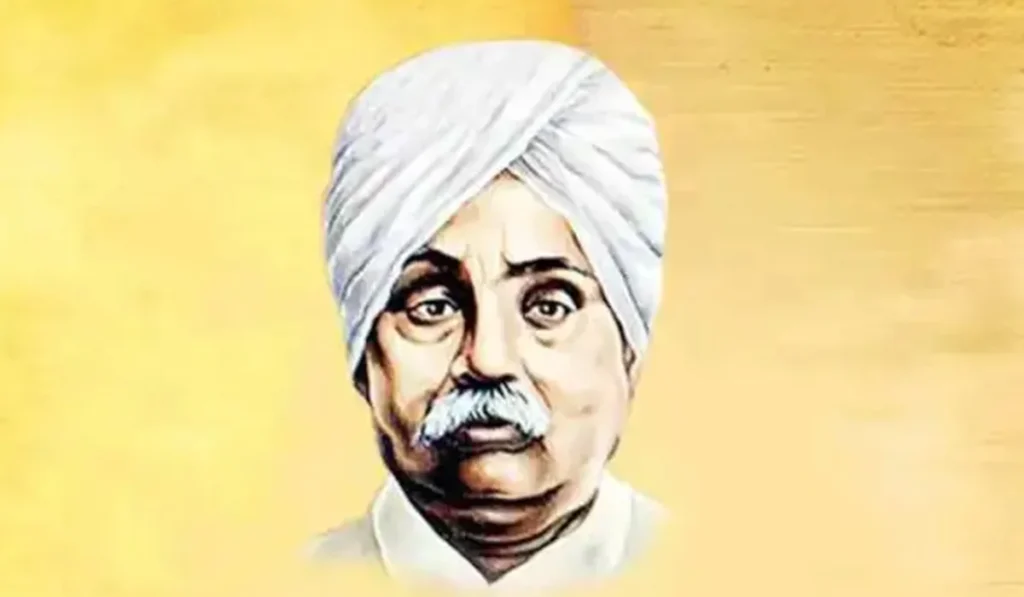
Lala Lajpat Rai’s legacy forms a cornerstone of Indian nationalism. As one of the three leaders of the famed “Lal–Bal–Pal” trio—alongside Bal Gangadhar Tilak and Bipin Chandra Pal—he helped shift the Indian National Congress away from petitions and appeals towards resistance and self-reliance. Rai was a multifaceted visionary: an educationist associated with the DAV movement, a social reformer linked with the Arya Samaj, and a pioneer of Indian banking through the establishment of Punjab National Bank.
However, his most memorable legacy remains his opposition to the Simon Commission in 1928. While leading the protests in Lahore, he was brutally lathicharged by the British police. Despite mortal wounds, his voice remained unwavering, and he uttered these prophetic words: “Every blow I receive today will prove to be the final nail in the coffin of British imperialism in India.” His death was not just the loss of a leader, but a spark that gave birth to a new, more radical phase of the freedom struggle, and directly inspired the youth of Punjab to fight for justice.
Flame of Youth: Bhagat Singh and the HSRA
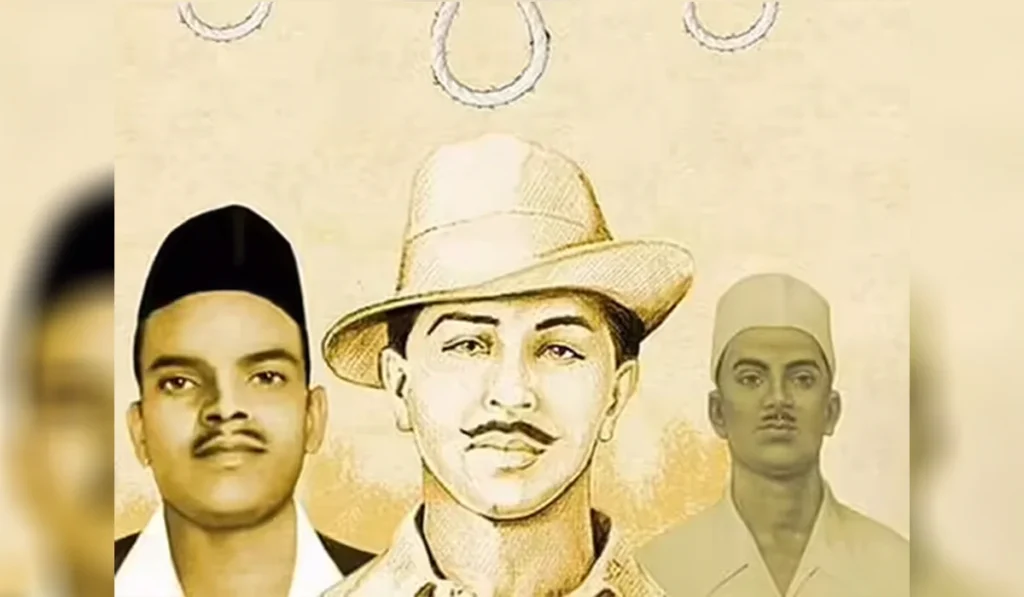
Lala Lajpat Rai’s martyrdom became a defining catalyst for revolutionary groups such as the Hindustan Socialist Republican Association (HSRA). Bhagat Singh, Sukhdev and Rajguru—icons of Punjab’s revolutionary youth—viewed his death as a moral turning point. Bhagat Singh’s intellectual commitment to socialism and his fearless conduct during the Lahore Conspiracy Case transformed him into a symbol of youth resistance. His execution in 1931 echoed across Punjab, turning sacrifice into political consciousness.
Ghadar Movement
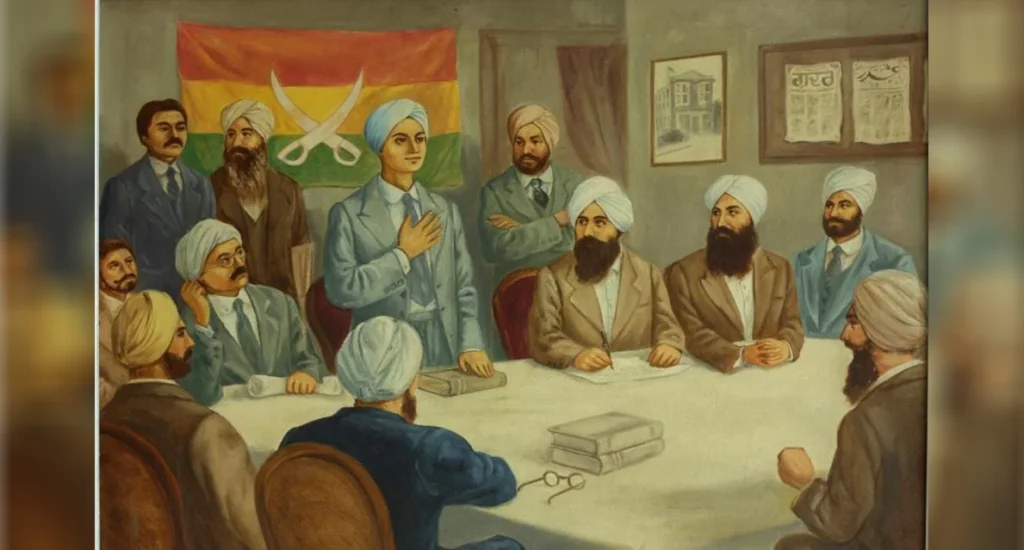
The revolutionary spirit of Punjab was never confined to its geographical boundaries. The Ghadar Party, founded mainly by Punjabi immigrants living in North America, demonstrated the global reach of Indian nationalism. Leaders like Kartar Singh Sarabha, who was martyred at the age of just 19, put forward a radical, secular vision of freedom. Their slogan, “Ghadar di Gunj” (the echo of rebellion), inspired both soldiers and peasants to dream of an armed uprising that would uproot the British Empire.
Martyrdom of the Soil: Jallianwala Bagh and Udham Singh
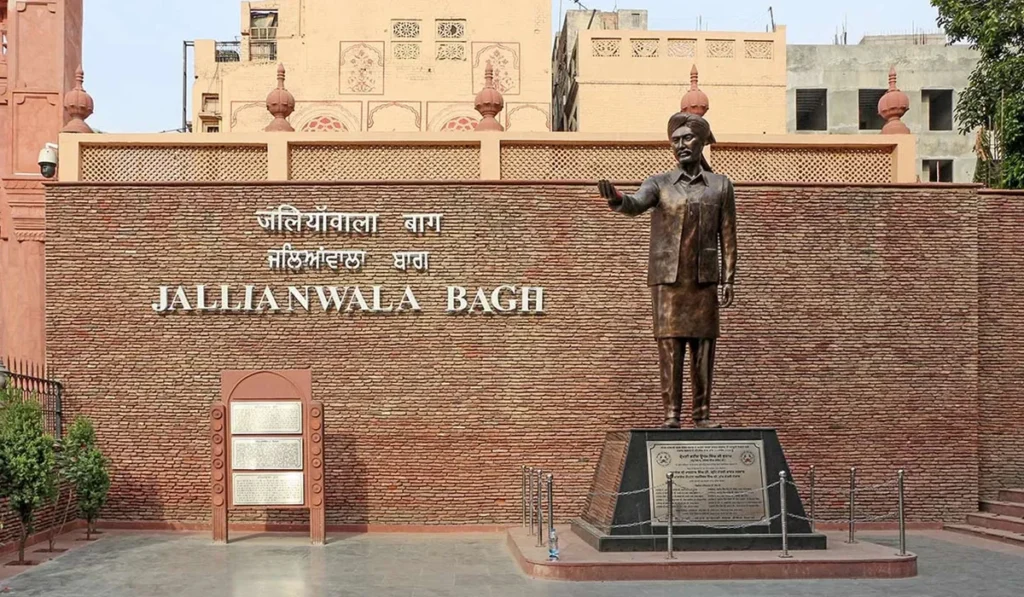
The wounds of the Jallianwala Bagh massacre of 1919 remain etched into Punjab’s collective memory. The killing of hundreds of unarmed civilians on General Dyer’s orders shattered any remaining illusion of British moral authority. This violence radicalised public opinion across India. Years later, Shaheed Udham Singh carried this memory across continents, ultimately assassinating Michael O’Dwyer in London—an act that symbolised the long reach of justice in the Punjabi revolutionary imagination.
A Legacy of Unity and Sacrifice
The freedom fighters of Punjab – from the intellectual Lala Ji to the revolutionaries Bhagat Singh and Udham Singh – had one thing in common: a disregard for their lives for national honour. They crossed the boundaries of religion and caste and fought under a single banner of Indian identity.
Today, when we look back at the history of our republic, Punjab’s contribution is proof that freedom is never given; it is earned through the sacrifice of the brave. The enduring legacy of Lala Lajpat Rai and his comrades continues to remind us that the strength of a nation lies in its ability to stand firm against injustice, a spirit that remains the heartbeat of modern India.
Punjab’s Distinct Contribution
What set Punjab apart was not just resistance, but its fusion of intellect, sacrifice and mass participation. Revolutionaries, farmers, workers, migrants and students contributed to a culture where freedom was not negotiated but demanded. Punjab’s history shows that nationalism was not only debated in halls but lived in prisons, gallows and exile.

Leave a Comment