
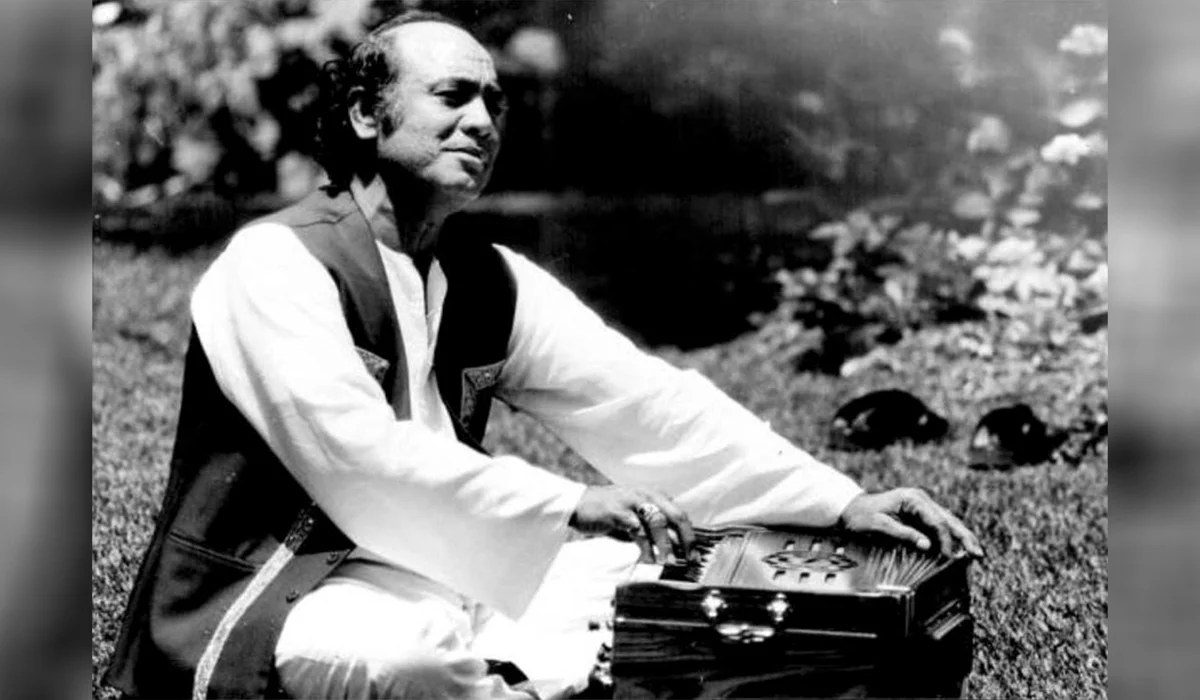

Jhunjhunu is a district in Rajasthan’s Shekhawati region. In the village of Luna, in the Alsisar tehsil of Jhunjhunu, several Muslim families of singers had lived for nearly fifteen generations. It was a time when art and music were patronised, and the landed elites of Shekhawati were known to be particularly generous supporters of the arts.
Among the most respected names in Dhrupad singing across the region was Ustad Azeem Khan, who lived in Luna and often performed at mehfils alongside his younger brother, Ustad Ismail Khan.
On 18 July 1927, a child was born in Azeem Khan’s home. He was named Mehdi Hassan. The name Mehdi signifies one who receives divine guidance to walk the righteous path. Like other village children, Mehdi Hassan’s childhood might have been spent herding goats and playing in the sandy lanes and winding paths of Luna. But he was born into an artistic lineage. At the age of four or five, his father and uncle breathed the first note into his ear. And when, in the glow of that first musical awakening, the child uttered his first “Sa,” it must have felt as though the entire universe had smiled.
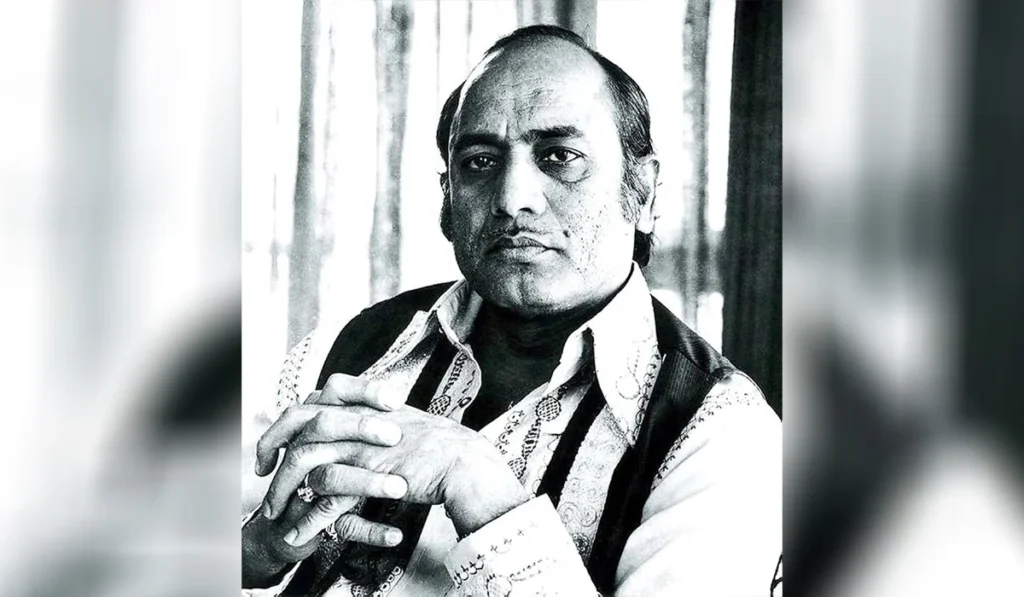
At the age of eight, in Fazilka, then part of undivided Punjab in Dhrupad and Khayal singing. The next ten to twelve years were filled with intense riyaaz. Under the guidance of his elders, he mastered most ragas, including their most intricate and demanding nuances.
Then came 1947.
After Partition, the entire Hassan family migrated to Pakistan. Chichawatni in the Sahiwal district became Mehdi Hassan’s place of work. Whatever little savings the family had must have lasted only a few difficult days. In the midst of financial hardship and the daily struggle for survival, who had the luxury to think of music?
Mehdi Hassan first found employment at a bicycle repair shop called Mughal Cycle House. While fixing punctured tyres and straightening handlebars, he also learned to repair cars and diesel tractors from experienced mechanics. Soon he became known locally as a skilled mechanic and began travelling to nearby villages to repair engines and even tube-wells.
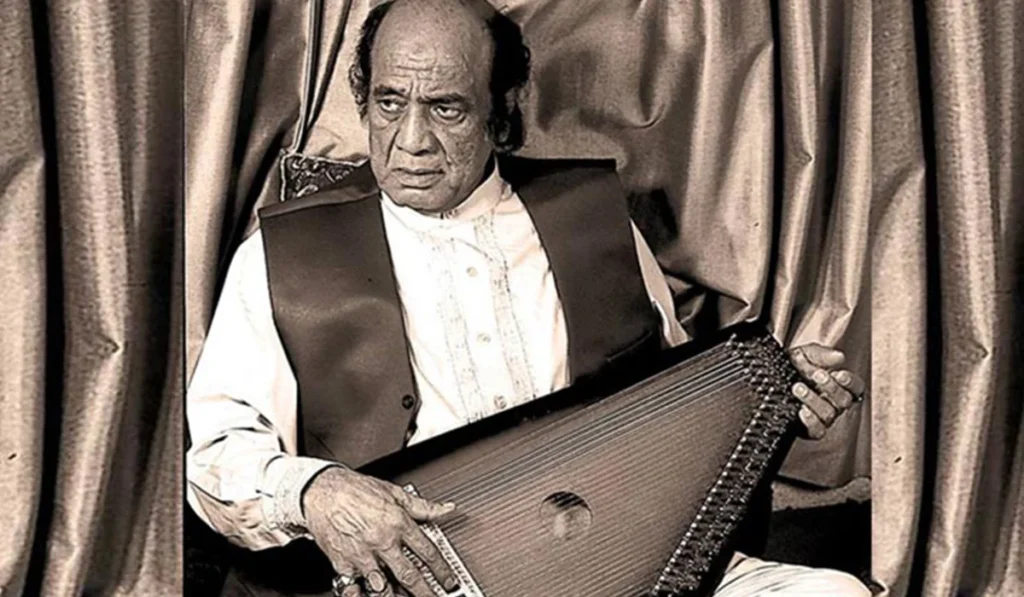
His only remaining connection to music was an old single-band radio. After long, exhausting days of work, it became his companion in solitude. If a station happened to broadcast classical music, he would listen for hours. Then he would rise, take out his tanpura, and practise late into the night.
Those difficult days turned into weeks, months, and then years. But Mehdi Hassan never stopped practising. Amidst the fumes of burning diesel and the noise of machines, his soul dwelt in the serene realm of music, waiting for nightfall.
Ten years of such disciplined riyaaz passed before, in 1957, he was finally given an opportunity to sing a thumri on radio. After his first broadcast, years later, he gradually found the company of fellow musicians. But he also discovered that after Partition, the number of patrons of art and music had nearly vanished. The few established singers and musicians who remained were simply passing time. Among them, there was little interest in engaging with the government either.
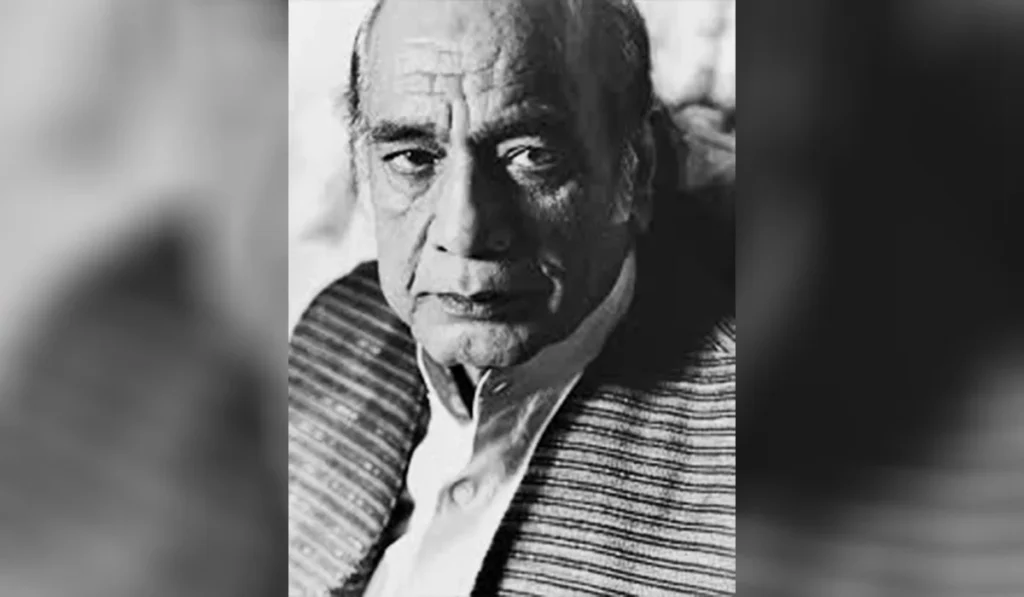
Mehdi Hassan, who had already devoted twenty-five of the most precious years of his life to practice, was not one to surrender to despair. By then, he had developed a deep understanding of both music and poetry. He had memorised hundreds of ghazals by great masters and would often weave their verses into conversations with friends.
The day Ustad Mehdi Hassan Khan made the final decision to step away from pure classical performance and embrace ghazal singing, perhaps the universe danced in celebration.
To speak of his singing is like speaking of water itself. Everyone knows water, and the many names by which it flows.
Ustad Mehdi Hassan possessed the gentle yet relentless power of long, tireless practice. With it, he carved pathways through the most impenetrable rocks of music.
Water does the same.
Leave a Comment