

The area known as Heera Mandi, situated between Bazaar Sheikhupurian and the Baroodkhana in Lahore, was famous for its kothas. These salons may be regarded as cradles of distinctive Indian classical forms such as thumri and ghazal. In the early twentieth century, recording companies like HMV and Columbia were entering India. Thanks to them, many voices from these Lahore kothas reached the wider world—voices that otherwise, like those of their foremothers, might have faded into anonymity.
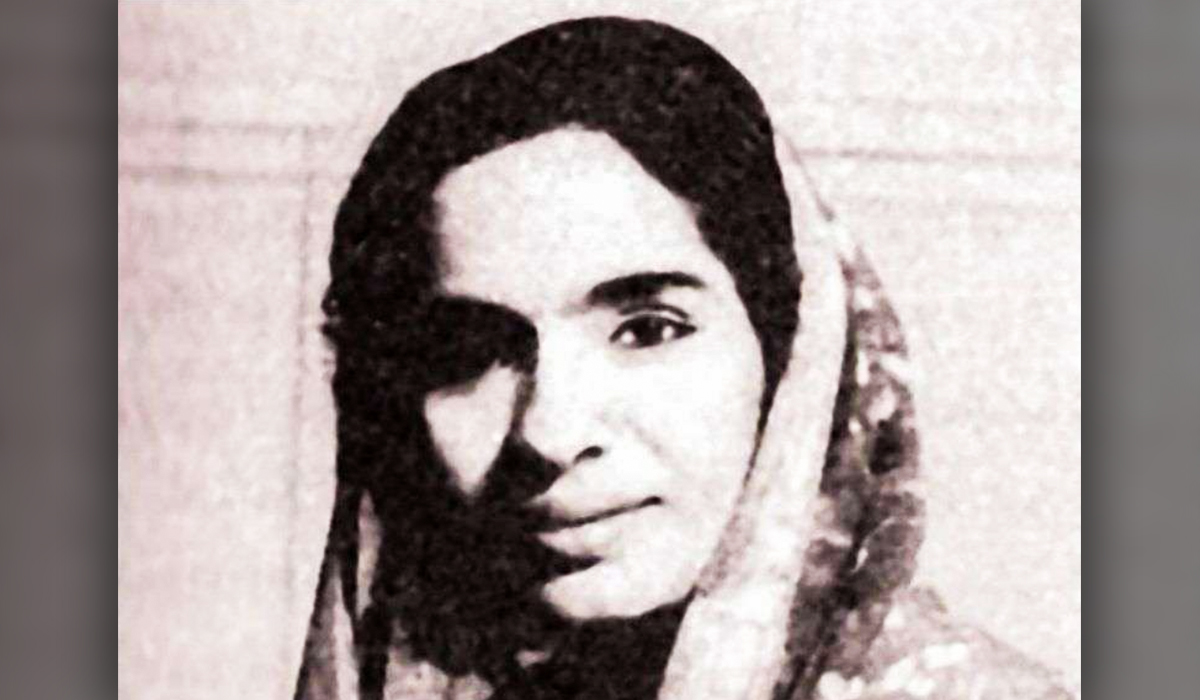
In one such kotha in Heera Mandi – often called the “the famed bazaar-e-husn (courtesans’ quarter)” – a girl named Gulzar Begum was born in 1918 to Sardar Begum. At Sardar Begum’s establishment, classical singing was given precedence over dance, and through the patronage of a few affluent admirers, it had retained elite status in that part of Lahore for generations. Sardar Begum’s elder son, Haji Umar, was a noted flautist.
At the age of seven, Gulzar was placed under the tutelage of Ustad Fida Hussain. After nine years of rigorous training in classical music, she gave her first public performance at her mother’s mehfil in 1934.
An interesting detail accompanies that debut. At the time, two well-known singers named Gulzar were already performing in Lahore’s kothas—Gulzar Bibi, elder sister of Noor Jehan, and Miss Gulzar, the first heroine of Lahore’s silent films. No one knows which clever mind decided to rename this exceptionally gifted sixteen-year-old singer “Tamancha Jan.”
It was also an era when bold actresses such as Esther Victoria Abraham, Firoza Begum, Devika Rani, Naseem Bano, and Jaddan Bai dominated Indian cinema. Reigning above them all was Mary Ann Evans, born in Australia, whom Wadia Movietone presented as Fearless Nadia. After the release of Hunterwali, this fair-skinned actress in leather boots, cracking her whip, became a cult icon. Perhaps sensing the spirit of the times, some wealthy and influential patron bestowed the name Tamancha Jan upon her. To justify it, she later began tying a small pistol at her waist while singing. It is worth noting that despite their mastery of music and dance, such women were often saddled with sensational or suggestive names like Tamancha, Chhappan Chhuri, or Solah Saal.
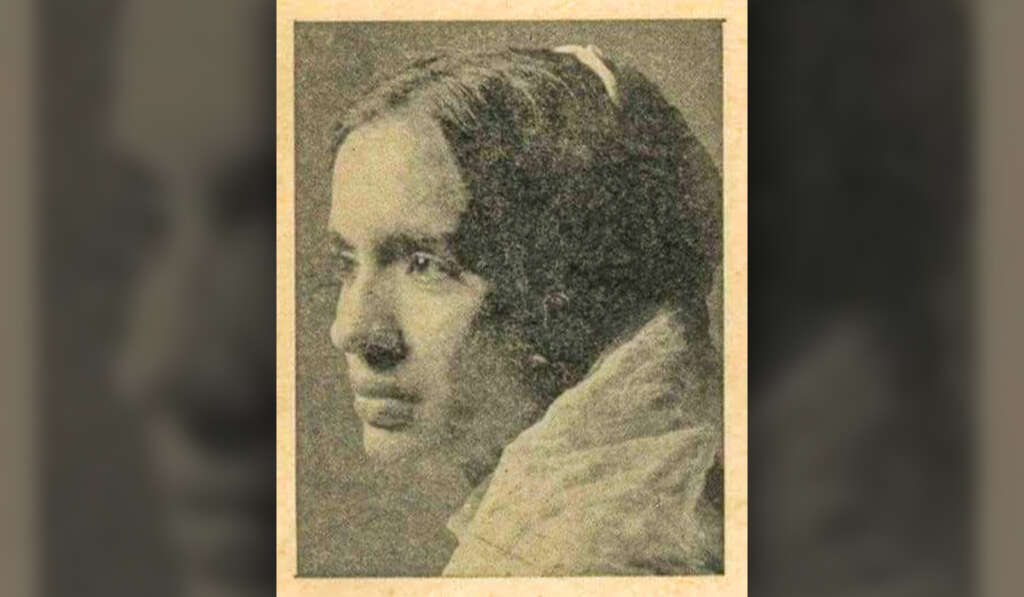
In any case, Tamancha Jan had to carve out her identity among Lahore’s discerning connoisseurs. She faced stiff competition from celebrated singers such as Inayati Suniari, Shamshad Alipurwali, and Anwari Sialkotan, for the patrons of Heera Mandi possessed refined musical taste. Determined to excel, she continued her training and devoted herself to perfecting her art.
Her sharp features, and the expressive play of her face, eyes, hands, and fingers while singing, enchanted Lahore. Like the renowned female voices of her time, her voice carried strength, deep command over pitch, and an impressive range. Soon she was recording Punjabi folk songs for the Zonophone Company with Master Ghulam Haider. As her fame spread, Columbia Records released albums of her devotional music and ghazals. Master Ghulam Haider also had her sing a song in the film Gul Bakawali, likely her only film song. Notably, it was the same Ghulam Haider who introduced Noor Jehan and Lata Mangeshkar through their early recordings.
Film offers began coming her way, but she declined them, saying that appearing in films would reduce the number of patrons visiting her kotha. Then, in 1937, Lahore Radio began broadcasting. This new venture included writers such as Kartar Singh Duggal and Amrita Pritam, along with singers like Zeenat Begum, Surinder Kaur, and Tamancha Jan. On radio, she astonished listeners with the breadth of her artistry. Alongside Punjabi, her singing reflected influences of the Lucknow and Banaras styles. In her ghazal renditions, one could hear the depth and maturity associated with Kundan Lal Saigal and Begum Akhtar.
The first half of the 1940s marked the peak of her fame. Such was her popularity that so much money was offered in a single mehfil that it had to be gathered in sheets at a single mehfil. Then Partition happened. In that tragic period of violence and religious hostility, most of her patrons were either killed or forced to leave. After 1947, Tamancha Jan stopped singing.
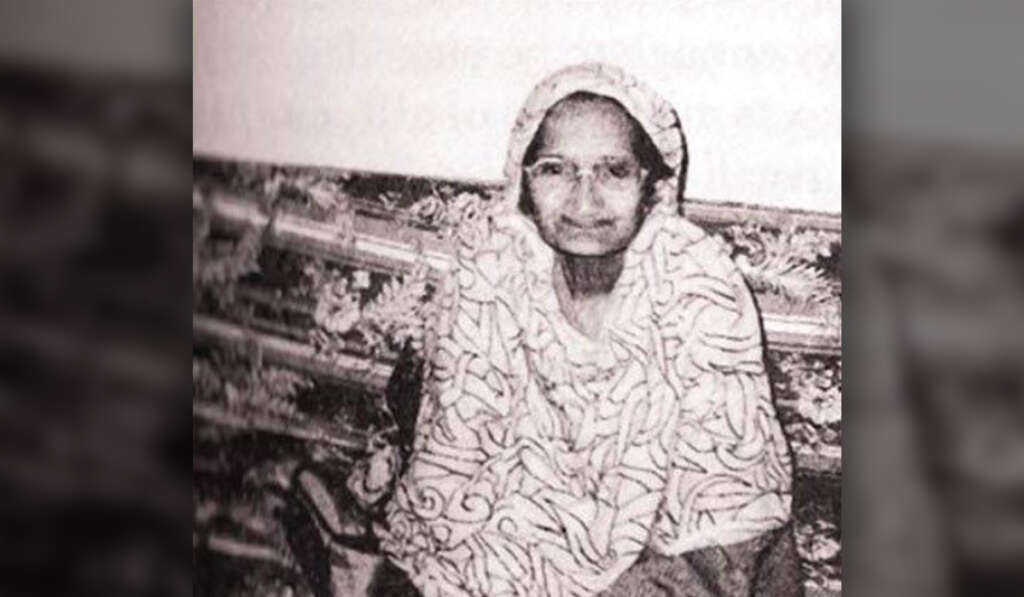
Like many of its finest treasures, the world eventually forgot her. Writer Pran Neville, who had heard her sing “Deewana Banana Hai To Deewana Bana De” in his youth, sought her out nearly fifty years later when he visited Lahore. He found her elderly, impoverished, and living in obscurity. He recorded that encounter in one of his books.
In Punjabi folklore, Jagga Jatt—also known as Jagga the bandit—held the stature of a hero, much like Sultana Daku in northern India. Jagga openly defied the British government, looted their treasuries, and distributed the wealth among the poor. This “Robin Hood of Punjab” was treacherously killed by the British in 1931 at the age of just twenty-nine.
Soon after his death, numerous songs about his life were composed, and they are still sung with great affection. While famous singers like Shaukat Ali, Alam Lohar, and Bashir Lohar later popularized these songs, it was Tamancha Jan who first sang:
“Jagga jammiya te milan vadhaiyan.”
Jagga Jatt and Tamancha Jan were almost contemporaries. It is tempting to imagine Jagga arriving at her kotha to hear her sing, filling her lap with rewards in delight—and perhaps even restoring her name to Gulzar Begum, for such a beautiful voice deserved a far more fitting name than Tamancha.


Leave a Comment