

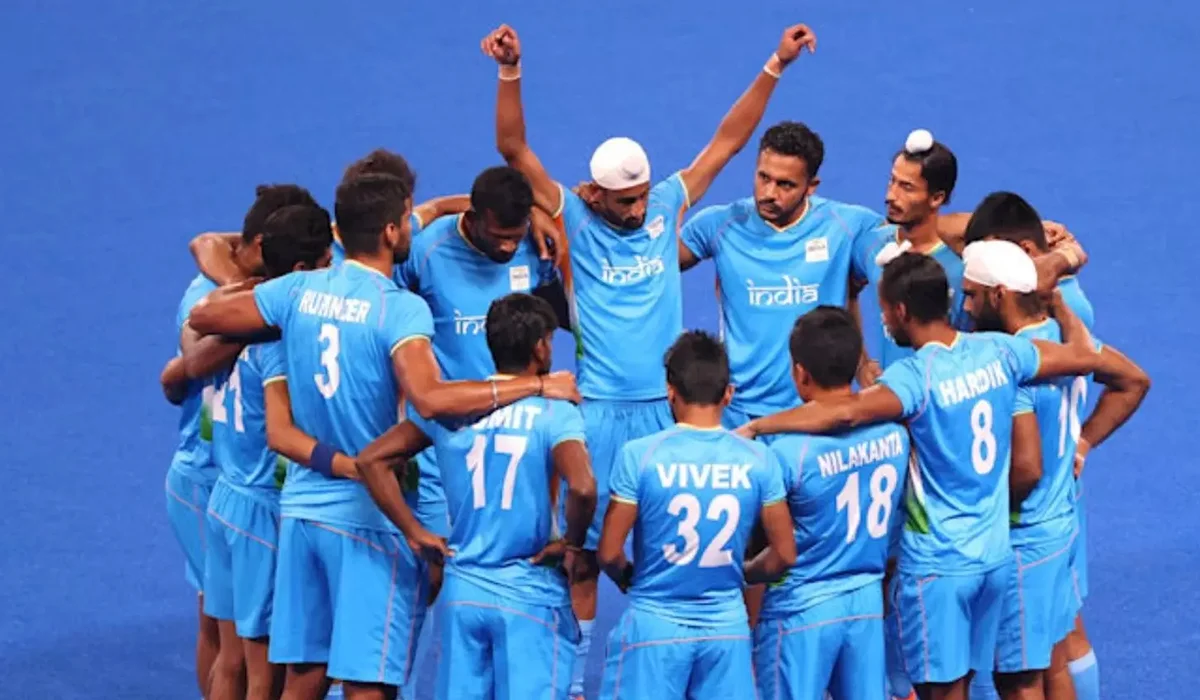

Whenever the sporting heritage of the nation is discussed, hockey is among the first names that comes to mind. And whenever hockey is mentioned, Punjab’s name naturally becomes part of that conversation. This is not merely the contribution of one state; it is part of a culture, a legacy preserved and passed down through generations.
The soil of Punjab has produced countless heroes who have brought pride to India in the Olympics, World Cups, Asian Games, and many other international tournaments. This journey is not limited to medals; it is a long story of hard work, discipline, patience, and collective social support.
Historical Background
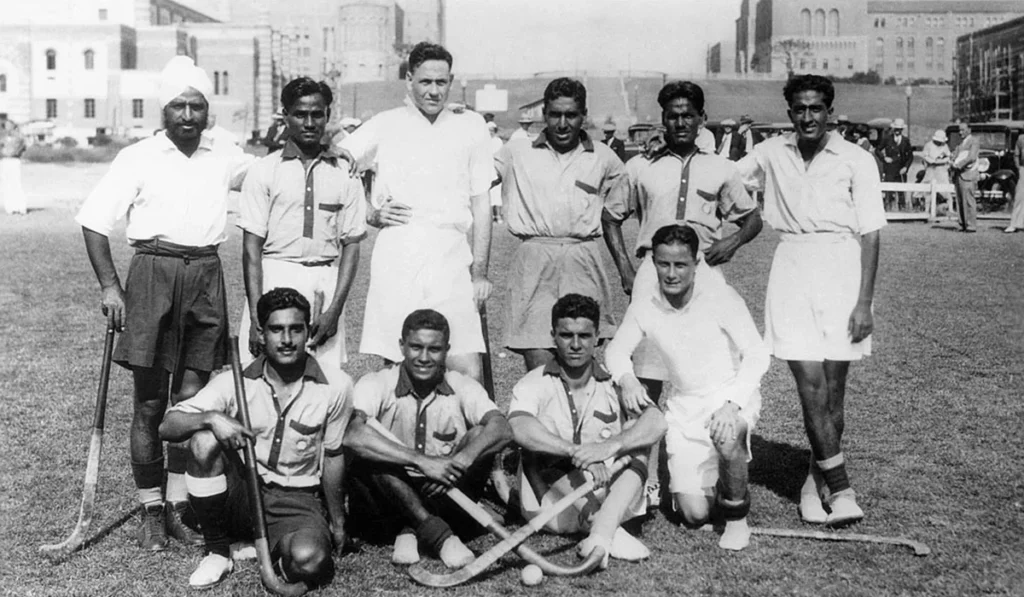
Hockey came to India during British rule. In the late 19th century, the game began spreading through British army officers and educational institutions. Punjab, which was then a major center for military recruitment, quickly embraced the sport.
Cities such as Lahore (now in Pakistan) and Amritsar saw the formation of hockey clubs. In military regiments, hockey was used as a tool for discipline and teamwork. From there, the sport gained popularity among Punjabi youth.
From the 1928 Amsterdam Olympics to the 1956 Melbourne Olympics, India won six consecutive gold medals. During this golden era, several players from Punjab were part of the national team. It was a time when India ruled world hockey.
Sansarpur – The Nursery of Indian Hockey
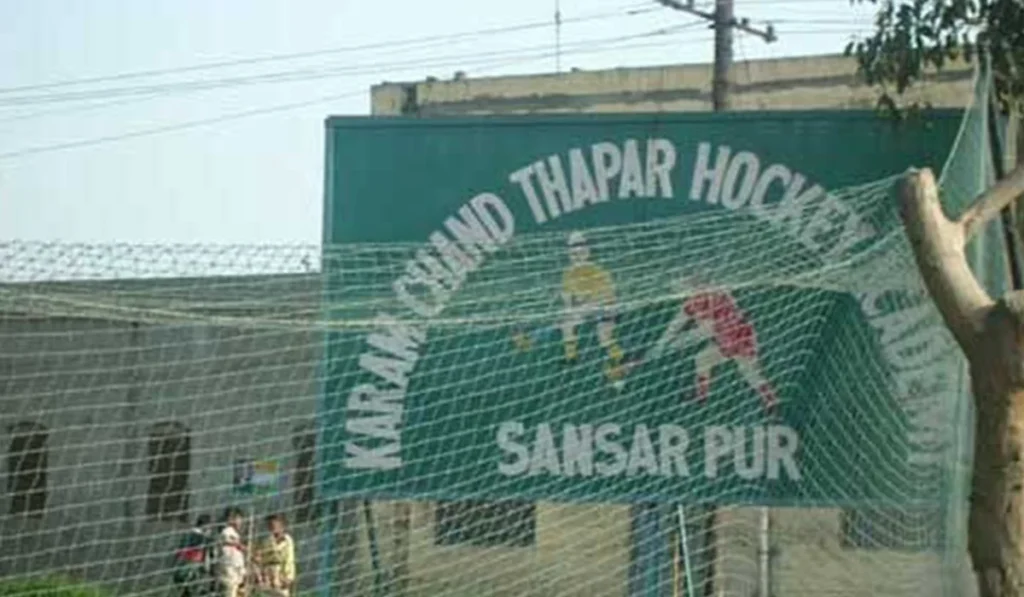
The village of Sansarpur in Jalandhar district holds a special place in hockey history and is often called the “Nursery of Indian Hockey.” The village has produced more than 300 players who represented various teams in India and abroad. Among them, 14 players represented India in Olympic matches.
At the 1968 Mexico Olympics, seven players from Sansarpur were selected at one time—five for India and two for Kenya. This was not merely a contribution from a village; it was an inspiration for Indian hockey.
Sansarpur produced many legendary players. Among the most famous was Udham Singh Kular, who represented India in the 1952, 1956, 1960, and 1964 Olympics and won medals on four different occasions.
Another prominent name is Ajit Pal Singh Kular, who represented India in the 1968, 1972, and 1976 Olympics and captained the team. He was also part of the team that won the 1975 Hockey World Cup.
Other notable players from Sansarpur include Gurdev Singh Kular, who won a gold medal at the 1956 Melbourne Olympics, and Colonel Balbir Singh Kular, who delivered impressive performances in the 1964 and 1968 Olympics as well as other international competitions.
Mithapur and the Contribution of Modern Punjabi Players

Just as Sansarpur strengthened Indian hockey during the historical golden era, the village of Mithapur near Jalandhar has made a significant contribution in modern times. This village is also known for its passion for hockey and its discipline. Even today, hockey thrives in its streets and fields. Young children begin practicing at an early age, and the community fully supports them.
The most prominent name from Mithapur is Manpreet Singh. He has been a key midfielder for the Indian hockey team and has also served as captain. Under his leadership, India won a bronze medal at the Tokyo Olympics 2020, ending a 41-year Olympic medal drought. This victory was not just for the team, but a proud moment for the entire nation and Punjab. Manpreet’s speed, determination, and leadership have been clearly visible in his game. He also played a significant role in the 2023 Asian Games and other international tournaments.
Mithapur has also produced forward Mandeep Singh, who has scored crucial goals in important matches. Additionally, Varun Kumar strengthened the team’s defense with consistent performances. These players have represented India in major tournaments such as the World Cup, Asia Cup, and Champions Trophy.
In modern times, Harmanpreet Singh deserves special mention. He is one of the main defenders of the Indian team and is renowned as a penalty corner specialist. His hard work and consistent performances have helped India secure several international victories. In events such as the Paris Olympics 2024 and the Asian Games 2023, the strong presence of Punjabi players proved that Punjab remains the backbone of Indian hockey.
Punjabi’s in Modern Olympics, World Cups, and Asian Games
The Tokyo Olympics 2020 marked a historic turning point for Indian hockey. After 41 years, India won a bronze medal, signaling its resurgence on the world stage. Several key players from Punjab were part of that team. Captain Manpreet Singh held the squad together with strong leadership. Harmanpreet Singh scored six goals through penalty corners, playing a crucial role in the team’s success. Mandeep Singh strengthened the forward line with aggressive play, while Hardik Singh maintained balance in midfield. In the thrilling 5–4 victory against Germany, Punjabi players played a decisive role.
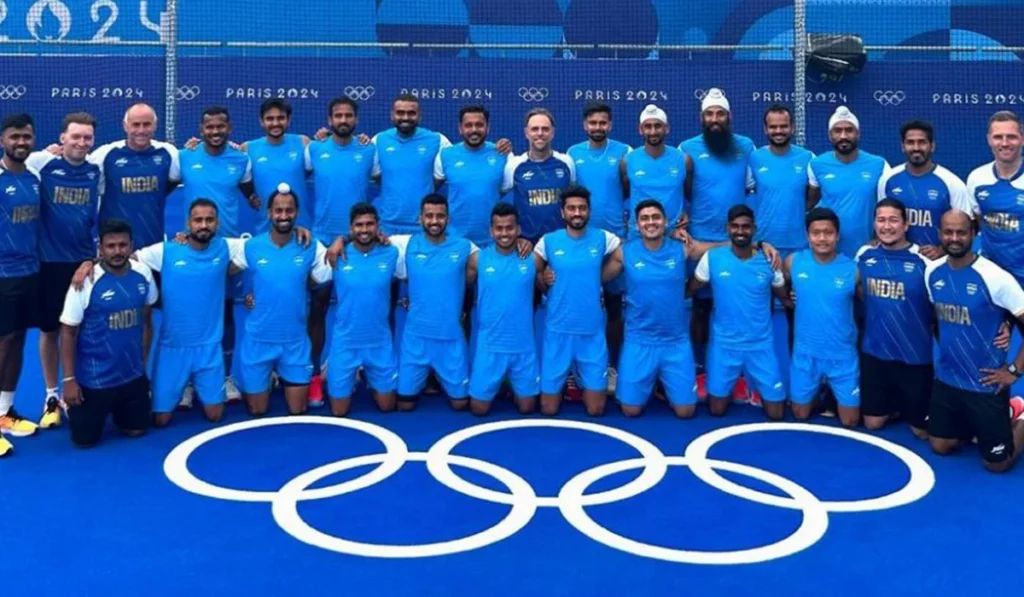
At the Paris Olympics 2024, India secured back-to-back bronze medals, further proving its strength. Punjabi players again formed a significant part of the squad. Harmanpreet Singh, as captain, delivered outstanding performances and was among the most effective drag-flickers of the tournament. Mandeep Singh scored in key matches, Hardik Singh brought energy and creativity to midfield, and Jarmanpreet Singh strengthened the defense. This victory reinforced the idea that Punjabi players continue to form the backbone of Indian hockey.
At the 2023 Asian Games in Hangzhou, India won the gold medal and secured direct qualification for the Paris Olympics. Harmanpreet Singh scored seven goals, demonstrating his importance. Manpreet Singh controlled the midfield with experience, while Mandeep Singh created and converted key scoring opportunities. The dominant 5–1 win over Japan in the final showcased India’s supremacy, with Punjabi players playing central roles.
In the FIH Hockey World Cup 2023 (India), the Indian team reached the quarterfinals. Although they did not win a medal, Punjabi players delivered commendable performances. Harmanpreet Singh was among the leading goal scorers. Hardik Singh balanced the team with constant movement and creative midfield play. Mandeep Singh contributed with crucial goals. These performances demonstrated that Punjabi players thrive under pressure on the biggest stages.
In the Asia Champions Trophy 2023 and 2024, India won the titles with impressive performances. Punjabi players again played pivotal roles. Harmanpreet Singh’s penalty corner expertise, Mandeep Singh’s attacking skill, and Hardik Singh’s midfield command helped India maintain dominance in Asia.
Conclusion
Overall, in nearly every major modern tournament, between six to ten players from Punjab have been part of the Indian squad. From captaincy to goal scoring and defense, Punjabi players have consistently demonstrated their ability across all areas of the game.
These facts make it clear that Punjab’s contribution is not just a matter of historical pride; it remains the strong foundation of modern Indian hockey.
Leave a Comment