

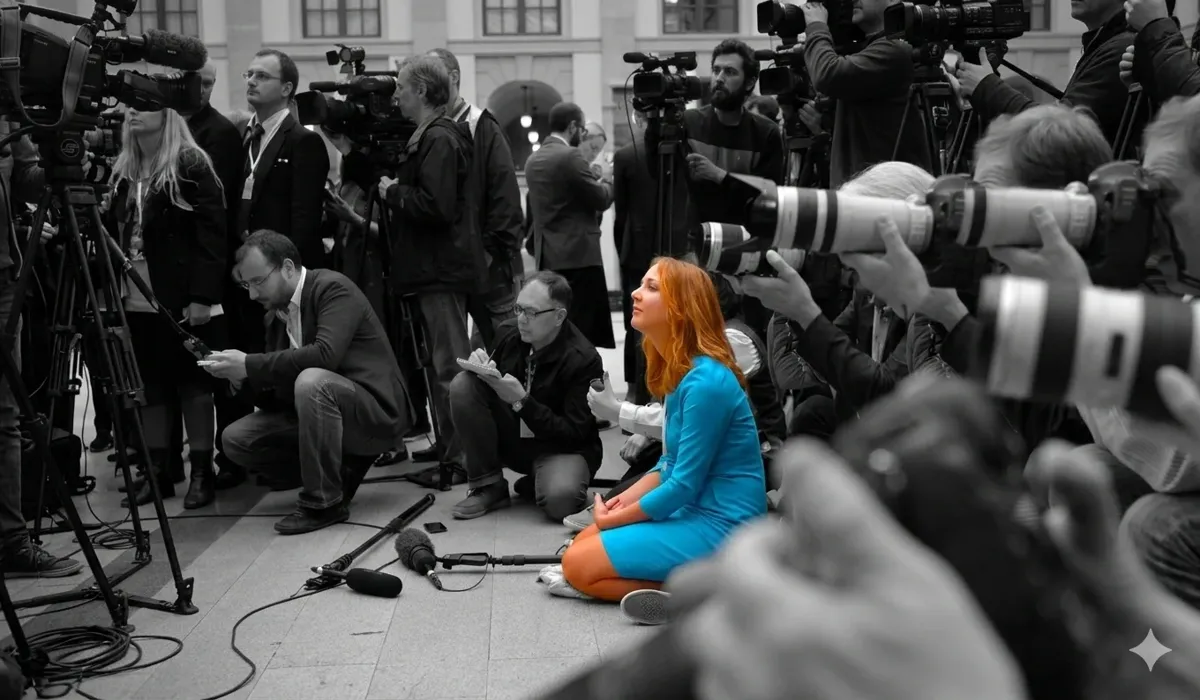

Challenges faced by women journalists
The true measure of progress in any free country lies in the status of its women and their freedom of expression. Democracy is not merely about casting votes; it is about creating an environment where every citizen can speak the truth without fear. But if women who raise their voices for truth begin to feel unsafe in society, it raises a serious question about the very existence and strength of democracy.
At a time when preparations are underway across the world to mark International Women’s Day, a new global study has brought serious concerns about the safety of women journalists to light, particularly those who speak out against injustice, corruption, and abuse of power. For many women journalists, threats do not remain confined to social media. Violent comments and abuse that begin online often spill over into their personal lives, appearing in the form of threatening emails, phone calls, and sometimes even intimidation outside their workplaces or homes.
The strength of a democracy depends on whether ordinary citizens, especially women, can express their views without fear. If the voices of those who speak the truth are silenced through intimidation or violence, democracy becomes democracy in name only. When one section of society, such as women, is targeted, others also begin to hesitate to speak the truth out of fear. This silence allows corruption and injustice to flourish. The Constitution guarantees every citizen the freedom of expression, and if women themselves feel unsafe, it suggests that the state and administration have failed in their most fundamental responsibility: protecting citizens.
The Relationship Between Truth and Security
When a woman raises her voice against injustice, corruption, or administrative failures, she is not speaking only for herself but for society as a whole. If such fearless voices are silenced through intimidation or violence, it is equivalent to the murder of democracy. A lack of security turns truth into silence, which is a sign of authoritarian thinking.
When women who speak the truth are targeted, an invisible climate of fear spreads through society. This phenomenon is often described as a “culture of silence.” As a result, people begin to fear speaking up even when they witness wrongdoing. Accountability disappears because no one remains willing to ask questions. A society may remain physically free, yet mentally it becomes a prisoner of fear.
History shows that women have often led major social transformations, whether in farmers’ movements, struggles for the right to education, or campaigns for human rights. When a woman feels safe enough to speak out, she becomes a guiding light for future generations.]
Alarming Findings on the Safety of Women Journalists
According to a survey conducted jointly by UN Women and UNESCO, nearly 42 percent of women journalists said that online violence is now spilling over into real-life threats, intimidation, or physical attacks. In 2020, this figure was about 20 percent, indicating a worrying rise.
The findings highlight a troubling reality: women journalists who question authority or report on sensitive issues are often targeted. Researchers say the highest number of attacks occur against journalists reporting on politics, corruption, terrorism, or women’s rights.
Beyond statistics, there is also a deeply personal dimension to this problem. Many journalists report that they must remain constantly alert about their surroundings, worry about the safety of their families, and sometimes even think twice before speaking publicly.
Underrepresentation of Women in News
Another reality is that women’s voices are still underrepresented in news coverage worldwide. According to the Global Media Monitoring Project, women account for only 26 percent of the people seen or heard in news stories. This imbalance is also visible within newsrooms, where senior positions are still dominated by men in many places. As a result, women have limited influence over editorial decisions and policies.
Efforts to Create a Safer Environment
In response to rising threats, many media organizations are now trying to create safer environments for women journalists. Several institutions have joined the Safeguarding Women’s Voices program, a joint initiative of the International Women’s Media Foundation and UNESCO. Under this program, journalists receive training in digital security, safety guidelines, and institutional policies for dealing with harassment and violence.
In some cases, the risks faced by women journalists have proved fatal.
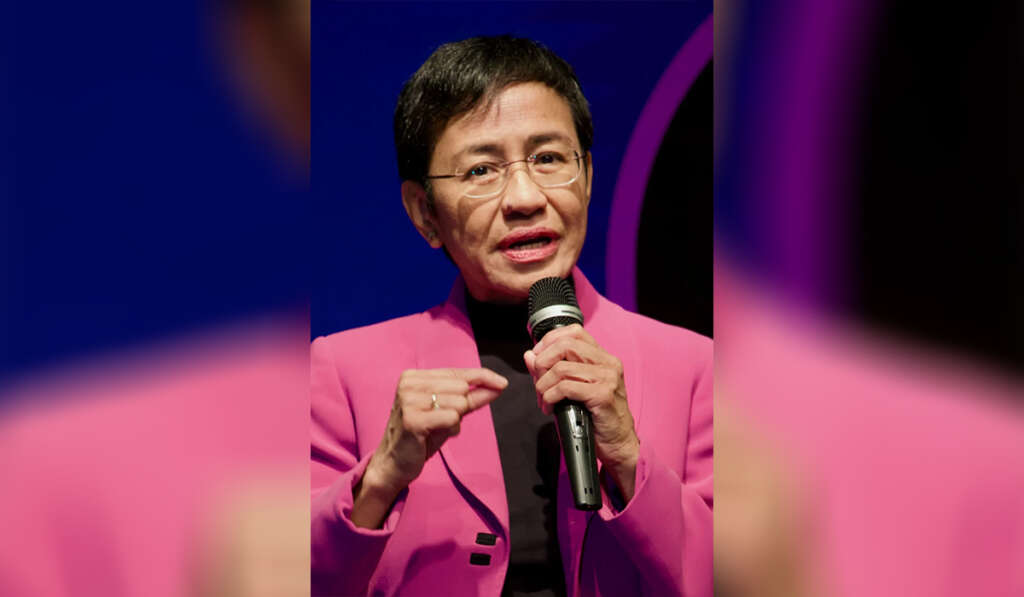
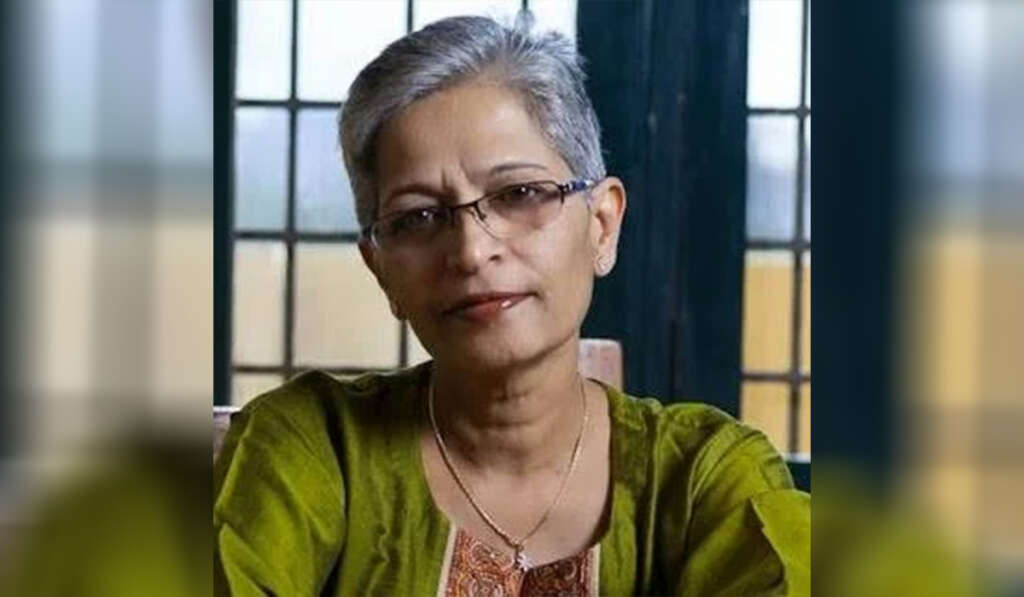
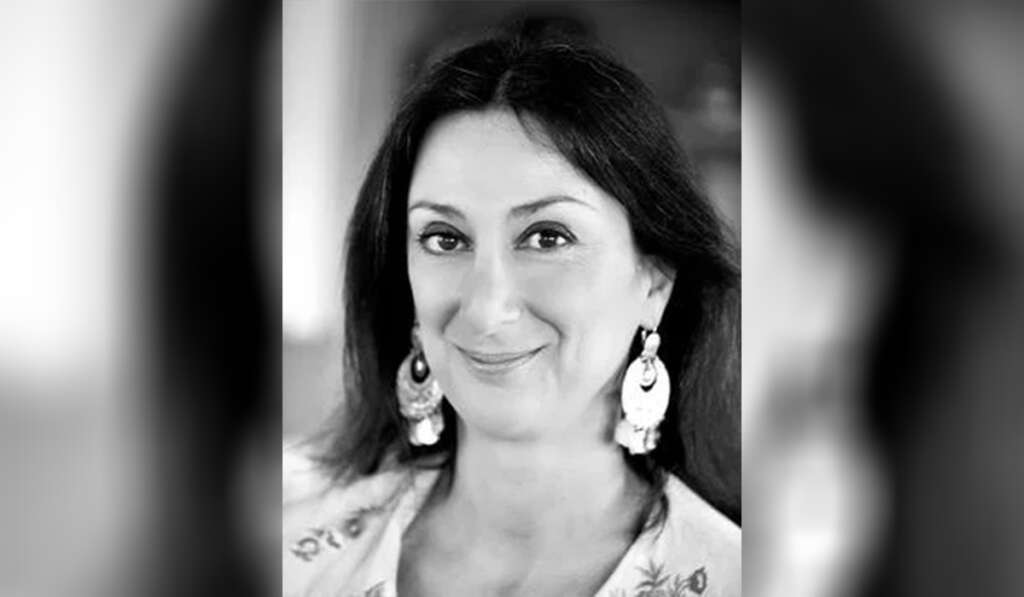
In 2017, Maltese investigative journalist Daphne Caruana Galizia was killed in a car bomb attack. She had been exposing corruption for years and had faced extensive online threats before her assassination. In the same year, Indian journalist Gauri Lankesh was shot dead outside her home in Bengaluru. Investigative journalist Rana Ayyub has also faced repeated online threats and coordinated smear campaigns. Meanwhile, Filipino journalist and Nobel Peace Prize laureate Maria Ressa has received thousands of online threats because of her reporting.
Why the Safety of Women Journalists Matters
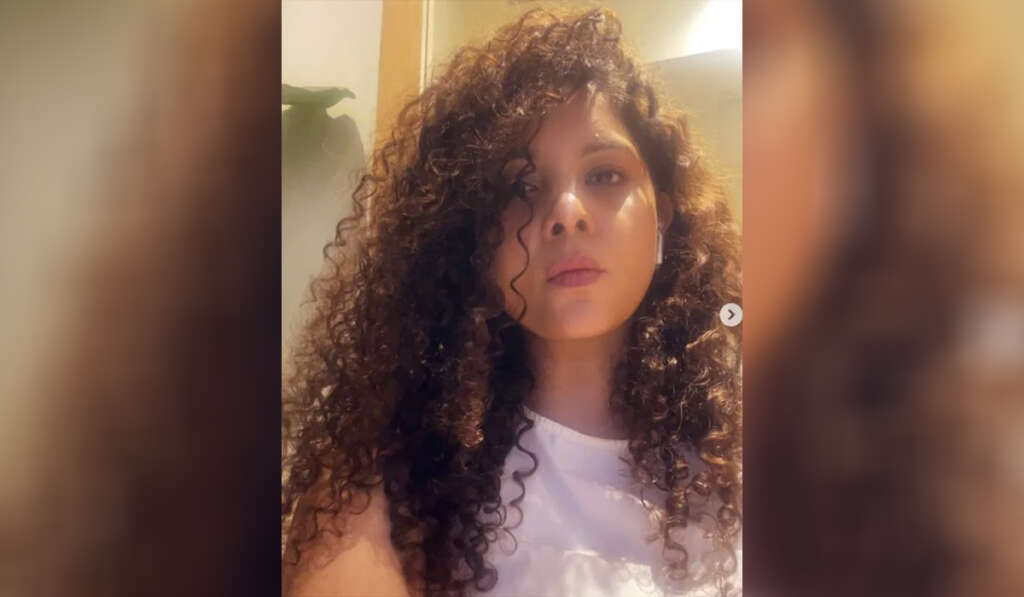
Media researchers warn that when journalists face constant threats, some begin to avoid reporting on sensitive issues, while others leave journalism altogether. A study by the International Center for Journalists and UNESCO found that 73 percent of women journalists worldwide have experienced online violence, and one in four has received direct physical threats.
What Is Needed to Strengthen the Voice of Democracy?
To truly strengthen the voice of democracy, action is needed at three levels. Governments must ensure that women who expose truth receive strong legal protection. Threats and intimidation must be dealt with swiftly and without political pressure.
Society must also stand shoulder to shoulder with women who speak the truth instead of encouraging silence. A strong democracy is not one where voices are suppressed, but one where voices are heard. If we cannot protect daughters and sisters who speak the truth, we cannot hope to build a better society. The voice of truth will resonate only when those who speak it have confidence both in their truth and in their safety.
Message on Women’s Day
On the occasion of International Women’s Day, this study raises an important question: if women who speak the truth feel unsafe, how can the voice of democracy become stronger? Women journalists play a crucial role in exposing injustice, corruption, and wrongdoing in society. Therefore, the safety of women journalists is not merely about protecting individuals; it is about safeguarding honest journalism and democracy itself.
If today’s fearless women are not protected, future generations of girls may hesitate to walk the path of truth. A weak and fearful society can never truly progress.
Leave a Comment