

Punjab, Punjabi, and Punjabiat: AI as a Boon in the Digital Age
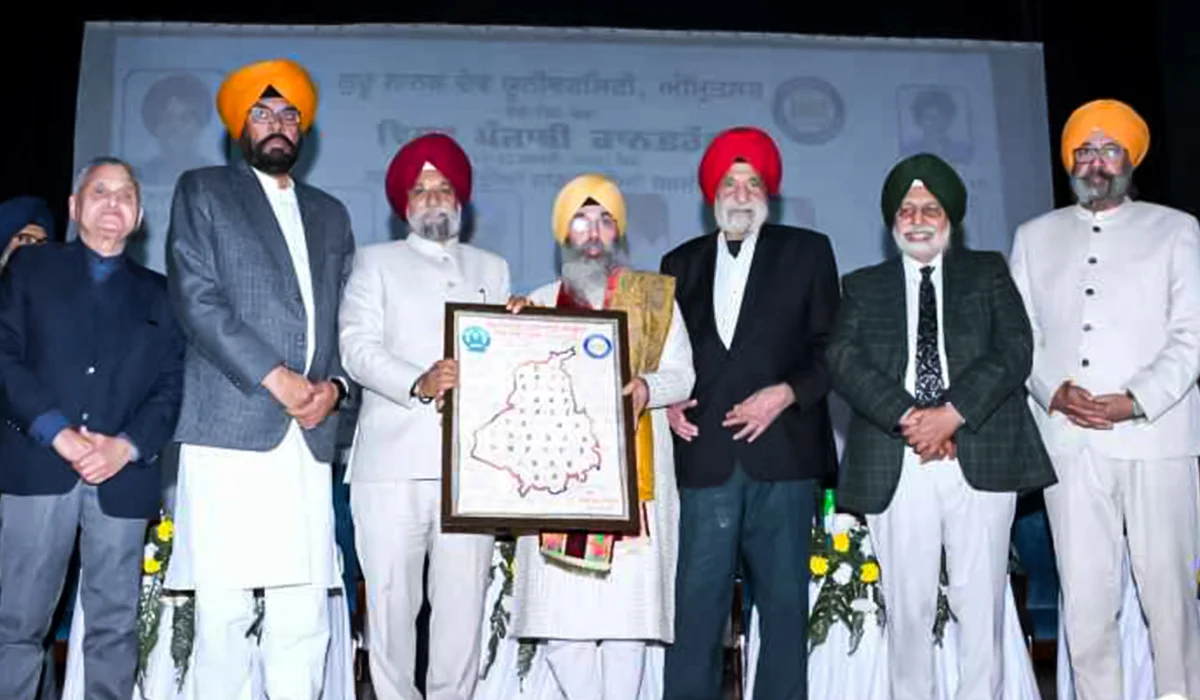
At a time when the world is passing through the Fourth Industrial Revolution, the concerns of language and culture are also changing. The Punjabi language, which carries within it a rich history stretching back thousands of years, now stands at a point where a meeting of tradition and modern technology has become essential. In this context, the World Punjabi Conference, held at Guru Nanak Dev University, Amritsar, from 20 to 22 February 2026, proved to be a milestone in the digital journey of Punjabi identity.

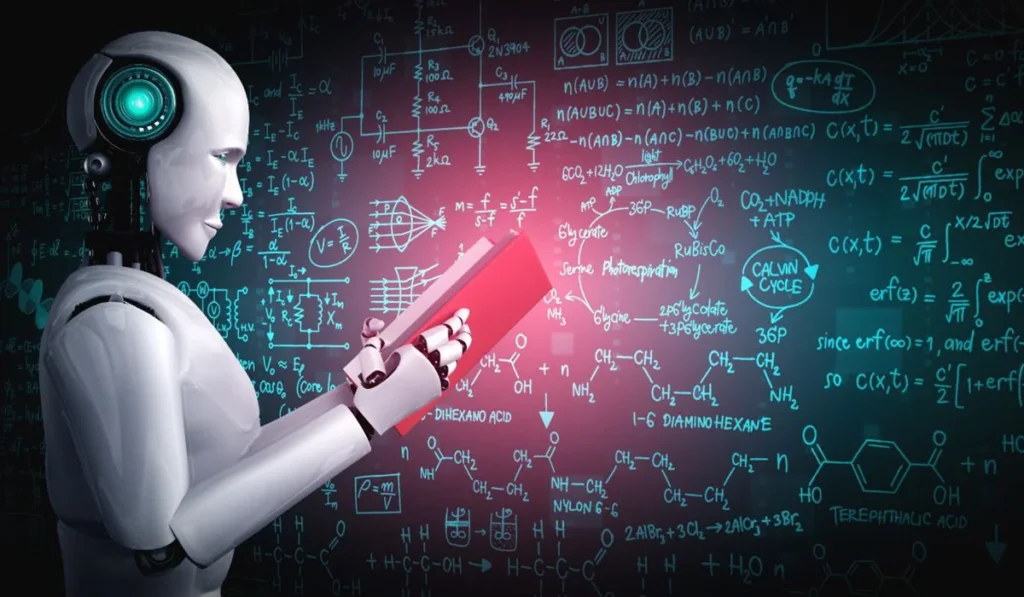
In simple terms, artificial intelligence can be described as the process through which machines, especially computer systems, imitate human intelligence. This includes learning, reasoning, and self-correction. Just as human beings learn from experience, AI learns from data. Today, models such as ChatGPT, Gemini, and Grok demonstrate that machines no longer merely calculate; they can write poetry, translate languages, and suggest solutions to complex problems.
In the contemporary era, machine intelligence is not merely a technological development. It is an intellectual paradigm that is redefining old concepts of human existence, language, and morality. For a rich language like Punjabi, this technology presents a philosophical challenge: can a mathematical algorithm truly absorb the cultural sensitivity that has emerged from thousands of years of human experience?
From an academic perspective, language is not merely a medium of communication, but also the foundation of thought itself. When we adapt Punjabi into machine systems, we are in fact transforming the grammatical rules of the language into a form of computational linguistics, where the meaning of words begins to depend not on their emotional depth but on their data patterns. While this process helps expand the reach of the language, it also creates the risk of confining its natural originality within mechanical frameworks.
The ethical dimensions of this technological transformation are deeply serious and complex. The biggest moral question concerns fairness and bias. Machine intelligence learns from data created by human beings. If the available data carries bias against a particular region, caste, or gender, the machine may reproduce and amplify that same prejudice. In the context of Punjabi identity, there remains a concern that global AI models may suppress our local idioms and ethical values under the dominance of Western epistemology. Moreover, virtual reality and deepfake technology have blurred the line between truth and falsehood. This ethical crisis has the potential to shake the foundations of human relationships and social trust, because a machine-generated “deep lie” can appear indistinguishable from real truth.
In the field of literature and artistic creation, machine intelligence challenges the human claim to creativity. Can a machine truly create an equivalent to a poet’s spiritual experience or a dramatist’s social pain? It is possible that in the future AI may construct a virtual form of human emotion that can mentally captivate us, but it will still lack the spiritual depth that has always distinguished Punjabi Sufi and qissa poetry. Here, human intervention is needed not merely for technical supervision, but for ethical guardianship. We must ensure that technology does not erase human autonomy, but instead elevates human capability to new heights.

Ultimately, the relationship between machine intelligence and Punjabi thought demands a multidisciplinary approach. It is no longer only a subject for scientists, but also a moment of introspection for philosophers, writers, and linguists. The dynamism of Punjabi culture lies in how we examine new knowledge in the light of our heritage. If we use machine intelligence as a tool while keeping our ethical consciousness alive, then this technology can strengthen the global flow of Punjabi language and Punjabi identity. The greatest success in the relationship between humans and machines will come not when technology becomes a substitute for human sensitivity, but when it functions in service of it.
That is why it is increasingly being said that AI is emerging as a boon for the Punjabi language. Until recently, there was a fear that Punjabi would fall behind in the digital race, but AI has turned that fear into possibility. Language barriers are now beginning to dissolve. Through AI-based translation tools, Punjabi literature can instantly be translated into more than 100 world languages. This means that the writings of Waris Shah and Pash can reach global readers.
One of the biggest challenges earlier was the lack of data, but now Punjabi no longer suffers from a shortage of digital content. Through social media and e-books, a massive data set is being created. Institutions such as the Surjit Patar Centre for Ethical AI are working to organize this data and develop Punjabi’s own large language models.
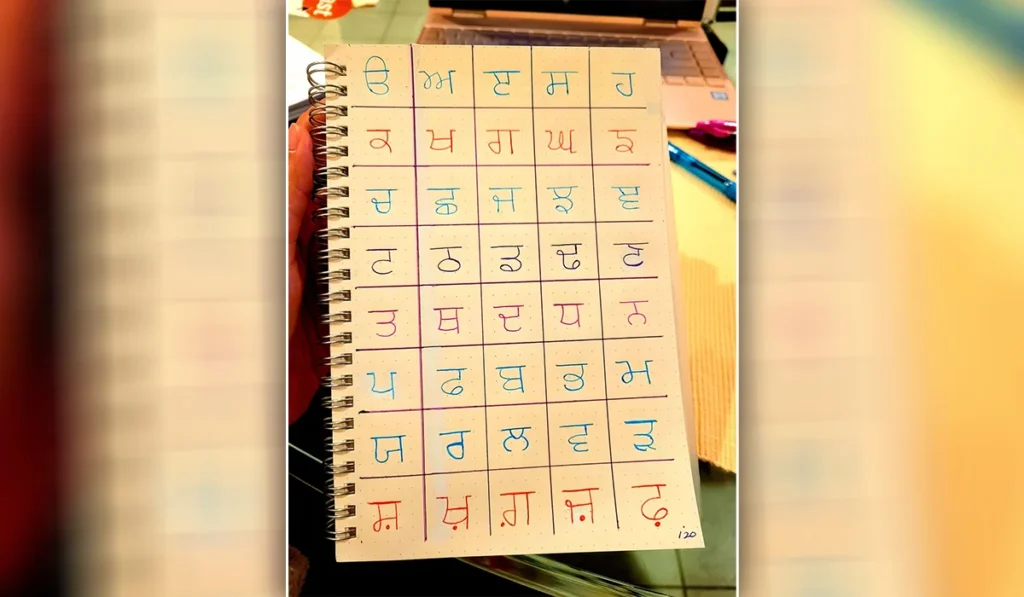
Through voice assistants and smart typing tools, anyone can now speak in Punjabi and have their message typed. AI-based keyboards have made the use of the Gurmukhi script far easier and more popular among young people. The conference being organized at Guru Nanak Dev University from the 20th to the 22nd is not limited only to language, but is also focused on the use of AI in Punjab’s socio-economic structure.
In agriculture, AI can help identify crop diseases and send accurate weather information to farmers’ mobile phones in Punjabi. In healthcare, telemedicine systems can enable patients sitting in villages to consult specialist doctors in their mother tongue. Just as the standardization of the Gurmukhi script in the sixteenth century gave Punjabi identity a new life, today the “digital script” and AI are playing a similar historical role. The Surjit Patar Centre, initiated by the Punjab Government under the leadership of Chief Minister Bhagwant Singh Mann, reflects the fact that political and academic leadership are now beginning to understand the importance of technology.

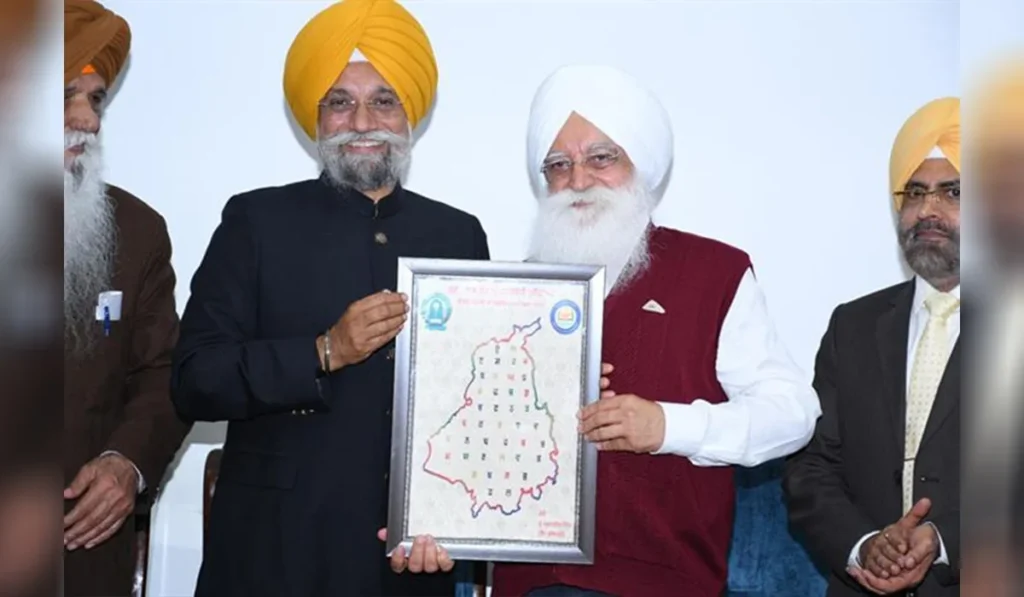
The importance of this conference becomes even greater when it is viewed as a new beginning. Held under the patronage of Vice-Chancellor Prof. (Dr.) Karamjeet Singh, the conference brings together figures such as Padma Bhushan Trilochan Singh, former Punjab Chief Secretary K.B.S. Sidhu, and Dr. Sardara Singh Johal. Their coming together signals that a roadmap is being prepared for the future of Punjabi.
It can be said with confidence that AI will not destroy the Punjabi language; rather, it will give it wings, enabling it to cross borders and emerge as a global language. In the twenty-first century, Punjabi identity does not mean merely taking pride in an old past; it means equipping oneself with new technology and standing shoulder to shoulder with the world. This World Punjabi Conference is a revolutionary step in that direction. It holds the potential to turn challenges into opportunities.
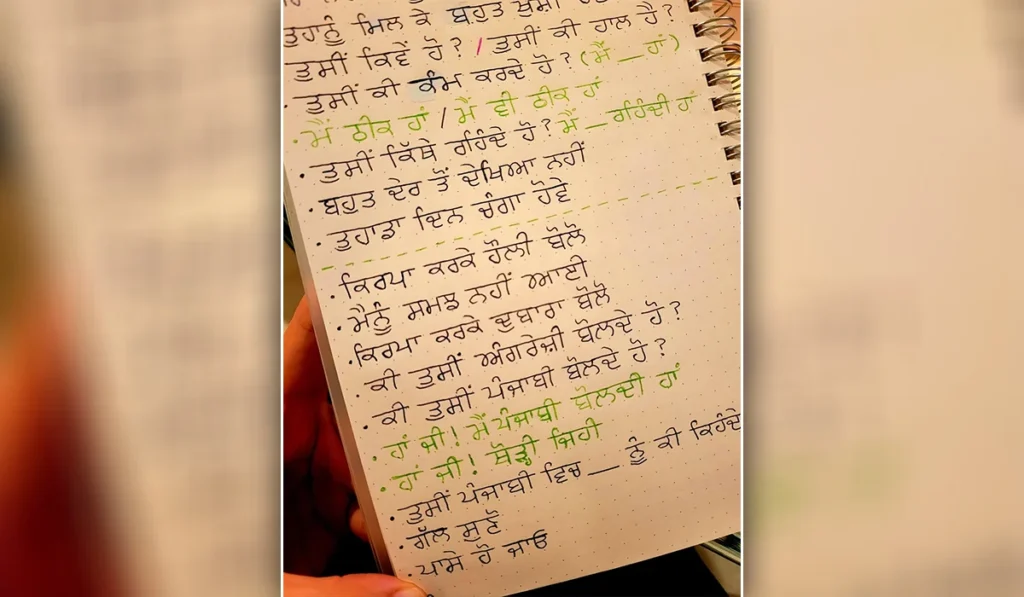
In the digital age, the dominance of English and other global languages, the growing distance of young people from Punjabi, and linguistic neglect have all surrounded Punjabi with challenges. Yet at the same time, artificial intelligence has emerged like a ray of light. This technology can not only help digitize the language, but also give Punjabi identity a new recognition at the global level.
With this objective, a three-day World Punjabi Conference was held at Guru Nanak Dev University, Amritsar, from 20 to 22 February 2026. This conference is not merely an academic discussion, but a historic declaration of Punjabi’s digital future.
The main theme of the conference was: “The Role of Artificial Intelligence in Punjab, Punjabi, and Punjabiat.”Under the leadership of Vice-Chancellor Prof. Dr. Karamjeet Singh, the event brought together scholars, technical experts, and writers from India and abroad. The inaugural session was held on 20 February at 2:30 PM at Guru Nanak Bhavan, where Padma Bhushan Trilochan Singh was the chief guest and former Punjab Chief Secretary K.B.S. Sidhudelivered the keynote address. Other prominent personalities included Dr. Deepak Manmohan Singh, Sant Baba Mahinder Singh (UK), and Padma Bhushan Sardara Singh Johal.

A roadmap is expected to emerge from this deliberation, one that will connect Punjabi with global technology. The special significance of this conference lies in the fact that it does not want to confine AI merely to the technical sphere. The university has already established the Surjit Patar Centre for Ethical AI, announced earlier by Punjab Chief Minister Bhagwant Singh Mann. This centre has been named after the great Punjabi poet Surjit Patar, making it a unique symbol of the meeting of technology and literature. Through it, Punjabi literature, folklore, and historical heritage can be preserved and developed with the help of AI.
In today’s world, AI is no longer limited to robots or apps. It has become a tool that can give new life to languages in fields such as education, healthcare, agriculture, translation, and data analysis. Several models have already shown that linguistic digital preservation has become far easier. There was a time when Punjabi was seen as being outside AI because of a lack of data. But now social media, e-books, digital newspapers, and online libraries have made Punjabi data available on a very large scale. As a result, Punjabi has now entered the mainstream of AI.
The conference will give special attention to how Punjabi can be strengthened in the digital world through AI. For example, Punjabi-language voice assistants can be developed to connect younger generations to the language. Folk songs, oral narratives, and history can be digitally preserved through AI. Translation tools can take Punjabi literature into world languages. In agriculture, AI-based advisory apps in Punjabi can be developed for farmers. In healthcare, Punjabi-language medical consultation and telemedicine systems can be built. In education, interactive learning tools in Punjabi can be created to engage students more effectively.
The barriers facing Punjabi linguistic neglect, the growing attraction of youth toward English, and the lack of Punjabi in digital media can also be addressed through AI. For example, smart AI-based filters can be created to prioritize Punjabi content on social media. Similarly, virtual reality can help bring folklore and history to younger generations in new ways.
There is hope that this conference will play for Punjabi the same role that the Gurmukhi script once played: becoming the medium that launched a new era. If AI is used ethically and culturally, Punjabi will not only survive but will emerge globally as a powerful language. This conference will create the roadmap for Punjabi’s digital future and infuse Punjabi identity with new energy.


Leave a Comment