
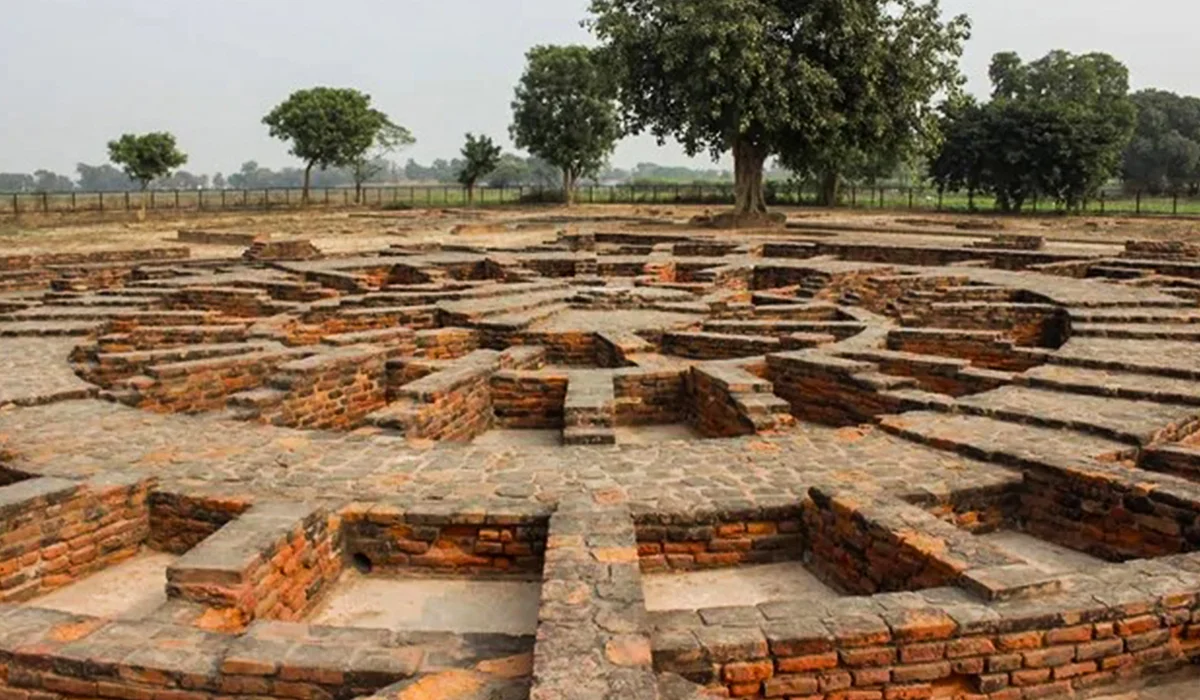

Punjab has been one of the oldest cultural regions of the Indian subcontinent. To understand the early history of this region, the Indus Valley Civilization is extremely important. Many major centers of this great civilization are found in Punjab and its surrounding regions. Among them, the most famous site is Harappa, after which this civilization is also known as the Harappan Civilization.
The imprint of Harappan Civilization on the early history of Punjab is not limited merely to archaeological remains. Its influence can also be seen in urban planning, agriculture, trade, art, and social organization.
Harappan Civilization and the Geography of Punjab
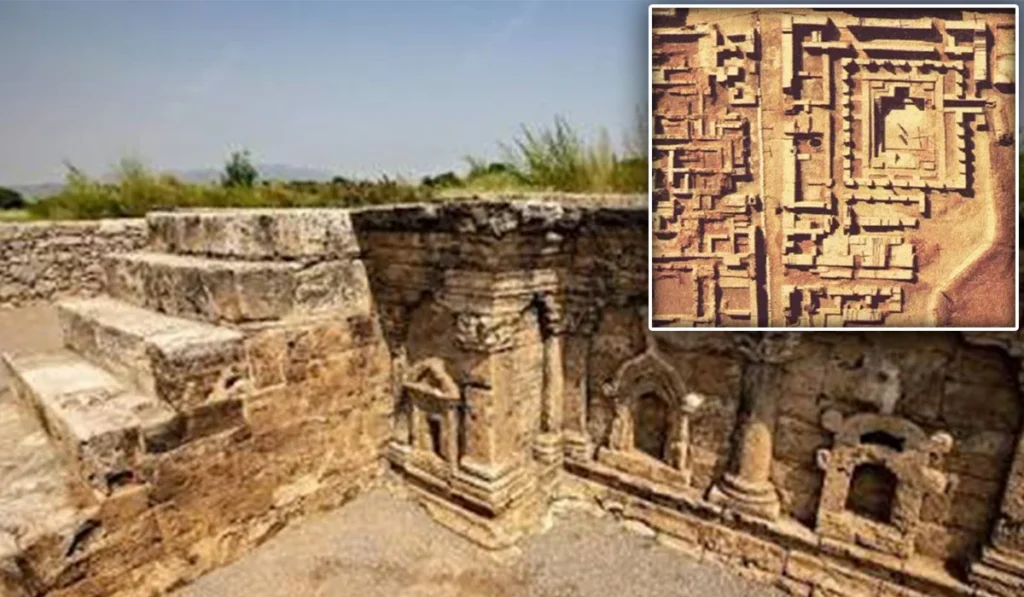
The Harappan Civilization developed mainly along the banks of the Indus River and its tributaries. Punjab itself derives its name from the phrase “land of five rivers.” These rivers — Ravi, Chenab, Jhelum, Beas, and Sutlej — made the region fertile and highly suitable for agriculture.
These fertile plains created favorable conditions for settlement in ancient times. As a result, many urban centers of the Harappan Civilization flourished here. Along with Harappa, important sites in the Indian part of Punjab such as Ropar (Rupnagar) and Sanghol are also significant.
These sites show that the influence of Harappan Civilization was not confined to one city alone, but extended across the wider Punjabi region.
Legacy of Urban Planning
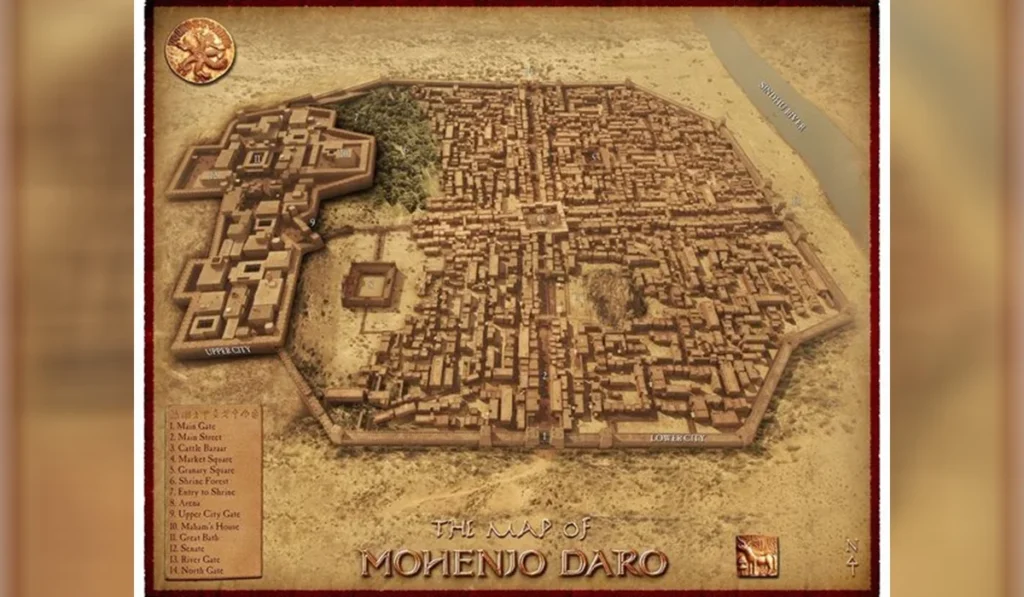
One of the clearest marks of Harappan Civilization on the early history of Punjab can be seen in its advanced urban planning. Harappan cities were built in a highly organized manner. Roads were straight and intersected one another, forming a grid pattern.
Houses were built with baked bricks, and each house had provisions for water drainage. The drainage system was so well developed that wastewater flowed out of the city through covered drains.
Excavations at Harappan sites in Punjab show that the same planned urban system used in major cities like Harappa and Mohenjo-daro was also followed here.
Agriculture and Economic Life
Punjab’s land has been known for agriculture since ancient times. The people of the Harappan Civilization cultivated wheat, barley, and other crops. The fertile soil near the rivers gave them considerable agricultural success.
Granaries discovered in Punjab indicate that grain was stored on a large scale. This was not only for local use, but also for trade.
Harappan merchants traded over long distances. Research suggests that they had commercial links extending as far as West Asia. In this way, the Punjab region was an important part of the ancient trade network.
Art, Crafts, and Technology
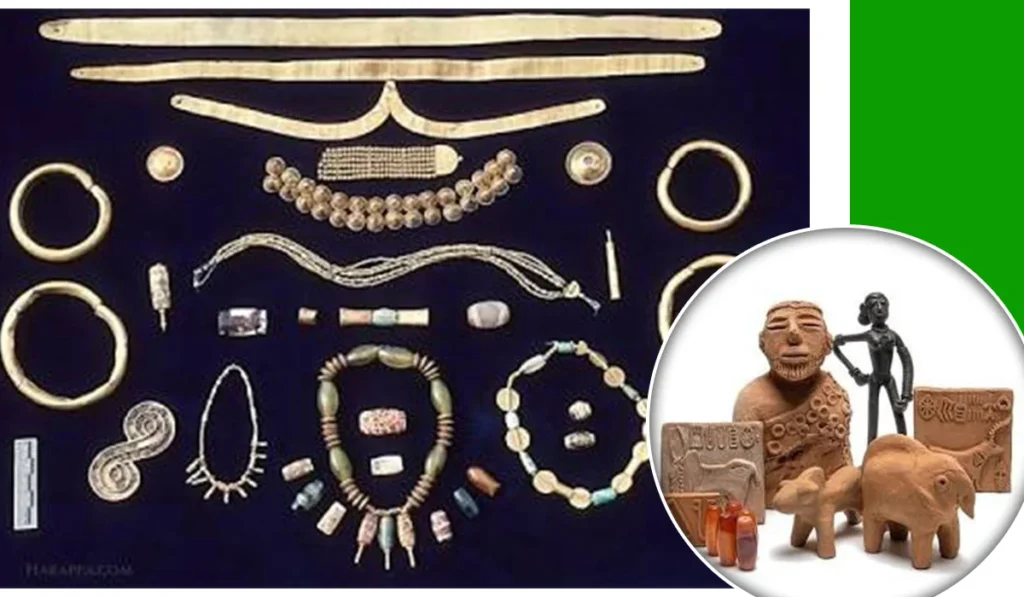
Remains found at Harappan sites in Punjab indicate that the people of the region were highly skilled in art and craftsmanship. Excavations have uncovered pottery, ornaments, bead necklaces, and bronze tools.
Many of these objects are finely made and aesthetically impressive, showing that artisans of that time possessed advanced technical knowledge.
Animal figures engraved on seals and the still-undeciphered script reflect the intelligence and cultural development of this civilization. Although the script has not yet been fully read, it was clearly an important part of the administrative and commercial system of the time.
Social and Cultural Influence
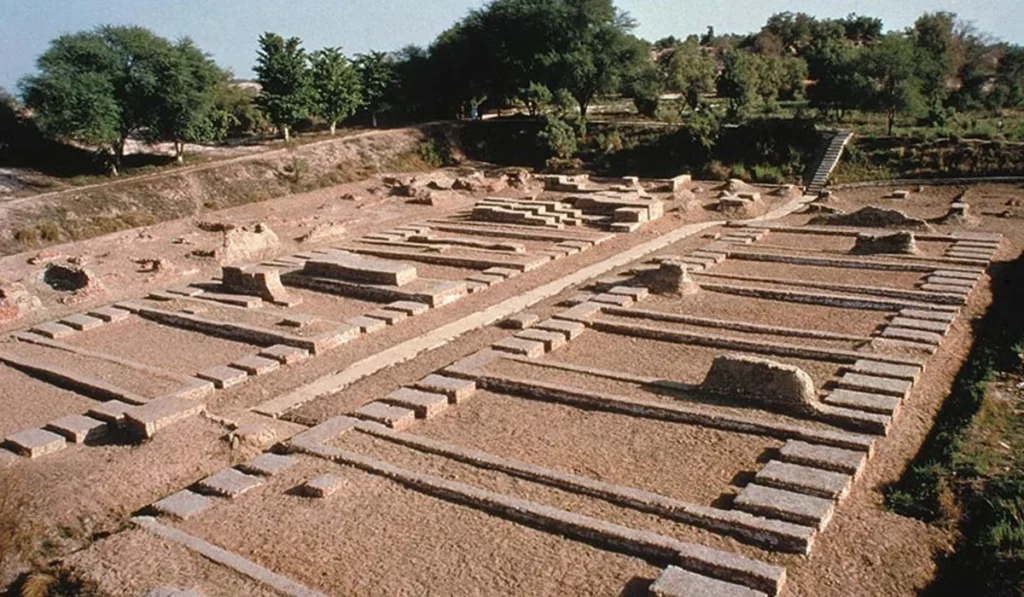
The Harappan Civilization also left its mark on the social life of Punjab. Its people lived in well-planned urban settlements, suggesting the presence of social organization and an administrative system.
There are also some clues about their religious beliefs. From various figurines and symbols, it appears that the people worshipped deities associated with nature and fertility.
These cultural traditions continued in one form or another in the later cultures of the Punjabi region as well.
Decline and Legacy of the Harappan Civilization
Around 1900 BCE, the Harappan Civilization began to decline. Scholars offer different explanations for this decline, such as climatic change, shifts in river courses, or economic factors.
Even so, the legacy of this civilization did not disappear. Many of its features continued in later cultures. This influence can be clearly seen in the early history of Punjab.
Conclusion
The role of Harappan Civilization is extremely important for understanding the ancient history of Punjab. This civilization reflects a high level of development in the fields of urban planning, agriculture, trade, and art.
Harappan sites found in Punjab show that the region was culturally and economically advanced even thousands of years ago. For this reason, the imprint of Harappan Civilization is regarded as one of the most important foundations of Punjab’s early history.


Leave a Comment