

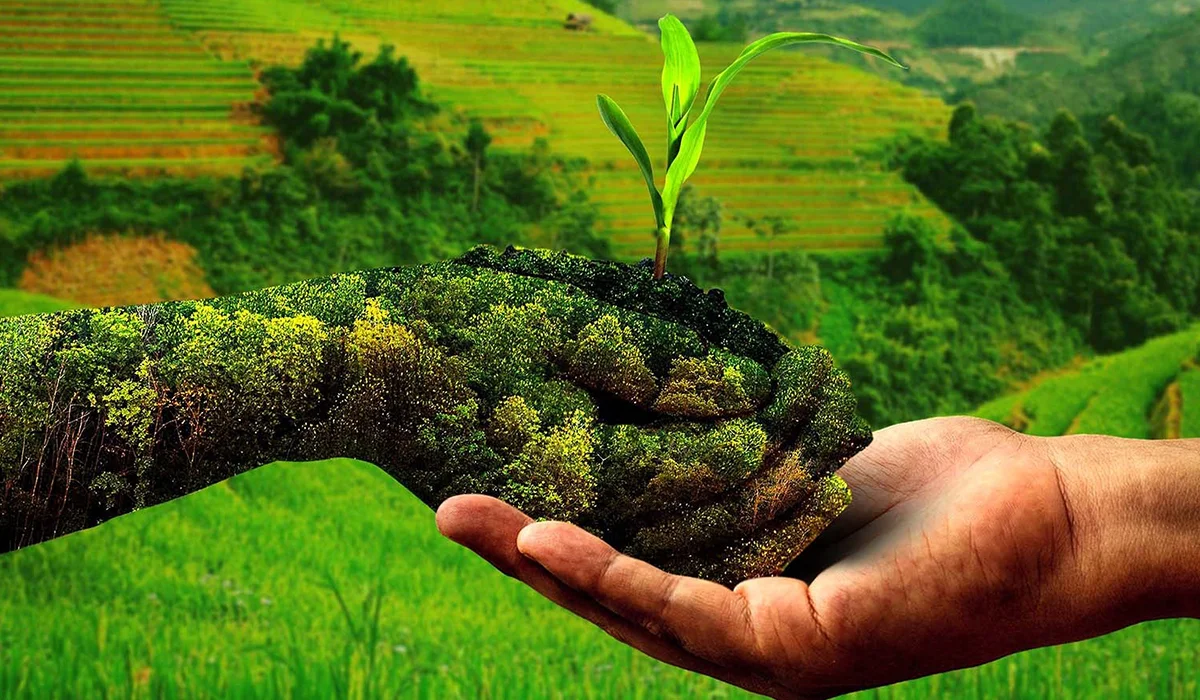

In the lush green fields of Punjab, where chemical fertilizers and pesticides have long damaged the soil, a new movement is now taking shape: natural farming. It not only restores the health of the land but also offers farmers greater economic independence. A recent meeting held in Sahibzada Ajit Singh Nagar (Mohali) has further accelerated this trend.
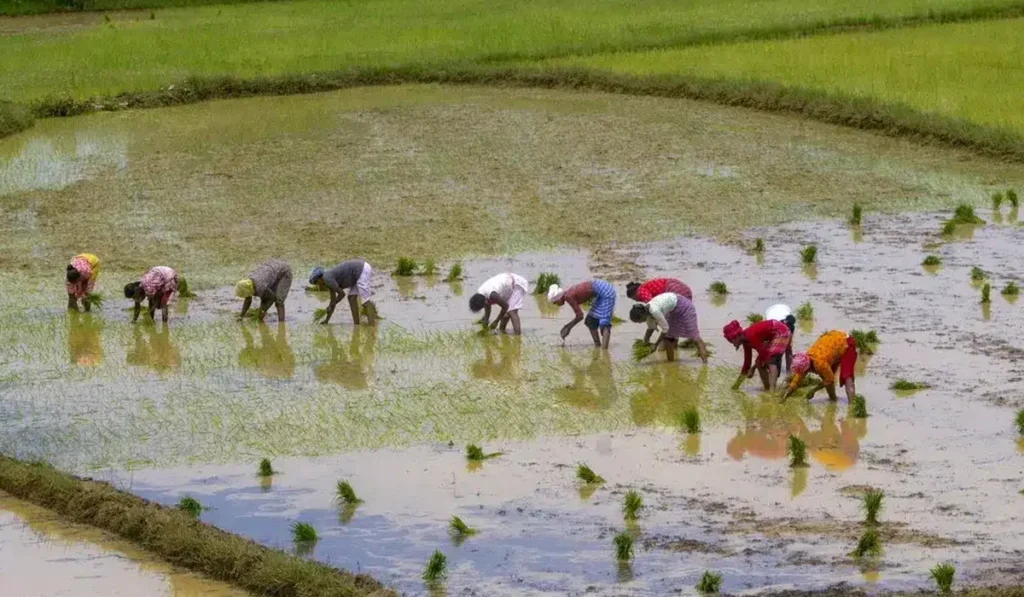
Under the leadership of Chief Agriculture Officer Dr. Sukhjinder Singh Bajwa, a discussion was held with appointed Krishi Sakhis, during which the selection of 20 Krishi Sakhis and 1,250 farmers was announced. This is not merely a scheme, but a broader transformation, under which farmers will receive ₹4,000 annually and the Krishi Sakhis will receive ₹5,000 per month as financial support. Let us understand this story in depth and see how natural farming is taking Punjab toward a greener future.
What Is Natural Farming?
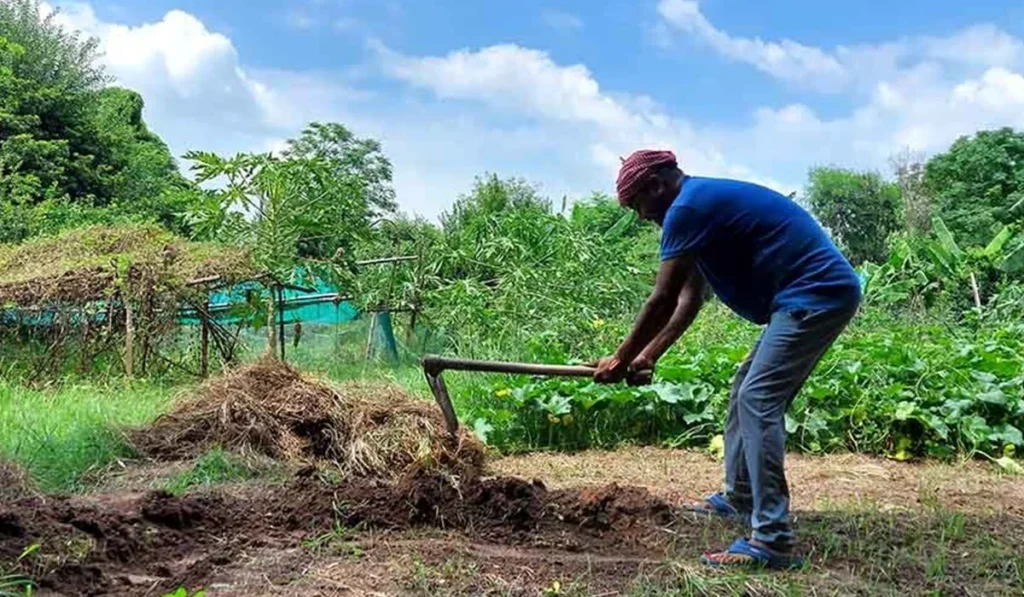
Natural farming is an agricultural system that depends entirely on nature. In this method, chemical fertilizers, pesticides, and even externally purchased organic fertilizers are not used. Instead, farmers rely on cow dung, cow urine, and other natural farm-based practices. This idea became widely known through the work of Masanobu Fukuoka of Japan and Indian agricultural thinker Subhash Palekar, and is often associated with what is called Zero Budget Natural Farming.
In an agrarian state like Punjab, where crop prosperity once brought fame but chemical-intensive farming has gradually made the soil less fertile, natural farming offers relief. It not only makes crops healthier, but also helps keep water and air cleaner. Under the National Mission on Natural Farming (NMNF), the Government of India has set a target of connecting 1 crore farmers with natural farming over the next two years, and this movement is gathering momentum in Punjab as well.
The Many Benefits Nature Has Offered Us

The benefits of natural farming are not only numerous, they are still not fully understood by many people today. In fact, many of its advantages are not discussed enough in the present time. Natural farming reduces spending on chemical fertilizers, which is one of the biggest challenges for farmers in Punjab. According to one study, it can reduce the cost of cultivation by 30 to 50 percent.
Chemicals have depleted soil nutrients in Punjab, but natural methods help restore them. These crops are grown without chemical residues, making food more nutritious and helping reduce diseases such as cancer.
In Punjab, where water scarcity and reduced crop diversity have become major concerns, natural farming encourages a multi-crop system. For example, farmers trapped in the rice-wheat cycle can be encouraged to shift toward pulses, vegetables, and other naturally grown crops, preventing the land from becoming barren. This can also increase returns. Many farmers have reported 20 to 30 percent higher profits even in the first year.
The Growing Wave of the Mission on Natural Farming
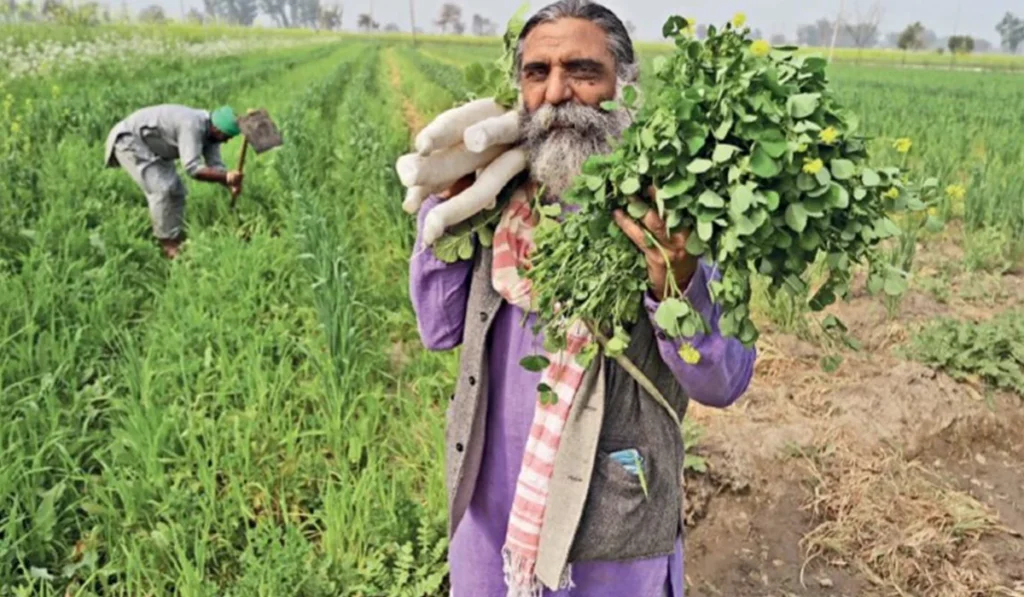
Various initiatives have been launched in Punjab under the national mission to promote natural farming. Chief Agriculture Officer Dr. Sukhjinder Singh Bajwa said that 10 clusters are being developed, each covering 125 acres. Soil samples from the fields of selected farmers will be tested, and certificates will be issued by the Punjab State Seed Certification Authority. This will not only help farmers receive support, but also enable them to commercialize their produce. According to the article, more than 10 lakh farmers have already been registered in Punjab.
Simple Methods of Natural Farming
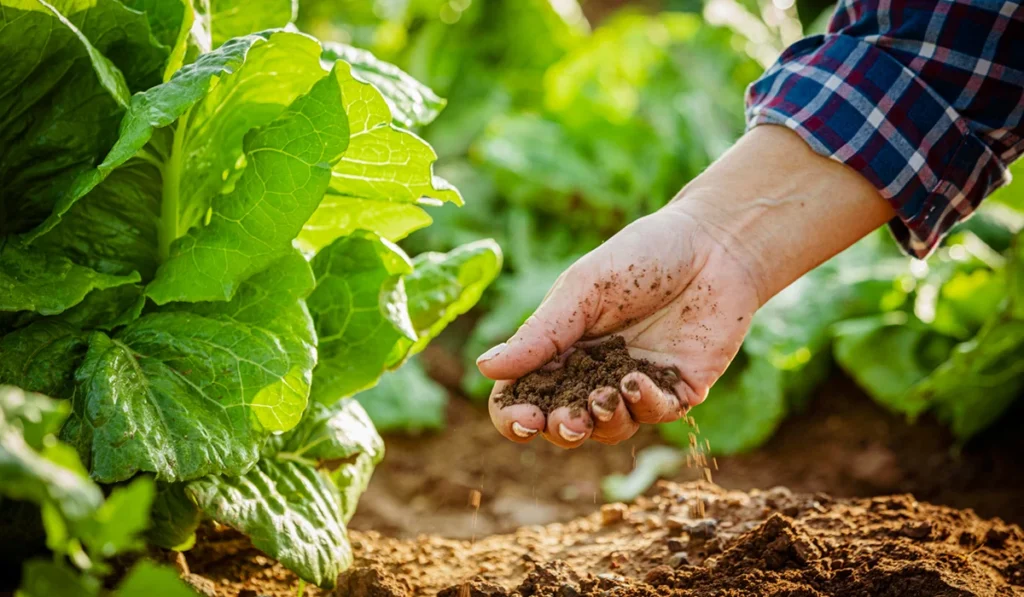
Dr. Bajwa says that the methods of natural farming are simple but effective. For seed selection, farmers should use local and naturally resilient seeds that are better able to resist disease.
Natural farming has not only made many farmers more prosperous in Punjab, but has also improved their overall condition. According to one report, Bhagwant Singh of Mohali cultivated dragon fruit using natural methods and reportedly reduced water use by 90 percent, while earning lakhs of rupees. In Faridkot, one farmer used bed farming on 10 acres to grow wheat, mustard, and vegetables, offering an example of regenerative farming.
Similarly, in the Chandigarh-Mohali region, 75 farmers are practicing Zero Budget Natural Farming over 100 acres and are building a network around it. These examples show that natural farming not only sustains life, but can also bring prosperity.
Challenges in Adopting Natural Farming and Possible Solutions
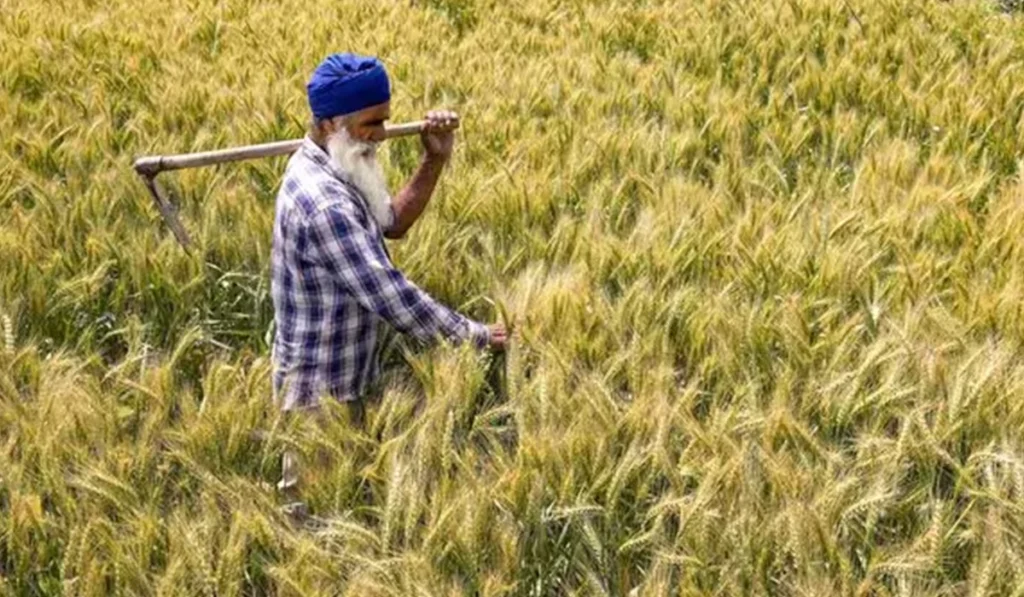
There are also challenges in adopting natural farming in Punjab. These include dependence on chemical farming, water scarcity, the problem of stubble burning, and lower market prices for organic produce. In addition, because of high cropping intensity (189 percent), the soil has become exhausted.
However, these challenges can be addressed through workshops conducted by organizations such as the Kheti Virasat Mission, along with technological support from non-governmental organizations.
Natural farming has already shown success in Andhra Pradesh, and Punjab is now moving in that direction as well. In the end, natural farming is not just a method but a way of life that is reconnecting Punjab with its lost greenery. With initiatives beginning in places like Mohali, we are moving toward a future in which farmers are prosperous, the soil is healthy, and food is safe.



Leave a Comment