

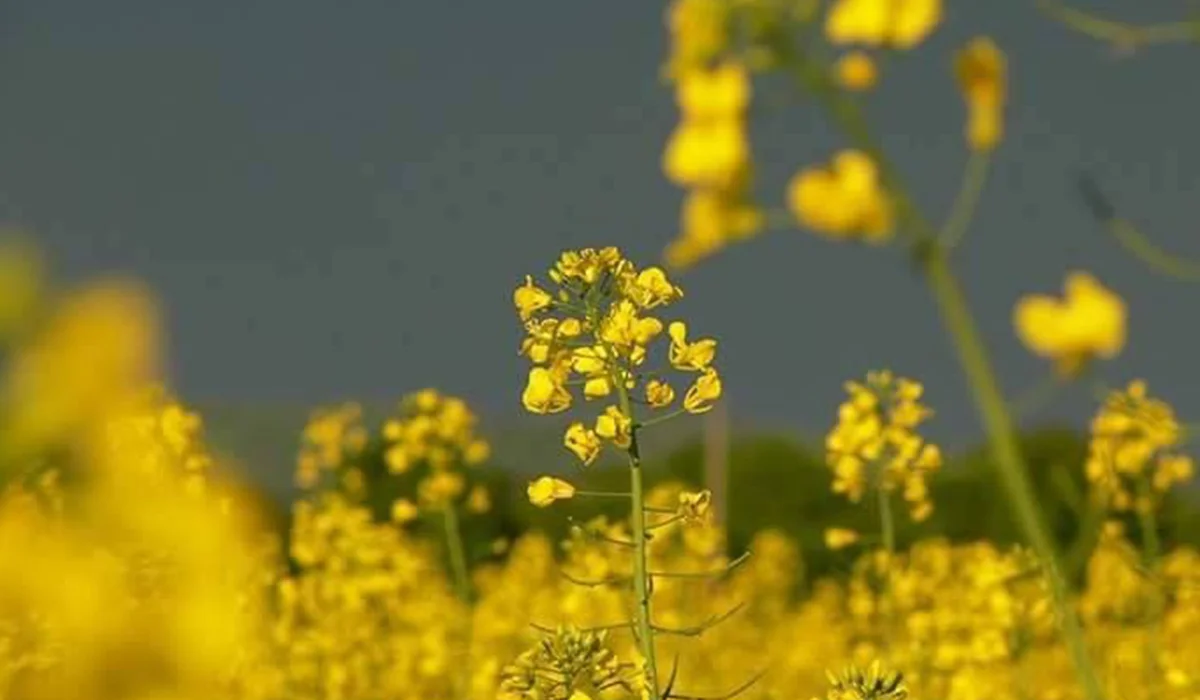

Punjab, once known as the food bowl of India, is today grappling with a serious crisis of crop monoculture and rapidly declining groundwater levels. At such a critical juncture, recent data on oilseed cultivation from the districts of Moga and Mohali offers a sense of cautious optimism.
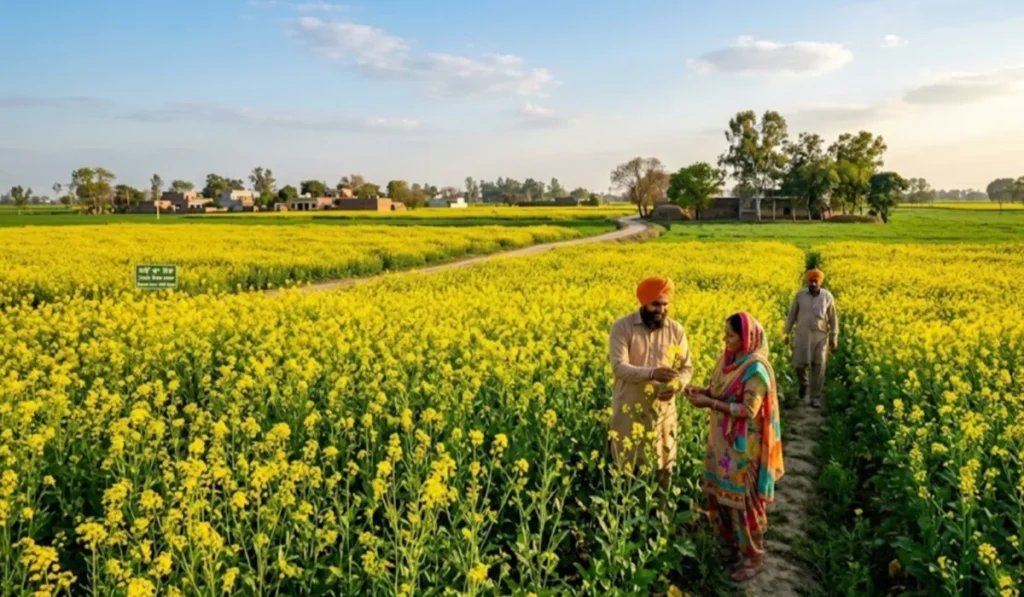
The encouraging outcomes of the government’s National Mission on Oilseeds indicate that if farmers receive proper guidance and institutional support, they are willing to move away from the traditional wheat-paddy cycle.
A Significant Shift in Mustard Cultivation
According to collected data, the area under mustard cultivation in Moga district has increased from 2,364 acres to 5,060 acres within a year—no small development. This reflects a growing awareness among farmers about the economic potential of oilseed crops.
Similarly, the sowing of mustard across 3,000 acres in Mohali signals the emergence of a new “Yellow Revolution” in the state. The distribution of free seeds and the establishment of demonstration plots by district administrations and agricultural officers have played a key role in building farmers’ confidence.
Revival of Groundnut in Sandy Soils
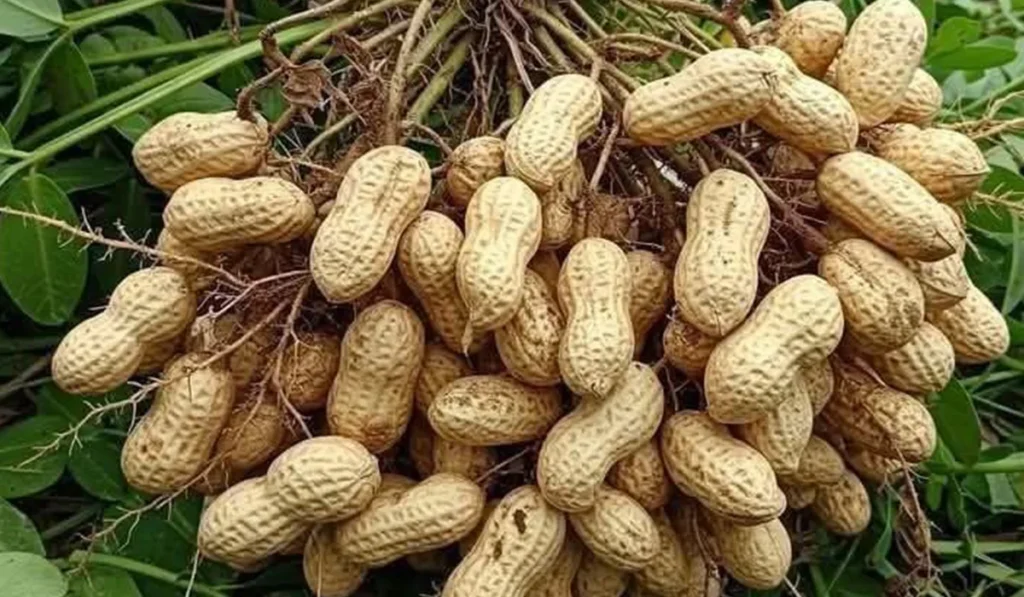
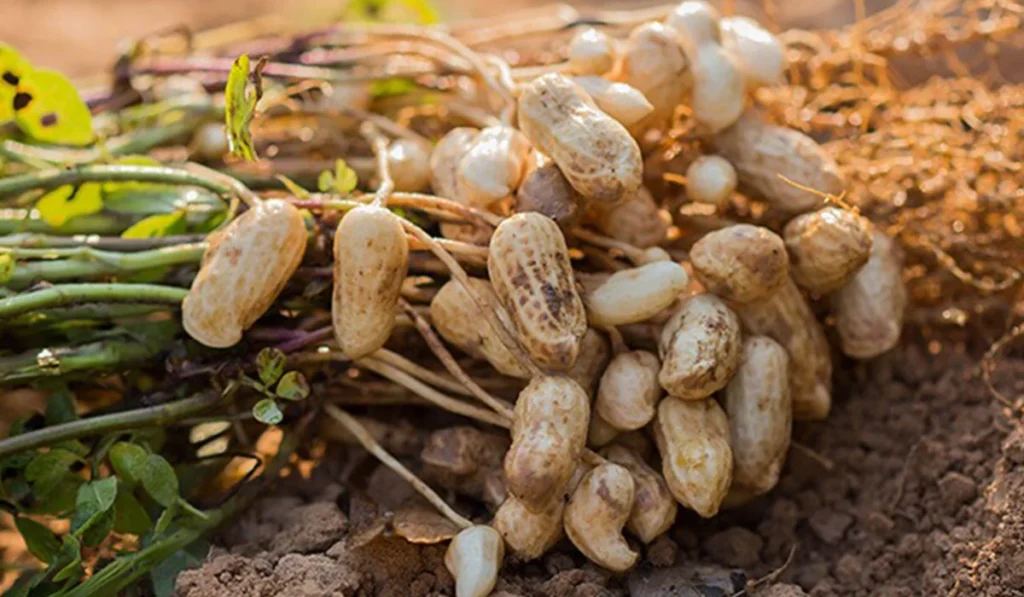
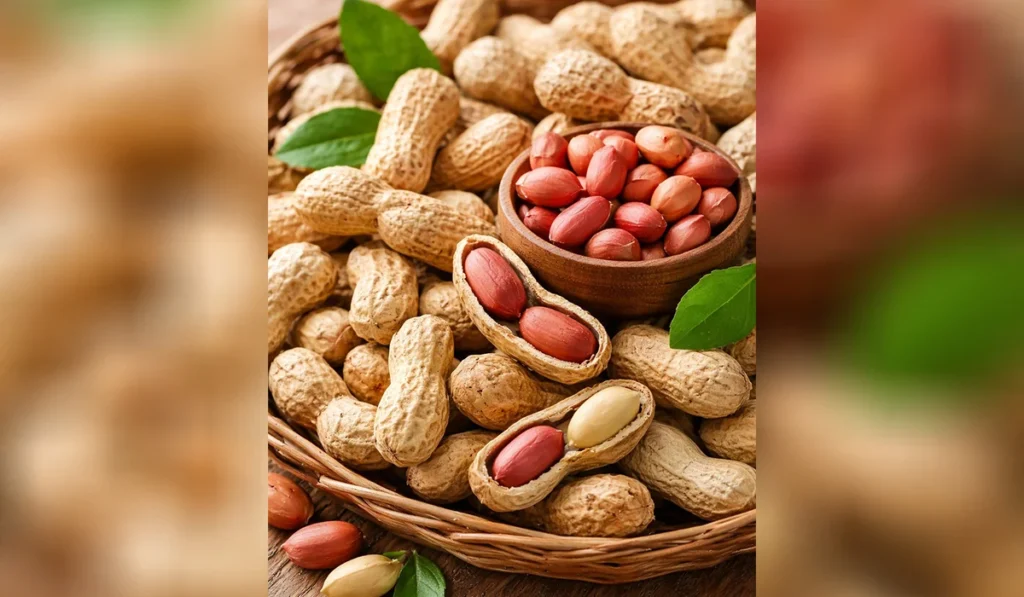
Groundnut, once a hallmark crop of Punjab’s sandy soils, is now witnessing a revival. Initiatives through Raunta Farm in Moga and Farmer Producer Organizations (FPOs) in Mohali to promote improved varieties such as J-87 and Girnar-4 are commendable.
With yields of 13–15 quintals per acre and oil content of around 50 percent, these crops not only require less water but also help maintain soil fertility.
From Producers to Processors
It is important to note that seed distribution alone is not sufficient. Under the National Mission on Oilseeds, providing a 33 percent subsidy on oil extraction machinery (up to ₹9.90 lakh) is a forward-looking step.
This initiative has the potential to transform farmers from mere producers into processors, generating rural employment and enabling them to secure better returns for their produce.
Need for Assured Procurement
While the data is encouraging, several challenges remain. A assured procurement mechanisms for mustard and groundnut would further strengthen farmers’ confidence.
Farmers must also be prepared in advance for groundnut sowing in June, and timely availability of quality seeds must be ensured. The financial assistance of ₹9,000 per hectare has already attracted farmers in Moga, and similar schemes should be extended across Punjab.
Objectives and Future Outlook
The primary objective of the National Mission on Oilseeds is to achieve self-reliance in edible oils in the country. In Punjab, oilseed crops are being promoted as an alternative to paddy, which will not only conserve water but also enhance farmers’ incomes.
Agricultural officials in both districts have urged farmers interested in groundnut cultivation to contact their respective block-level agriculture offices to ensure timely supply of seeds.
A Shift Towards Crop Diversification
The increase in mustard acreage and efforts to revive groundnut cultivation clearly indicate that Punjab’s farmers are gradually moving towards alternative crops. Government support through free seeds, financial assistance, and demonstration initiatives is encouraging this transition.
The National Mission on Oilseeds is expected to not only strengthen farmers’ economic conditions but also help stabilize groundwater levels in Punjab. In the coming years, greater adoption of such crops could significantly boost agricultural diversification.
Saving Water, Strengthening Farmers
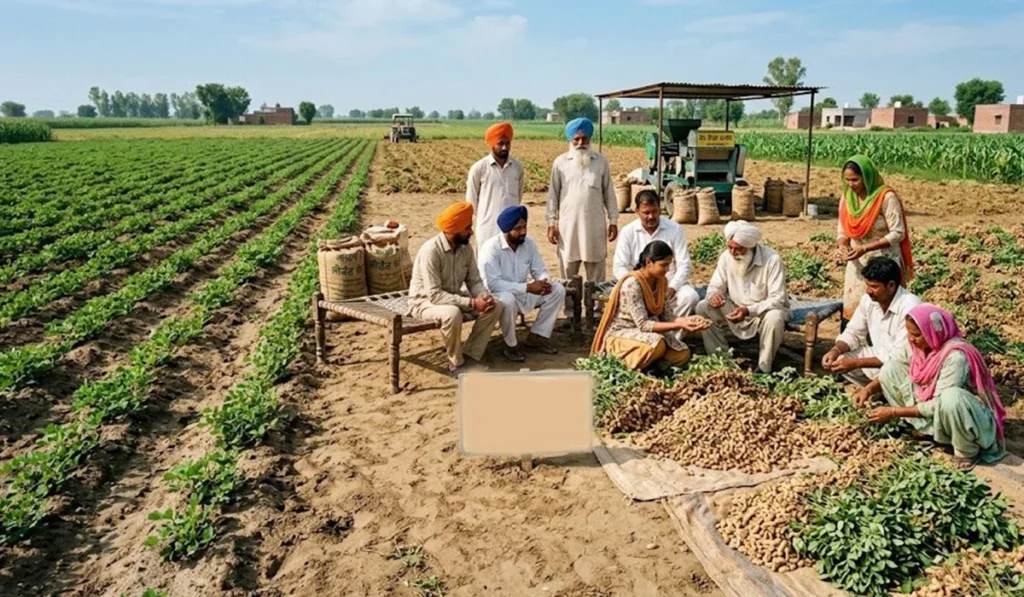
Oilseed cultivation holds the potential to play a crucial role in conserving Punjab’s water resources while also improving farmers’ economic stability. The support provided by the government—free seeds, financial aid, and machinery subsidies—presents a valuable opportunity for farmers.
If this momentum continues, Punjab could move towards self-reliance in edible oil production.
The Way Forward
Today, moving away from the traditional wheat-paddy cycle and adopting crop diversification has become an urgent necessity for Punjab’s agriculture. Oilseed cultivation can serve as a strong tool in this transition.
Farmers in Moga and Mohali have shown the way. Now, it is the responsibility of other districts and policymakers to scale this movement across the state.
If diversification is not adopted today, future generations may inherit barren land and depleted water resources.


Leave a Comment