


What Is the Recent Controversy Over Traditional Weapons at Sri Hazur Sahib?
The tradition of revering and carrying weapons has been an integral part of Sikhism for centuries. However, a fresh controversy has emerged in recent weeks after police cases were registered against Sikh devotees, individuals associated with religious traditions, and local weapon sellers at Takht Sri Hazur Sahib, Nanded (Maharashtra). The seizure of a large number of kirpans and traditional weapons by the police has sparked widespread anger among the Sikh community and Sikh organizations both in India and abroad.

To understand the issue, it is important to first examine the historical significance of the kirpan in Sikhism and then look at the details of the ongoing controversy at Sri Hazur Sahib.
The Kirpan: More Than Just a Weapon
In Sikhism, the Kirpan is not merely a weapon. It symbolizes a Sikh’s noble character, self-defense, and the protection of the oppressed and vulnerable.
The word Kirpan is derived from two words: “Kirpa” (compassion or mercy) and “Aan” (honor or dignity). Thus, it represents a weapon that is not meant for oppression but for defending justice, dignity, and compassion.
The tradition of carrying arms has existed in Sikh history since the time of the early Gurus in a spiritual sense. However, it was the Sixth Sikh Guru, Guru Hargobind Sahib Ji, who formally emphasized this concept by wearing two swords representing Miri (temporal authority) and Piri (spiritual authority) when he ascended the Guruship. Through this, he gave Sikhs the clear message of becoming Saint-Soldiers (Sant-Sipahi). He also issued directives encouraging Sikhs to bring quality horses and weapons.
The Five Ks and Constitutional Protection

During the Vaisakhi of 1699 at Anandpur Sahib, the Tenth Sikh Guru, Guru Gobind Singh Ji, established the Khalsa Panth. He made the Five Ks mandatory for initiated Sikhs:
Kesh (uncut hair)
Kangha (comb)
Kara (steel bracelet)
Kachhera (special undergarment)
Kirpan (ceremonial sword)
Guru Gobind Singh Ji made the Kirpan an inseparable part of a Khalsa Sikh’s identity, one that should never be separated from the body.
Even in the Sikh daily prayer (Ardas), the opening line, “Pritham Bhagauti Simar Kai”, pays homage to divine power, often symbolically associated with the spirit of righteous arms.
On the legal front, Article 25 of the Constitution of India guarantees every citizen the freedom to profess and practice their religion. The Article specifically recognizes that the wearing and carrying of the Kirpan shall be deemed to be included in the profession of the Sikh religion. Therefore, Sikhs enjoy constitutional protection for carrying the Kirpan as an article of faith.
What Is the Hazur Sahib Weapons Controversy?

Takht Sri Hazur Sahib in Nanded is one of the five Sikh Takhts and the sacred site where Guru Gobind Singh Ji spent the final days of his earthly life and bestowed the Guruship upon Guru Granth Sahib Ji.
Every year, millions of devotees from India and abroad visit the shrine. One of the long-standing traditions associated with the Takht is that pilgrims often purchase Kirpans, Siri Sahibs, and other traditional Sikh weapons as religious souvenirs and symbols of faith.
In recent days, the Nanded Police reportedly launched a strict checking campaign across the city. During this operation, police conducted raids on shops selling traditional weapons around Hazur Sahib and seized a large number of kirpans, khandas, and other religious arms.
Cases were reportedly registered against several local shopkeepers, craftsmen, and visiting devotees under various legal provisions.
Police Justification
As the controversy escalated, local authorities and the police maintained that the action was taken to preserve law and order and to prevent the open sale of potentially dangerous weapons without proper licensing or beyond permissible specifications.
According to the police, there were concerns that some anti-social elements could misuse such weapons, necessitating stricter enforcement measures.
Objections Raised by Sikh Organizations
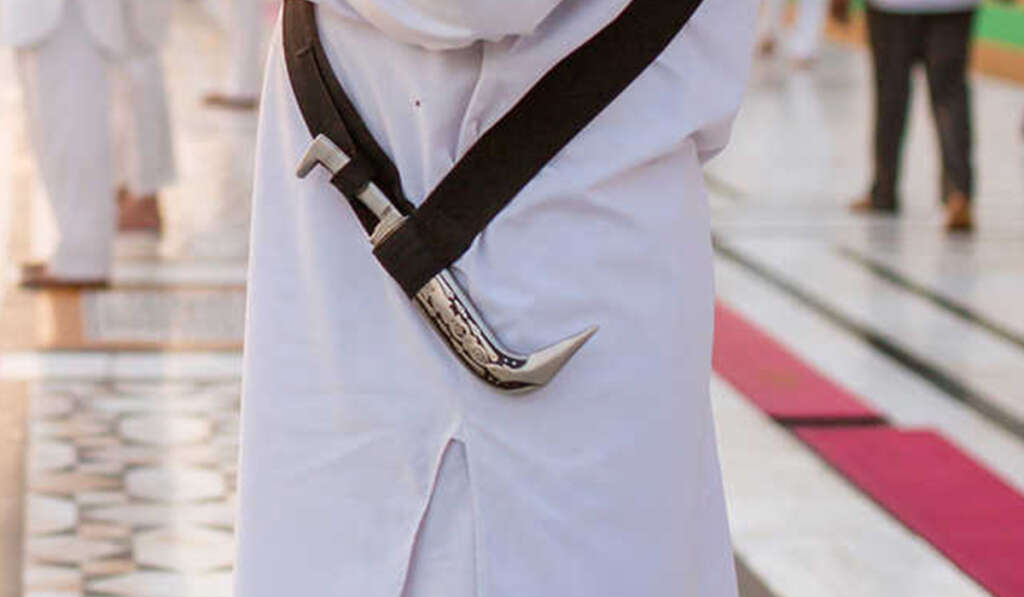
The police action has triggered strong reactions within the Sikh community.
Sikh leaders, members of the Shiromani Gurdwara Parbandhak Committee (SGPC), and representatives associated with Hazur Sahib have argued that the Kirpan is not an ordinary weapon but a sacred religious article.
They contend that seizing traditional Sikh weapons in one of Sikhism’s holiest cities amounts to disrespecting Sikh traditions and religious sentiments.
According to Sikh organizations:
Traditional weapon-making and sales have been a source of livelihood for Sikh artisans and shopkeepers in Nanded for generations.
Treating them like criminals is unjust.
Registering cases against devotees violates their constitutional and religious rights.
Political Reactions
The controversy has also begun to generate political tensions between Punjab and Maharashtra.
SGPC President Harjinder Singh Dhami strongly condemned the police action and reportedly wrote to Maharashtra’s Chief Minister and Home Minister seeking immediate intervention.
The SGPC has warned that if the registered cases are not withdrawn and the seized weapons are not returned, a larger protest movement could follow.
Calls for Legal Assistance and Resolution
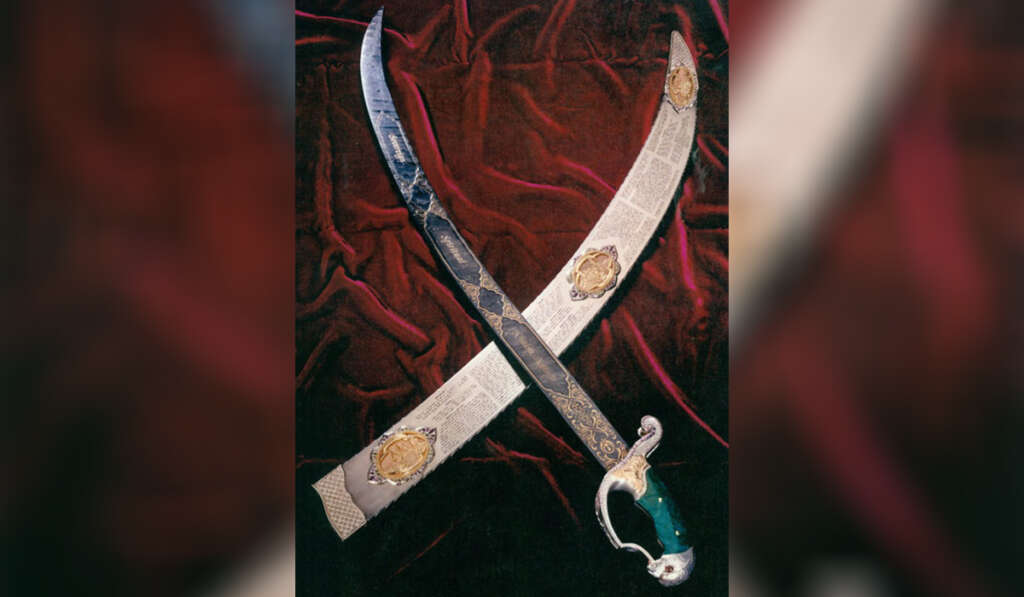
Several Sikh organizations have announced that they will provide free legal assistance to devotees and shopkeepers facing legal action so that the police measures can be challenged in court.
The organizations argue that the incident reflects a lack of administrative sensitivity toward Sikh religious traditions. They believe religious Sikh weapons should not be treated in the same manner as ordinary criminal weapons.
Many community leaders have called for a joint meeting involving:
The management board of Takht Sri Hazur Sahib
Sikh scholars and representatives
Senior officials of the Nanded administration
Such a dialogue, they say, is essential for resolving the issue amicably.
The Way Forward
Community representatives have urged authorities to immediately review or withdraw cases registered against innocent devotees and shopkeepers. They have also called for the creation of clear guidelines governing the sale, possession, and transportation of traditional Sikh weapons.
Supporters of this approach argue that it would help ensure that Sikh religious sentiments are respected while also allowing law enforcement agencies to maintain public order and security.
The ongoing controversy at Hazur Sahib has therefore become a broader debate about balancing religious freedom, constitutional rights, traditional practices, and public safety in contemporary India.



Leave a Comment