
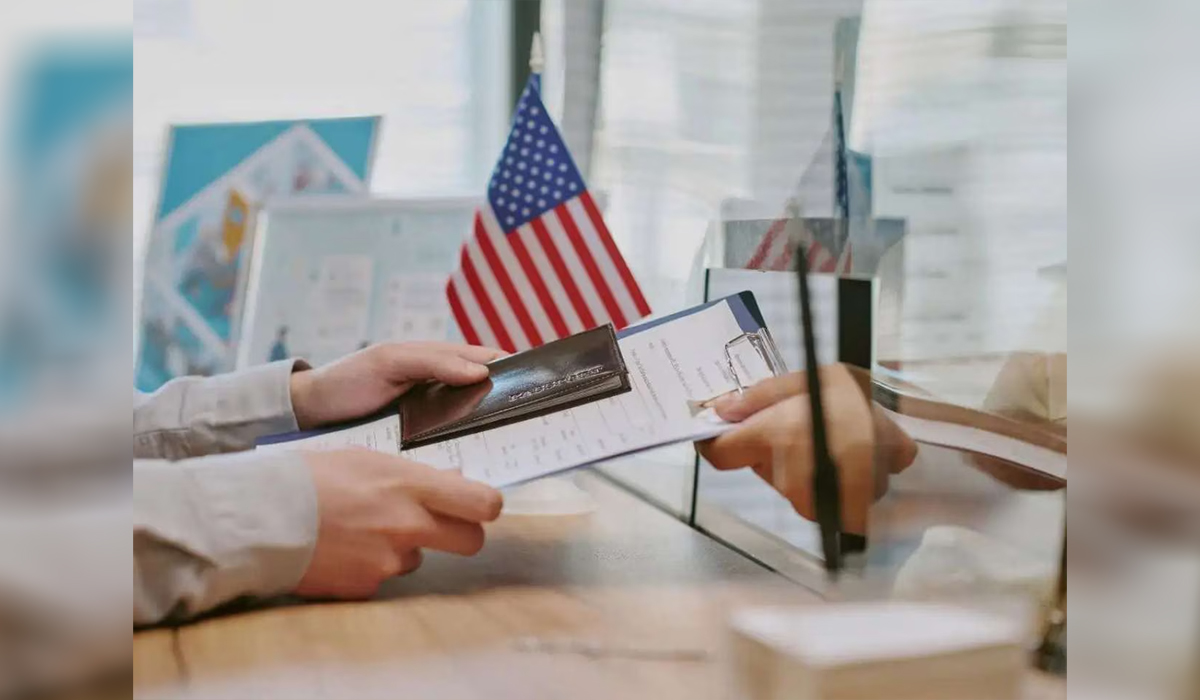

The United States has unveiled sweeping new visa regulations for international students, cultural exchange visitors, and foreign journalists, placing time limits on their stay in the country.
Under the new rules, F visas issued to international students and J visas granted to cultural exchange visitors will be valid for a maximum of four years, while I visas for foreign journalists will allow a stay of up to 240 days. At present, holders of all three visa categories are admitted for the “duration of status”, allowing them to remain in the US as long as they continue to meet the conditions of their visa.
The new rule issued by the Department of Homeland Security (DHS) will likely take effect in September, 60 days after its publication in the Federal Register, subject to Congressional review. This is the latest in a series of moves by the Trump administration to curb immigration as promised in his Presidential campaign. In the past, the administration has revoked student visas and green cards of university students over their ideological views.
The changes will significantly impact the legal status of the international students in the US. Under the new rules, students enrolled in programmes lasting more than four years will have to seek extension from DHS or leave the country and seek re-admission to complete their studies. Until now, universities had the power to grant visa extensions to students. Also, students will no longer be allowed to change their “educational objectives” at any point or transfer to another school without authorisation. They will also have to leave the country within 30 days of the completion of their studies or training as against the current stipulation of 60 days.
The DHS has justified the changes saying the sharp rise in the number of international students, exchange visitors and foreign journalists entering the US “poses a challenge to DHS’s ability to monitor and oversee these non-immigrants while they are in the United States.” The department said it had identified numerous examples of students and exchange visitors remaining in the US for decades under the current system.
In another move, the Trump administration is reviving a rule that could deny permanent residency to immigrants who claim public benefits including food stamps, Medicaid and housing vouchers. Under the policy, green card applicants will have to demonstrate they wouldn’t be a burden on the system or become “public charges” before they could be granted a green card.
The policy, known as ‘Public Charge’ has been published in the Federal Register and will come into force on 20 July. The policy was first introduced during Trump’s first term in February 2020 but was later rescinded by the Biden administration.


Leave a Comment