

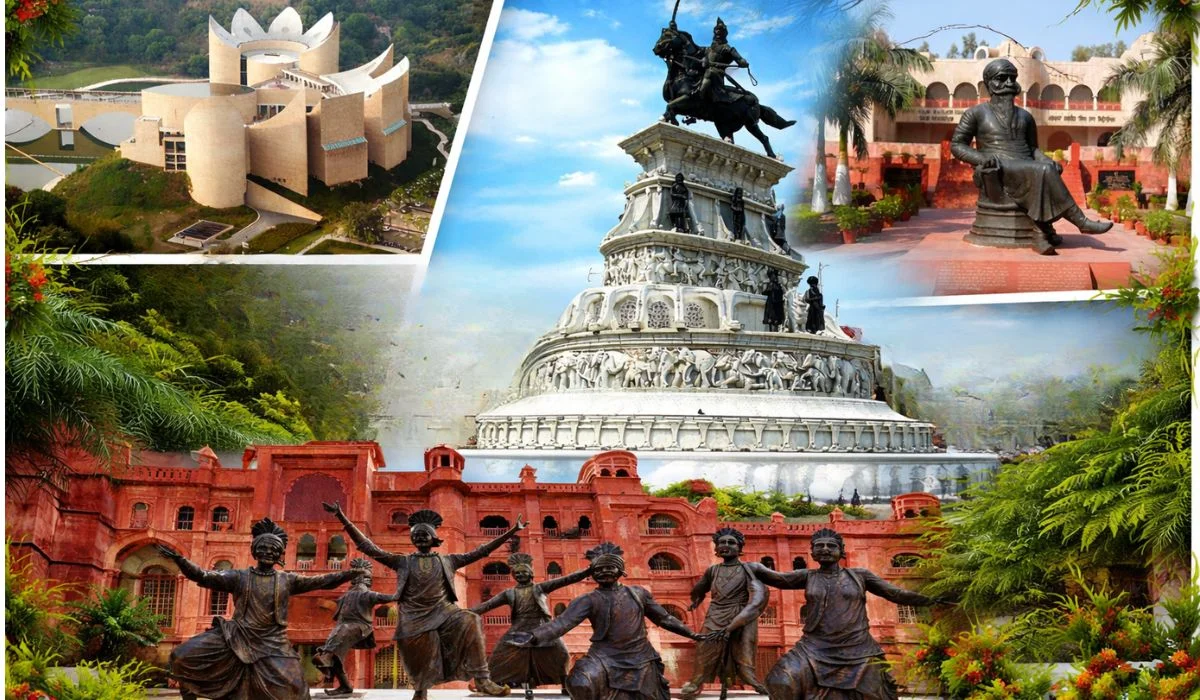

The land of Punjab is not just the confluence of five rivers; it is a region deeply rooted in culture, spirituality, and bravery. Punjab’s history is rich, glorious, and fascinating. Its traditions, cuisine, and historical landmarks have given it a unique identity across the world. Every brick and every street in Punjab carries a story. These heritage sites are not merely structures of stone and brick; they are living symbols of Punjabi identity, connecting us to the proud legacy of our ancestors.
Below are four prominent heritage sites that beautifully represent Punjab’s glory and distinct cultural identity.
Sri Harmandir Sahib: A Symbol of Spirituality and Unity
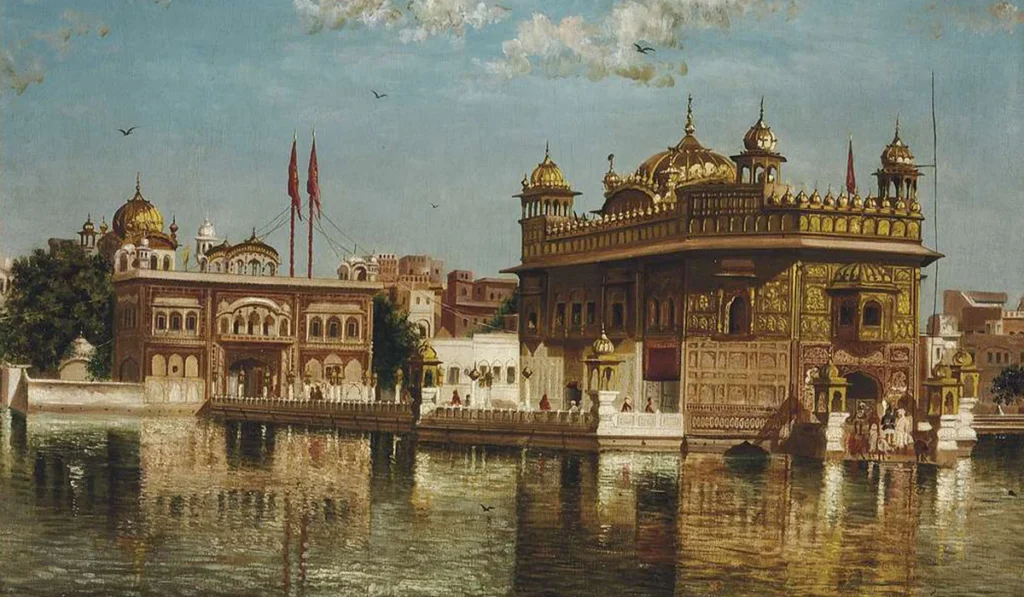
Sri Harmandir Sahib, located in the sacred city of Amritsar, is not only the holiest shrine of Sikhism but also a global symbol of peace and unity.
The foundation of this sacred site was laid by Mian Mir, a Muslim saint, which reflects its universal spirit. With four doors खुला in all directions, it sends a powerful message of inclusivity—welcoming people of all religions, castes, and backgrounds.
Adorned with gold and situated in the middle of the Amrit Sarovar, the shrine offers deep spiritual peace. The Guru Ka Langar, one of the world’s largest community kitchens, reflects the principles of service and sharing. This site, under consideration for UNESCO World Heritage status, stands as the highest symbol of Punjab’s cultural richness.
Jallianwala Bagh: A Testament to Sacrifice and Freedom
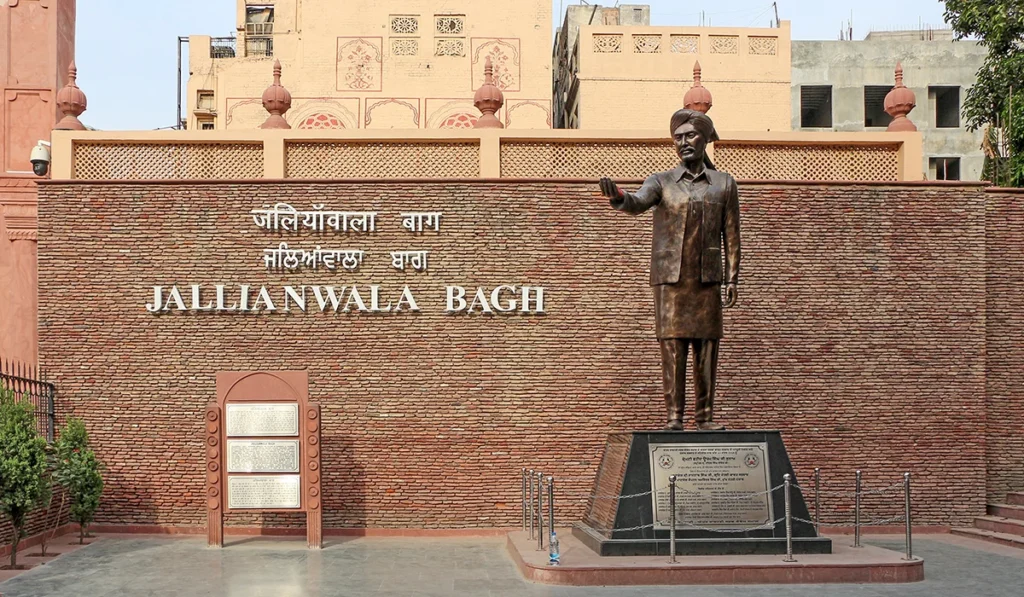
Jallianwala Bagh, located near the Golden Temple, is a deeply emotional chapter in India’s freedom struggle.
On April 13, 1919, during Baisakhi, hundreds of unarmed civilians were massacred under the orders of General Dyer. Bullet marks still remain on the walls, and the Martyrs’ Well stands as a haunting reminder of those who jumped in to save their lives.
Now a national memorial, the eternal flame (Amar Jyoti) burns in memory of the martyrs. For Punjabis, this is not just a tourist site but a place of pilgrimage that rekindles the spirit of patriotism and resistance against injustice.
Qila Mubarak: One of India’s Oldest Forts
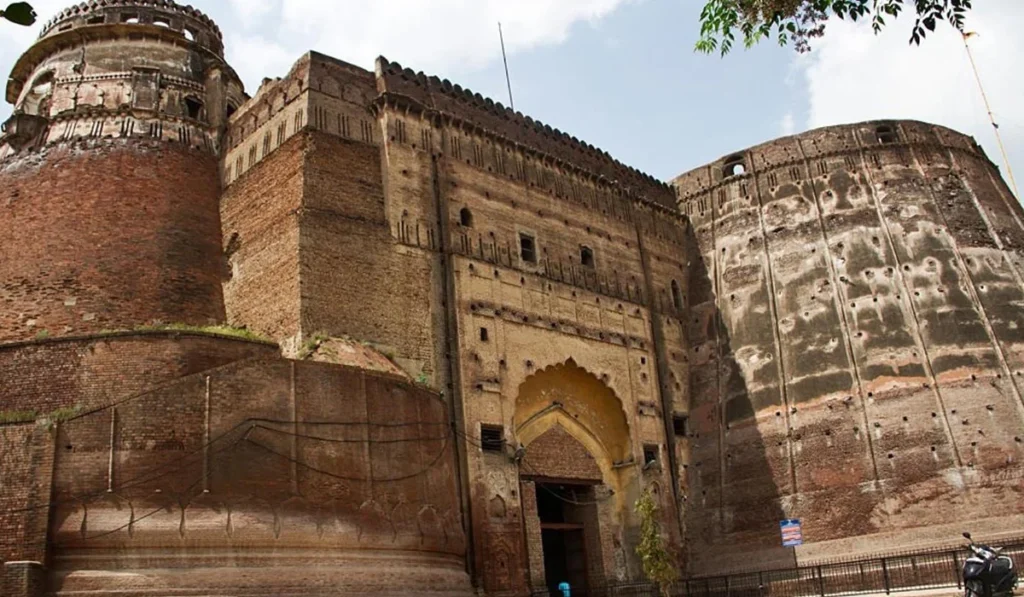
Qila Mubarak, located in Bathinda, is among the oldest forts in India, believed to be around 1,900 years old, dating back to the Kushan period.
Its towering walls and massive bastions narrate Punjab’s martial past. The fort is also associated with Razia Sultana, who was reportedly imprisoned here in 1239.
Built with small bricks, this fort is an architectural marvel, showcasing advanced engineering and defense systems of its time. Despite the wear of centuries, it still stands tall as a symbol of Punjab’s ancient identity and its role as a gateway to India.
Sheesh Mahal Patiala: A Glimpse of Royal Grandeur
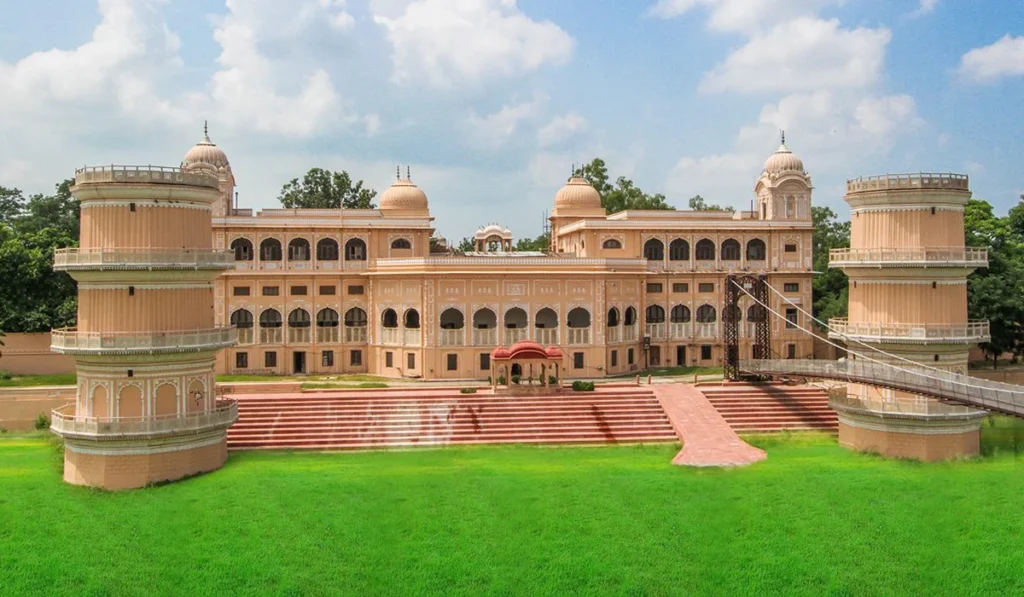
Sheesh Mahal, located in Patiala, is one of the most beautiful palaces representing Punjab’s royal heritage.
Built in the 19th century by Maharaja Narinder Singh, the palace is renowned for its intricate mirror work and artistic beauty. Its interiors display a fusion of Punjabi and Rajasthani art, with paintings depicting folklore, religious themes, and nature.
The Medal Gallery inside the palace is one of the largest in Punjab, while the Lakshman Jhula-style bridge in front of the palace adds to its charm. This palace reflects the grandeur and artistic sensibilities of Punjab’s princely era.
Our Heritage, Our Pride
The spirituality of Sri Harmandir Sahib, the sacrifice of Jallianwala Bagh, the antiquity of Qila Mubarak, and the artistry of Sheesh Mahal together paint a complete picture of Punjab—one that every Punjabi is proud of.
This heritage reminds us that we are heirs to a rich past. Today, it is our responsibility not just to visit these places, but to preserve them. If we want future generations to remain inspired by Punjab’s glorious history, we must stay connected to these roots.
These monuments are not just historical sites—they are the true wealth of Punjabi culture. Protecting them is our most valuable contribution to the generations to come.

Leave a Comment