

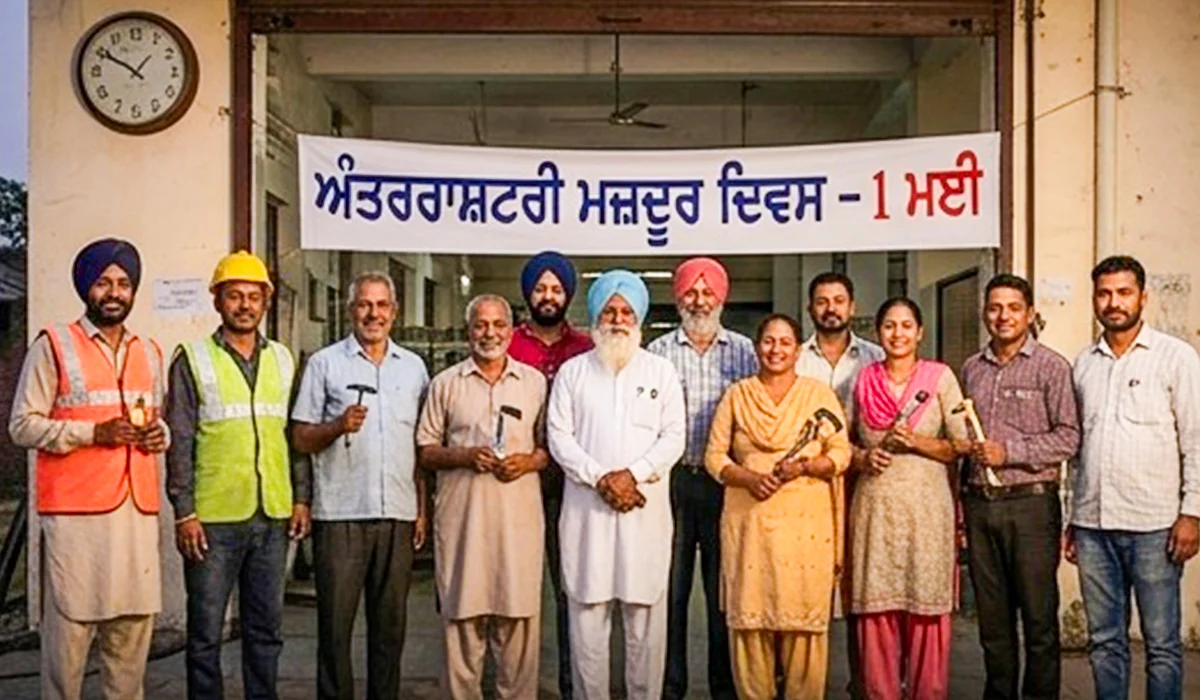

‘Mazdoor Diwas’ is also known as Labour Day or Workers’ Day. Every year, International Labour Day is observed across the world on 1 May, and is also known as May Day. This day is no less than a festival, as it is dedicated to the struggles, sacrifices and achievements of workers, who form the foundation of human civilisation.
It reminds us that the relatively better work culture we experience today is the result of a long and blood-soaked struggle by workers.
It is because of the hard work and dedication of labourers and employees that countries across the world are progressing in every field. On this day, almost all companies and institutions remain closed. Not only in India, but in nearly 80 countries around the world, 1 May is observed as a holiday.
The Bloody Struggle of Chicago
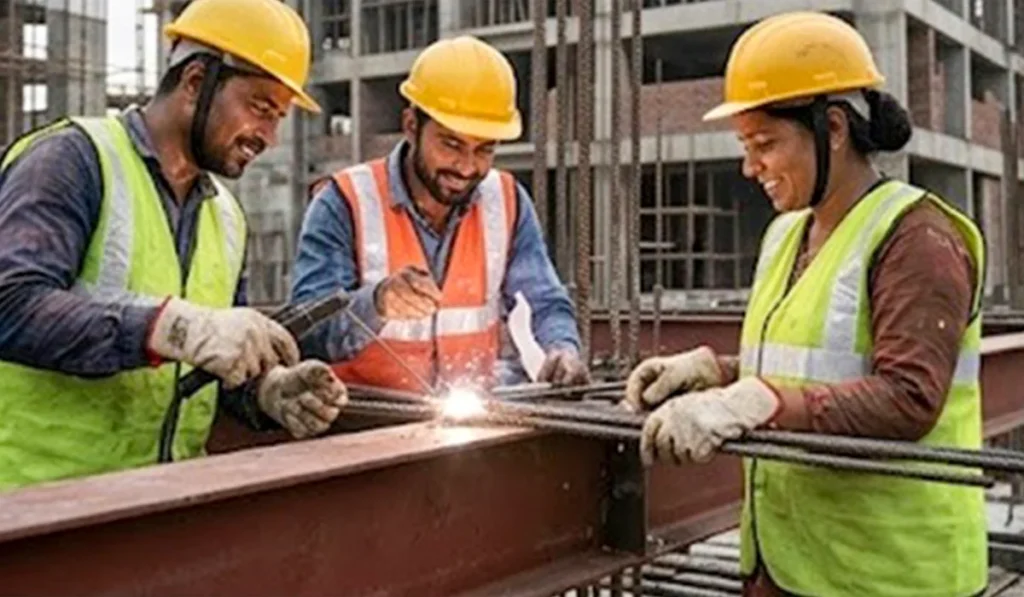
The origins of Labour Day go back to the late 19th century in the United States. At that time, workers were made to work for 15 hours a day, often under extremely poor conditions. On 1 May 1886, thousands of workers in Chicago went on strike demanding an eight-hour workday.
On 4 May, during a peaceful rally, a bomb blast took place, followed by police firing in which several workers were martyred.
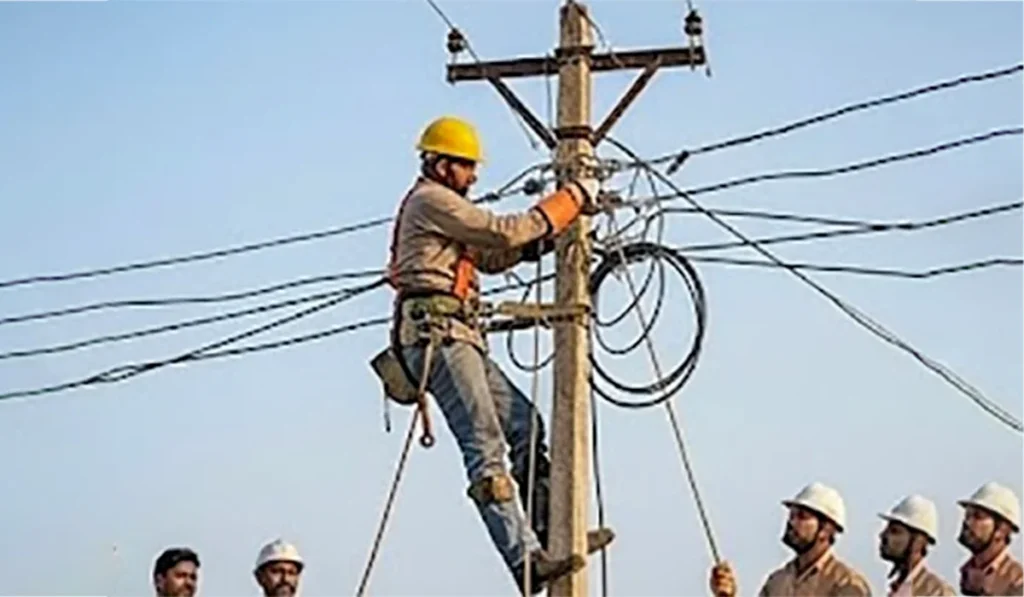
In memory of these martyrs, the International Socialist Conference declared in 1889 that 1 May would be observed every year as International Labour Day. In India, May Day was first celebrated on 1 May 1923 in Chennai, then Madras, under the leadership of the Labour Kisan Party of Hindustan.
The Present Condition of Workers in Punjab
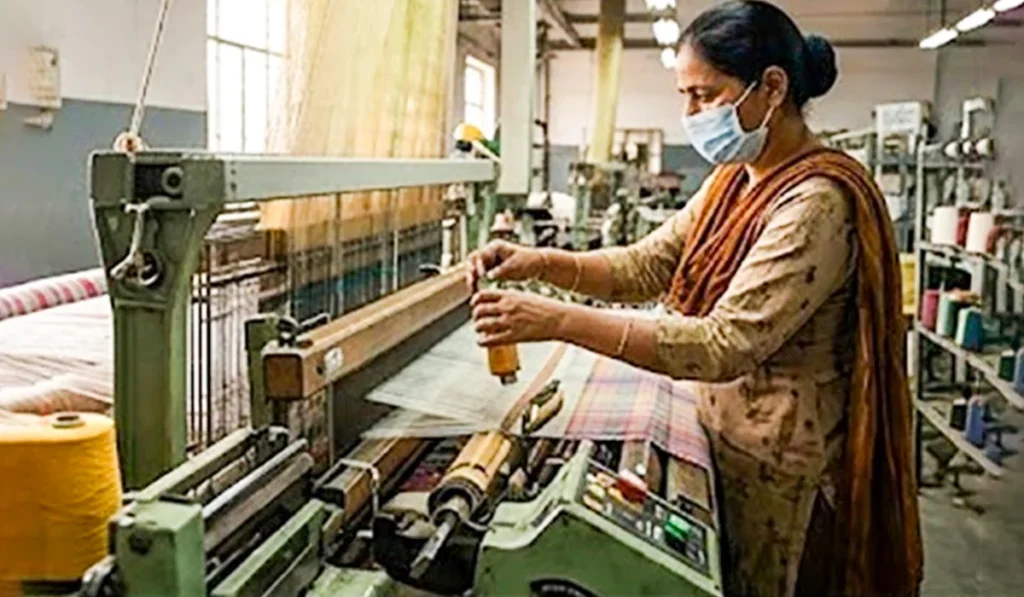
Punjab, often called the country’s “annadata”, depends heavily on agricultural and industrial workers. Workers in Punjab can broadly be divided into three categories: farm labourers, industrial workers in cities such as Ludhiana and Jalandhar, and daily-wage labourers engaged in construction work.
The Green Revolution brought prosperity to Punjab, but mechanisation through combines and tractors reduced the number of working days available to farm labourers. Like farmers, Punjab’s farm labourers are also trapped in a web of debt. Available figures indicate that suicides among farm labourers have reached a worrying level.
In rural areas, caste-based discrimination still exists, forcing workers to fight not only for economic justice but also for social dignity.
For rural workers, MGNREGA is one source of employment, but it too has several weaknesses. The promised 100 days of work often remain limited to paper. Wages are not always paid on time. Budget cuts have also created disappointment among workers.
Problems Faced by Industrial Workers
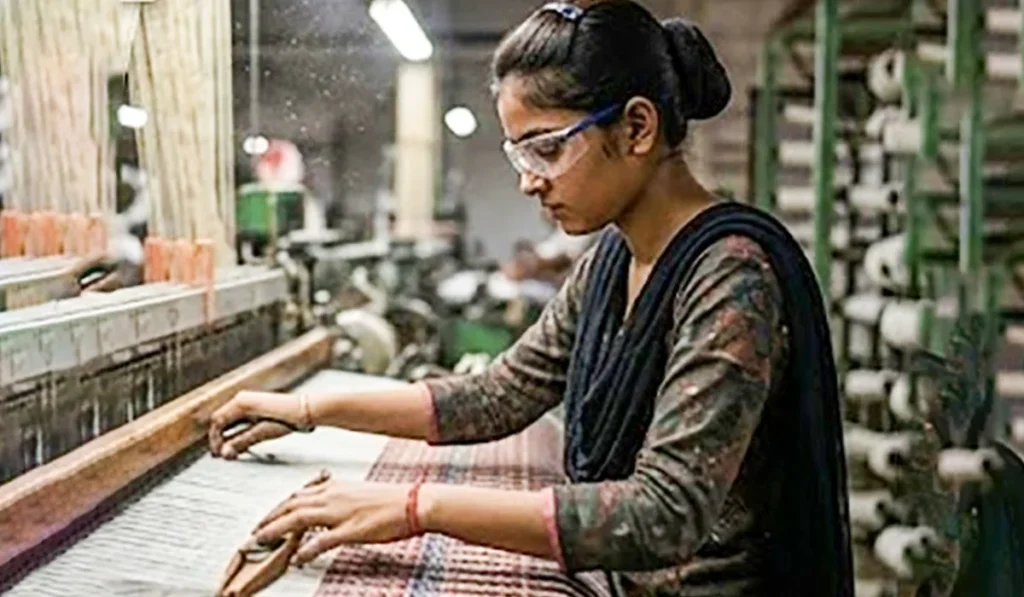
In industrial hubs such as Ludhiana, lakhs of migrant and local workers are employed. In many places, the minimum wage fixed by the government is not properly implemented. During times of inflation, surviving on a small salary becomes extremely difficult.
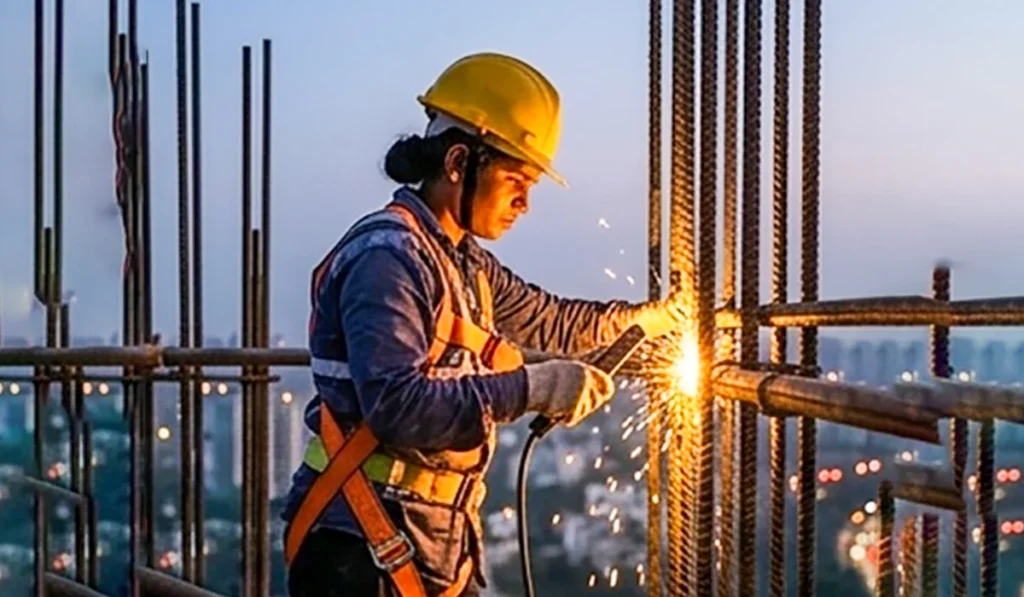
Many factories lack proper safety norms, leading to frequent accidents. Like incidents reported in cities such as Bengaluru or Indore, Punjab too has witnessed cases where workers have lost their lives due to factory wall collapses or fire accidents.
Do Workers Benefit From Government Schemes?
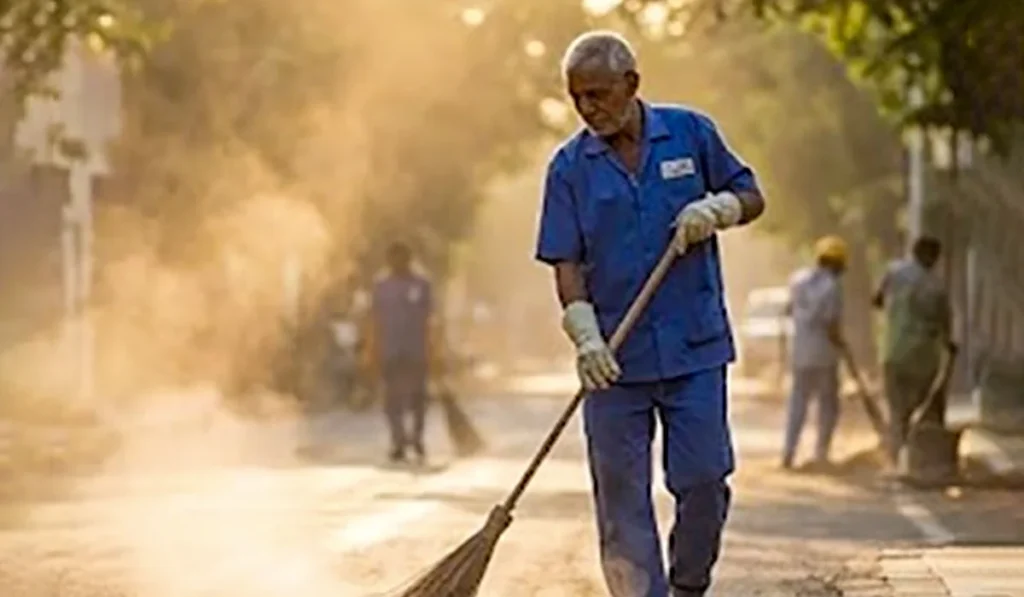
The Punjab government runs several schemes for workers through the Labour Welfare Board, such as the Shagun Scheme and scholarships for children. However, recent reports suggest that many workers are either unaware of these schemes or get trapped in bureaucratic procedures.
The Punjab Human Rights Commission has also raised questions from time to time about workers’ dignity and access to basic facilities. For instance, the poor condition of government hospitals, including civil hospitals, affects the working class the most, as they cannot afford expensive private treatment.
Social Challenges and the Way Forward
The drug crisis in Punjab has badly affected working-class families. Many households have lost their earning members as young people fall into addiction. Apart from this, quality education for workers’ children still remains a dream, due to which the child of a worker often remains trapped in the same cycle of labour.
The government must first focus on wages if it truly wants to improve the condition of workers. Wages should rise in proportion to inflation. Insurance and pension schemes must be ensured for every worker. Workers’ children should get free and quality education, and their families should have access to better healthcare facilities.
Labour unions must rise above politics and fight purely for the rights and welfare of workers.
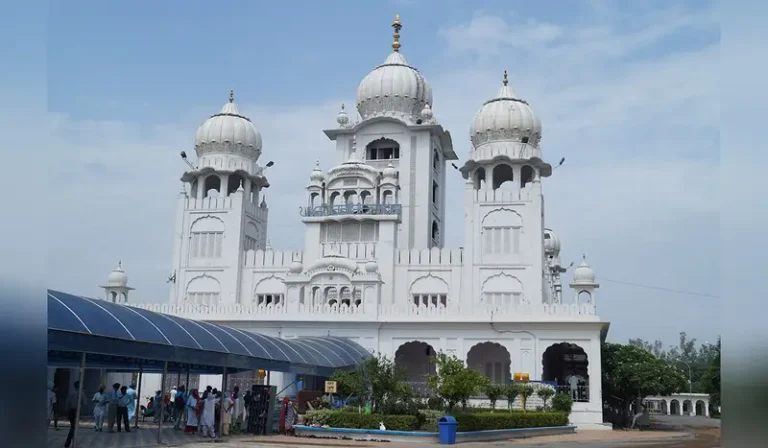
Ultimately, 1 May is not just a day for a holiday or speeches. It is a day to recognise the dignity of labour. Guru Nanak also upheld the value of honest work through the message:
Kirat karo, Naam japo, Vand chhako
The prosperity of Punjab will become meaningful only when the lives of those who sweat in its fields and factories are truly uplifted.

Leave a Comment