

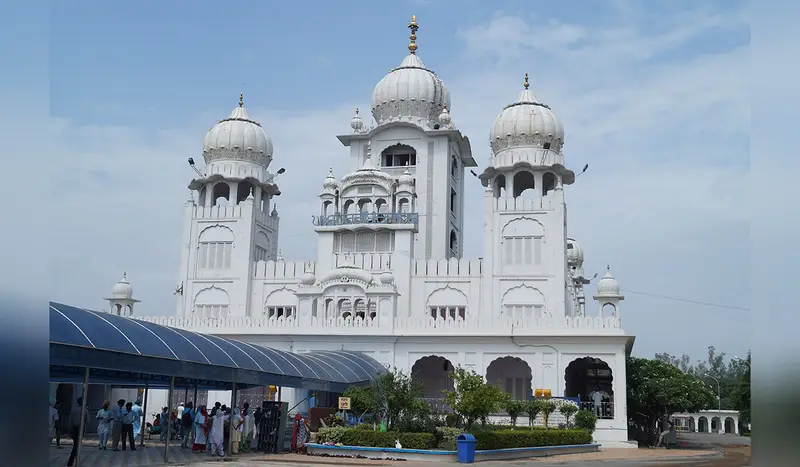

Punjab is known as the land of Gurus and saints. Sikhism came into being during the travels of Guru Nanak Dev Ji. Over time, the number of Sikhs in Punjab continued to grow, and the seed of Sikhi planted by Guru Nanak Dev Ji began to flourish.
The Sikh Gurus founded several towns across Punjab. Guru Nanak first established Kartarpur, now in Pakistan. Later came Goindwal Sahib, Chak Ramdaspura, now Amritsar, Gobindpura, Tarn Taran, Kartarpur in Jalandhar, Chheharta Sahib, Kiratpur Sahib and Anandpur Sahib. Each of these towns has its own historical importance. Among them, Kiratpur Sahib is regarded as the sacred land touched by six Sikh Gurus.
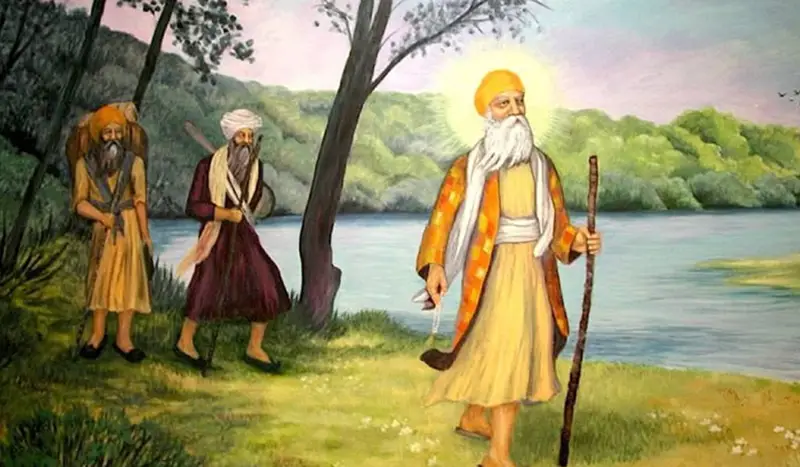
Historical accounts suggest that Guru Nanak Dev Ji stayed at the place now known as Kiratpur during his second Udasi. A Muslim fakir named Buddhan Shah, who lived in the hilly region, came to meet Guru Nanak Dev Ji and offered him goat’s milk as seva.
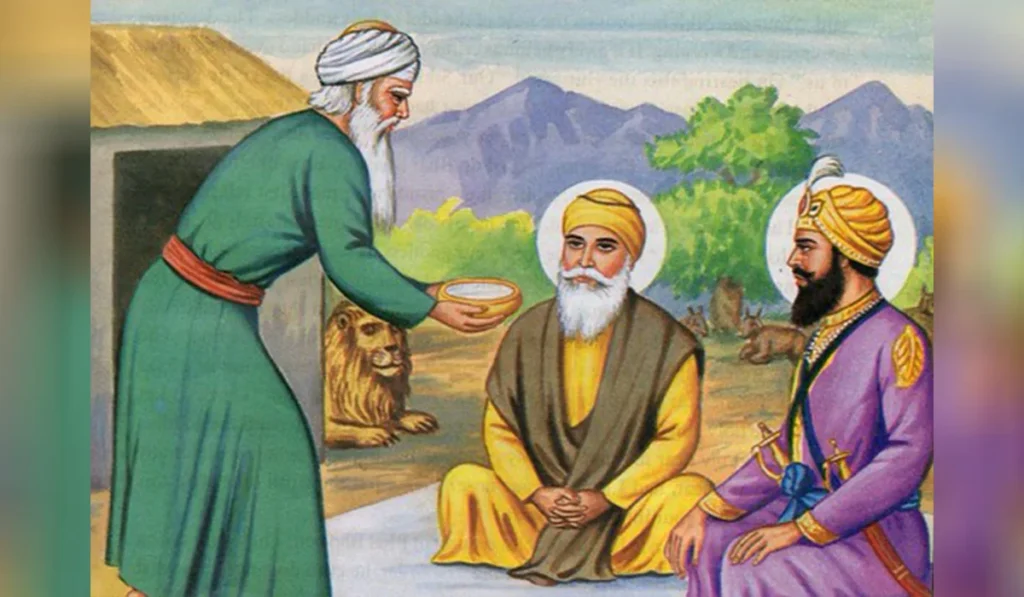
According to Sikh tradition, Guru Nanak Dev Ji did not drink the milk at that time and told Buddhan Shah that he would return in his sixth form to accept it. In memory of Guru Nanak Dev Ji’s visit, Gurdwara Charan Kanwal Sahib stands in Kiratpur Sahib.
The foundation of Kiratpur Sahib was laid during the time of Guru Hargobind Ji. Raja Kalyan Chand of the Kahlur, Bilaspur, state requested Guru Hargobind Ji to establish a Sikh settlement in the hill region. After repeated requests, Guru Ji sent his eldest son Baba Gurditta Ji to Kahlur. Kalyan Chand marked land between four villages, Jiowal, Kalyanpur, Bhatoli and Bhaguwal, for the new Sikh town. Guru Ji purchased the land by paying its price.
Guru Hargobind Sahib chose Baba Sri Chand Ji to formally begin the settlement. On 1 May 1626, Baba Sri Chand Ji laid the foundation of the new Sikh town and started the digging of a baoli. The town was named Kiratpur Sahib. Baba Gurditta Ji began developing the town and spreading Sikhi there.
After fighting four battles against the Mughals in the Majha region, Guru Hargobind Sahib decided to move toward Kiratpur Sahib. His purpose was to continue the spread of Sikhism without letting conflict disturb the religious mission. At that time, Shah Jahan was on the Mughal throne in Delhi, and Guru Hargobind Sahib had no close relations with him.
When Guru Hargobind Sahib moved to Kiratpur Sahib, it became a major Sikh religious centre. Sangat gathered there four times a year. After the Mughal court, Kiratpur Sahib emerged as one of the most important Sikh courts. Guru Hargobind Sahib began conducting the affairs of Akal Takht from Kiratpur Sahib. The place where Guru Ji held his court is now marked by Gurdwara Takht Sahib.
Rulers from Kahlur, Handur, Mandi, Nahan and other hill states, as well as Rajputana, came to pay respects to Guru Ji at this Takht Sahib. While living at Kiratpur Sahib, Guru Hargobind Sahib also helped Raja Himmat Chand of Handur against Nawab Nasar Ali Khan of Ropar and won the battle at Nangal Gujran. After this victory, the Nawab of Ropar, impressed by Guru Ji’s strength, made peace with him and invited him to Ropar as a guest.
Kiratpur Sahib is also the birthplace of Guru Har Rai Ji and Guru Har Krishan Ji. Guru Har Rai Ji was married at Kiratpur Sahib to Bibi Sulakhni, daughter of Bhai Daya Ram of Anoopnagar, Gujranwala. Several members of the Guru’s family also lived here, including Bhai Ani Rai, Baba Suraj Mal, Baba Teg Mal, Bibi Viro and others.
Guru Ji also planted the Nau Lakha Bagh at Kiratpur Sahib, where heritage fruit trees and medicinal plants were grown for preparing traditional medicines. Guru Har Rai Ji established dispensaries here. When Dara Shikoh, son of Mughal emperor Shah Jahan, was near death after being given a tiger’s whisker, Shah Jahan appealed to Guru Har Rai Ji. Guru Ji sent medicinal plants from Kiratpur Sahib for Dara Shikoh’s treatment.
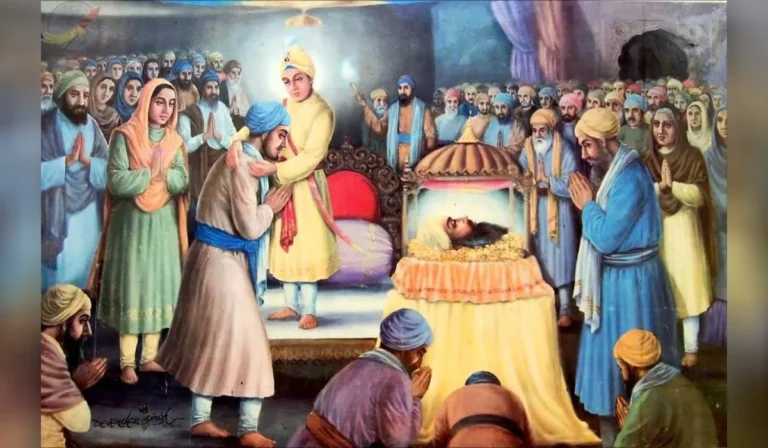
Guru Hargobind Sahib Ji was also cremated here, at the place where Gurdwara Patalpuri Sahib stands today. When Guru Tegh Bahadur Ji, the ninth Guru, was martyred in Delhi, his devoted Sikh Bhai Jaita Ji brought his sacred head and stopped at Bibangarh near Kiratpur Sahib. Today, Gurdwara Bibangarh Sahib marks that place.
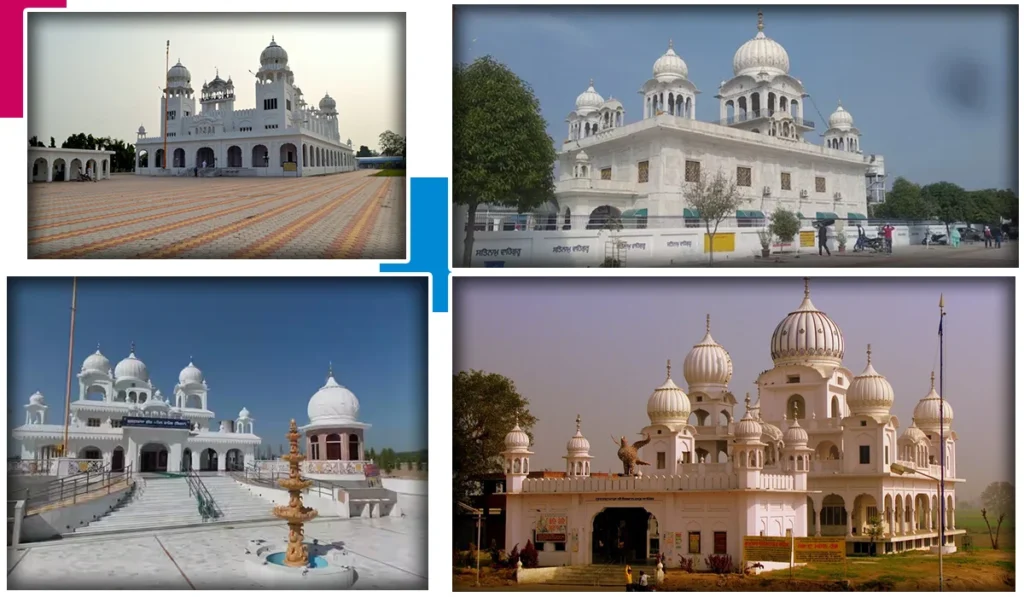
At present, Kiratpur Sahib has many sites connected with Sikh history, including Gurdwara Charan Kanwal Sahib, Baba Gurditta Ji’s shrine, Baba Buddhan Shah Ji’s shrine, Gurdwara Sees Mahal, Baba Sri Chand Ji’s site, Gurdwara Patalpuri Sahib, Gurdwara Bibangarh Sahib and several others.
Today, the Shiromani Gurdwara Parbandhak Committee is managing these gurdwaras and is celebrating the 400th foundation anniversary of Kiratpur Sahib on a large scale. Akhand Path Sahib began at Sees Mahal Sahib from 29 April, followed by three days of continuous kirtan darbars. Arrangements were made for langar and accommodation for sangat arriving from far-off places. Other Sikh sects and organisations also contributed seva during the celebrations.
On 1 May 2026, the main events marking the 400th foundation anniversary of Sri Kiratpur Sahib were held. The bhog of Sri Akhand Path Sahib was performed at Gurdwara Sees Mahal Sahib. The SGPC’s decision to commemorate the 400-year foundation anniversary and highlight the importance of Kiratpur Sahib is a commendable step.
Leave a Comment