


History is not always written through wars or political declarations. Sometimes, history is written through stories where memory, pain, displacement, identity, and service move together.
The story of Dr. Gunisha Kaur is one such story.
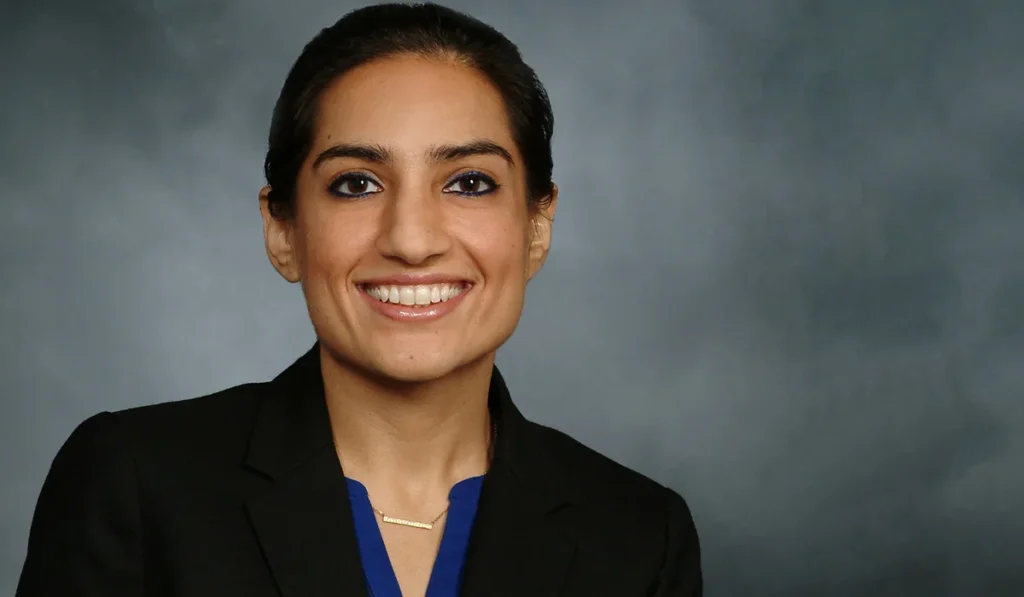
Her appointment to the United States Commission on International Religious Freedom (USCIRF) is not merely news about a position. It represents recognition of a journey that begins in memories of difficult years connected to Punjab and extends toward becoming a global voice for human rights. According to recent announcements, Dr. Kaur has now been appointed to serve on USCIRF, becoming the first Sikh known to serve on the commission. She was appointed by Senator Chuck Schumer for a two-year term.
But her story is not only about being “the first Sikh.” It is also about a generation that chose not to turn memories of displacement into silence, but into service and advocacy.
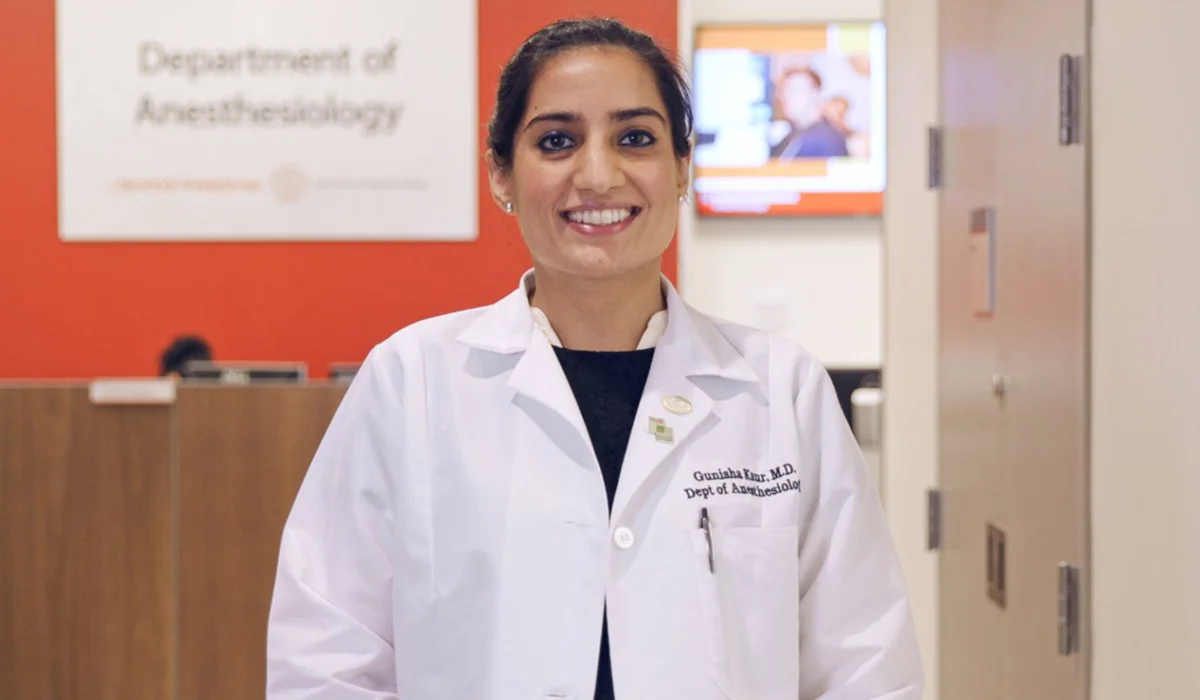
Today, Dr. Kaur serves at Weill Cornell Medicine as an anesthesiologist and human-rights-focused physician. She is associated with the Human Rights Impact Lab and has worked extensively at the intersection of medicine and justice.
Her work extends beyond hospitals.
For years, she has worked with people affected by war, religious persecution, forced displacement, trafficking, and identity-based violence. Her work includes medical evaluations for refugees, torture survivors, asylum seekers, and vulnerable minority communities, where medicine becomes closely connected with dignity and legal justice.
A major part of her research explores how war and displacement affect not only the body but also memory, identity, and mental well-being, especially among women, children, and families.
Dr. Kaur has spoken publicly about how her family moved to the United States during the difficult atmosphere connected to Punjab in the 1980s. While not arriving through a refugee process, those experiences of uncertainty and relocation shaped her understanding of human suffering and identity.
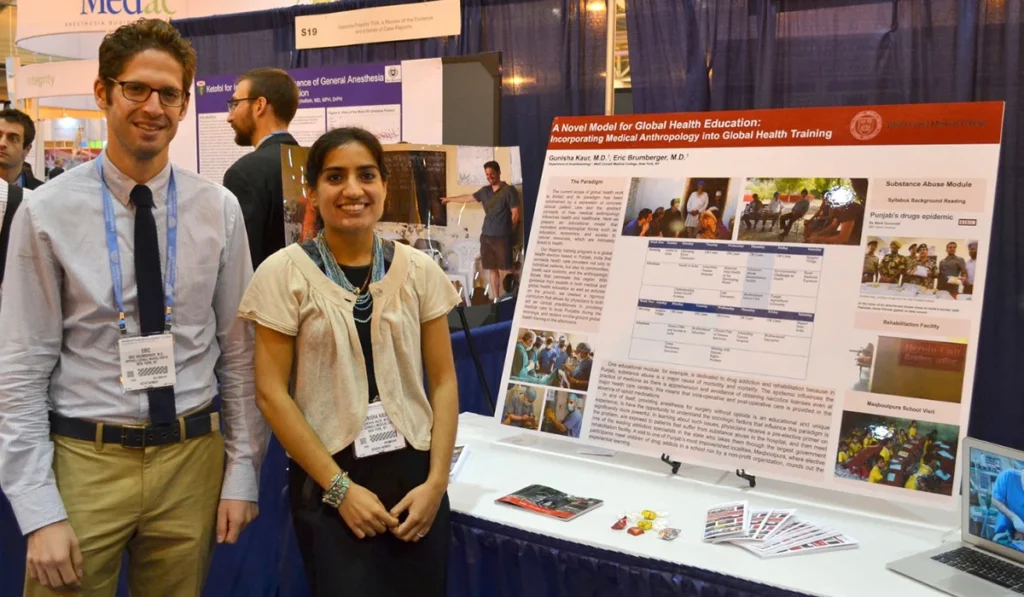
Her academic and public work has also received international recognition.
Her research has appeared in publications including The New England Journal of Medicine and The Lancet. She is connected with Council on Foreign Relations and serves as a Faculty Fellow at Cornell University’s Mario Einaudi Center for International Studies. In 2022, she was recognised by National Academy of Medicine as an “Emerging Leader in Health and Medicine.”
Dr. Kaur is also an author.
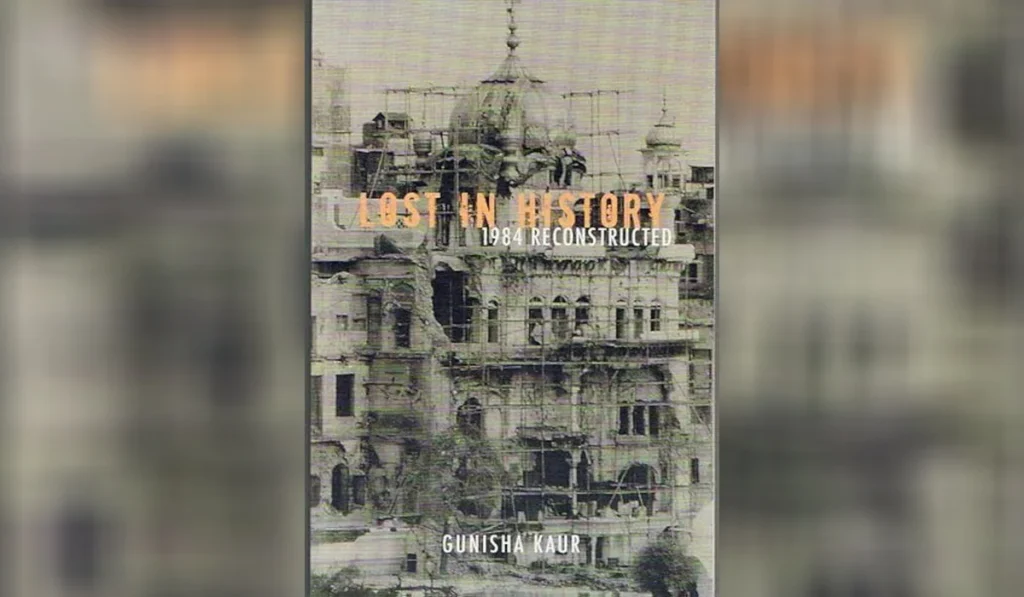
Before joining USCIRF, she wrote Lost in History: 1984 Reconstructed, examining memory, violence, and questions of human rights connected to 1984. Her work reflects an effort not only to study present-day crises but also to understand how historical trauma continues across generations.
Her work and perspectives have also appeared in major American media platforms including CNN, NBC News and HuffPost.
Sikh Coalition described the appointment as an important moment for communities working on religious freedom, dignity, and justice.
At a time when many religious minorities across the world continue to face conflict, persecution, and displacement, Dr. Gunisha Kaur’s journey stands as a reminder that some of the strongest voices for justice often come from people who have lived close to difficult histories and chosen to turn those experiences into service.


Leave a Comment