

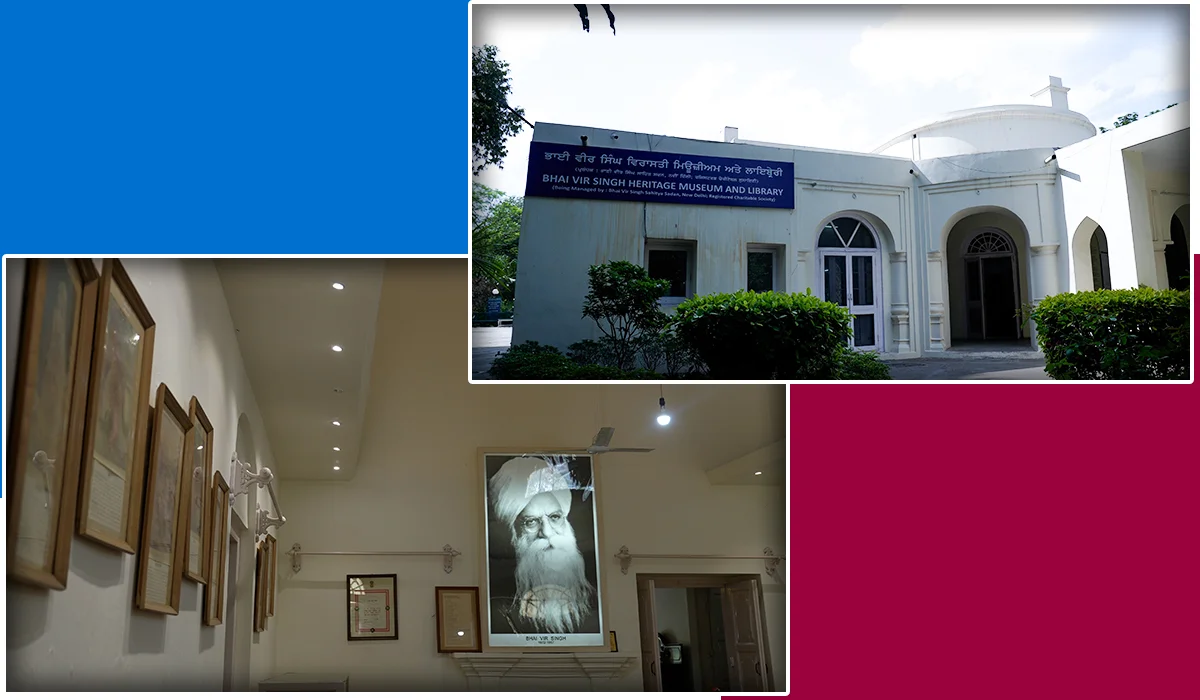

The house still stands. The desk is still there. And somewhere in the silence, a century of Punjabi literature refuses to leave.
Amritsar is not a city that invites quiet reflection. Its streets carry the weight of commerce, devotion, and noise in equal measure. Pilgrims move toward the Golden Temple. Traders call out from doorways. Rickshaws press through lanes never designed for high volume. And yet, tucked within this city’s relentless energy, there is a residence that stops time. The home of Bhai Vir Singh, now preserved as a museum and cultural centre, does not announce itself. It simply waits, as it has always waited, for those willing to step away from the noise.
This place is not a monument to a man so much as it is a record of a movement. The movement to take Punjabi seriously.
The Man Who Gave Punjabi Its Dignity
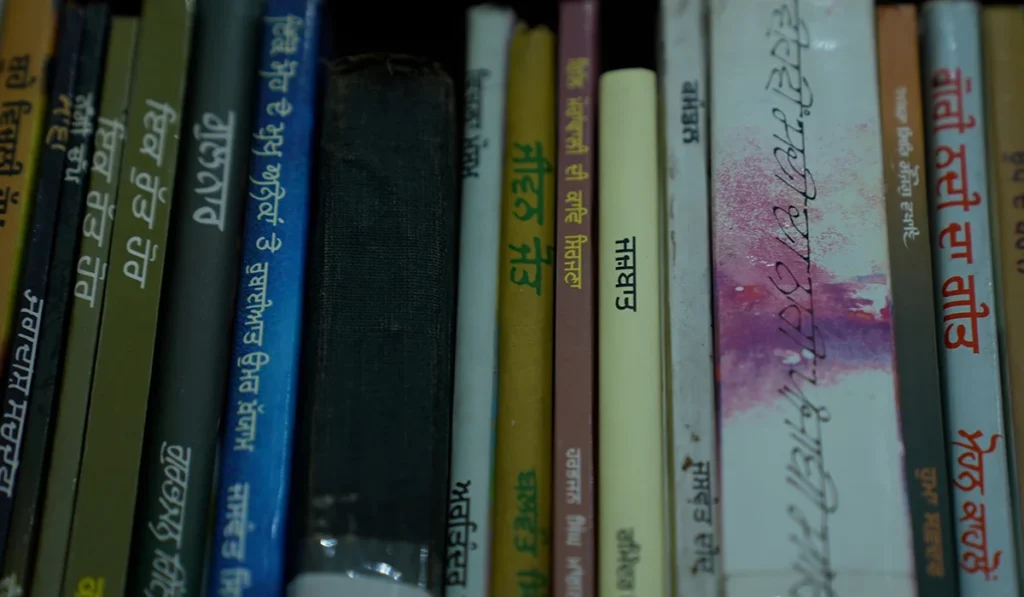
For much of the nineteenth century, Punjabi occupied an uncertain position among the languages of the subcontinent. Scholars of the period dismissed it casually as a rural tongue, unsuitable for serious literary or philosophical work. The educated classes preferred Persian, Urdu, or English. Punjabi was spoken at home, in the fields, and in the gurdwara. It was rarely written down with any ambition.
Bhai Vir Singh changed that. Born in Amritsar in 1872, he approached Punjabi not as a dialect to be tolerated but as a language capable of carrying the full weight of human thought. He wrote poetry, novels, plays, historical texts, and religious commentary, all in Punjabi, all with a seriousness of purpose that had not been applied to the language before him. He did not lobby for Punjabi’s respectability. He demonstrated it, work by work, year by year.
Today, he is widely acknowledged as the father of modern Punjabi literature. The title is not ceremonial. It reflects a genuine transformation in how a language was perceived, taught, and read.
Twenty-Five Years That Shaped a Literature
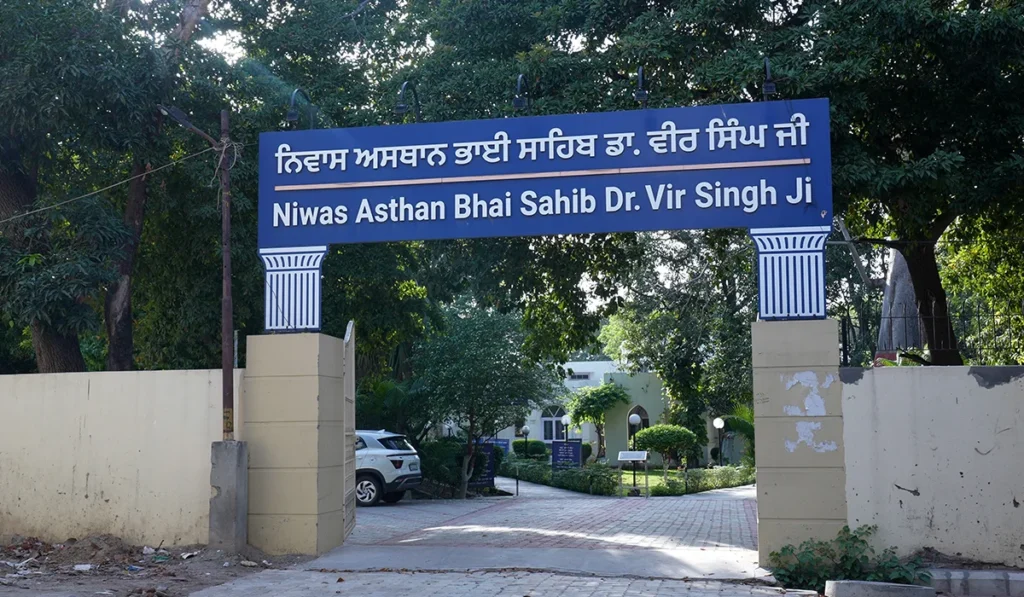
Bhai Vir Singh moved into the Amritsar residence in 1932. He remained there until he died in 1957. Those twenty-five years produced some of the most significant writing in the Punjabi canon.
The house has been preserved with considerable care. His writing desk remains in the room where he worked. An old calendar still hangs on the wall. His books are shelved as they were during his lifetime. Personal objects, the kind of things that tell you more about a person than any biography, are arranged without theatricality. The result is a space that feels occupied rather than archived.
Visitors report a particular quality to the silence here. It is not the silence of a museum after closing time. It is closer to the silence of a library where someone has just stepped out of the room.
The Letters: A Character Written by Hand
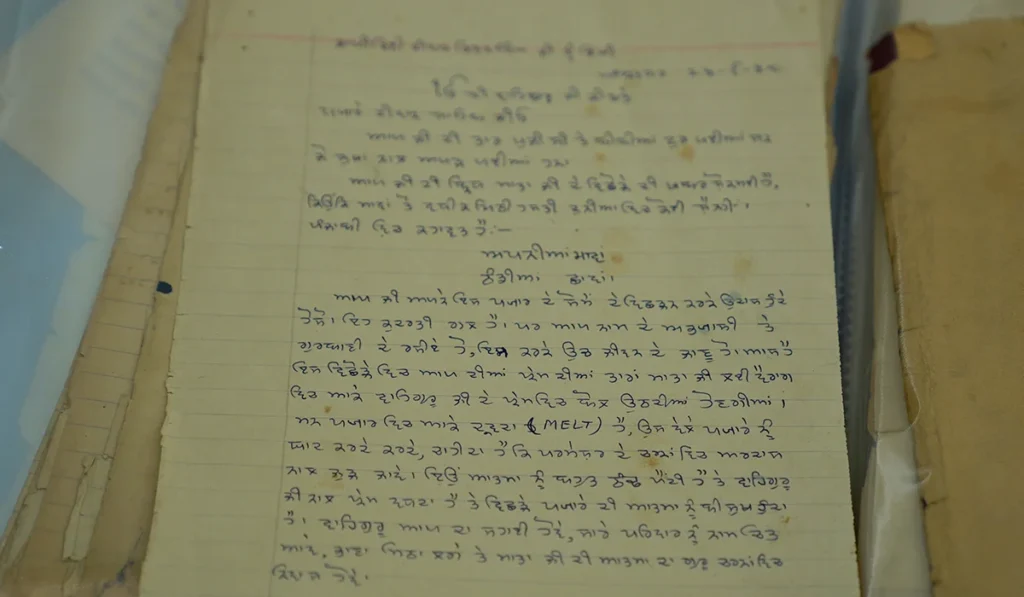
Among the most studied items in the collection are Bhai Vir Singh’s handwritten letters. The penmanship alone draws attention. But the letters hold their real interest in what they say, and more precisely, in what they never say.
Across hundreds of pages of correspondence, written to scholars, students, fellow writers, and ordinary readers, there is no record of impatience, vanity, or personal grievance. The tone throughout is measured, warm, and unguarded. He wrote to learned men with the same courtesy he extended to those with little formal education. He corrected without condescension. He encouraged without flattery.
In an era when letter-writing was a serious social art, his correspondence stands as evidence of a person who had thought carefully about how to treat other human beings. For modern readers, these letters offer something that biographical summaries cannot. They offer character.
Gurbani and the Spoken Word
Bhai Vir Singh’s relationship with Gurbani was not that of a scholar keeping a professional distance from his subject. He treated the Guru Granth Sahib as a living document, one whose meaning needed to be carried into everyday life rather than confined to ritual.
His commentaries and interpretations made complex theological ideas available to readers who had not studied scripture formally. He wrote with the assumption that ordinary people deserved to understand what they were reciting. This was, in the context of his time, a somewhat radical position. Religious knowledge had long been the property of specialists.
His Gurmukhi prose brought the script itself into wider recognition. He connected the written form of the language to the spiritual lives of those who spoke it, and in doing so gave the script an emotional authority it has never lost.
The Library
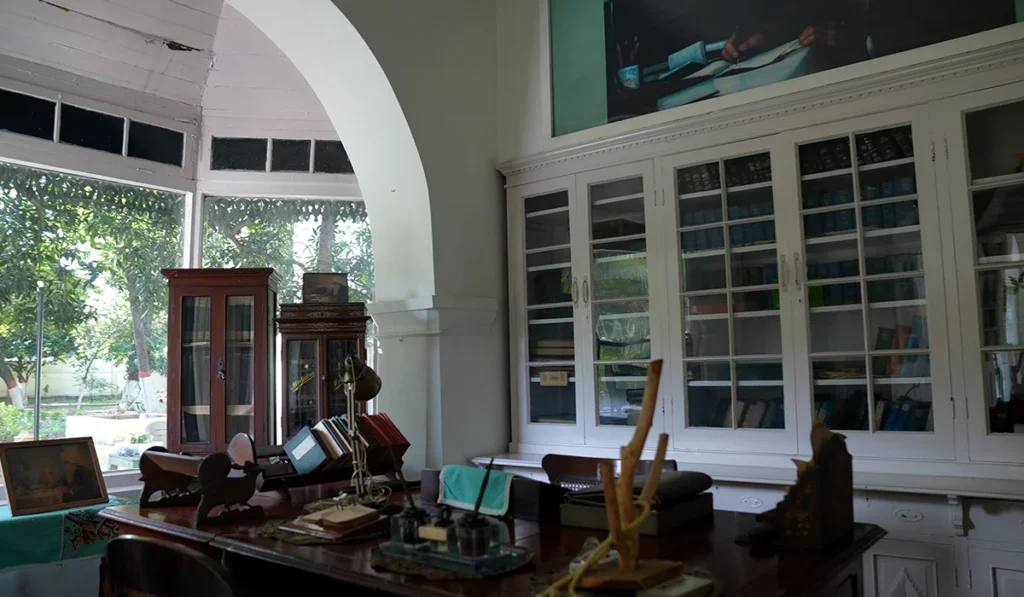
The museum houses a library of rare and antique texts that draws researchers from across the country. The collection includes manuscripts, early printed editions, and reference works that are difficult or impossible to find elsewhere. For scholars working on Punjabi literature, Sikh history, or the religious thought of the nineteenth and early twentieth centuries, this library is not a supplementary resource. It is often the primary one.
The staff who maintain it speak about the collection with a familiarity that suggests years of steady use. Researchers are welcome. Students from nearby colleges come regularly. The library does not feel dormant.
Service Without Announcement
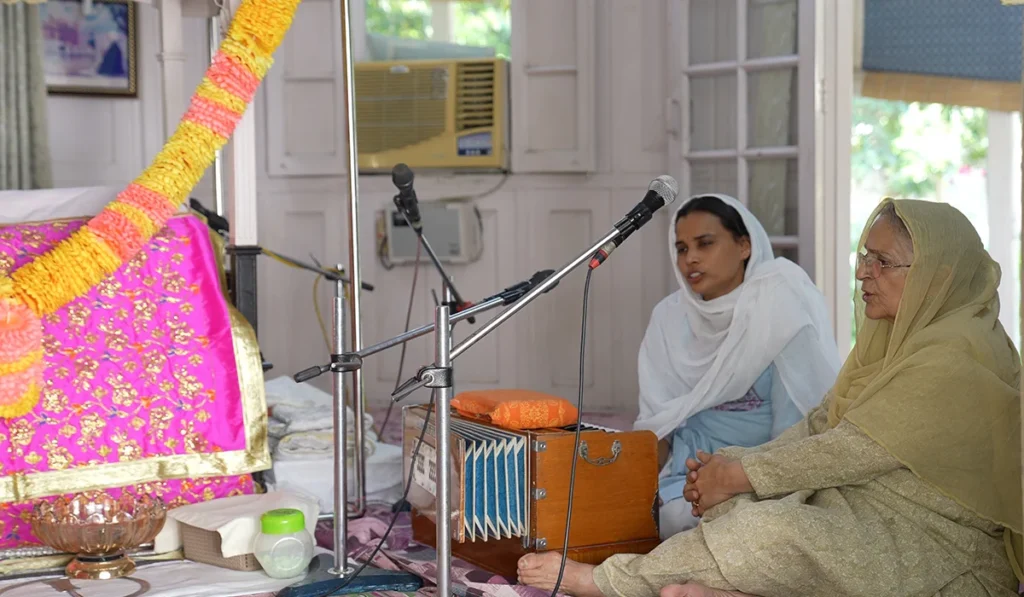
One detail about the museum that tends to stay with visitors concerns a retired music teacher who has spent years teaching children harmonium and kirtan at the residence, without payment or any formal recognition. She comes. She teaches. She leaves.
It is the kind of arrangement that Bhai Vir Singh would have understood immediately. He believed, and wrote at length on the matter, that genuine service requires no audience. The willingness of people connected to this place to quietly and consistently offer their time suggests that his influence has not remained theoretical.
The Flowers Sent Each Morning
Bhai Vir Singh maintained a garden at the residence. Each morning, flowers from that garden were gathered into bouquets and sent to the Harmandir Sahib. He did not publicly accompany the flowers. He did not speak about the gesture. He arranged for it to happen, day after day, for as long as he lived in the house.
The practice continues. Every morning, flowers are taken from this garden to the Golden Temple. The arrangement is so quiet and so regular that most visitors to Amritsar are unaware of it. As a symbol of devotion conducted without fanfare, it is difficult to improve upon.
Institutions Beyond Literature
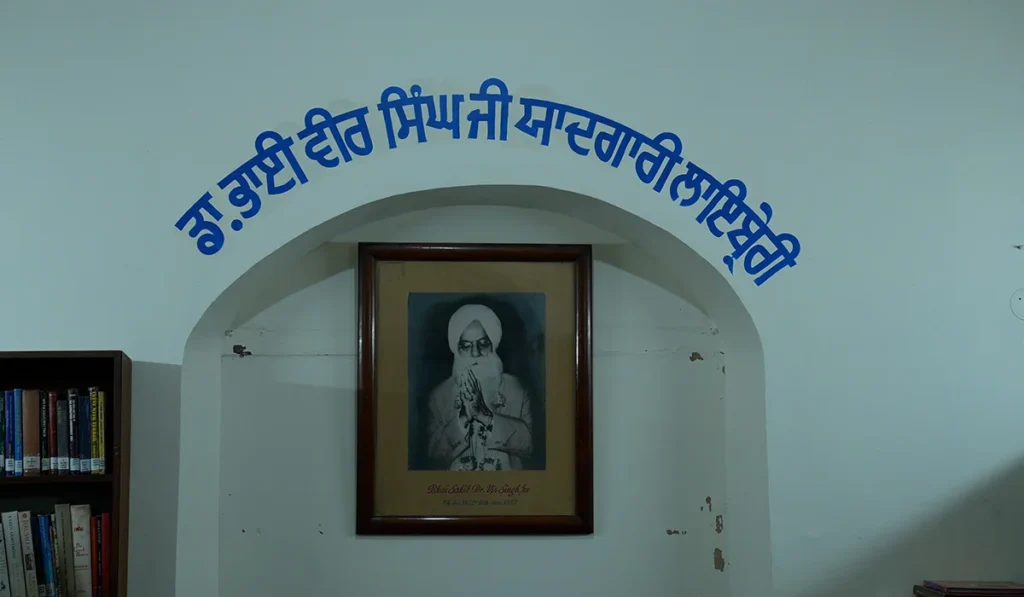
Bhai Vir Singh’s practical contributions to public life in Punjab are less widely known than his writing but equally significant. He played an active role in founding the Punjab and Sind Bank. He was closely associated with the Chief Khalsa Diwan and Khalsa College in Amritsar. These were not incidental involvements. He understood that literary culture required institutional foundations, and he worked to build them.
His major works, the Guru Nanak Chamatkaar and the Kalgidhar Chamatkaar, remain standard references in both religious and literary scholarship. They are, simultaneously, works of devotion and works of historical documentation. The combination is one that very few writers in any tradition have managed with similar grace.
What the Place Asks of Visitors
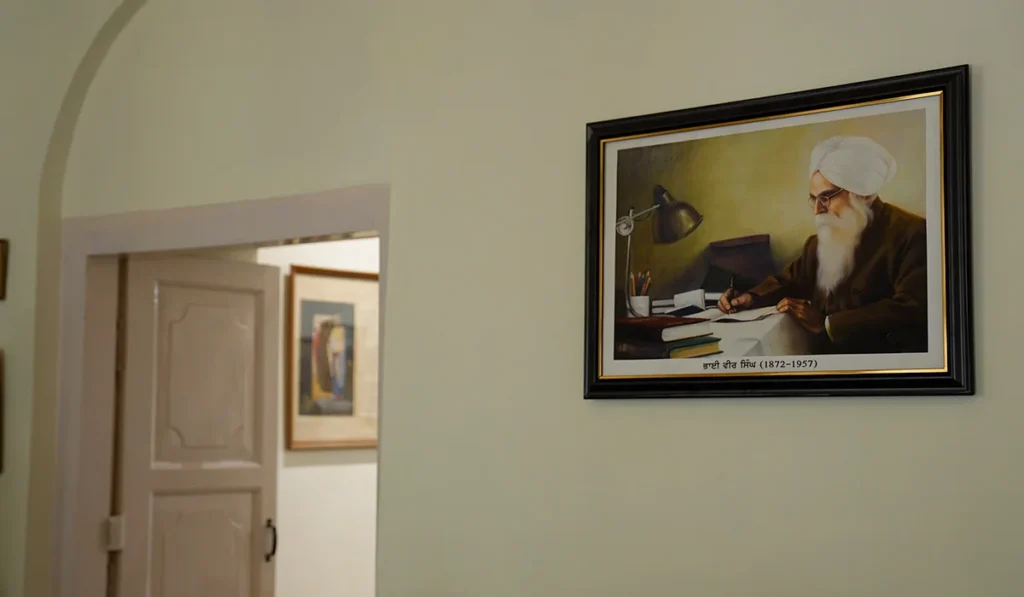
The Bhai Vir Singh residence does not overwhelm. It does not dazzle. It offers no dramatic recreations or audiovisual presentations. What it offers is access, access to the materials of a life spent thinking carefully about language, faith, and the responsibilities of a writer to his community.
At a time when younger generations across Punjab are growing up at some remove from the literary heritage their grandparents took for granted, places like this carry a burden that goes beyond preservation. They carry the task of making that heritage legible to people who did not grow up inside it.
Bhai Vir Singh wrote, in one of his letters, that a language is not merely a tool for communication. It is the record of a people’s inner life. The residence in Amritsar is, among other things, a place where that record can still be read.


Leave a Comment