


Uttarakhand is home to several unique traditions in which different religious and social streams have blended with one another over centuries to create a distinct identity for this Himalayan region. Villages such as Bijoli, Haluni, Peepli and Khuteta in the Ekeshwar area of Pauri district are the main centres of the Sikh Negi tradition. These people are followers of Guru Nanak Dev Ji, but they do not carry the outward identity associated with mainstream Punjabi Sikhs—such as uncut hair, beards or turbans. They are known as Sahajdhari Sikhs. Even though they have been fully integrated into Garhwali society for centuries, they have retained Guru Nanak’s teachings as the foundation of their faith.
To understand this tradition, it is first necessary to understand the name Negi. Negi is a respected Rajput surname in both Garhwal and Kumaon. It does not refer to a single caste, but rather has historically been an honorific title borne by various Kshatriya lineages. During the era of the hill kingdoms, “Negi” was also an important administrative designation.
Historian Dr Shiv Prasad Dabral ‘Charan’, in his book Uttarakhand ka Itihas, mentions that representatives of prominent families were given a place in royal councils and were conferred the title of Negi. The position was generally hereditary, although kings could also bestow it on deserving individuals in recognition of special services.
There are different scholarly views regarding the origin of the word Negi. Some link it to ancient Naga communities, which are believed to have held influence in this region—something still reflected in the many Naga temples found here today. Another view suggests that the term may have come from the Persian or Turkish word “Nagi,” meaning a person with special rights or privileges. During the reigns of the Kulind, Katyuri, Khas and Panwar dynasties, this title was often given to those who made distinguished contributions in administration or military service.
Among these Negis, one distinct branch came to be known as the Sikh Negis. According to local oral traditions, their ancestors arrived in Garhwal around 300–400 years ago. It is believed that during Guru Nanak Dev Ji’s Himalayan journey, considered part of his third udasi, some of his followers settled in this region. Historical references do confirm Guru Nanak’s travels to places in present-day Uttarakhand such as Almora, Bageshwar, Haridwar and Udham Singh Nagar. It is therefore possible that, amid the religious and political instability of that period, some Sikh families came to the hills in search of safe refuge.
Whatever the exact route of history may have been, these people—who embraced Guru Nanak’s teachings—gradually blended into Garhwali society with remarkable ease. They intermarry with other Garhwali Rajput families, consult local priests and Brahmins for rituals, and worship their kuldevta, kuldevi, village deities and chosen deities with the same devotion as other Garhwali households.
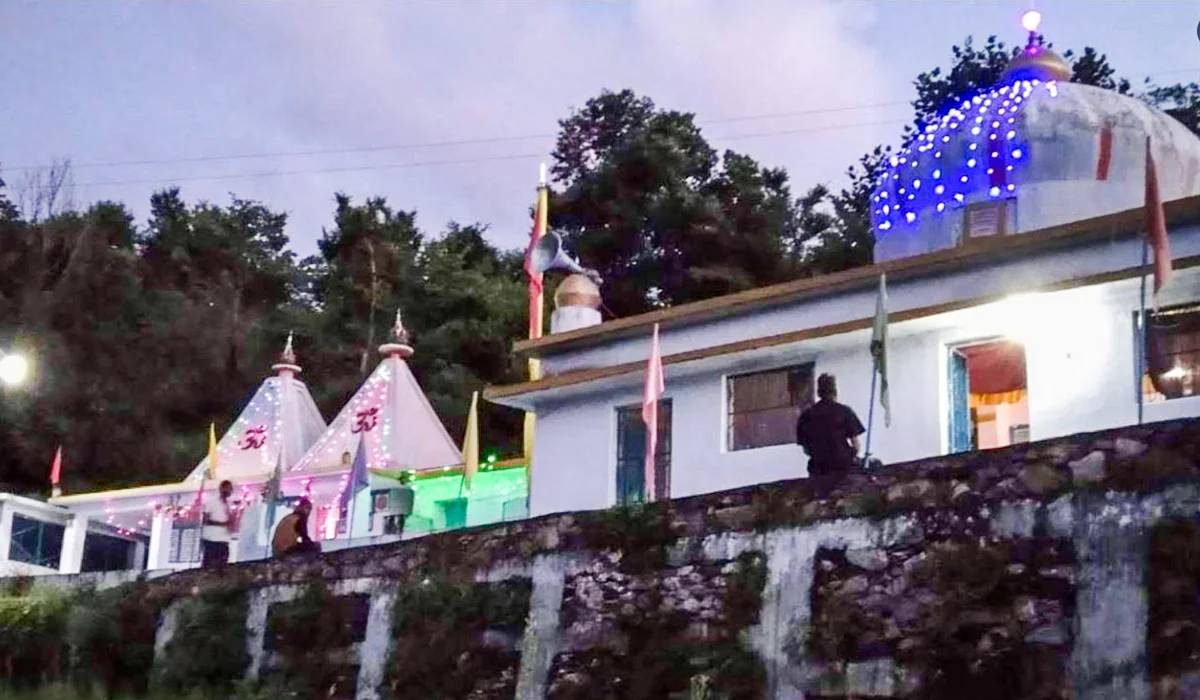
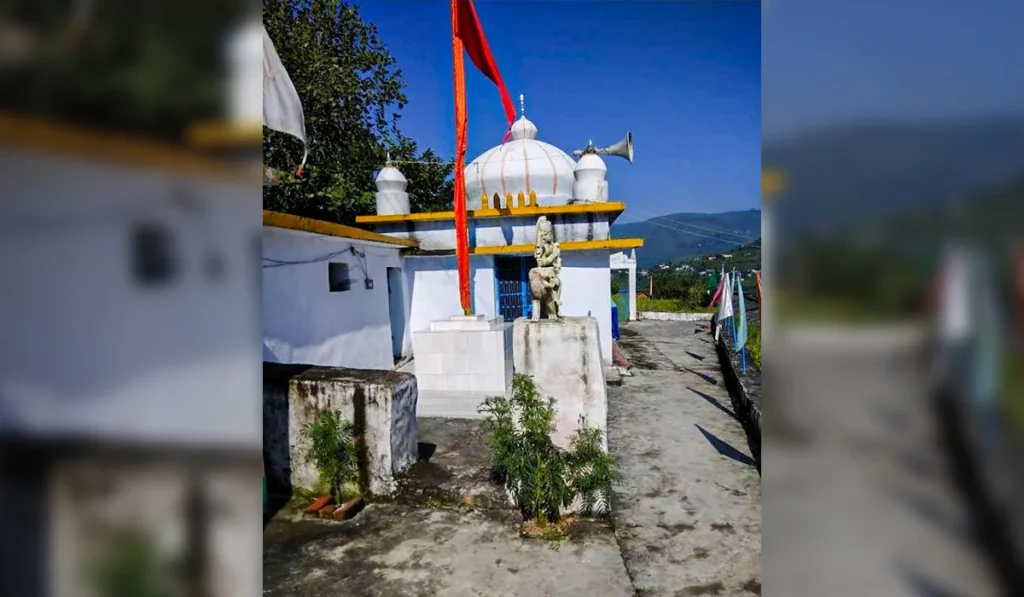
The most beautiful evidence of this cultural harmony is the co-existence of gurudwaras and temples in these villages. In Haluni, for instance, prayers are offered in the gurudwara, while right next to it, Hindu deities are worshipped in a temple. According to local tradition, a man named Dayal Singh, who had come from Punjab, played a key role around four centuries ago in blending this Sikh faith with local customs and practices. It is also believed that the villages of Bijoli and Haluni were founded by two real brothers.
Every year, a large fair is held at the gurudwara in Bijoli on the occasion of Guru Nanak Jayanti. In the early years, only the Guru’s nishan had been installed there; later, as links with Sikh communities in Punjab increased, full gurudwaras were constructed.
Peepli is considered another important village of the Sikh Negis. Local belief holds that Guru Nanak Dev Ji once rested under a peepal tree there. A gurudwara stands there as well and enjoys deep reverence among the people. In Khuteta and the surrounding areas too, the same spirit of communal harmony can be seen.
The Sikh Negi tradition reflects that shared Himalayan heritage in which identities do not remain confined within rigid boundaries. Guru Nanak Dev Ji’s teachings—of one God, equality and service—merge here with faith in local deities, local customs and the social structure of the hills. Together, they create a remarkable pluralistic tradition, one that is both spiritually rich and culturally rooted.


Leave a Comment