


Modern shopping has changed dramatically over the last two decades. Air-conditioned malls, branded stores, and online marketplaces have made buying almost everything quicker than ever before. However, there was a time when the identity of every city was closely connected with its marketplace. These old bazaars were not simply commercial centres. They were places where families built businesses across generations, where artisans perfected their skills, and where customers formed lifelong relationships with shopkeepers. Even today, many historic markets across Punjab continue to preserve this remarkable legacy. Walking through these narrow streets feels like travelling into another era where every shop has a story, and every corner reflects decades, sometimes centuries, of history.
Unlike museums that preserve history behind glass, Punjab’s traditional markets keep history alive through everyday life. Local traders still greet regular customers by name. Traditional crafts are passed from fathers to sons and daughters. Old wooden shop fronts stand beside modern signboards, creating an interesting contrast between the past and the present. These marketplaces have successfully adapted to changing consumer preferences while protecting the traditions that made them famous. Their importance goes far beyond commerce because they represent Punjab’s cultural identity, craftsmanship, entrepreneurship, and community spirit. For visitors and residents alike, spending time in these markets offers a meaningful connection to the state’s rich heritage.
Guru Bazaar, Amritsar
Located close to the sacred Golden Temple, Guru Bazaar remains one of Amritsar’s oldest and most respected commercial areas. While countless visitors arrive in the city for religious reasons, many also visit this famous market for its long-standing reputation for fine jewellery. The market has served traders and customers for generations, making it one of Punjab’s most recognised centres for gold and silver ornaments. Walking through Guru Bazaar reveals rows of jewellery stores displaying intricate bridal collections, traditional Punjabi ornaments, and handcrafted designs that continue to attract buyers from across India.
The greatest strength of Guru Bazaar lies in the trust built over several generations. Many families running jewellery businesses today are descendants of traders who established their shops decades ago. Although jewellery manufacturing has adopted modern technology, traditional craftsmanship continues to define the market’s identity. Skilled artisans still produce detailed handcrafted ornaments inspired by classic Punjabi designs. Wedding jewellery remains one of the biggest attractions, with customers often returning to the same family jeweller across multiple generations. This lasting relationship between artisans and customers has helped Guru Bazaar preserve its reputation even in an era dominated by large jewellery brands.
Adalat Bazaar, Patiala
Patiala is known across India for its royal history, grand palaces, vibrant culture, and timeless traditions. Among its oldest commercial centres, Adalat Bazaar continues to hold a special place in the city’s identity. Established during the princely era, this bustling marketplace has witnessed generations of traders, artisans, and customers who have shaped Patiala’s commercial heritage. Even today, the narrow lanes remain full of activity from morning until late evening. Unlike modern shopping complexes, where many stores often look similar, Adalat Bazaar offers a completely different experience. Every shop reflects years of family tradition, and many businesses have been passed down through three or four generations. Customers are welcomed with the warmth that has defined Punjabi hospitality for decades, making shopping here feel more personal than transactional.
The market is especially famous for traditional Patiala juttis, colourful parandas, embroidered fabrics, wedding attire, jewellery accessories, and locally crafted decorative items. Brides from different parts of Punjab still visit this market to purchase wedding essentials because many products are still handmade using techniques inherited from earlier generations. During festivals such as Diwali, Baisakhi, and the wedding season, the market becomes even more vibrant as thousands of shoppers fill its streets. Although modern retail stores have emerged across the city, Adalat Bazaar has successfully maintained its old-world charm without losing its commercial importance. The combination of history, craftsmanship, and loyal customers has helped preserve the market’s reputation as one of Punjab’s finest examples of living heritage. Every visit reminds shoppers that traditions remain valuable even in an increasingly modern world.
Chaura Bazaar, Ludhiana
Ludhiana has earned recognition as Punjab’s industrial capital, but long before modern factories transformed the city’s economy, Chaura Bazaar served as its primary commercial heart. This historic marketplace dates back to the nineteenth century and continues to attract wholesalers, retailers, and everyday shoppers from across the region. Interestingly, although the streets appear crowded and relatively narrow today, the market earned its name because these roads were considered unusually wide when they were first developed. Over time, as commercial activity and rapid urban growth increased, every available space was filled with shops, warehouses, and trading establishments, giving the market its present appearance.
Chaura Bazaar has built a strong reputation for woollen garments, hosiery products, shawls, blankets, textiles, and wholesale clothing. During the winter season, buyers from several Indian states visit Ludhiana to purchase products directly from manufacturers and wholesalers operating in this historic district. Many businesses still maintain handwritten account books alongside digital billing systems, demonstrating how old business traditions continue to coexist with modern technology. Long-standing relationships between traders remain one of the market’s greatest strengths. Several families proudly speak about customers who have been doing business with them for decades. The atmosphere reflects a remarkable balance between history and progress, where modern commerce has expanded without completely replacing traditional values. Walking through Chaura Bazaar provides a fascinating glimpse into Ludhiana’s entrepreneurial spirit and highlights how historic marketplaces continue to contribute significantly to Punjab’s economy.
Sports Market, Jalandhar
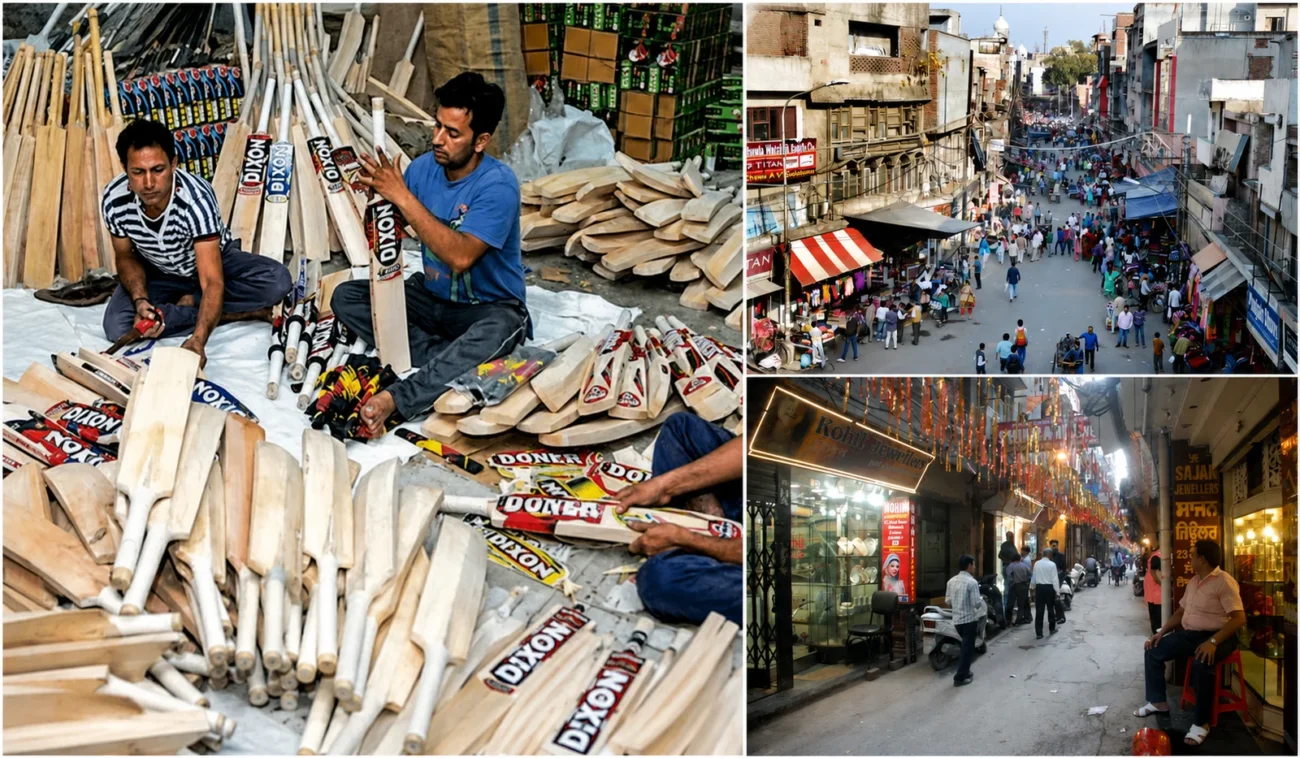
Jalandhar enjoys international recognition for manufacturing high-quality sports equipment, and its famous Sports Market represents the centre of this remarkable industry. For decades, the city has supplied footballs, cricket bats, hockey sticks, volleyballs, boxing equipment, and a wide range of other sporting goods to customers across India and overseas. The origins of this industry were surprisingly modest. Long before large manufacturing units and automated production lines became common, skilled artisans carefully stitched footballs by hand, shaped wooden bats, polished hockey sticks, and inspected every product with extraordinary attention to detail. Their dedication gradually transformed Jalandhar into one of India’s most respected centres of sports manufacturing.
Today, the Sports Market continues to blend traditional craftsmanship with advanced manufacturing techniques. Modern machinery has undoubtedly increased production capacity and improved consistency, but the knowledge and experience of skilled workers remain equally valuable. Several family-owned businesses continue to operate alongside larger exporters, maintaining techniques refined over generations. International sporting events have also contributed to the market’s reputation, as equipment manufactured in Jalandhar has been used by athletes competing worldwide. For visitors, the market offers more than shopping opportunities. It showcases Punjab’s contribution to global sports through innovation, craftsmanship, and entrepreneurship. The success of this marketplace demonstrates how traditional skills can continue to thrive while adapting to changing technologies and international quality standards.
Leave a Comment