
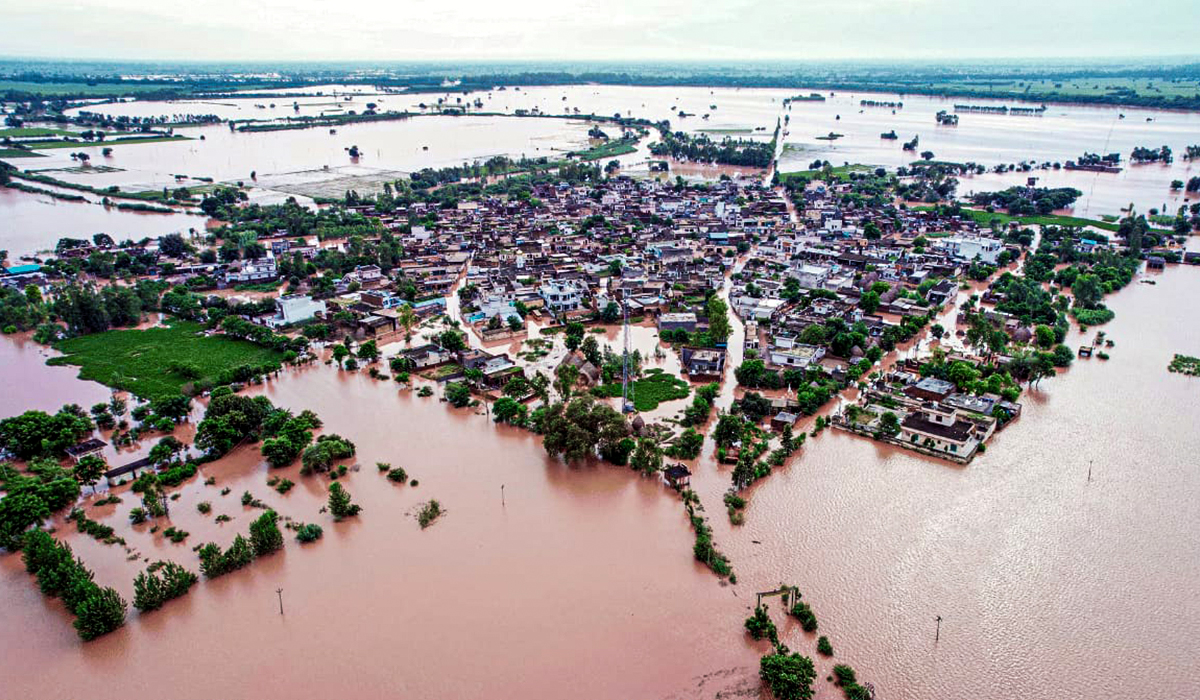

Punjab, known as the land of five rivers, today stands on the brink of a natural disaster that could cause massive destruction in the coming months. The floods witnessed in recent years, particularly between 2023 and 2025, have deeply damaged the state’s social and economic structure. The issue raised during Zero Hour in Parliament is not merely a warning, but a call to protect Punjab’s very existence. If water-management systems are not improved in time, this “predictive disaster”—a catastrophe that can already be anticipated—could cause irreversible damage to Punjab.
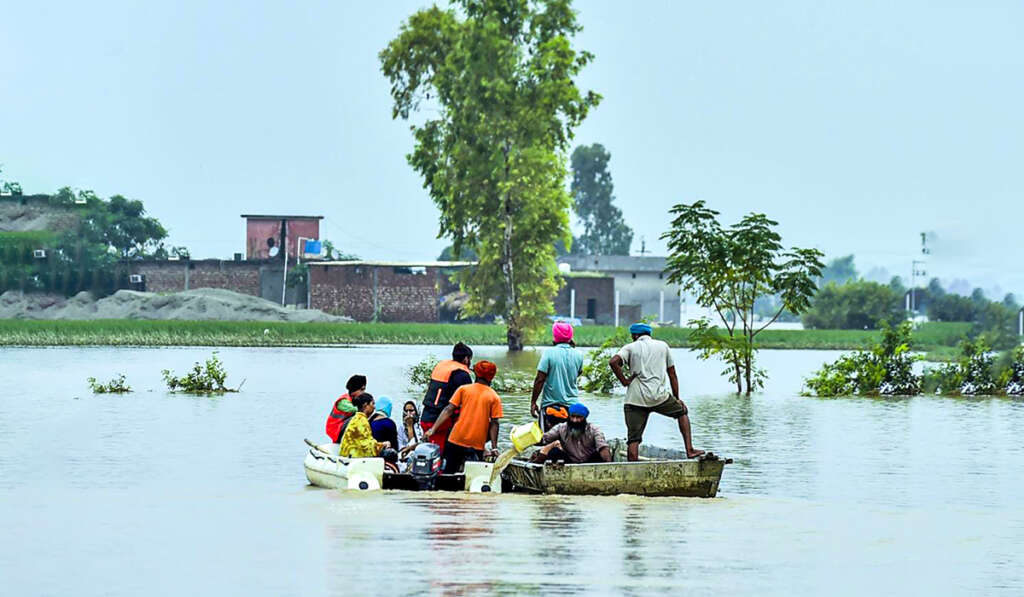
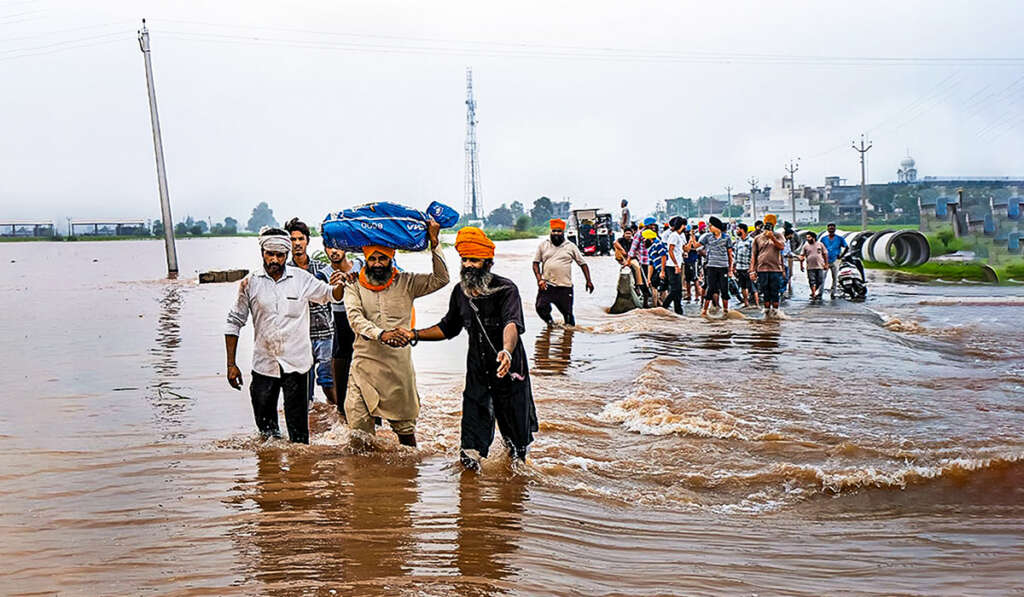
The year 2025 brought one of the worst disasters Punjab had witnessed in decades. According to available figures, more than 80 people lost their lives during the floods between 2023 and 2025, while over 3 lakh livestock animals were killed. Agriculture suffered the greatest damage, with lakhs of acres of fertile land destroyed by floodwater and layers of sand.
What is surprising is that despite such widespread devastation, no concrete lessons appear to have been learnt at the administrative level. Only around four months remain before the next major flood season, but preparations still appear to exist largely on paper.
Declining Storage Capacity of Dams Poses a Major Threat
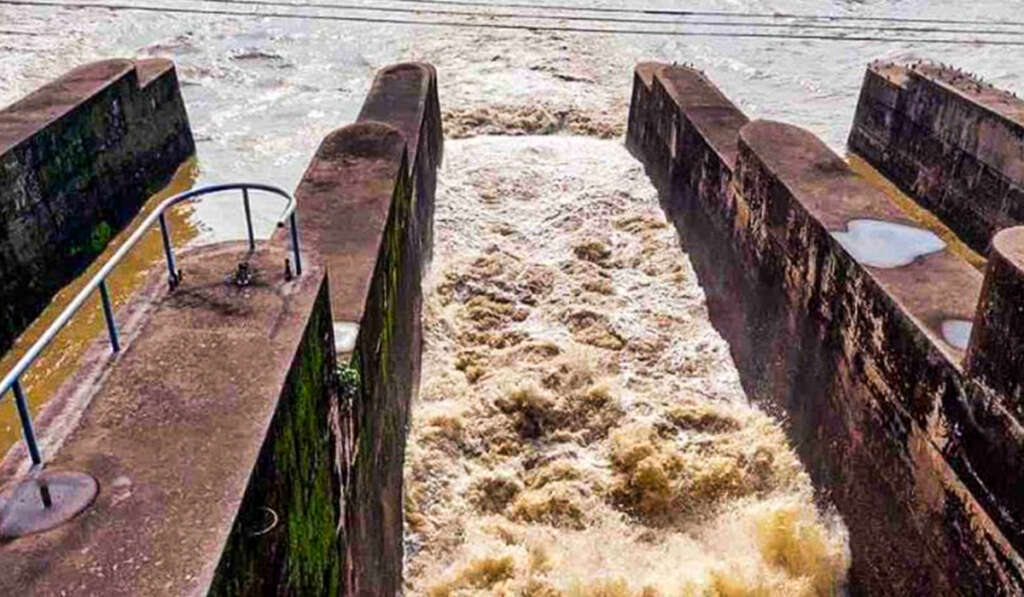
One of the weakest points in Punjab’s water-management system is the heavy accumulation of silt in its dams. The present condition of the Bhakra Dam and Gobind Sagar Lake is deeply concerning.
According to a report, nearly 2 billion cubic metres of Bhakra Dam’s total storage capacity of 9 billion cubic metres has already been occupied by silt. Between 100 and 200 feet of silt is believed to have accumulated in the reservoir, continuously reducing the space available for storing water.
If immediate desilting is not undertaken, even moderate rainfall could force authorities to open the floodgates, directly increasing the risk of flooding in downstream areas.
At the same time, human interference with the natural courses of rivers and major streams is making the situation more dangerous. Illegal encroachments along riverbanks and unlawful mining have altered the natural structure of rivers.
When water does not find its natural path, it breaches embankments and enters villages and agricultural fields. Strengthening riverbanks through RCC lining or heavy protective sheets has now become an urgent necessity.
How Can the Problem Be Addressed? Demand for a Comprehensive Central Plan
In the modern era, strengthening embankments alone is not enough to prevent floods. Advanced technology must also be used.
Artificial intelligence and satellite data should be employed to forecast rainfall and water flow in advance. A strong digital warning system should be created so that flood-related information reaches every citizen in time.
Along with monitoring the dimensions and flow of rivers, there should be a transparent index to assess river conditions and water quality. Its findings should be made public every three months.
The Central Government has been urged to implement a Comprehensive Punjab Flood Resilience and Water Security Plan to protect Punjab from this crisis.
Under this plan, flood-control dams and smaller retention reservoirs should be constructed. Wetlands should be revived as natural buffers so that they can absorb excess water.
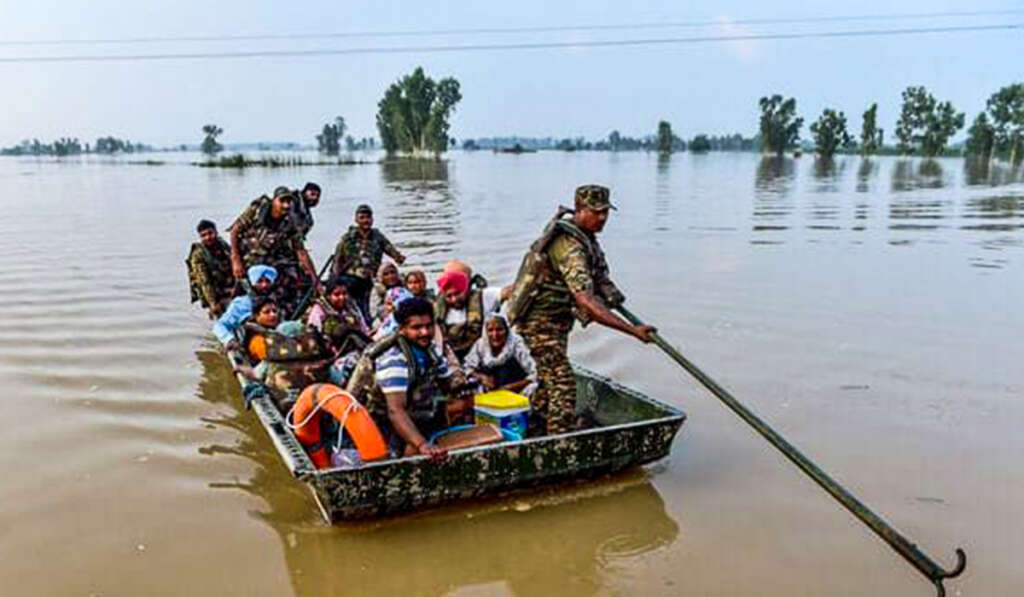
Flooding in Punjab is no longer merely a subject of political debate. It has become a question of life and death for lakhs of people.
If water management is not improved in time, this natural hazard could turn into a devastating crisis in the coming years—one that may become extremely difficult to control.
If the government fails to focus on dam desilting and strengthening embankments within the next three to four months, Punjab could move towards a disaster whose cost will be paid by future generations.
The Central and state governments must work together on a war footing to prevent this predictable disaster.
Bhakra Dam’s Water Level Becomes a Matter of Concern
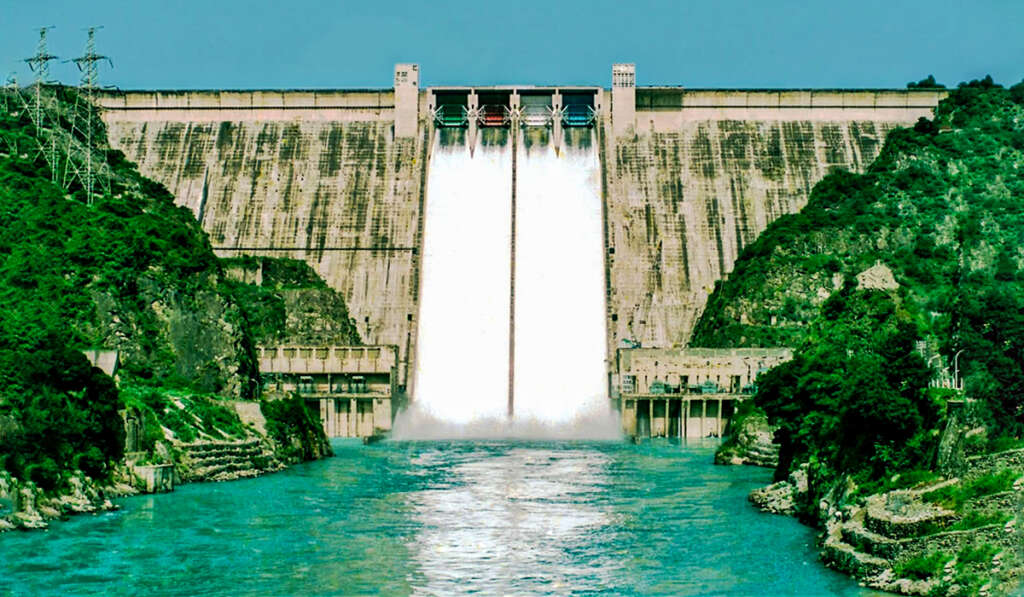
At present, water levels in the dams have once again started rising. However, the silence of the governments has raised concerns that Punjab may once again be left vulnerable to flooding this year.
According to media reports, the water level at Bhakra Dam—considered a lifeline for Punjab and neighbouring states—has remained a subject of continuous discussion.
Despite the increase in water levels, there is currently no reason to panic. However, with the monsoon approaching, the administration has gone on full alert.
According to officials, the current situation is part of normal water-management operations aimed at maintaining sufficient storage capacity in the reservoir to accommodate additional water flowing down from the mountains during the monsoon.
The reassuring factor is that Bhakra Dam has not created any immediate flood-like situation so far. However, if monsoon rainfall intensifies in the hill regions of Himachal Pradesh, the water level could rise rapidly.
The Bhakra Beas Management Board has also recently advised Punjab, Haryana and Rajasthan to draw more water before the monsoon.
The BBMB has acknowledged that water levels in both major dams are higher than normal and could rise further due to monsoon rainfall and the melting of Himalayan snow.
Punjab suffered the devastating impact of floods in 2023 and 2025, but the government appears to have learnt little from those disasters.



Leave a Comment