

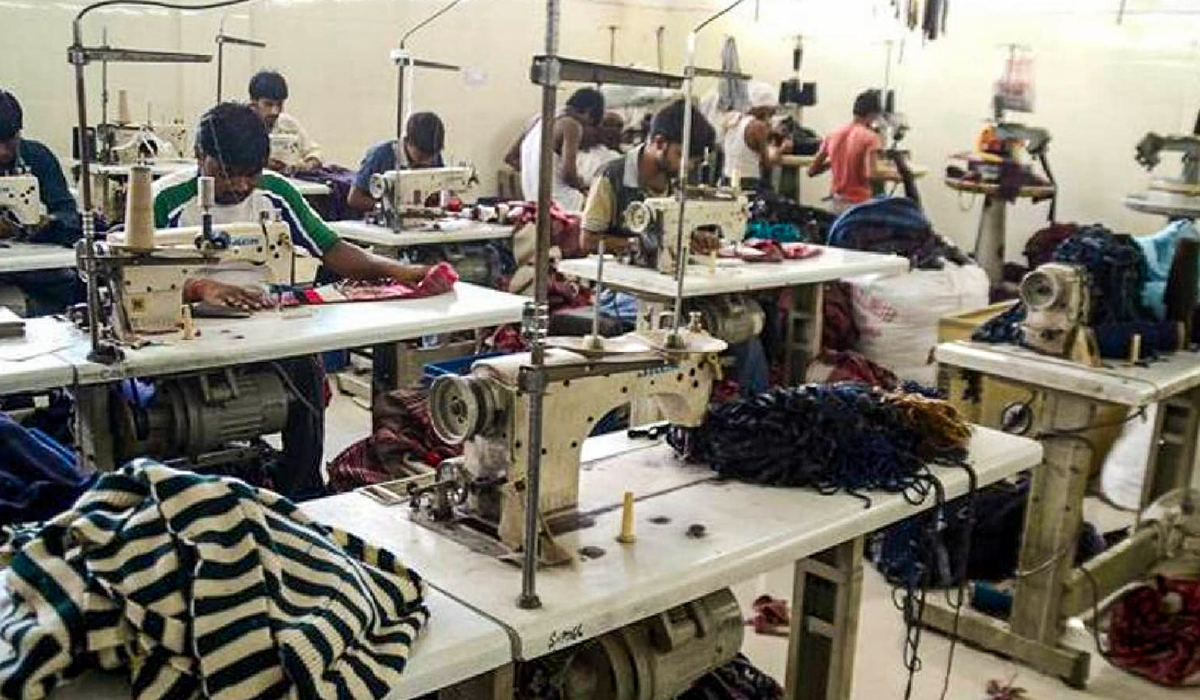

Known as the economic backbone of Punjab, Ludhiana has a distinct identity across India for its world-class hosiery and woollen garment industry. Popularly called the “Manchester of India”, this sector not only supplies winter clothing to millions of people across the country but also provides employment opportunities to lakhs of workers.
Ludhiana’s hosiery industry records an annual turnover of around ₹20,000 crore to ₹25,000 crore. During the winter season, its products are in high demand across India and overseas. However, despite its strong presence, the sector is today struggling with several serious economic challenges and business hurdles. A sharp rise in raw material prices, increasing insurance costs, and higher sea freight charges have raised major concerns over the industry’s profitability and survival.
Economic Burden on the Industry
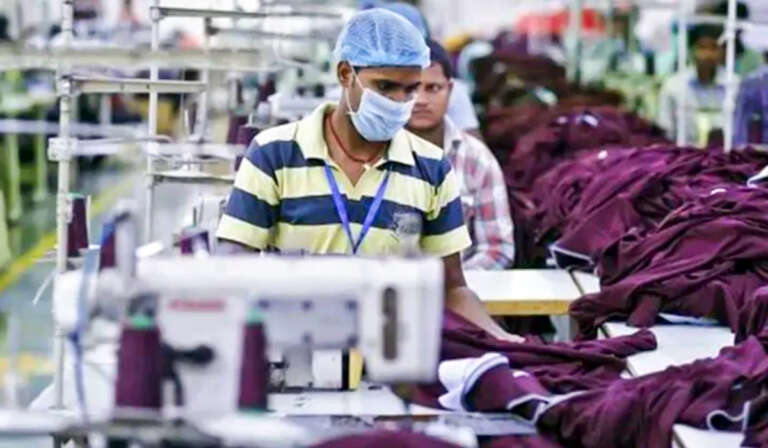
The biggest crisis faced by the hosiery and small-scale industries in recent times has been the excessive rise in production costs. According to estimates by analysts and industry experts, increases in the prices of raw materials, insurance, and sea freight are expected to impose an additional cost of between ₹600 crore and ₹1,750 crore on the sector.
This additional burden is breaking the back of industrial units because, although manufacturing costs have increased, consumers’ purchasing power has not risen in the same proportion. As a result, manufacturers are either forced to absorb the losses themselves or increase product prices.
Cotton yarn, wool, synthetic fibre, dyes, and chemicals are the main raw materials used by the hosiery industry. Their prices have risen sharply because of disruptions in domestic and international supply chains. Small industrial units do not have the financial capacity to purchase and store raw materials in bulk in advance. Therefore, they are forced to buy them at higher prices.
Rising International Sea Freight Makes Exports Costlier
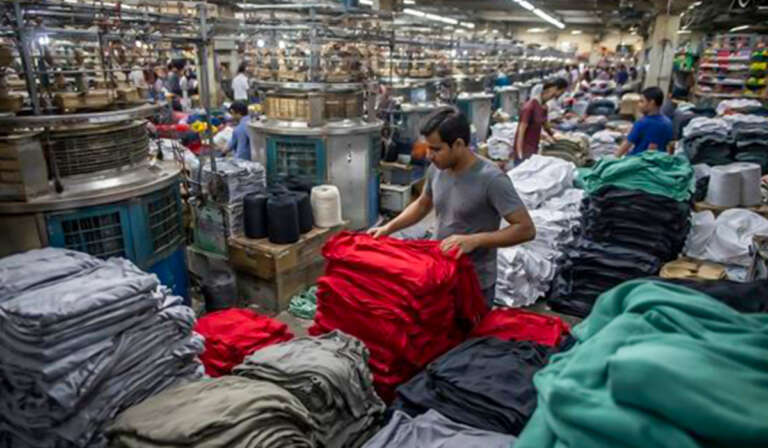
Ludhiana’s hosiery industry is not limited to the domestic market. A large quantity of its finished products is also exported to foreign countries. Rising freight rates on international sea routes have made overseas shipments considerably more expensive. This has made it even more difficult for Ludhiana’s products to remain competitive in global markets.
Insurance premiums for industrial units, machinery, and finished products have also increased. In addition, electricity tariffs, labour wages, and other administrative expenses continue to rise, completely disrupting the financial planning and budgets of industrial units.
Growing Challenges for Punjab’s MSME Units
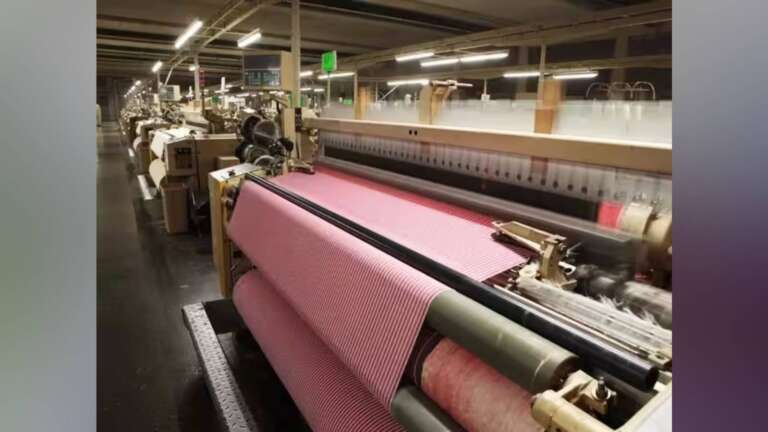
Conditions have become even more challenging for the lakhs of MSME units, or micro, small and medium enterprises, operating in Punjab. The MSME sector is the main pillar of any state’s economy because it generates the highest level of employment. However, in the current economic environment, small units are facing difficulties such as cash shortages, declining profits, the compulsion to increase product prices, and foreign competition.
According to experts, rising production costs have created a severe shortage of working capital for small industries. Obtaining loans from banks and paying interest on them is becoming increasingly difficult for these units. Rising costs have sharply reduced the profits of small businesses. For many small factory owners, even recovering their basic production costs has become difficult. To protect their survival, several units are being forced to increase the prices of their products.
When prices rise, the impact falls directly on ordinary consumers, while demand in the market also declines. Because of higher local production costs, Ludhiana’s products face tough competition in the global market from countries such as China and Bangladesh.
Government Support and Policy Intervention Needed to Pull the Industry Out of Crisis
There is an urgent need for the government and the departments concerned to take concrete steps to help the industry emerge from this serious crisis. Industrial associations have repeatedly demanded subsidised loans and special financial relief packages to bring the MSME sector back on track. Policy measures should be introduced to control rising raw material prices so that small industries can obtain materials at affordable rates. Some relief or subsidy should also be provided on sea freight and insurance premiums to encourage exports.
Ludhiana’s hosiery industry and Punjab’s MSME units are currently passing through one of the most critical periods in their history. This business, worth ₹20,000 crore to ₹25,000 crore, is the lifeline of Punjab’s economy. If appropriate steps are not taken in time and rising costs are not brought under control, industries may reach the verge of closure and the livelihoods of lakhs of people could be put at risk. Therefore, the government, administration, and industrialists must work together to prepare a common strategy so that Punjab’s industrial heritage can be protected.



Leave a Comment