

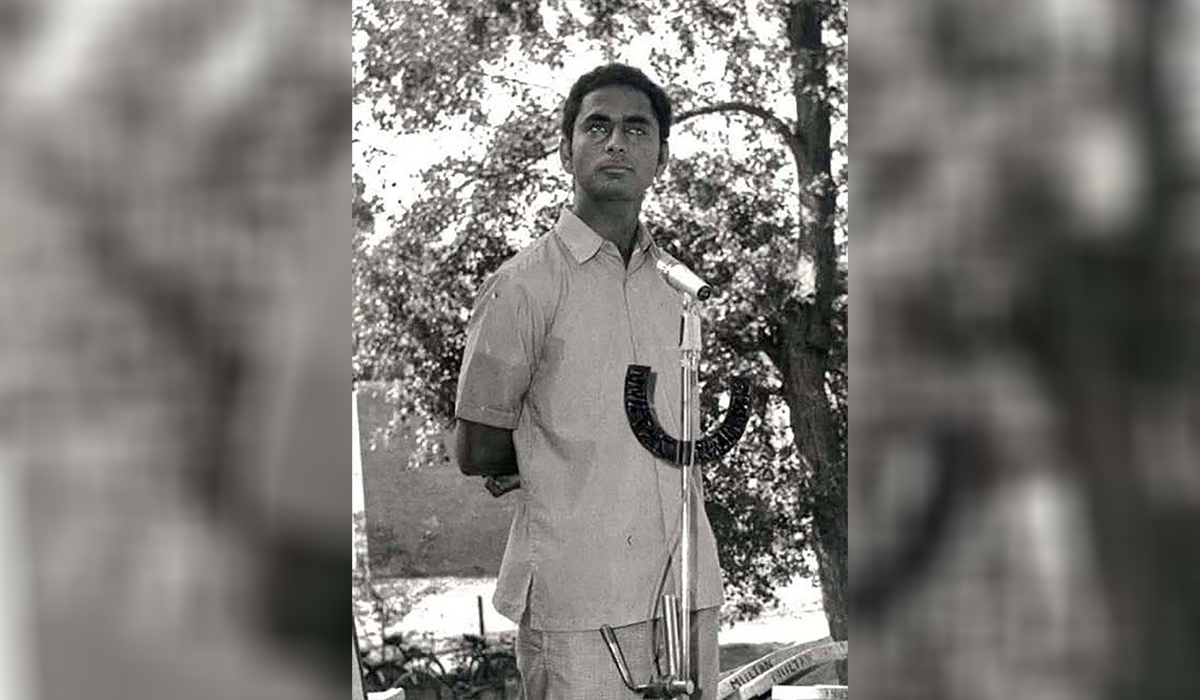

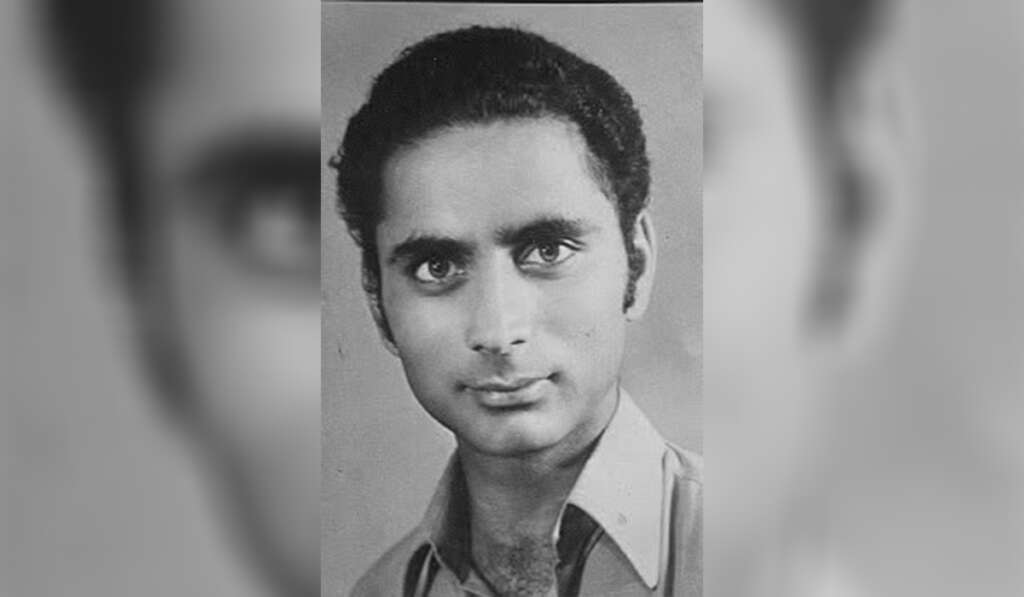
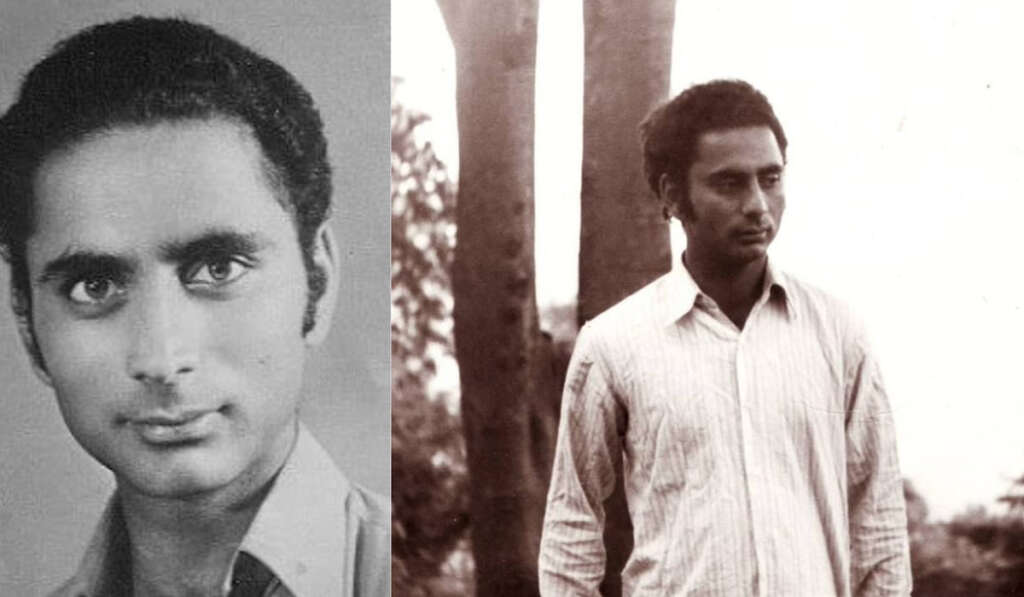
In the history of Punjabi literature, the name of Avtar ‘Pash’ is recorded as a poet who did not let poetry remain merely an expression of beautiful emotions, but rather made it the voice of the truth, struggle, and human freedom of his times. Pash was not just a poet; he was a symbol of rebellious consciousness, rational thinking, and the call for social change. His pen fearlessly raised its voice against exploitation, injustice, political oppression, religious bigotry, and social apathy.
Pash’s creative world was a product of the era when Punjab was going through social, economic, and political turmoil. Instead of turning away from the challenges of his time, he made them the center of his poetry. In his poetry, the soil of the fields, the pain of the hardworking people, the dreams of the youth, the warmth of human relationships, and the rebellion against oppression, all appear together.
Avtar ‘Pash’ was born on September 9, 1950, in village Talwandi Salem in Jalandhar district. His father, Sohan Singh Sandhu, served in the Indian Army. Raised in the simple environment of rural Punjab, Pash saw the life of the working-class people closely from childhood. His closeness to the fields, villages, and common people later provided a deep grassroots foundation to his poetry.
Pash experimented with various things in his life. He also served in the Border Security Force (BSF) for some time, but his free-thinking and rebellious nature did not let him stay long within the confines of a traditional job. His true destination was connected to literature and social concerns. Pash was married to Rajwinder Kaur. Despite the responsibilities of family life, his pen always remained connected to the larger questions of society and human life.
The Naxalbari Movement and Ideological Development
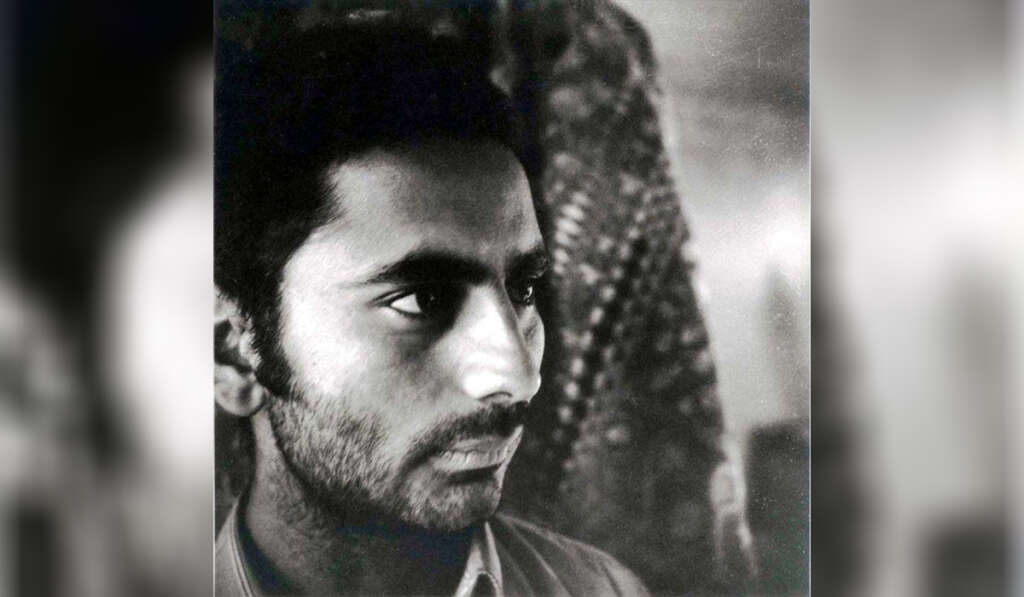
In the late 1960s and 1970s, the Naxalbari movement in Punjab and the associated militant literary consciousness influenced a large section of the youth. Pash was also deeply influenced by the ideological upheaval of this era. He did not view the existing economic inequality, class exploitation, and political oppression in society merely as a spectator, but rather raised his voice against it.
The center of his ideology was the human being, the human who creates society with his hard work, but himself often falls victim to poverty, injustice, and exploitation. For Pash, revolution was not just the name for a change of power; it was a dream to change human thought, consciousness, and the conditions of life.
Due to his thoughts, he also had to face government pressure and court cases. The experience of prison left a deep impact on both his life and his writings. But imprisonment did not silence his voice. On the contrary, the experiences of jail and oppression made his poetry sharper and more fearless.
Pash’s Poetic Language; Direct, Sharp, and Close to the People
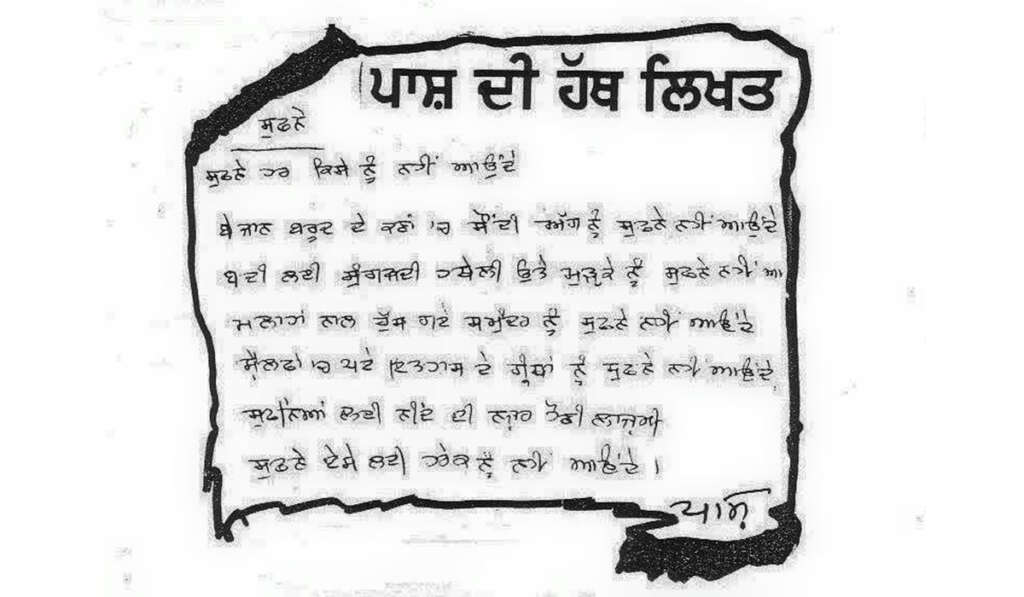
The greatest feature of Pash’s poetry is his language. He expressed poetry in words that came from the everyday life of the common man. Instead of artificial vocabulary, his poetry contains images rooted in the soil, sharp questions, and the realities of life. There is anger in his poetry, but this anger is not blind. There is a thought behind it. His rebellion is not just rebellion for the sake of opposing, but a struggle for the creation of a better human society. That is why Pash’s poetry is simultaneously political, social, humanistic, and highly sensitive.
The roots of Pash’s poetry are deeply embedded in the soil of Punjab. He did not look at the life of the farmer and the laborer merely from a romantic perspective. For him, the fields were not just a scene of greenery; the fields were also a story of hard work, sweat, debt, exploitation, and struggle. The real picture of Punjabi society emerges in his works through the imagery of rural life. The hard work of the farmer, the plight of the laborer, and the hopes and aspirations of the common people are an important part of his poetry. Through works like ‘Lohkatha’ (Iron Tale), ‘Udd’de Bazan Magar’ (Following the Flying Hawks), and ‘Sade Sameyan Vich’ (In Our Times), Pash gave a poetic form to the social and political reality of his times.
To view Pash merely as a rebellious poet is to incompletely understand his creative personality. His poetry also contains the tender emotions of love, friendship, family, and human relationships. For him, love was not an imagination separate from life. He viewed love by connecting it with human freedom, companionship, and life. That is why, alongside harsh political realities, the heartbeat of the human heart can also be heard in his poetry. This very characteristic saves Pash from becoming just a political poet and establishes him as a great humanistic poet.
The Most Dangerous Thing is the Death of Our Dreams
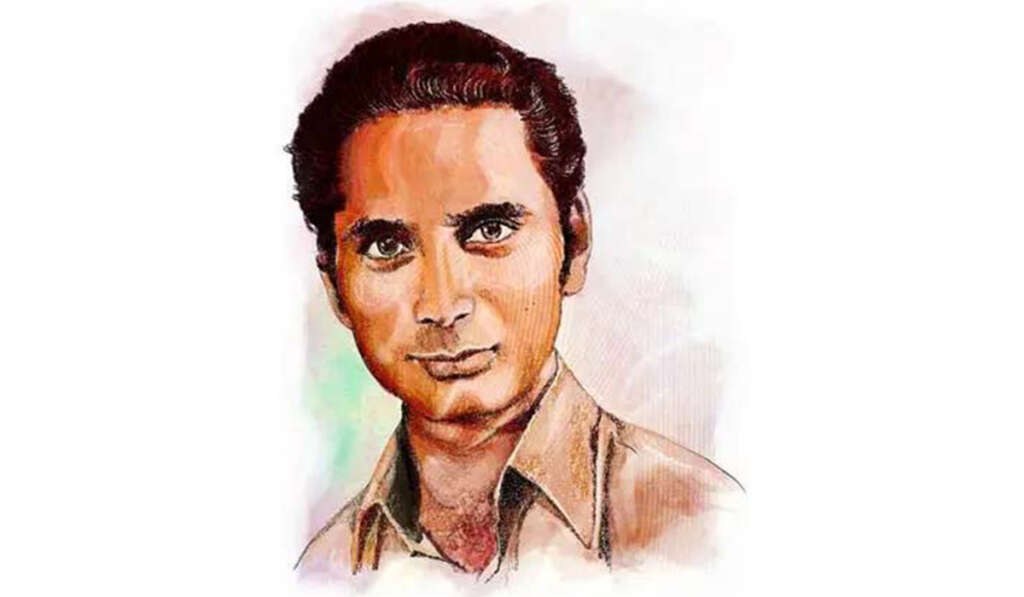
Among Pash’s most famous works, ‘Sab Ton Khatarnak’ (The Most Dangerous) holds a special place. This poem expressed Pash’s ideological consciousness in a very impactful manner. The central idea of the poem is that the biggest threat to a human being is not just external oppression, but the death of his internal sensitivity. When a person starts remaining silent even after witnessing oppression, when the yearning for change dies within him, and when he loses his very dreams, then this situation becomes the most dangerous. The final lines of the poem—”Sab ton khatarnak hunda hai / Sade supneyan da mar jana” (The most dangerous thing is / the death of our dreams) can be considered the essence of Pash’s entire poetic consciousness.
Sab ton khatarnak hunda hai –
Kirat di lutt, sab ton khatarnak nahi hundi
Police di kutt, sab ton khatarnak nahi hundi
Gaddari lobh di mutth, sab ton khatarnak nahi hundi
Baithe sutteyan phadhe jana – bura taan hai
Daroo jihi chupp vich madhe jana – bura taan hai
Sab ton khatarnak nahi hunda
Kapat de shor vich
Sahi hundeyan vi dabb jana, bura taan hai
Kise jugnu di lo khatir padhan lagg jana – bura taan hai
Sab ton khatarnak nahi hunda
Sab ton khatarnak hunda hai
Murda shanti naal bhar jana
Na hona tadap da
Sab kujh sehan kar jana
Gharan ton nikalna kamm te
Te kamm ton ghar auna
Sab ton khatarnak hunda hai
Sade supneyan da mar jana
Sab ton khatarnak oh ghadi hundi hai
Tuhade gutt ‘te chaldi hoi vi jo
Tuhadi nazar layi khadi hundi hai.
Sab ton khatarnak oh akh hundi hai
Jo sab kujh dekhdi hoi vi thandi yakh hundi hai
Jis di nazar duniya nu mohabbat naal chummna bhull jandi hai.
Here, ‘dream’ is not just a personal desire, but the imagination of a better, just, and humane society. That is why this poem transcends the boundaries of time and shakes the readers even today.
Pash’s Voice in the Dark Era of Punjab
In the 1980s, Punjab was going through a period of violence, fear, and political-social upheaval. On one hand, there were incidents of political oppression, and on the other, the growing influence of armed extremist violence. Common people were living in an atmosphere of fear and insecurity. In this era, instead of justifying any kind of violence or oppression, Pash raised his voice in favor of human freedom and rationality. He was also against religious bigotry and the violence of thoughts. For Pash, human life and freedom of thought were the most important. That is why his poetry remained a fearless voice even in the atmosphere of fear of that era.
Pash Drank the Cup of Martyrdom on the Martyrdom Day of Shaheed-e-Azam Bhagat Singh, Rajguru, and Sukhdev
The day of March 23, 1988, which falls on the very martyrdom day (March 23) of Shaheed-e-Azam Bhagat Singh, Rajguru, and Sukhdev, is recorded as a very tragic day in the history of Punjabi literature. On this day, Pash and his friend Hans Raj were assassinated. The assassination of Pash was an attempt to silence his ideological and literary activism, but his ideas could not be eliminated.
This historical coincidence is also highly meaningful that on March 23, 1931, Shaheed Bhagat Singh, Rajguru, and Sukhdev were hanged. Pash was influenced by the ideas of Bhagat Singh, and the deep impact of revolutionary consciousness is visible in his poetry as well. Thus, March 23 also became associated with Pash’s martyrdom. His physical body was destroyed, but his poetry and ideas became even more widespread with time.
Pash’s Literary Contribution and the Relevance of “Pash” in Today’s Times
Pash’s literary contribution can be understood from many aspects. First of all, he gave a new militant language to Punjabi poetry. Second, he brought the pain and suffering of the common people to the center of poetry. Third, he gave a new definition to the social responsibility of a poet. His poetry does not ask us merely to express sorrow, but rather inspires us to understand the causes of sorrow and stand against them. In his writings, logic, questions, resistance, and the dream of a better future walk side by side.
His works were translated into other Indian languages, and with this, Pash’s poetic consciousness reached beyond the borders of Punjab. Even today, his poetry is read at literary events, universities, public platforms, and in people’s movements. Decades have passed since Pash’s death, but his poetry still does not feel outdated. The reason for this is that he moved beyond the events of his time and made the permanent questions of human society a part of his work.
Even today, questions related to economic inequality, unemployment, exploitation, religious bigotry, social division, and freedom of thought exist in society. In such times, Pash’s poetry gives us the inspiration to look at the truth around us and to question it. Especially for the younger generation, Pash’s message is that life should not be limited merely to everyday needs. Dreams, questions, and the yearning for a better future must remain alive inside a human being.



Leave a Comment