

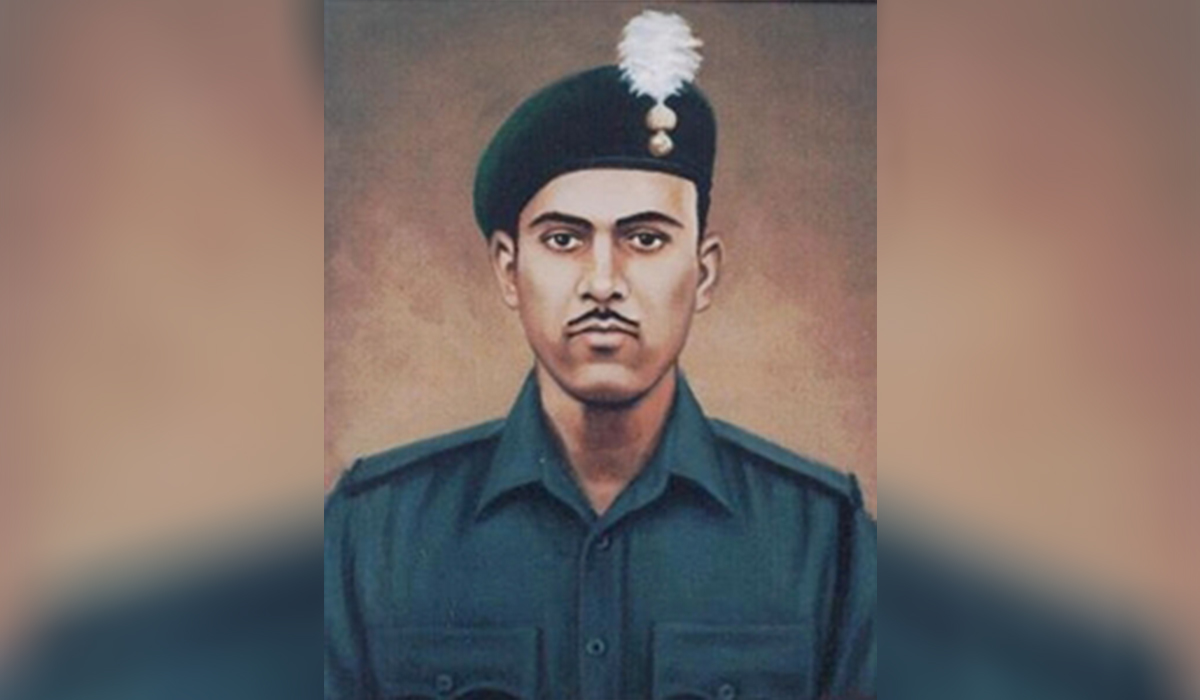

The 1965 Indo-Pak war holds a special place in India’s military history. The Battle of Asal Uttar, fought in the Khemkaran sector of Punjab’s Tarn Taran district during this war, became such an example of the Indian Army’s strategic brilliance, bravery, and indomitable spirit that it is proudly remembered even today. Asal Uttar, a village situated a few kilometers from Khemkaran, bore witness to that historic war where Indian soldiers destroyed a large number of the Pakistani Army’s modern Patton tanks, thwarting the enemy’s attempt to advance.
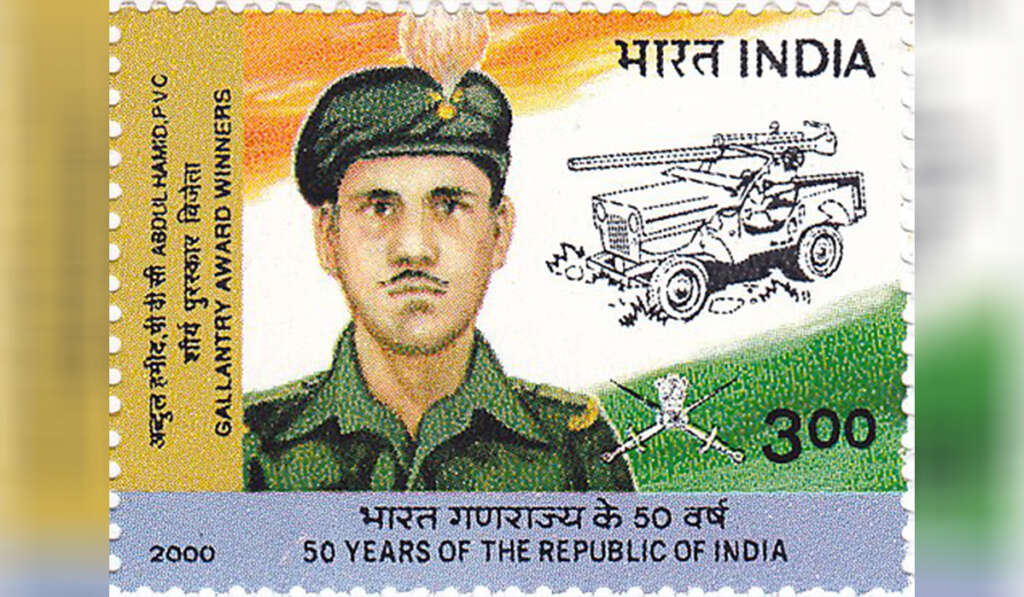
The brightest name associated with this war is that of Company Quartermaster Havildar Abdul Hamid. Displaying unparalleled courage despite limited resources, he confronted the Pakistani Patton tanks and sacrificed his life for the nation. For his bravery, he was posthumously awarded India’s highest military honor, the Param Vir Chakra. Abdul Hamid’s martyrdom is still recorded in the history of the Indian Army as an immortal example of patriotism, duty, and sacrifice.
The Fierce War Waged on the Land of Asal Uttar
After tensions escalated between India and Pakistan in 1965, the Pakistani Army launched a major offensive towards the Khemkaran sector of Punjab. At that time, Pakistan possessed modern Patton tanks acquired from America. These tanks were considered highly powerful in that era. The Pakistani Army hoped that with the support of heavy armored strength, they would be able to cross the Khemkaran area and advance deep into Indian territory.
Understanding this plan of the enemy, the Indian Army changed its strategy. The water and agricultural fields in the surrounding areas of Khemkaran were utilized for defense. Releasing water and soaking the fields made the movement of heavy Patton tanks difficult. The Indian Army allowed the enemy to enter an area where their tanks could not advance to their full capacity.
Following this, Indian soldiers targeted the Pakistani tanks from various directions. The battle was so intense that within a short time, numerous Patton tanks were reduced to destroyed wrecks on the battlefield. Because of this, the Asal Uttar area later became famous as the ‘Graveyard of Patton Tanks’.
Abdul Hamid – From Simplicity to the Pinnacle of Valor
Abdul Hamid was born on July 1, 1933, in Dhamupur village of Ghazipur district in Uttar Pradesh. His father’s name was Usman Muhammad. Born into an ordinary family, Abdul Hamid had made hard work, discipline, and responsibility a part of his life early on.
He enlisted in the Grenadiers Regiment of the Indian Army on September 27, 1954. After completing his training, he began serving in the 4th Grenadiers. During his service in the army, he served the nation while being posted in various regions.
Abdul Hamid was not just a brave soldier, but was also known among his comrades for his discipline, simplicity, and dedication to duty. For him, the military uniform was not just a job, but a supreme responsibility toward the nation.
September 10, 1965 – A Historic Day of Bravery
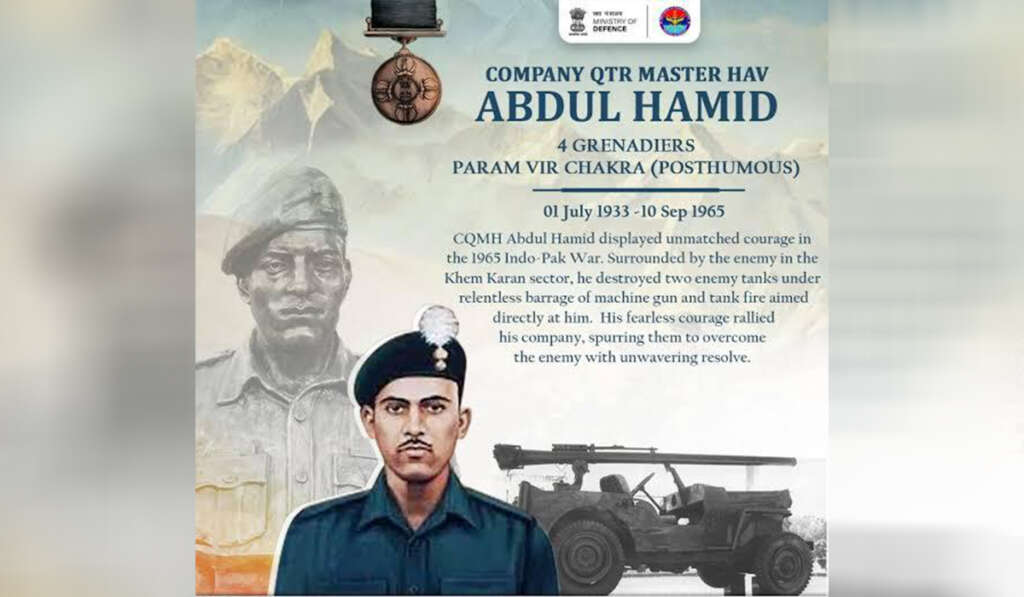
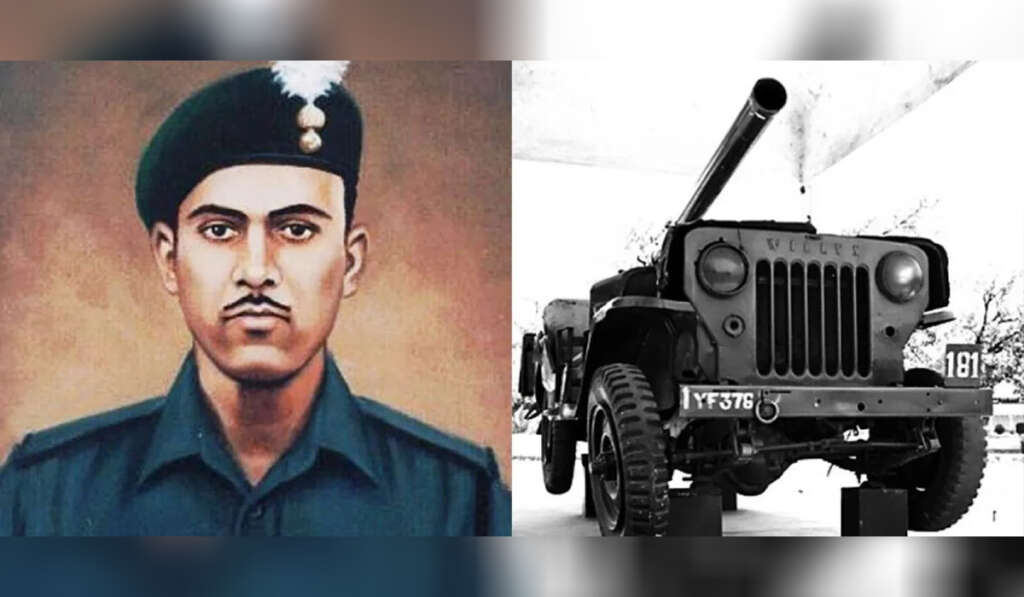
During the Battle of Asal Uttar, Abdul Hamid’s bravery reached its peak. He had a jeep-mounted 106 mm recoilless rifle. In front of him were the heavy Patton tanks of the Pakistani Army. Comparing resources, the enemy had vastly more powerful armored vehicles, but Abdul Hamid’s courage and marksmanship altered the course of this unequal contest.
He took advantage of the battlefield’s geographical conditions. He maneuvered his jeep to a position from where it was possible to target the Patton tanks. When the enemy tanks came within his striking range, Abdul Hamid attacked them with unparalleled fearlessness.
Due to his precise marksmanship, several tanks of the Pakistani Army were damaged or destroyed. Official accounts of the Indian Army mention him destroying three Patton tanks during his valiant act. His actions delivered a heavy blow to the enemy’s advancing momentum and further boosted the morale of the Indian soldiers.
Abdul Hamid knew he was facing a tremendous danger. Despite this, he did not step back. He continuously kept targeting the enemy tanks. Ultimately, on September 10, 1965, he was severely wounded during the battle and was martyred while defending the nation.
His martyrdom wrote a chapter in the history of the Indian Army that time can never erase.
The nation saluted the indomitable bravery and supreme sacrifice of Abdul Hamid. The Government of India posthumously awarded him the country’s highest military decoration, the Param Vir Chakra. This honor was not just a recognition of one individual’s bravery, but a tribute to the spirit under which a soldier, without caring for his own life, fights until his last breath to defend the country. Abdul Hamid’s name joined the ranks of those great warriors whose sacrifices inspired future generations of India to serve the nation.
Asal Uttar and its surrounding area still preserve the memory of Abdul Hamid’s martyrdom today. His memorial has been established near Cheema village. This place is not just a memorial to one martyr, but an important site dedicated to the memory of all the soldiers who laid down their lives for the country in the 1965 war.
For those who visit here, this place is like a living book of history. The display of military hardware and a Patton tank at the memorial serves as a reminder of the intensity of the Battle of Asal Uttar and the victory of the Indian Army.
A special feature of this place is that people belonging to various religions and communities arrive here with reverence. People view Abdul Hamid’s martyrdom as a sacrifice made for the country, rising above the boundaries of religion or caste. This very sentiment makes this memorial a symbol of inter-faith harmony and national unity.
Prime Minister Narendra Modi Also Paid Tribute
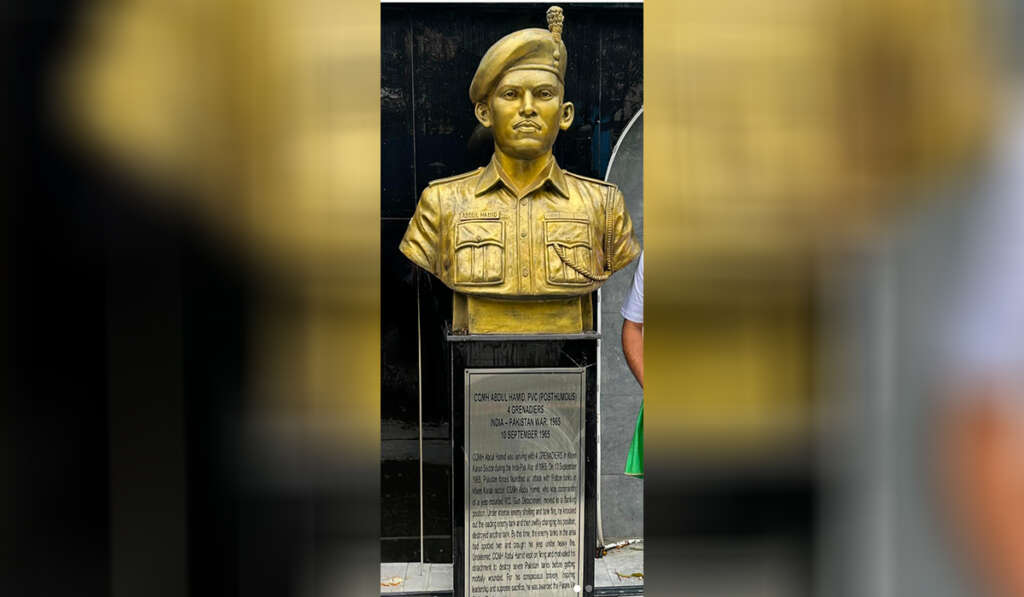
On the occasion of Diwali on November 11, 2015, Prime Minister Narendra Modi celebrated the festival with the soldiers deployed in the border areas of Punjab. During this time, he visited the memorial of martyr Abdul Hamid and paid tribute. On this occasion, the significance of this historic site was further highlighted, and attention was also given to the development of the memorial. With this, the saga of Asal Uttar and Abdul Hamid’s martyrdom reached people on an even larger scale across the country.
It is worth mentioning that every year on September 10, on the anniversary of Abdul Hamid’s martyrdom, special tribute ceremonies are held in the Asal Uttar and Cheema areas. Besides the family members of the martyr, ex-servicemen, army officers, locals, and people from different parts of the country participate in these events.
On this occasion, floral tributes are offered to the martyrs and their sacrifices are remembered. Students from schools and other institutions are also provided information about the 1965 war and Abdul Hamid’s bravery, so that the new generation can become aware of their country’s history and the sacrifices of the soldiers.
The land of Asal Uttar today is no longer just a memory of the 1965 war. It has become a symbol of the strong willpower and strategic brilliance of Indian soldiers. This area, known as the graveyard of Patton tanks, shows that wars are not won merely by the number of weapons, but they also require courage, discipline, strategy, and an unbreakable dedication to the country.
Abdul Hamid is the greatest example of this truth. He did not have heavier weapons compared to the enemy, but he had the courage that altered the course of history.
The martyrdom of Company Quartermaster Havildar Abdul Hamid is that golden page of Indian history which can never be forgotten. His story teaches us that for a soldier defending the country, the greatest duty is the protection of their motherland.
That war fought in the fields of Asal Uttar still bears testimony to the bravery of the Indian Army today. This land, which became the graveyard of Patton tanks, and the memorial of Abdul Hamid will continue to give the message to future generations that the sacrifice made to protect the unity and sovereignty of the nation never goes in vain.
Warriors like Abdul Hamid may not remain physically among us, but their bravery, their spirit, and their sacrifice remain forever alive in the memory of the nation. The saga of Abdul Hamid’s martyrdom written in the soil of Asal Uttar will always be read and recounted with pride in India’s military history.

Leave a Comment