


Had there been no treason, the warriors would never have lost: A historical tale of martyrdoms and betrayal
In history, battles are not merely a clash of weapons, but rather a test of a nation’s political prudence, military might, internal unity, and the role of its leaders. In the history of Punjab, the chapter of the First Anglo-Sikh War is extremely significant in this regard. In this war, the Khalsa army gave the British army a tough fight on many occasions and displayed exceptional martial capability. Despite this, political conspiracies, weaknesses in military command, and the role of the leaders influenced the outcome of the war.
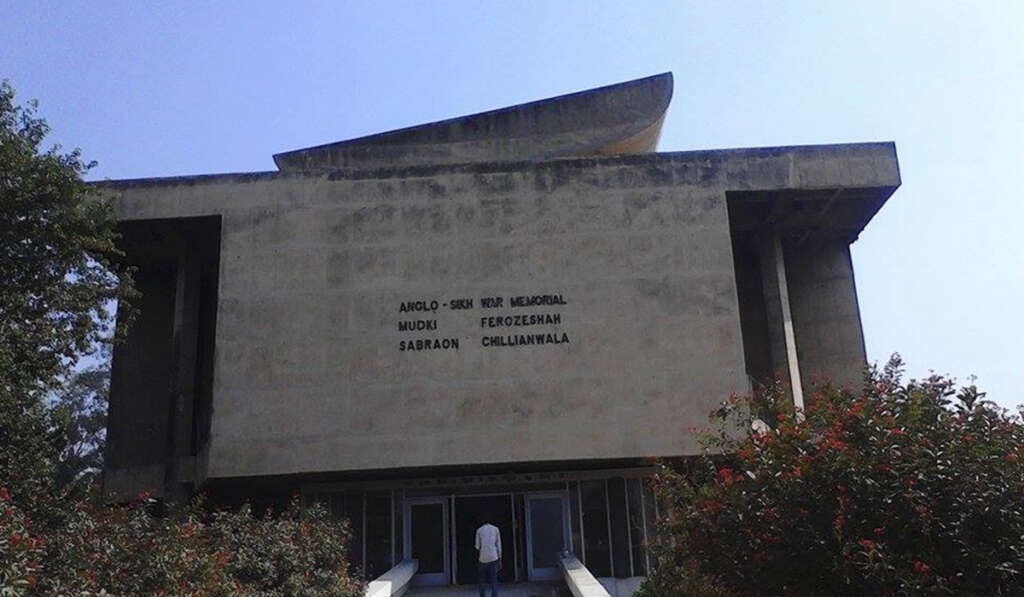
The Battle of Pheru Shehar or Ferozeshah was an important event of this historical era. Associated with the Ferozepur-Ludhiana region, this land still holds within it the memory of that fierce battle of 1845. The encounter between the Khalsa army and the British East India Company forces here lasted for two days. During this time, both sides suffered heavy casualties. The greatest irony of this war was that despite the bravery and combat capability of the Khalsa army on the battlefield, decisions made at the political and military levels weakened its position.
Background of the First Anglo-Sikh War
After the demise of Maharaja Ranjit Singh in 1839, the Sikh empire became engulfed in internal political struggles and court conspiracies. The tug-of-war for power increased between different factions in the Lahore Darbar. On the other hand, the British East India Company was increasing its military strength on the borders of Punjab. In this tense atmosphere, a war broke out between the Sikhs and the British at the end of 1845. In British history, this is associated with the First Anglo-Sikh War or the Sutlej Campaign.
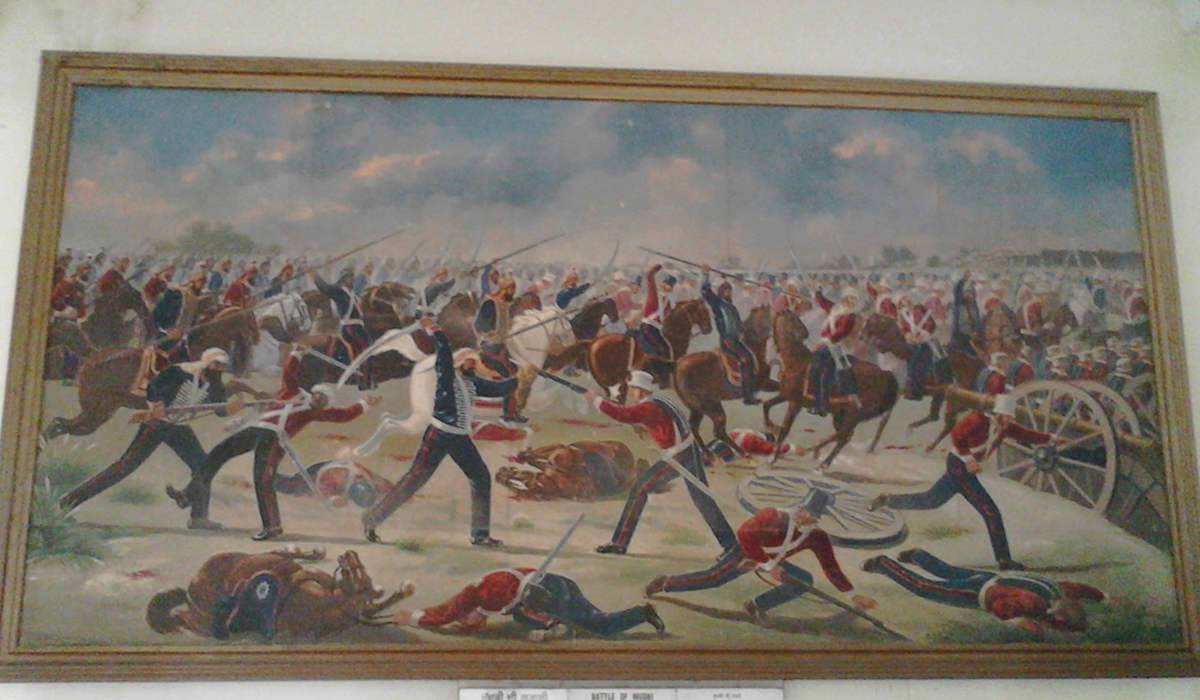
On December 18, 1845, the first major clash between the two armies took place at Mudki. In this battle, the Khalsa army gave a tough fight to the British army. During the war, the effective performance of the Sikh artillery posed a serious challenge to the British army. After Mudki, the next major confrontation was to take place at Pheru Shehar.
Entrenchment of the Khalsa Army in Pheru Shehar
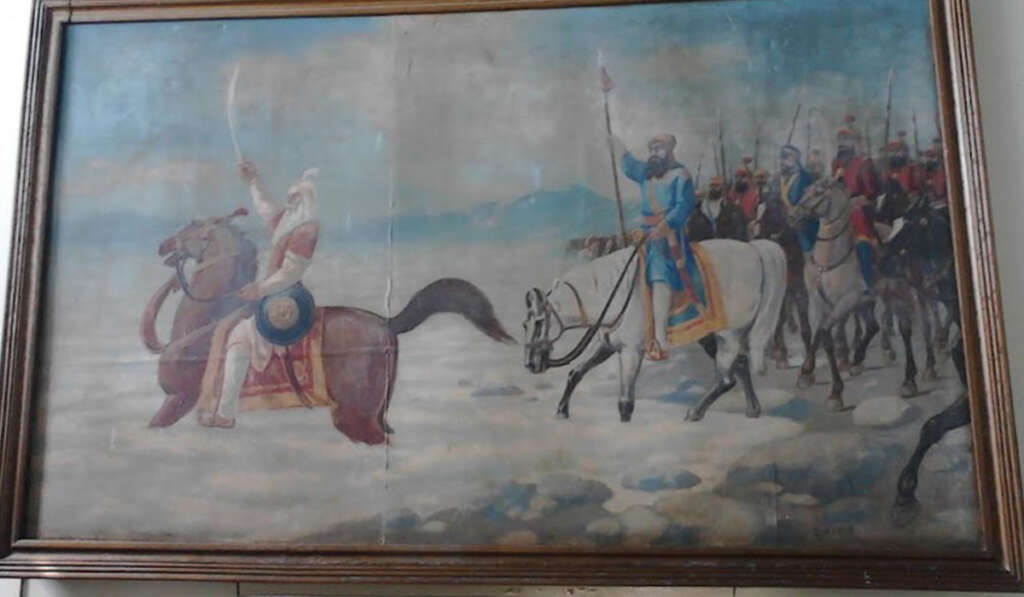
After the battle of Mudki, the Khalsa army established its strong entrenchments in the Ferozeshah area. A large number of soldiers, artillery, and war materials were deployed here. The Khalsa army did not only consist of Sikh soldiers. Soldiers belonging to various communities of Punjab were part of this army. Since the time of Maharaja Ranjit Singh, soldiers belonging to different religions and regions had been recruited into the Khalsa army. Because of this, this army also represented the multifaceted social structure of Punjab at that time.
On the other hand, the Ferozepur cantonment was strategically very important for the British army. The biggest challenge for the British commanders was to join their forces present in Ferozepur with the rest of the British army to face the Khalsa army. On December 21, 1845, the British forces advanced towards Pheru Shehar. In the afternoon, the armies of both sides came face-to-face. By evening, the entire area echoed with the roar of cannons and the sound of guns. The Khalsa army fired heavily on the British army from behind their strong entrenchments. The British army faced immense difficulties in advancing. At many places, British regiments had to suffer heavy casualties. The intensity of this battle can be gauged from the fact that firing and artillery action continued between both sides even during the night. For the British army, this encounter proved to be far more difficult than anticipated.
Many British officials and later historians have recorded the Battle of Ferozeshah as a very fierce war. The British army had to face intense resistance from the Khalsa artillery and infantry here. The night of December 21 was very critical for the British army on the battlefield of Pheru Shehar. After suffering heavy losses in the battle, the position of the British army had become very difficult. Accounts of many British officials reveal that there was an atmosphere of anxiety and uncertainty in the army that night. Lord Hardinge, who was the Governor-General of British India, was himself present on the battlefield. According to historical details, he had even made arrangements for the safety of his personal sword and important documents. This incident reflects the grave situation of that time. Due to the strong entrenchment of the Khalsa army and the impact of its artillery, the British army had to pay a heavy price. Yet, the war did not end with a decisive victory for the Khalsa army.
The Question of Military Command and Treason
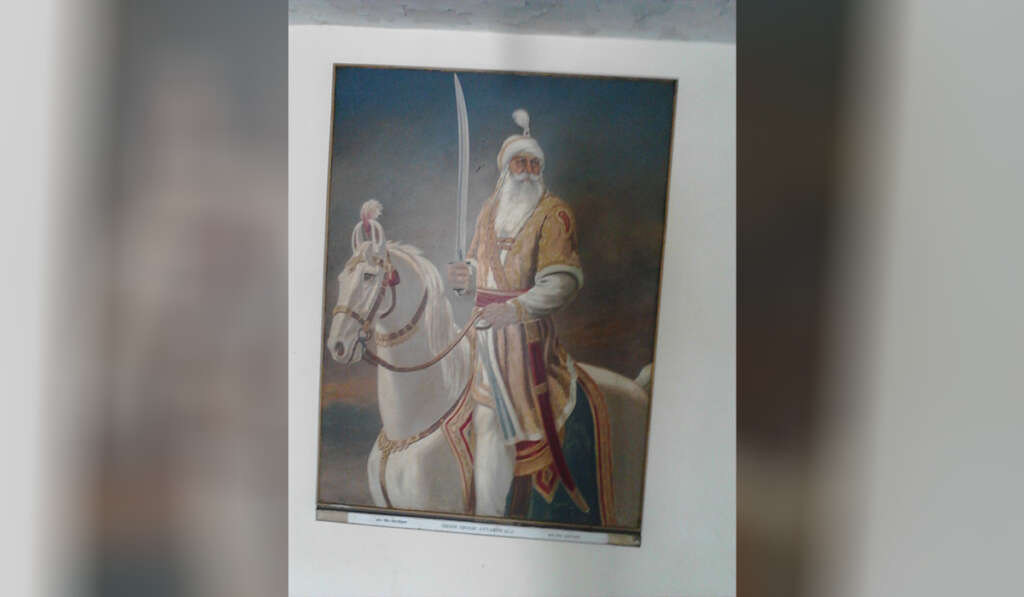
While discussing the Battle of Pheru Shehar, the role of Khalsa army leaders Lal Singh and Tej Singh is mentioned the most. Historical sources raise serious questions about the performance of both and the decisions taken by them. Many historical details are found regarding Lal Singh’s role in the battle and his retreat. Similarly, Tej Singh’s decision to arrive on the battlefield on December 22 and subsequently retreat is also linked to the outcome of the war.
Many soldiers of the Khalsa army were fighting resolutely on the battlefield. At such a time, the decisions taken by the high command prove decisive for the army’s next course of action. In historical writings, Tej Singh’s retreat is specifically recorded as a controversial event. It is because of this that the Battle of Pheru Shehar did not remain merely a military encounter in Punjabi public consciousness, but became a major historical discourse associated with loyalty, leadership, and internal political conspiracies.
Pheru Shehar in Shah Mohammad’s Jangnama
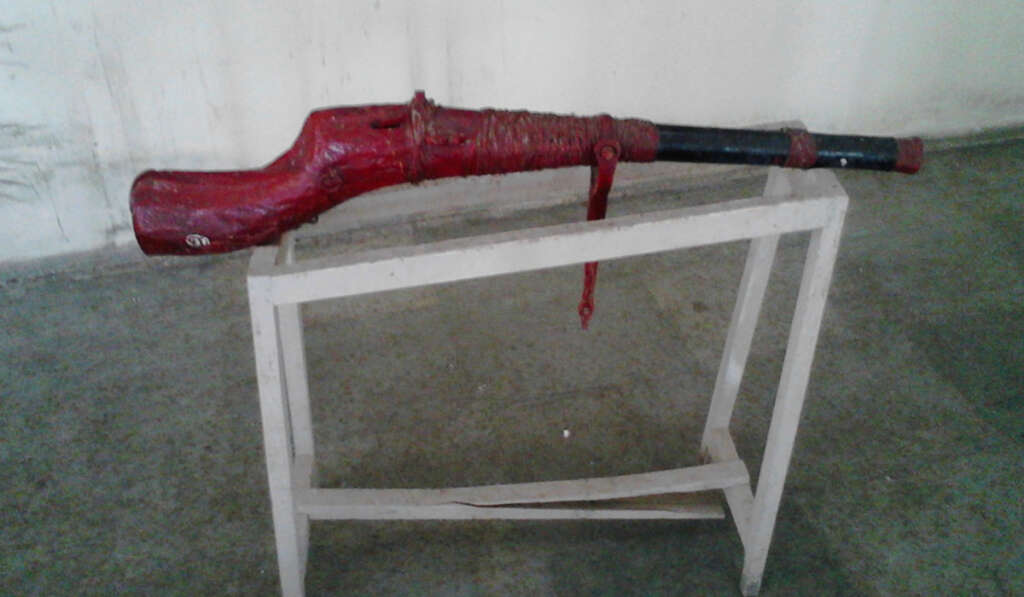
The most impactful literary depiction of the Battle of Pheru Shehar is found in poet Shah Mohammad’s ‘Jangnama Singhan Te Firangiyan’ (The Epic of the Sikhs and the British). Through his poetic composition, Shah Mohammad presented the scenes of the First Anglo-Sikh War, the bravery of the Sikh warriors, and the political weaknesses in a very poignant manner. His famous lines… “Shah Mohammada ik sarkar bajhon, faujan jitt ke ant nu hariyan ne” (“O Shah Mohammad, without a sovereign, the armies lost in the end despite winning”), express deep sorrow over the political situation of that time. These lines have become a crucial part of the memory of this war in the Punjabi public consciousness. Shah Mohammad also described the power of the Sikh artillery and the bravery of the warriors on the battlefield. In his poetry, Pheru Shehar emerges not just as a battleground, but as a symbol of Punjab’s political decline and the sacrifice of its warriors.
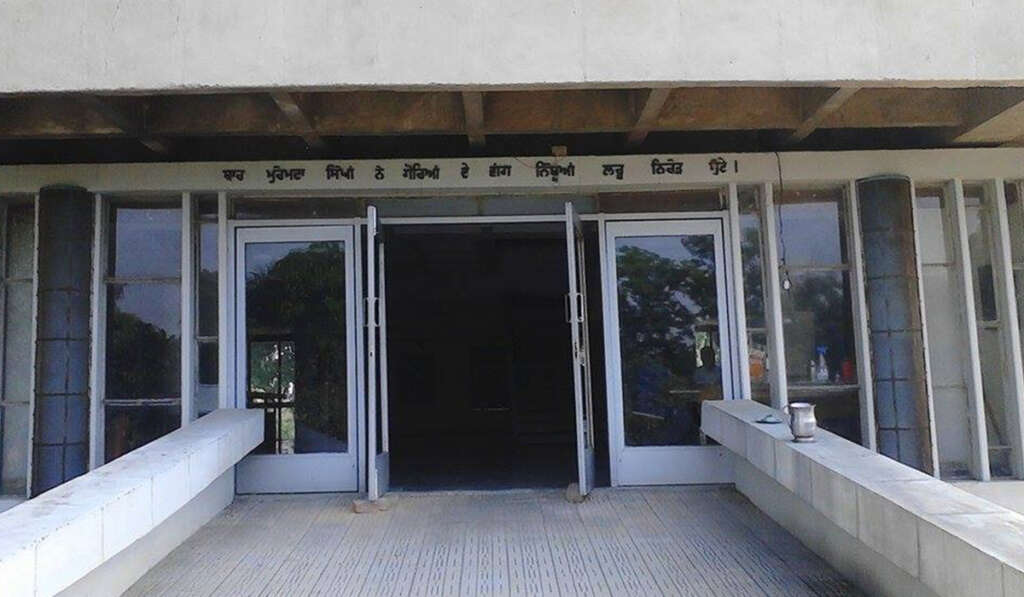
The Battle of Ferozeshah proved to be very bloody for both sides. A large number of officers and soldiers of the British army were killed or wounded. The death of several high-ranking officers dealt a major blow to the British army. On the other hand, the Khalsa army also made immense sacrifices. Countless soldiers were martyred on the battlefield and a large number were wounded. The tragic part is that the names and village details of many ordinary soldiers of that era could not be preserved in history. These warriors are an essential part of Punjab’s history. Remembering their sacrifice is not merely remembering the past, but also understanding the social and military consciousness of that time.
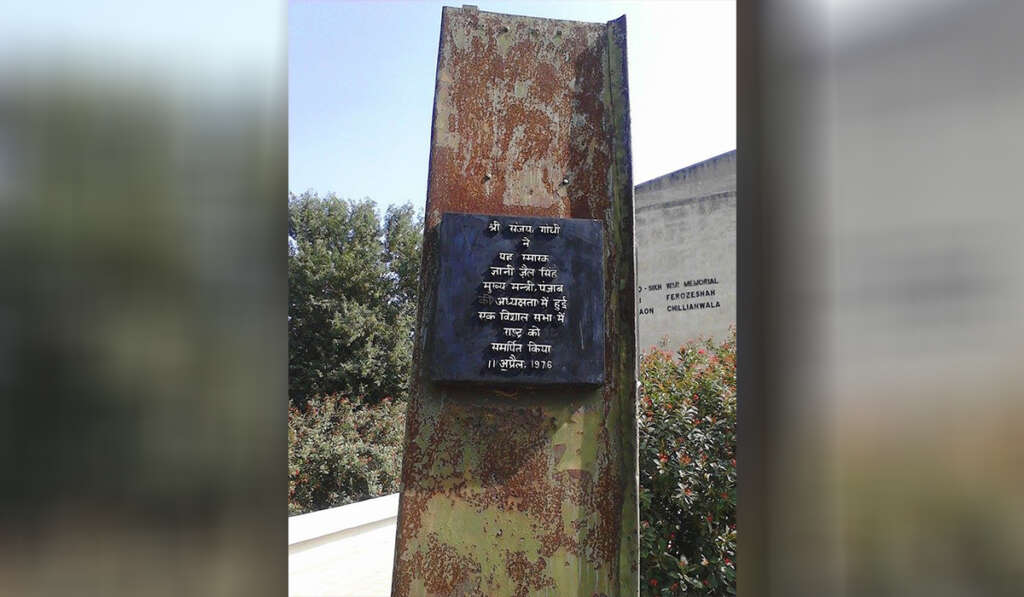
Today, Ferozeshah and its surrounding areas are connected with the memory of the 1845 war. This land is a witness to that historical heritage of Punjab in which heroism, political struggle, martyrdom, and internal conflict are all seen together. The preservation of such historical places is not only a governmental responsibility but also a collective responsibility of society. Connecting the younger generation with these places and events is necessary so that history does not remain confined merely to the pages of books.
The Lesson Learned from History
The Battle of Pheru Shehar is such a chapter in the history of Punjab where heroism and political weakness both appear together. The soldiers of the Khalsa army displayed an extraordinary demonstration of their martial capability and courage, but high-level decisions and internal political clashes influenced the outcome of the war.
Instead of confining this event merely to the single word of ‘treason,’ it is essential to understand the entire political and military situation of that time. The instability that arose after the demise of Maharaja Ranjit Singh, the political tug-of-war in the Lahore Darbar, the problems of military command, and the strategy of the British Empire were all factors that were to influence the future of Punjab.
The blood of the warriors mingled in the soil of Pheru Shehar still reminds us today that the strength of any nation does not lie merely in its weapons. Its real strength lies in unity, strong institutions, responsible leadership, and a correct understanding of its history. Therefore, remembering the Battle of Pheru Shehar is not just paying homage to the martyrdoms of the past, but also an attempt to understand and learn from history. This land holds the memory of those warriors of Punjab who, without caring for their lives in difficult times, stood firm and fought on the battlefield.
Leave a Comment