
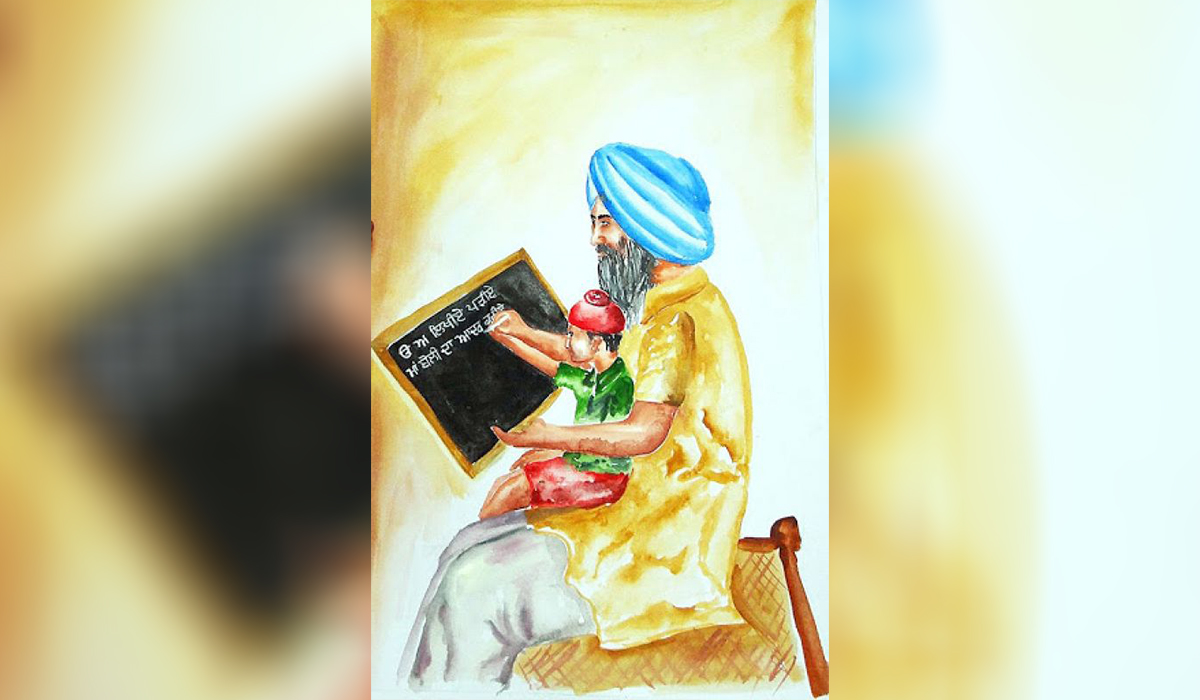

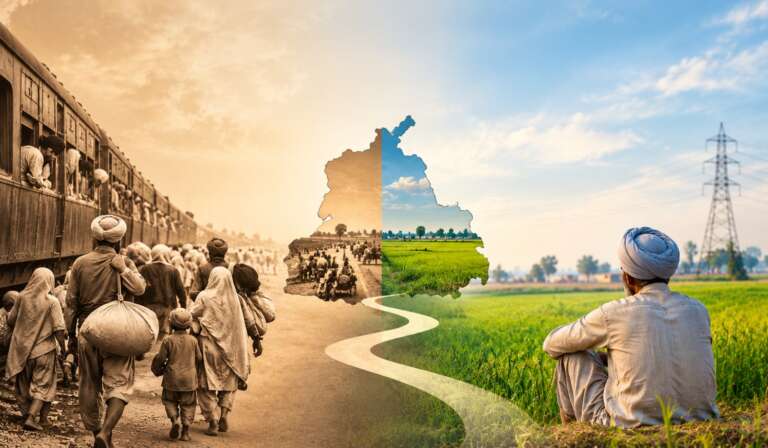
Punjab lost a great deal during the partition of India and Pakistan. It was divided into West Punjab and East Punjab. Faced with such circumstances, any compassionate Punjabi could do little but weep. In West Punjab – Pakistani Punjab – Punjabis have faced extreme injustice, and this continues even today. Their own people seem bent on destroying their language and identity.
Punjabis dominate every sphere in Pakistan. If they can exercise authority over the smaller provinces and take control of their natural resources, can they not do something for their own mother tongue? Can they not secure the status it deserves? The truth is that they fear they would lose their hold over Pakistan’s national politics if they did so. Religious fanaticism has also contributed to this attitude.
The late Ghulam Haider Wyne was a thoroughly Punjabi chief minister of West Punjab. During his tenure, Pakistan’s central government sent a letter to the Punjab government stating that, if it wished, it could arrange primary education for children in their mother tongue. Yet, this thoroughly Punjabi chief minister flatly refused to do so.
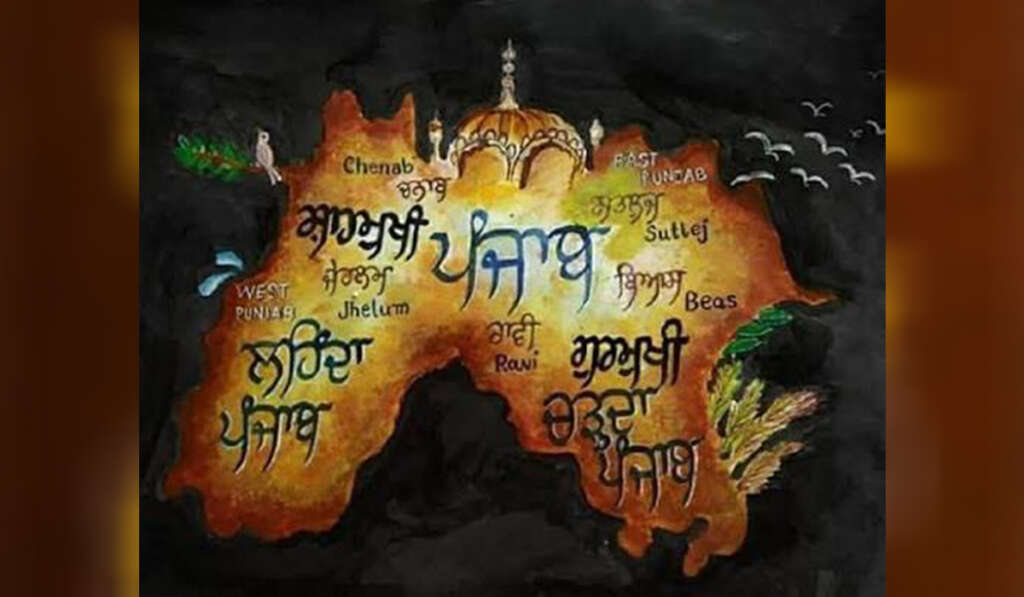
In East Punjab – the Indian side – Punjab and Punjabi identity did not fare any better. After independence, Indian states were reorganised on a linguistic basis, but Punjab was denied this right. This created a sense of alienation among a large section of Punjabis. The Akalis launched an agitation for a Punjabi-speaking state, and the communists also supported it. In response, the Jana Sangh launched the Maha Punjab movement. While the communists fought for the interests of all Punjabis, the struggles of the Akalis and Jana Sangh were driven by communal considerations.
Punjabi Hindus were encouraged to declare Hindi, rather than Punjabi, as their mother tongue. On November 1, 1966, a “crippled Punjab state” was born. This satisfied the Akalis’ hunger for political power, but the original objective of the Punjabi Suba movement remained unfulfilled because many Punjabi-speaking areas were left outside Punjab. What was achieved was merely a “crippled Punjab state.”
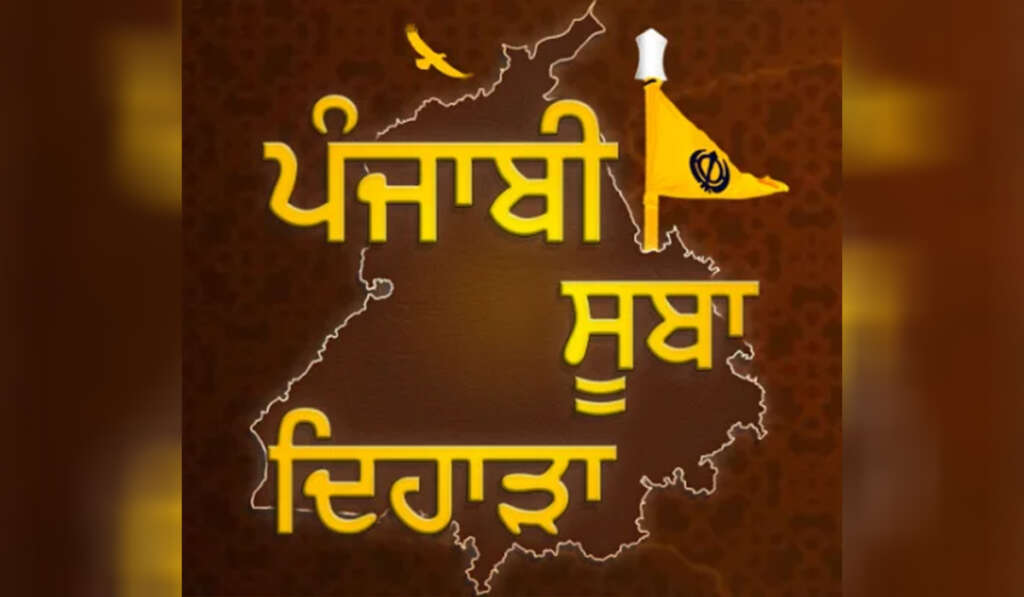
In this newly created Punjab state, Punjabi was granted the status of an official language. Punjabi University and the Department of Languages were established. New hopes arose for Punjabi literature and journalism. Punjabi newspapers began to circulate in the hundreds of thousands. Despite all this, however, a genuine sense of Punjabi identity failed to develop among Punjabis.
Punjab’s own people are increasingly distancing themselves from their mother tongue. Punjabi parents prefer to hear their children’s first words in languages other than Punjabi. Public schools established across Punjab’s cities and villages are playing a leading role in destroying Punjabi, and these schools enjoy the government’s full patronage. Hindi- and English-language newspapers are steadily expanding their presence in Punjab, which is not a good sign for Punjabi journalism.
The failure to develop a sense of Punjabi identity is not only an obstacle to Punjabis becoming a culturally cohesive nation; it is also harmful to the Punjabi language and to the very existence of Punjabis as a people. Instead of understanding Punjabi philosophy, the pluralism of Punjabi culture, and its principle of unity in diversity, Punjabis have confined their identity to religion, with each community pursuing its own separate agenda.
Punjabis have failed to find a political party that talks of their unity. Instead, they have encountered parties that seek votes along communal lines. The tactics adopted by the existing political parties have not only prevented the growth of Punjabi identity but also helped drag Punjab into the dark days of the 1980s and 1990s and throw it into the flames.
The greatest harm to “Mother Punjab” has been caused by her own three sons – Hindus, Muslims and Sikhs. Until these three fakir brothers – Fakir-ud-Din, Fakir Singh and Fakir Chand – remove the blindfolds of religion from their eyes, neither the philosophy of the Punjabi people nor Punjab’s identity will prosper.
What is needed today is for all three sons of Mother Punjab to learn from a new scientific consciousness and cast aside religious fanaticism. Instead of giving priority to being Hindu, Muslim or Sikh, they must give priority to being Punjabi. Rather than being “Fakir-ud-Din,” “Fakir Singh” or “Fakir Chand,” they should simply become “Fakira.” Rather than becoming “Bhola Singh,” “Bhola Khan” or “Bhola Nath,” they should simply become “Bhola.” Rather than becoming “Mehr Din,” “Mehr Singh” or “Mohar Chand,” they should become “Mehra” or “Mehru.” The welfare of the Punjabi people lies in this alone.
Sixty years on, Punjab has declined socially, economically, politically and culturally. The Department of Languages was established to promote Punjabi, yet its director now finds himself helpless before the government’s bureaucracy. Punjabi University, Patiala, was founded to advance the Punjabi language, but it is facing a severe financial crisis today. This exposes the government’s attitude towards the Punjabi language and its narrow outlook towards the academic sphere.

Leave a Comment