


The 1965 India-Pakistan war is often remembered in terms of military operations, battles fought on the borders, and victories and defeats. But behind this history were also the personal lives of the soldiers, for whom the war was not an event of a few days or months, but an experience that became intertwined with the rest of their entire lives.
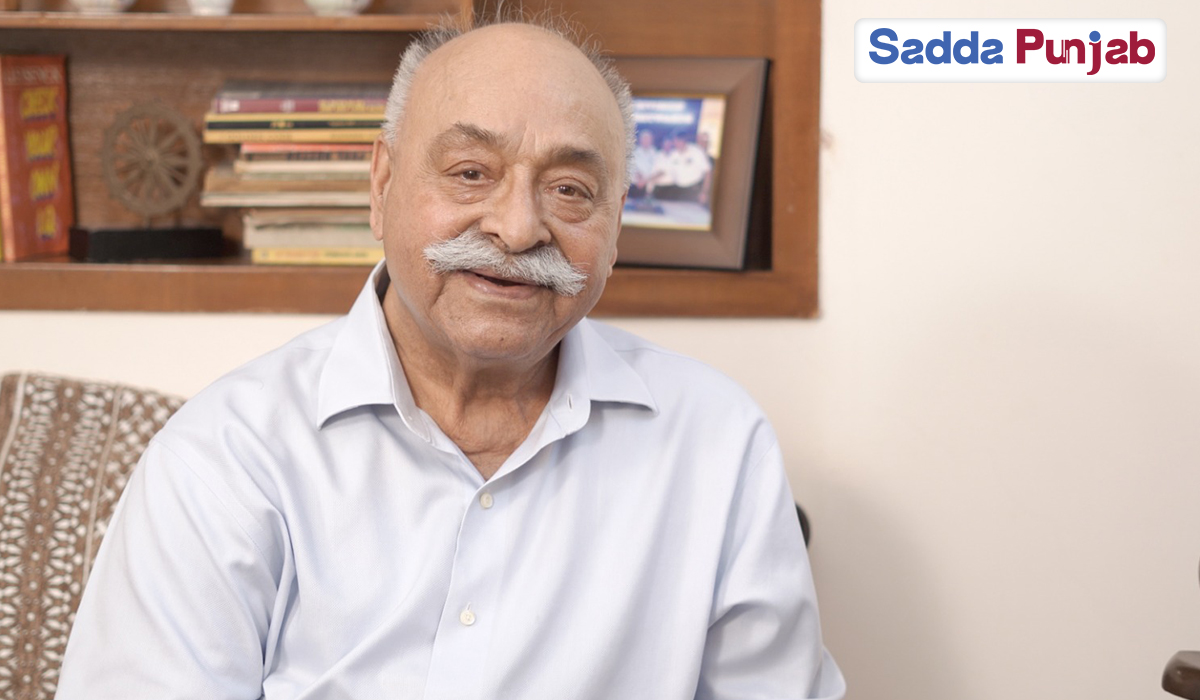
Lieutenant Colonel A.P.S. Ahluwalia is also one of them. It had been only about a year since he joined the army when the 1965 war broke out. At that time, his age was around twenty-two and a half years, and it had not been long since he began his military life. However, during the battle in Phillora in the Sialkot sector, a shelling changed the very course of his life.
A splinter from a shell severely injured his arm. Despite treatment efforts, the arm could not be saved and ultimately had to be amputated. The story after this is not just about recovering from a war injury, but of a soldier who did not abandon the path of service despite his life changing completely.
The Reason to Join the Army Was Formed Even Before 1965
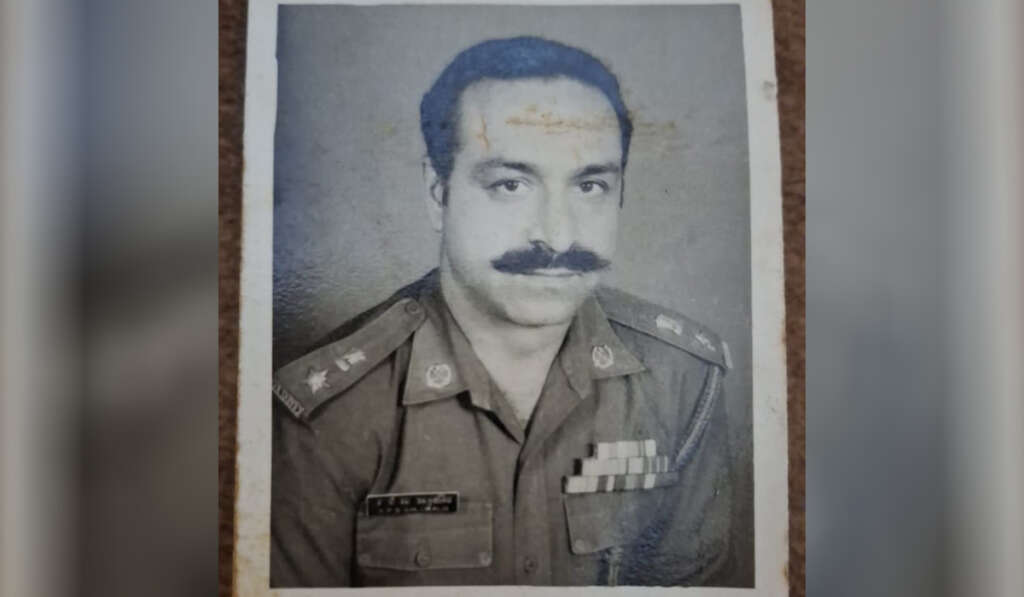
Ahluwalia’s relationship with the army had already formed before the 1965 war. The 1962 India-China war influenced him just like many other young men of that generation. The defeat suffered by the country ignited a desire within him to do something, and the journey from participating in collecting money for the National Defence Fund to joining the army moved forward with this very thought. When he joined the army, he probably might not have thought that he would have to face a real war so soon after training. But the situation changed within a year.
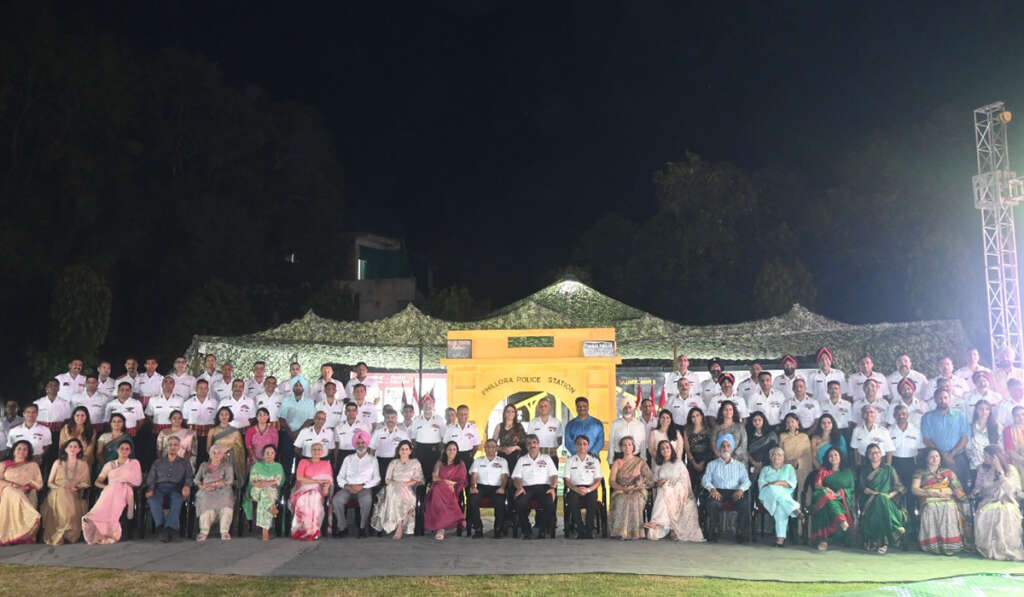
In 1965, the war between India and Pakistan started, and Ahluwalia reached the Sialkot sector with the 5/9 Gorkha Rifles. Phillora was a crucial part of this operation. Here, the war was not just the roar of weapons. Nights were spent in preparation, tanks and other equipment were readied for the next day’s operation, and amidst all this, everything from food to security remained a challenge.
Amidst War, Even the Small Necessities of Life Become Big
Delivering rations during the battle was also not always easy. The vehicles coming from behind would sometimes get caught in the shelling, and the food coming with them would also be destroyed. Then, the soldiers had to make do with emergency rations. Sometimes they survived on whatever was found from the surrounding villages. In these situations, the support of the people in the border areas was also memorable. Many families gave food to the soldiers from their own homes. There was danger for them too, but despite this, they did not back down.
Another incident from this very area also remained etched in Ahluwalia’s memories. Upon reaching one village, most of the houses were empty. When a closed house was opened, an elderly Maulvi emerged from inside. Frightened, he was worrying about his life. But the soldiers did not harm him and let him go. Amidst the tension of war, this incident clarifies another point: maintaining the distinction between an armed enemy and a common civilian is also a crucial part of warfare.
That Night in Phillora
Amidst all this, the biggest turning point became that night when Ahluwalia’s platoon was with the Armoured Unit. Preparations for the tanks for the next day were underway. At night, their cleaning, technical checks, and other preparations including ammunition were being carried out. Soldiers were also present there for the security of the tanks. During this time, shelling began from the enemy’s side. A splinter from a shell hit Ahluwalia’s arm. The injury was so severe that he bled profusely and could not get out of there on his own.
When the shelling subsided slightly, an officer of the Armoured Corps evacuated him from there with the help of a tank and sent him for treatment. In the hospital, doctors tried to save the arm. But due to the injury, the nerves and bones had suffered extensive damage. The situation reached a point where if the arm was not amputated, there could be a threat to life from gangrene. Ultimately, the arm had to be amputated.
For a young soldier, this was not just a physical injury. Daily life, mobility, and many things regarding the future now had to be thought of in a new way. But the story did not stop here either.
Return to the Army with a Changed Life
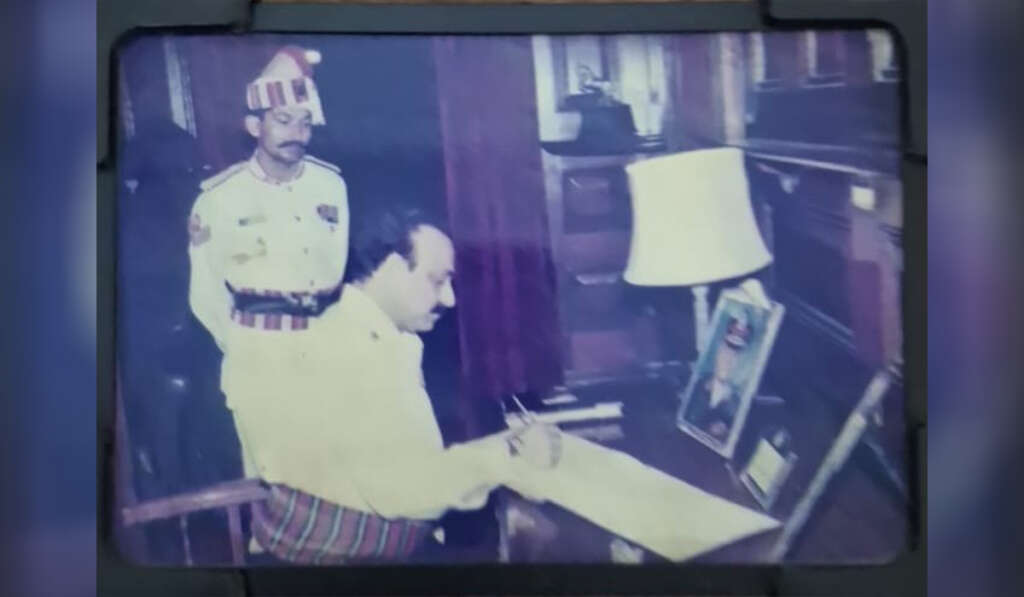
After his treatment, Ahluwalia was not separated from the Army. He was posted at a training center in Dehradun, where he fulfilled training and administrative responsibilities. It took time to adjust to the new situation. Driving a two-wheeler was difficult, and he had to take the help of colleagues for commuting. The Army and his comrades supported him even during this phase.
Gradually, this new routine became a part of life. Later, he also drove a car and continued his service. One thing remained special in this whole experience: he did not let his injury become his entire identity.
Punjab, the Army, and Changing Times
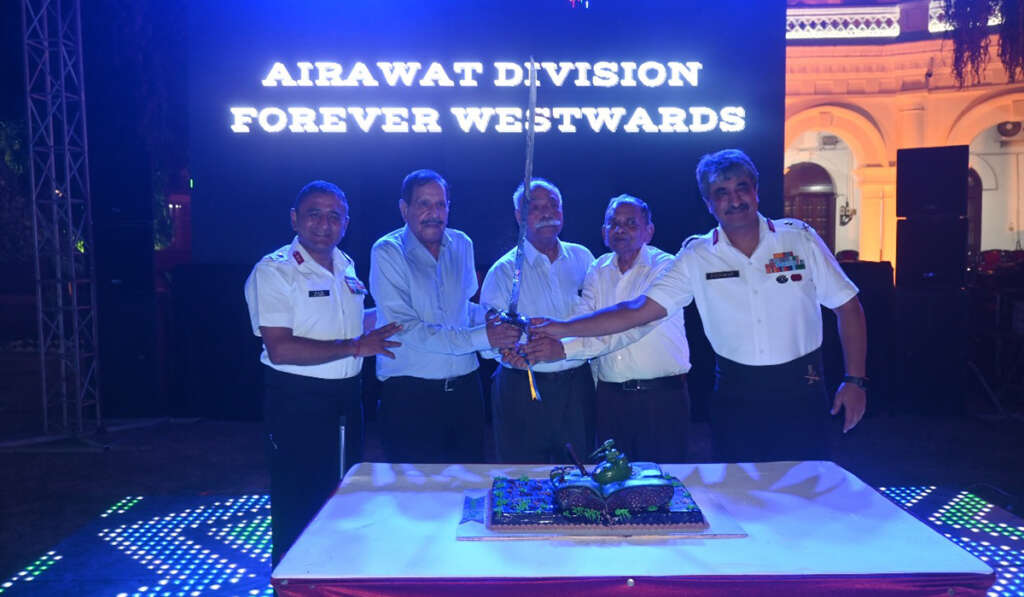
In Ahluwalia’s memories, 1965 is not just the year of the war. It is also a picture of that relationship between Punjab and the Army, which he had been observing for a long time. According to him, at that time, the people of Punjab, especially the residents of border areas, had deep faith in the Army. The help provided to the soldiers by the people during the war was a glimpse of this very relationship.
He also believes that the priorities of the youth have changed with time. Today, education and career opportunities have increased significantly. Young people have many more paths for their future than before. But his thought is that while building one’s career, the responsibility towards the country should also be remembered.
After the 1965 war, his life did not remain the same as before, but that life did not stop either. Despite losing an arm, military service continued, new responsibilities arrived, and a new way of living with daily difficulties was formed.
Today, when it has been more than six decades since that war, Ahluwalia’s story does not let 1965 be seen merely as a historical event. In this, the preparation of the soldiers of that era, the support of the border people, the cost of war, and the life after it, all become visible together.
And perhaps the most important aspect of this story is that even after a war ends, its impact does not end. For someone it becomes a memory, for someone a scar left on the body, and for someone a turning point that gives a new direction to their entire life.
And for Lieutenant Colonel A.P.S. Ahluwalia, it is all three of these things combined.
Leave a Comment