
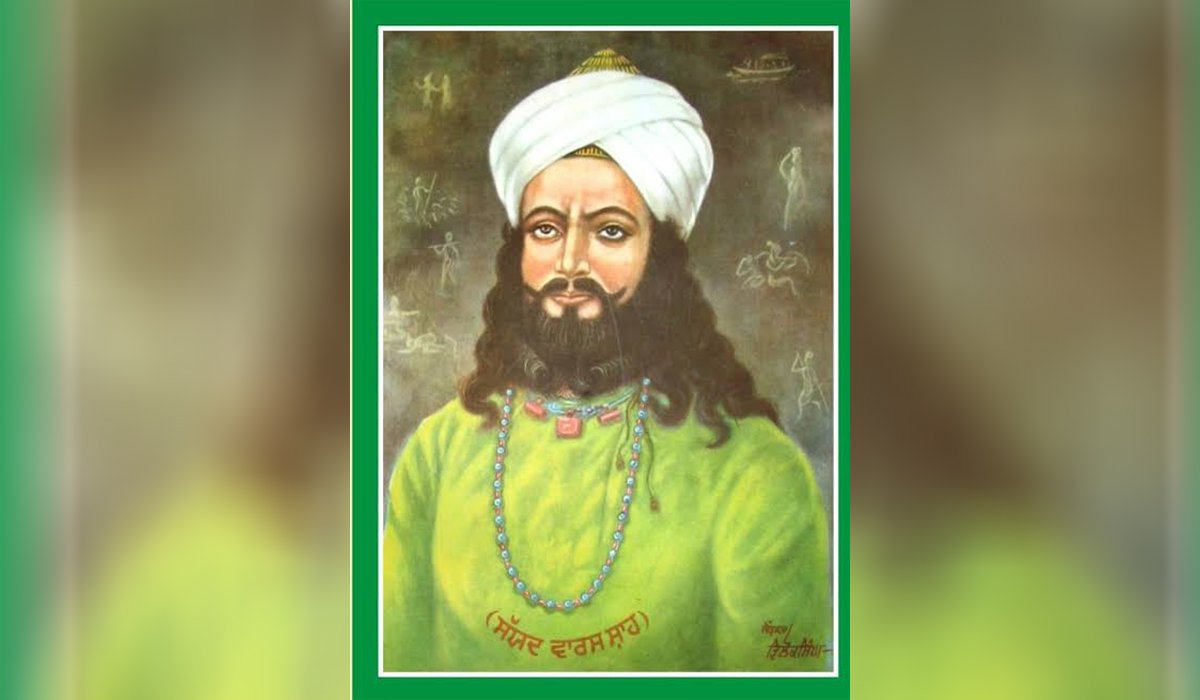

In the history of Punjabi literature, if the name of a single poet shines the brightest, it is Syed Waris Shah. Waris Shah was a prominent 18th-century Punjabi Muslim Sufi poet who is globally respected for his unmatched contribution to Punjabi literature and culture. He is often called the “Shakespeare of the Punjabi language.” Although earlier poets like Damodar, Ahmad Gujjar, and Muqbil had also written the romance of “Heer-Ranjha” before Waris Shah, the literary brilliance, linguistic finesse, and cultural depth with which Waris Shah narrated this love saga immortalized Heer forever as ‘Heer Waris Shah’.
Early Life, Family, and Education
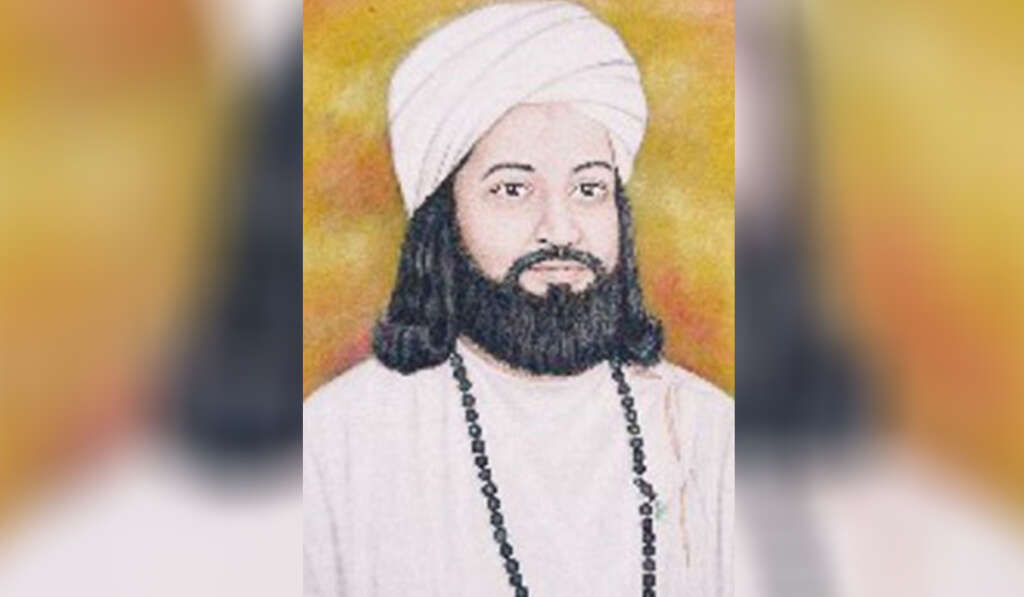
Syed Waris Shah was born in the early 18th century (around 1722 AD) into a respectable Syed family in the historic village of Jandiala Sher Khan (Sheikhupura district) in Western Punjab (present-day Pakistan). His father’s name was Syed GulSher Shah and his mother’s name was Kamal Bano, but Waris Shah had to live without parental love from a very early age.
After receiving his primary education from the village madrasa, he went to Kasur to pursue higher religious, philosophical, and literary education. In Kasur, he studied ‘Dars-e-Nizami’ (Islamic philosophy, Arabic, and Persian) under the famous scholar Maulana Ghulam Murtaza Kasuri. Notably, the renowned Sufi poet Baba Bulleh Shah was also his classmate (co-student) at the same madrasa. After completing his education in Kasur, he went to Pakpattan, attached himself to the shrine of Baba Farid Ganj-i-Shakar, and attained spiritual knowledge.
The Hujra of Malka Hans and the Composition of ‘Heer’
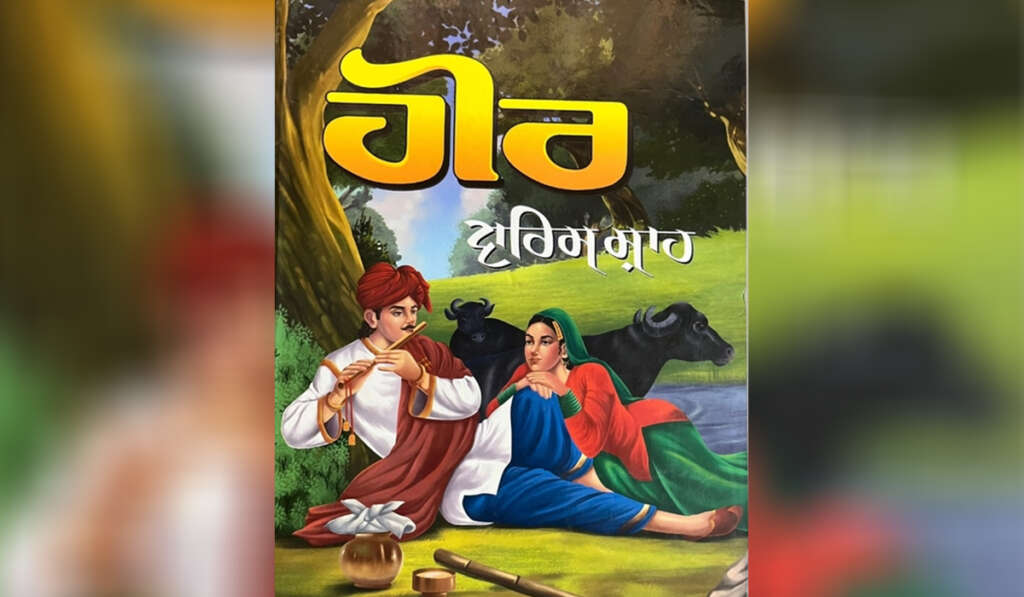
In the next phase of his life, Waris Shah moved to the village of Malka Hans (Sahiwal district) near Pakpattan. Sitting in the cell (small room) of a historic mosque here (today known as the ‘Mosque of Waris Shah’), he completed his immortal masterpiece, the ‘Kissa Heer Ranjha’, in 1766 AD (1180 Hijri).
It is said that behind the composition of this great epic romance was Waris Shah’s own personal heart-pain. According to literary tradition, he had experienced unfulfilled love with a woman named ‘Bhagbhari’. He artistically portrayed the longing, agony, and separation of this personal love in the form of the separation of Heer and Ranjha, making it immortal forever.
Although ‘Heer’ is the main basis of Waris Shah’s fame, he also wrote works like ‘Miyaraj Nama’, ‘Hamad’, ‘Siharfiyan’, and ‘Dohras’, which bear witness to his multi-faceted literary status and deep spiritual thought.
Encyclopedia of Punjabi Culture
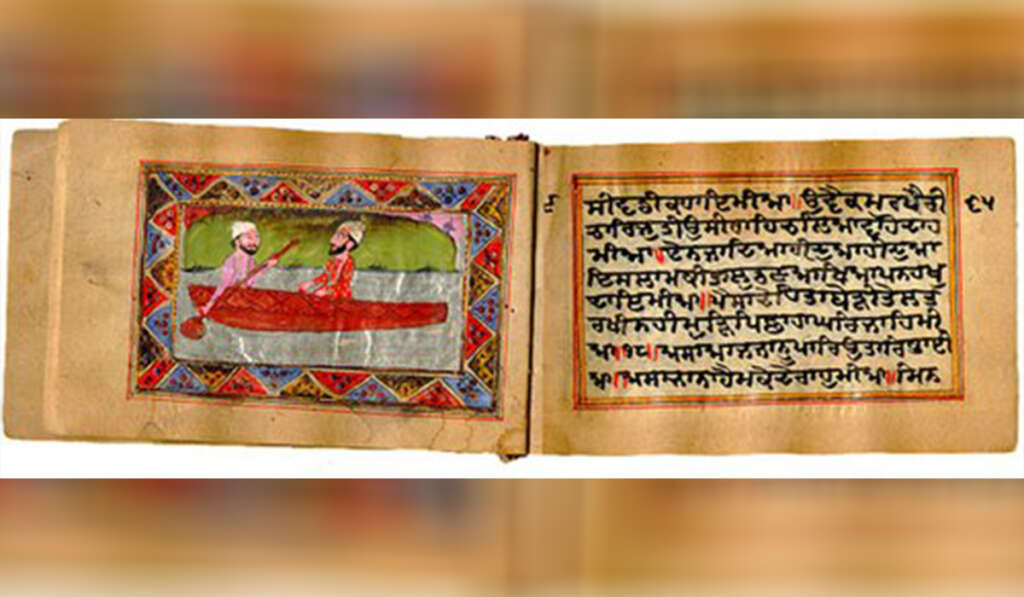
Waris Shah’s ‘Heer’ is not merely a story of two lovers, but a living, breathing portrait of 18th-century undivided Punjab. In this epic, the social, geographical, psychological, and cultural fabric of Punjab has been presented with such intensity that no other literary work has a parallel to it.
⚬ Detailed Glimpse of Social Life: Waris Shah beautifully wove Punjab’s customs, marriage rituals, dowry, food and drinks (such as choori, kheer, buffalo milk), attire, and long lists of jewelry into the Bait meter.
⚬ Political and Historical Portrayal: 18th-century Punjab was passing through severe anarchy due to the decline of the Mughals and the invasions of Ahmad Shah Abdali. Without any fear, Waris Shah launched sharp satires on the corruption and double standards of Qazis, rulers, and Chaudhris.|
⚬ Supremacy of the Bait Meter: Waris Shah chose the ‘Bait’ meter for his ‘Kissa’. The fluidity, figures of speech, apt choice of words, and musical rhythm of his Baits are unparalleled. Every single verse of his has become a folk idiom:
“Waris Shah na aadtan jandiyan ne, bhaven kattiye poriyan poriyan vo.” (Waris Shah, habits do not go away, even if you cut [the body] piece by piece.)
Creation of Vivid Characters
Waris Shah’s pen is unmatched in the art of character-building; every character of his feels alive, stepping right off the paper.
⚬ Dheedo Ranjha: He is a true seeker of love, who renounces the luxuries of Takht Hazara and does not hesitate to wander the dust of the riverbanks (Bela) and practice yogic asceticism.
⚬ Heer: A fearless, self-respecting, and outspoken young woman who fights for her rights and never bows down to family pressure or the coercion of the Qazi.
⚬ Kaido Langa: He has become such a symbol of social jealousy, conspiracy, and backbiting that examples of him are cited even today.
⚬ Dialogue between Sehti and Yogi (Ranjha): The verbal sparring between Sehti and the Yogi in this tale represents the absolute peak of the idiomatic style, quick wit, and dramatic banter of the Punjabi language.
People’s Love is the Greatest Honor
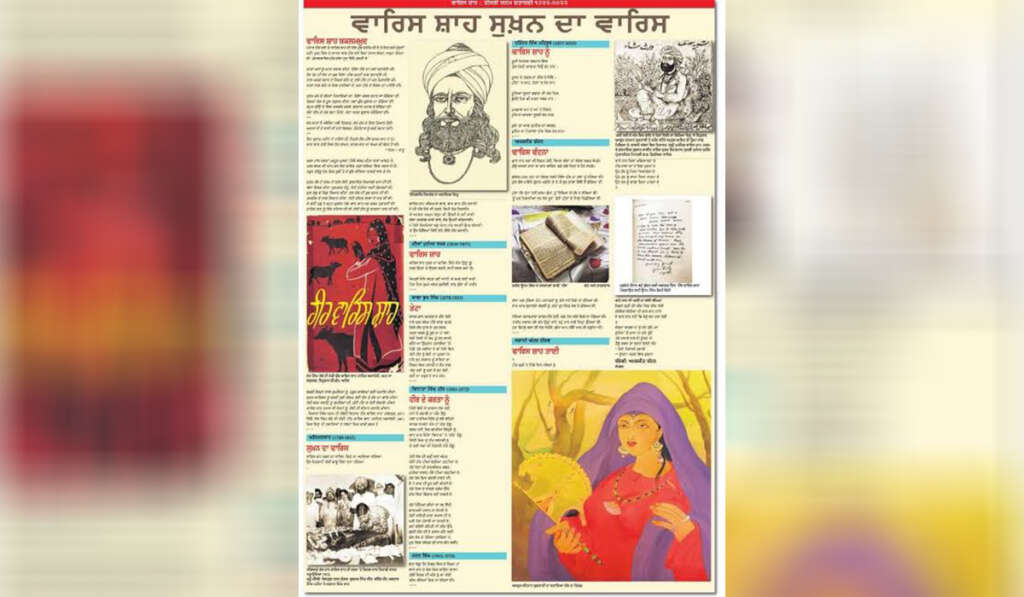
During Waris Shah’s time, there were no literary academies or awards like today. In that era, rewards were received only from the courts of kings and emperors. However, Waris Shah was a Sufi dervish of ascetic temperament who, instead of flattering rulers, raised his voice against the sorrows of the common people and the tyranny of the rulers.
Because of this, while he received no official awards during his lifetime, the people of Punjab enshrined him in their hearts, calling him the “Sukhwan da Shahshah” (King of Poetry). The impact of Waris Shah’s works has been so profound that centuries after his death, prominent writers from all over the world are presented with international literary awards named after him.
Literary Heritage and Legacy
Syed Waris Shah bid farewell to this world around 1798 AD. His tomb is located in Jandiala Sher Khan, where millions of people and literature lovers come every year to remember him.
This is the reason why when the partition of the country took place in 1947 and bloodshed occurred in Punjab, the famous poetess Amrita Pritam called upon Waris Shah to express the pain of Punjab:
“Aaj akhan Waris Shah nu kiton kabran vicho bol,
Te aaj kitabe-ishq da koi agla varka phol.”
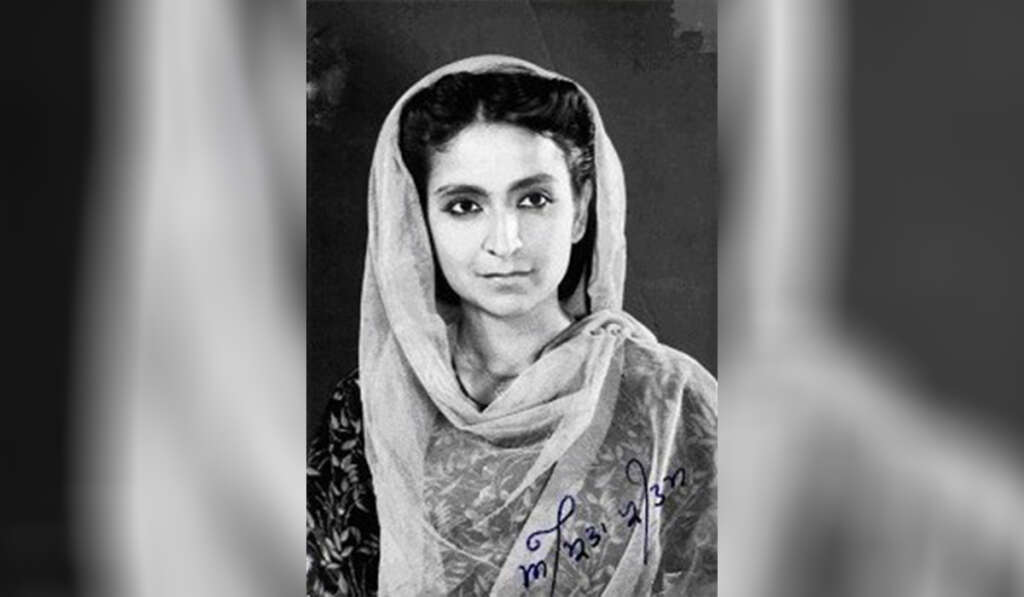
(Today I ask Waris Shah to speak from somewhere out of his grave, And today turn the next page of the book of love.)
Waris Shah’s pen bestowed such richness and glory upon the Punjabi language that his ‘Heer’ will remain the identity and soul of Punjabi culture until the end of time.

Leave a Comment