

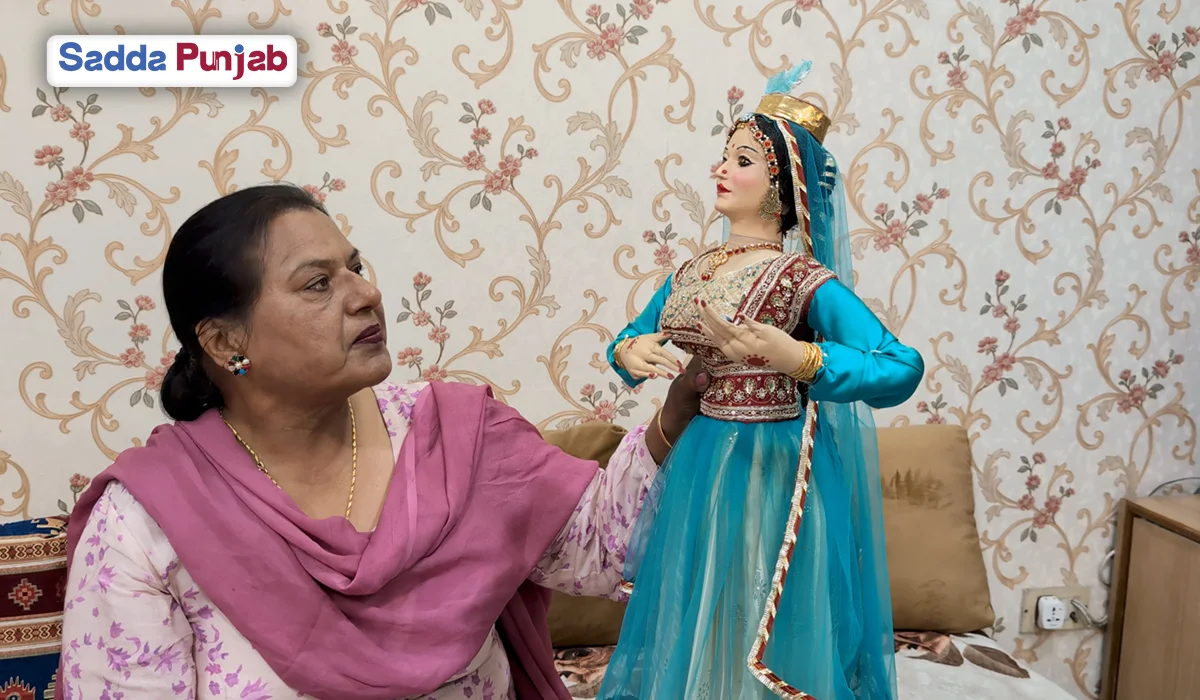

Punjab’s rich cultural heritage has long been a defining part of its identity. However, in the race toward modernization, many traditional art forms are gradually disappearing. One such cherished tradition is the making of “Gudiyan-Patole” (traditional cloth dolls), which once formed an important part of every Punjabi girl’s childhood. To preserve this valuable cultural legacy and introduce it to younger generations, Fine Arts professor Dr. Davinder Kaur and her husband Jasmer Singh Dhadd have launched a remarkable initiative.
A Childhood Hobby That Became a Lifelong Mission
Dr. Davinder Kaur has been skilled in making cloth dolls since childhood. Reflecting on her journey, she recalls that in the beginning she used to create simple dolls by tying knots in pieces of cloth. Over time, she learned to use needle and thread, gradually refining her craft.
While teaching at college, her students and fellow faculty members admired her creations and encouraged her to develop the art further. Their appreciation motivated her to transform a childhood hobby into a meaningful cultural mission.
Blending Tradition with Creativity
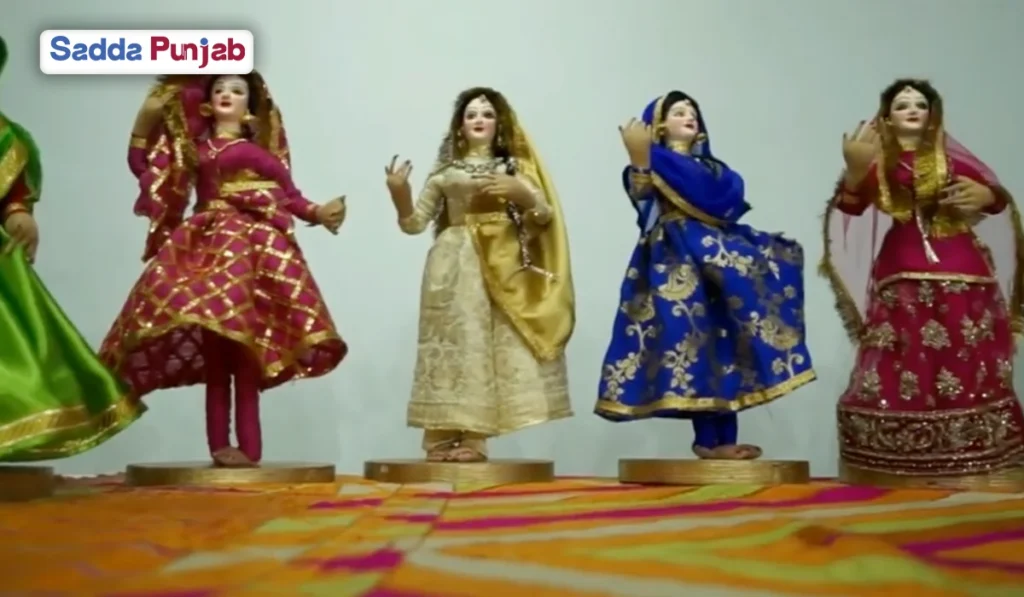
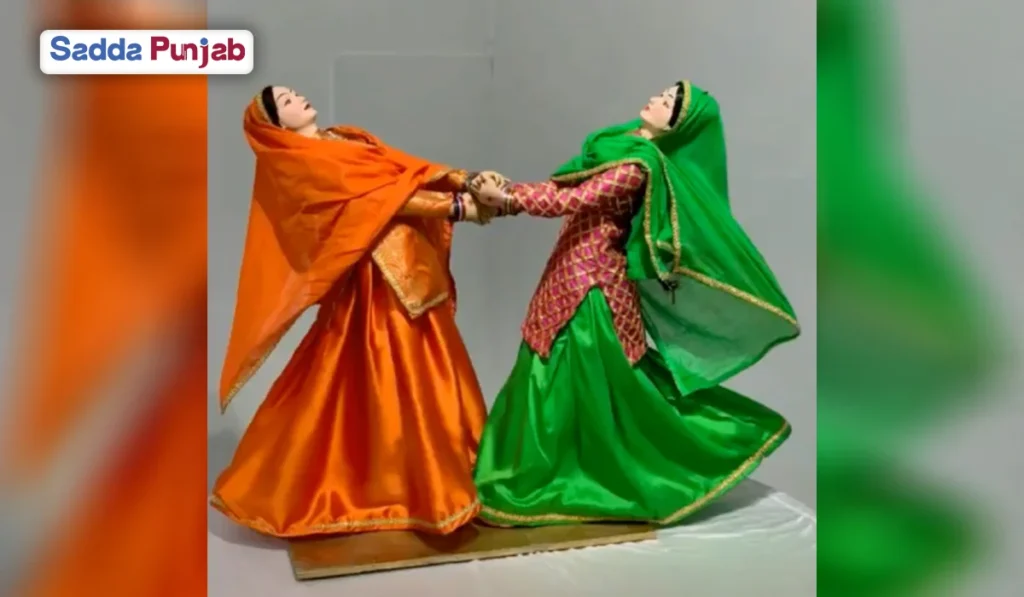
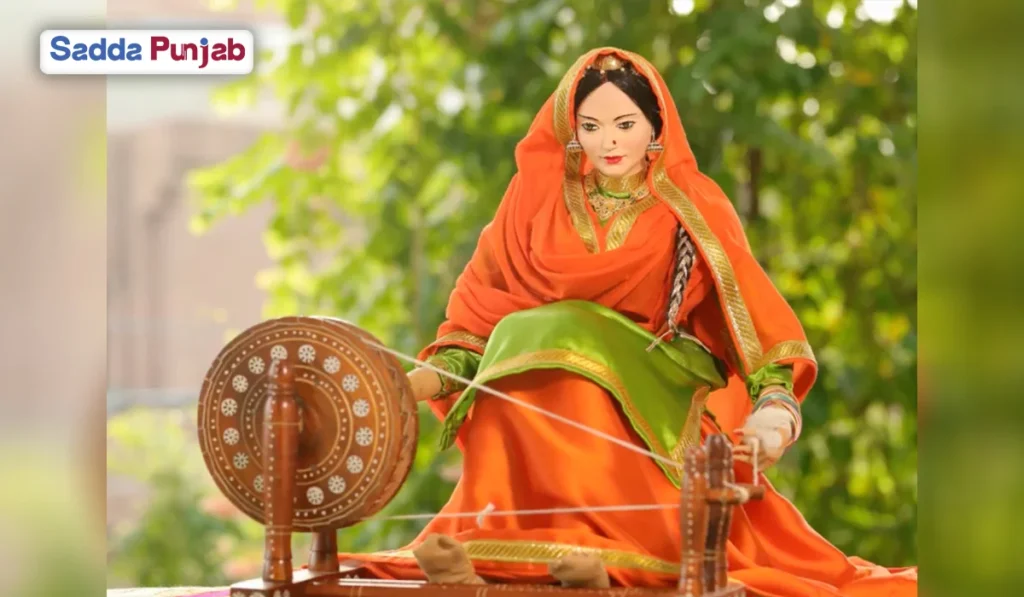
Over the years, Dr. Davinder introduced several innovations to make her dolls more realistic and expressive. She began using fine wires inside the arms to create fingers and natural hand movements. Instead of making faces entirely from cloth, she started sculpting them with fiber and hand-painting detailed facial features.
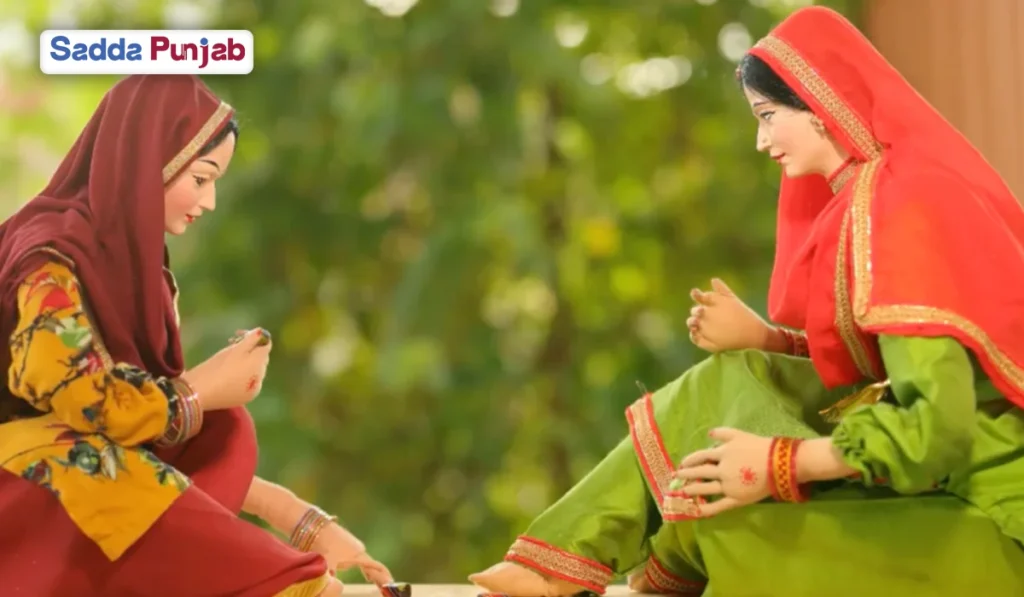
She explains that she creates these dolls not under any obligation but as a means of expressing her emotions and creativity. Her work beautifully reflects Punjab’s cultural heritage, portraying scenes such as:
* A Punjabi woman spinning yarn on a charkha.
* A village woman churning butter with a traditional wooden churner.
* Young women performing traditional Punjabi folk dances.
* Everyday scenes from rural Punjabi life.
Passing the Tradition to the Next Generation
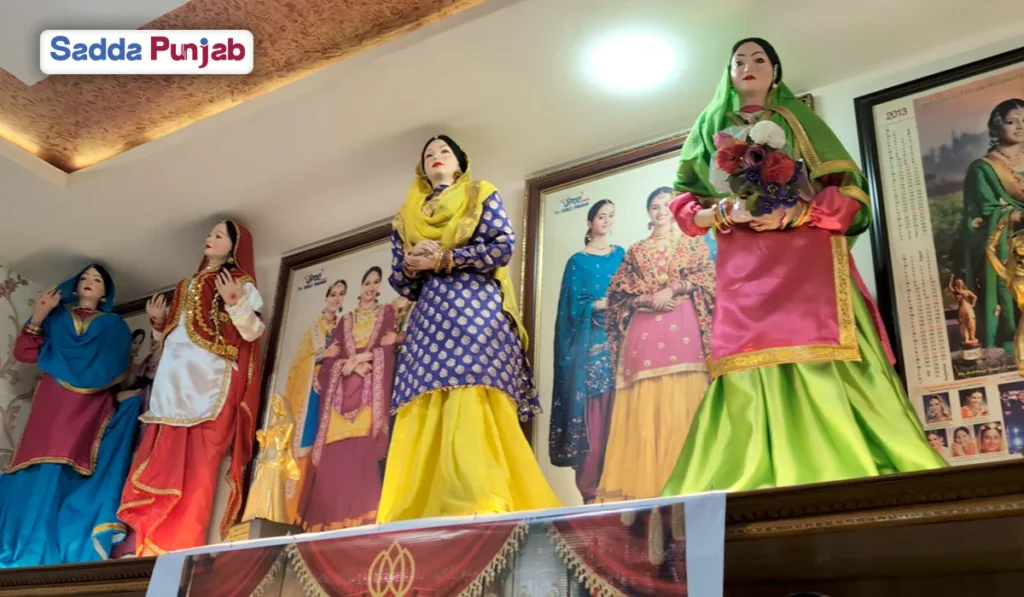
Today, Dr. Davinder Kaur is actively teaching this art form to children and young women. Participants learn every stage of doll-making, including:
* Taking accurate measurements for a 15-inch doll.
* Designing the face, hands, feet, and body structure.
* Stitching and assembling the doll.
* Dressing it in traditional Punjabi attire.
For dolls intended for younger children, only soft fabric strips and cotton threads are used, avoiding wires or hard stuffing materials to ensure safety and comfort.
Encouraging Creativity and Personal Growth
Dr. Davinder’s efforts are strongly supported by her husband, Jasmer Singh Dhadd, who has spent many years promoting Punjabi heritage both in India and abroad through his cultural organization.
According to Jasmer Singh, many young girls today spend large portions of their free time on mobile phones and social media platforms. While technology has its place, he believes it often leaves little room for creativity.
Making dolls by hand encourages children to:
* Develop artistic skills.
* Improve hand-eye coordination.
* Strengthen concentration and patience.
* Express imagination and creativity.
* Gain a deeper appreciation of cultural traditions.
He also feels that such activities help young people connect with everyday life skills and traditional values that are increasingly being forgotten.
Reviving a Disappearing Art Form
To breathe new life into this fading tradition, the couple has been organizing special competitions and workshops over the last two to three years.
This year, they invited girls between the ages of 15 and 35 to participate free of cost. Participants were asked to create a 12-to-15-inch traditional doll at home and submit a video documenting the creation process.
The response exceeded expectations. After receiving entries from numerous participants, a panel of experts evaluated the dolls and selected the best creations. The top three participants were awarded cash prizes and honoured for their efforts.
Preserving Heritage for Future Generations
The initiative goes far beyond a simple craft competition. It represents an effort to preserve a valuable piece of Punjab’s cultural memory and ensure that future generations remain connected to their roots.
At a time when many traditional arts are disappearing, the work of Dr. Davinder Kaur and Jasmer Singh Dhadd demonstrates how individual passion and community participation can help revive forgotten traditions. Their efforts are not only preserving an art form but also inspiring young people to value creativity, culture, and heritage in an increasingly digital world.
Leave a Comment