
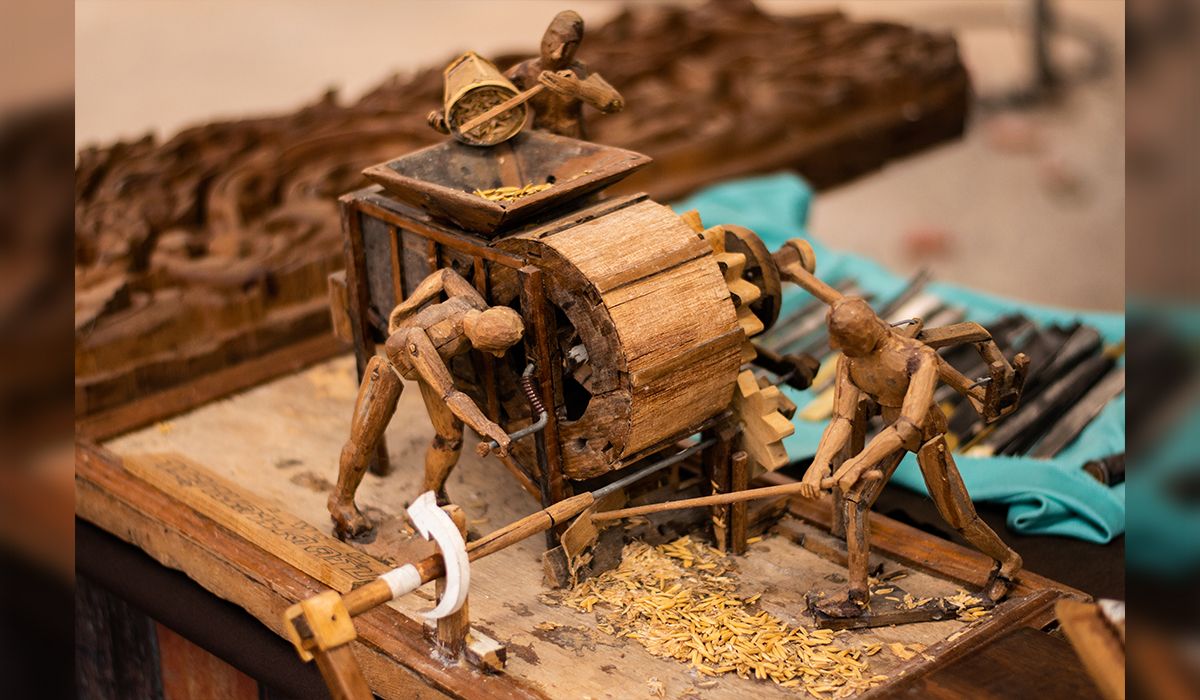

In the narrow streets and low-ceilinged workshops of Punjab, a small number of master craftsmen continue to practise two demanding, centuries-old skills. One is the delicate art of wood carving used to decorate furniture and decorative objects, and the other is the heavy, rhythmic iron and brass work carried out by traditional metalworkers.
Although different towns are associated with these crafts—Hoshiarpur and Saharanpur being known for wood carving, and Jandiala Guru for brass and copper vessels—both Patiala and Amritsar function as important local centres where these traditions survive, evolve, and reach wider markets.
History of Inlay Art
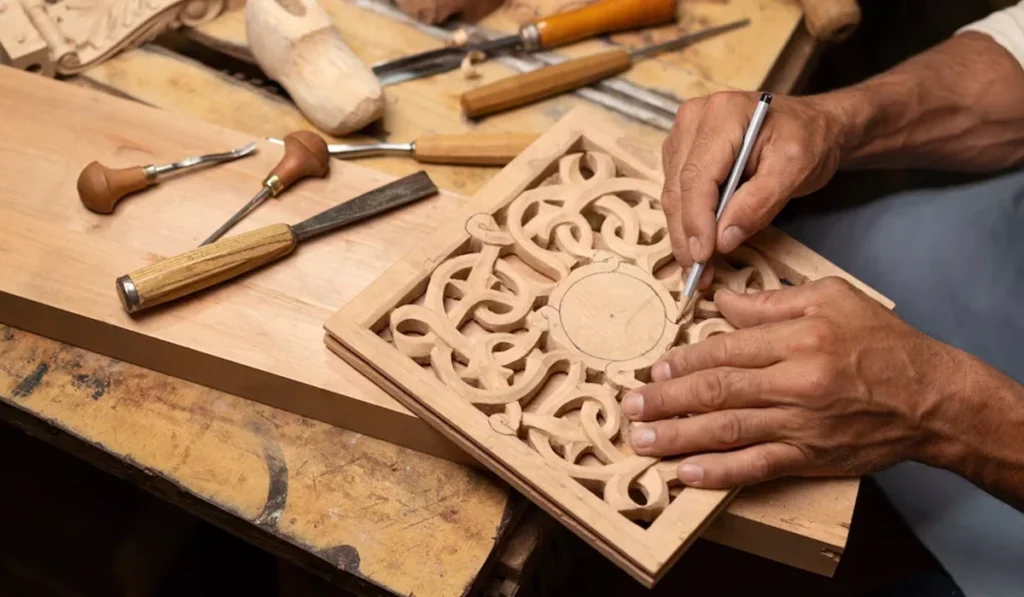
Inlay art in Punjab forms part of a broader South Asian tradition that adapted Persian and Mughal pietra-dura techniques to wooden surfaces. Craftsmen carve floral, geometric, and foliate patterns into wood and then fill these grooves with contrasting materials such as bone, shell, brass, or, in more recent times, acrylic. The result is a shiny and intricate surface that reflects both skill and patience.
This art form flourished during the colonial period, when inlaid objects made from rosewood and ivory or bone were exported and valued as luxury items in elite homes. Even today, similar objects—bowls, boxes, chessboards, small tables, and decorative panels—are produced using traditional tools such as small chisels and hammers, relying largely on handwork rather than machines.
Amritsar’s Metalwork: The Tradition of Iron and Brass
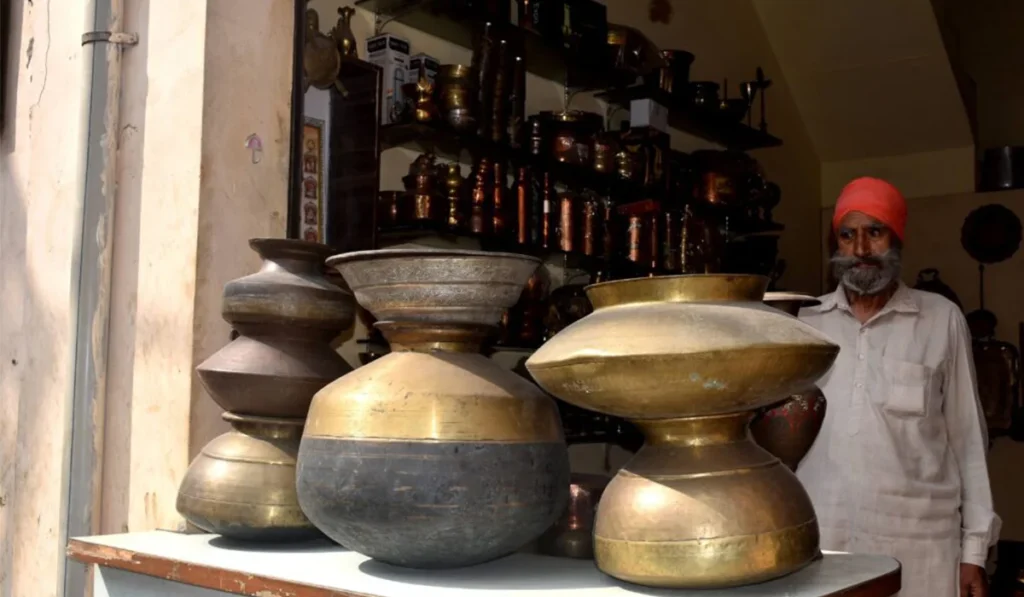
Ironwork and brass or copper smithing have equally deep roots in Amritsar and its surrounding areas. Blacksmiths and Thatheras traditionally produced tools, knives, religious and household vessels, and decorative metal objects. These skills were valued not only in villages but also in royal courts.
The Thatheras of Jandiala Guru became especially renowned for shaping and hammering brass and copper vessels. Their craftsmanship was recognised internationally when it was included in UNESCO’s Representative List of the Intangible Cultural Heritage of Humanity in 2014. This recognition highlights both the cultural significance of the craft and the challenges it faces in the modern era.
Artisan Centres and Their Markets
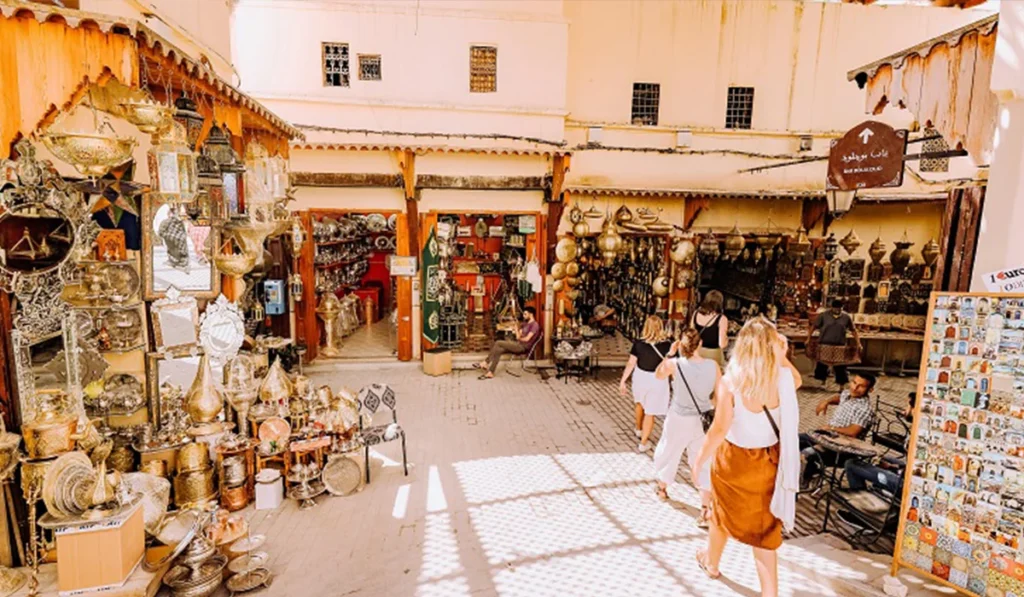
Patiala’s markets and periodic craft fairs attract woodworkers and inlay artisans from surrounding districts. While Hoshiarpur remains historically recognised as the main centre of Punjab’s wood inlay tradition, artisans supplying Patiala’s shops and tourist markets continue to produce carved and inlaid items, sometimes modifying materials and patterns to suit contemporary preferences.
In Amritsar district, Jandiala Guru remains a traditional centre for brass and copper vessels made by the Thatheras. At the same time, metalworkers across Amritsar produce decorative ironwork such as gates, grills, temple panels, and objects of daily use. The district has also been known for handmade chess sets and other metal or wooden novelty items, which were once supplied to national and international markets.
Challenges: Why Is Survival Difficult?
Both crafts face similar pressures.
Market decline and competition: Export orders and large retail contracts once sustained many small workshops. Over time, reduced demand, competition from machine-made products, and rising production costs have significantly affected incomes. Handmade chess sets and wooden novelty items from Amritsar, in particular, have seen a noticeable decline in recent years.
Materials and regulations: The ban on ivory in the 1980s and 1990s forced artisans to replace traditional materials with acrylic, bone substitutes, or brass wire. While these alternatives are workable, they are sometimes perceived as less valuable by collectors. For metalworkers, regular access to brass or copper scrap and affordable fuel or energy continues to be a persistent challenge.
Skill transfer and youth migration: Younger generations often migrate in search of stable factory or service-sector employment. This reduces interest in long apprenticeships that offer low initial earnings and require years of training.
How Are Artisans Adapting and Surviving?
Artisans have responded to these challenges in various ways.
Product diversification: Many workshops now focus on smaller, lower-priced items such as trinket boxes, coasters, and decorative panels that appeal to tourists and online buyers.
Exhibitions and government platforms: State pavilions, national crafts fairs, and events such as the India International Trade Fair provide artisans with direct access to customers and greater visibility.
Collaboration with designers: Partnerships with younger designers have led to contemporary furniture and home décor items that combine traditional techniques with modern aesthetics and higher retail value.
Local revival initiatives: Following UNESCO recognition, projects aimed at reviving the brass and copper work of Jandiala Guru have focused on training, marketing, and heritage tourism. These efforts demonstrate the impact that coordinated support can have at the local level.
Why Are These Arts Still Important Today?
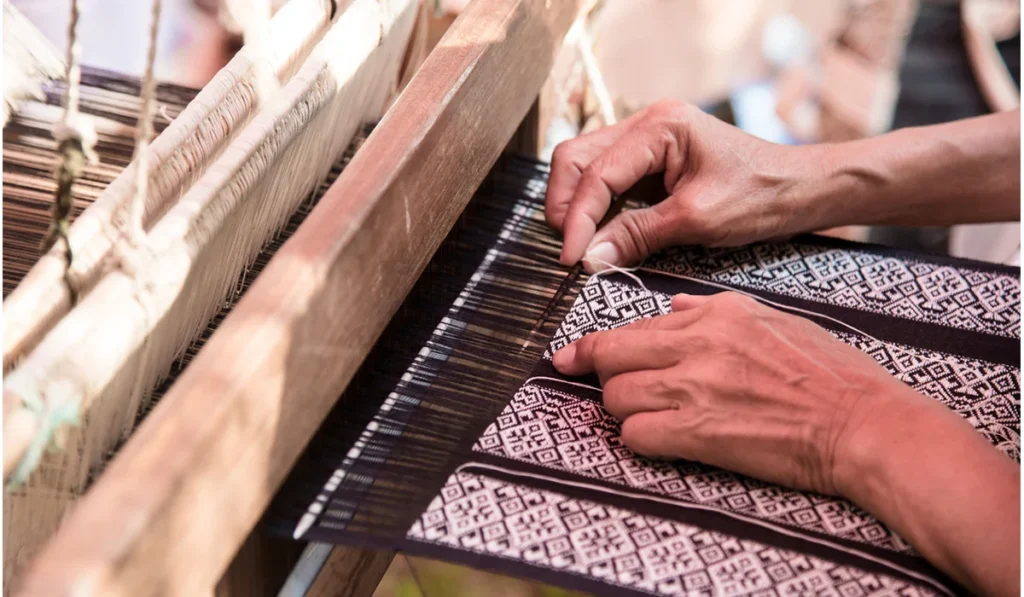
These crafts are more than commercial products. They embody techniques, patterns, language, and collective memory passed down through generations. Objects such as a chess set, a brass vessel, or an inlaid box carry with them a history of hands, tools, and regional design traditions.
Sustaining these arts also helps preserve cultural diversity, provides livelihoods in small towns, and offers designers and consumers ethical, handmade alternatives to mass-produced goods.
How to Support Local Artisans
Support can take many forms. Buyers can purchase directly from artisans at craft fairs, workshops, and state pavilions, or through verified online platforms. Institutions and individuals can support initiatives that provide training, funding, and access to raw materials. Designers and retailers can explore long-term collaborations that ensure stable markets and fair pricing.

Leave a Comment