
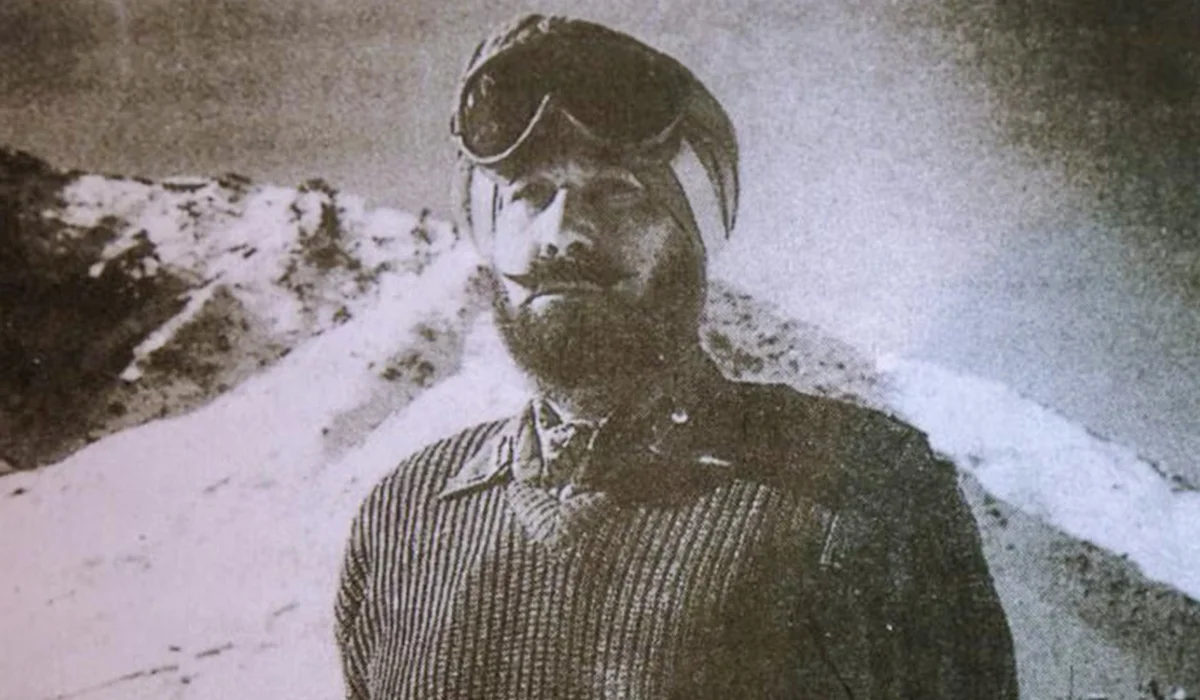

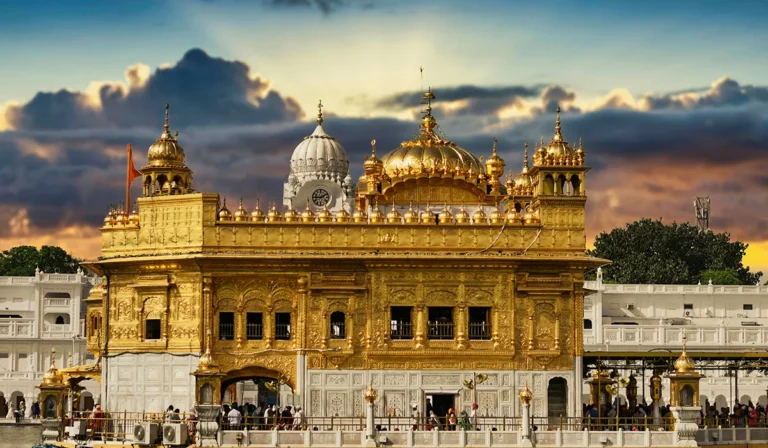
The Central Sikh Museum at Harmandir Sahib, Amritsar, houses portraits of India’s distinguished war heroes of the Indian Army who risked their lives to defend the nation. Among them is Lieutenant General Harbaksh Singh, whose wisdom and courage played a crucial role in protecting Punjab, especially the city of Amritsar, during the 1965 India–Pakistan war.
Early Life and Military Career
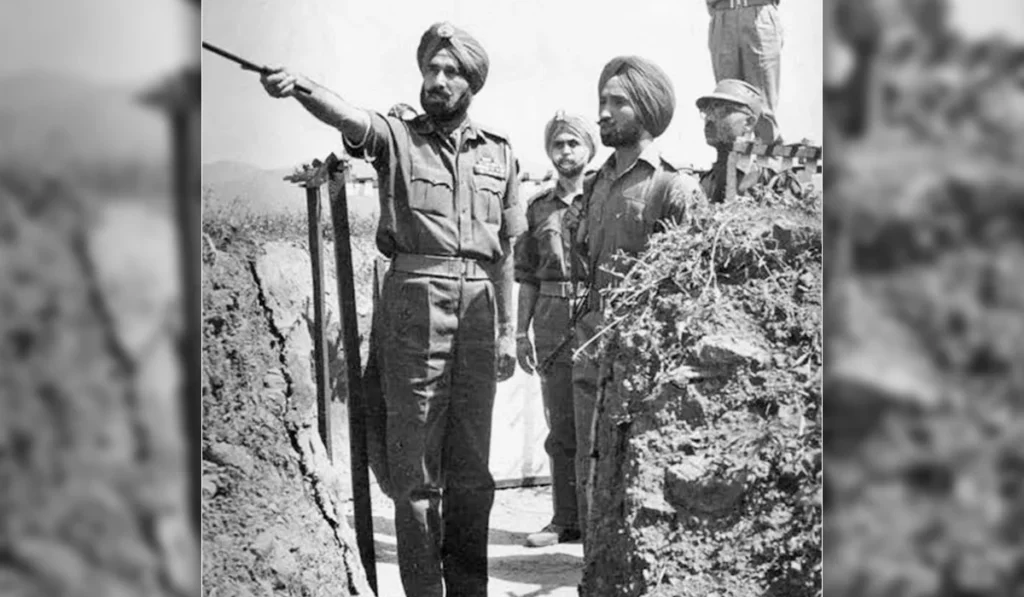
Lieutenant General Harbaksh Singh was born in 1913 in Sangrur (Punjab). He was commissioned into the Indian Army in 1935 and rose through the ranks to become the General Officer Commanding-in-Chief (GOC-in-C) of Western Command.
During the 1965 war, he was in charge of the entire western front, one of the most critical theatres of the conflict.
A Defiant “No” and the Defence of Amritsar
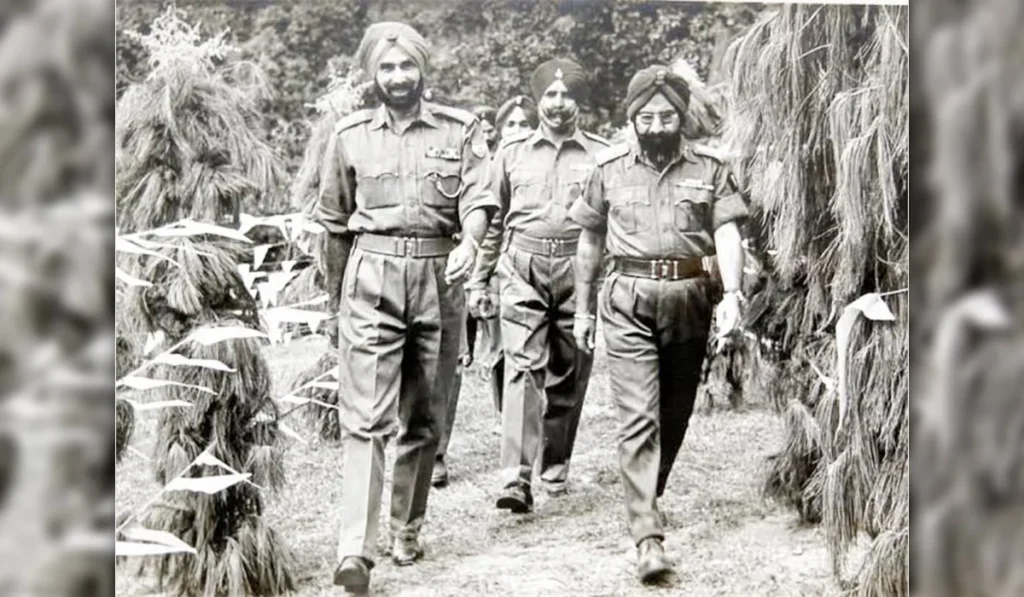
During the 1965 war, Pakistan launched sudden attacks in the Amritsar and Dera Baba Nanak sectors. The situation became so critical that the military leadership in Delhi, alarmed by the scale of the attack, chose to hold forward positions instead of pulling back.
Had this order been followed, Amritsar and the sacred Harmandir Sahib could have been exposed to enemy control.
However, Lt Gen Harbaksh Singh refused to comply with the withdrawal order and decided to hold ground at the front, a decision that proved decisive in preventing Pakistani advances.
Operation Gibraltar and the Background of the War
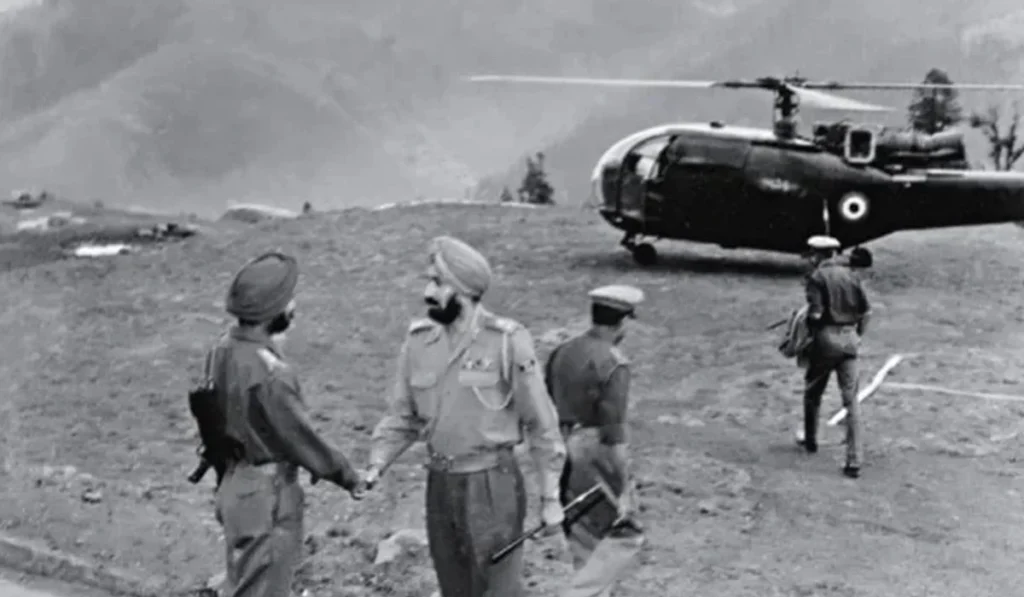
The roots of the war can be traced to the period after Pakistan’s internal political developments and the aftermath of the 1962 India–China war.
Under President General Ayub Khan, and influenced by leaders such as Zulfikar Ali Bhutto, Pakistan launched Operation Gibraltar, which involved infiltrating soldiers into Kashmir to incite an armed uprising and disrupt India’s supply lines.
The Battle of Asal Uttar: The Graveyard of Tanks
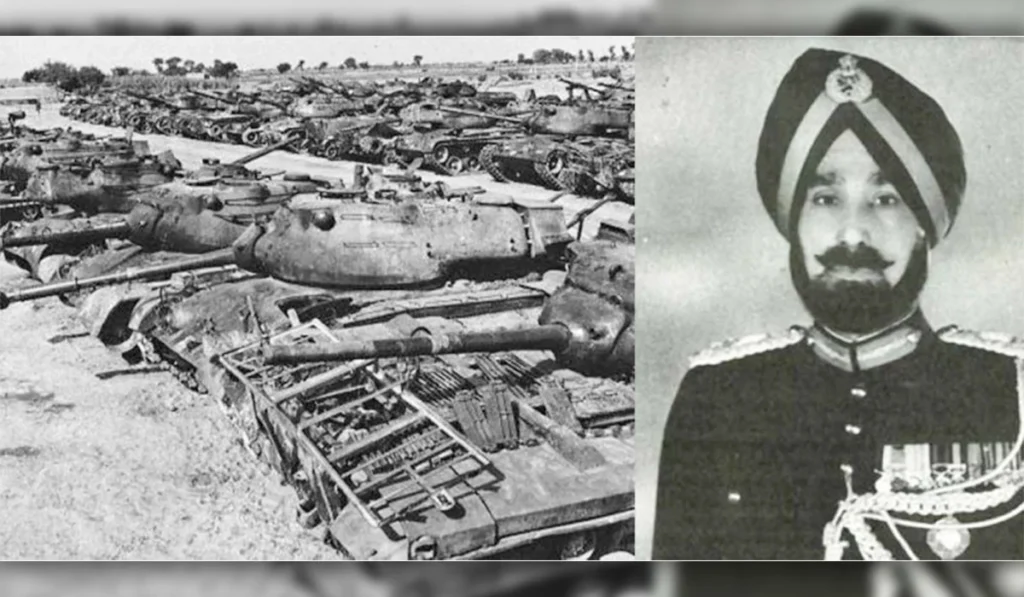
The Battle of Khem Karan (Asal Uttar) became a turning point in the war.
On the night of 5 September 1965, Pakistani forces advanced into Indian territory with their modern American-made Patton tanks.
In response, Indian commanders, including Maj Gen Gurbaksh Singh and Brigadier Thomas Theogaraj, adapted their strategy. They positioned troops in a horseshoe defensive formation around the village of Asal Uttar.
Indian forces flooded the surrounding sugarcane fields, turning them into marshland. Pakistani tanks became stuck in the muddy terrain, making them easy targets for Indian soldiers.
Losses and Honours
In this battle:
• Pakistan lost approximately 97 tanks, including around 72 Patton tanks
• About 28 Patton tanks were captured intact
• India lost around 30–32 tanks (including PT-76, AMX-13, Centurion, and Sherman tanks)
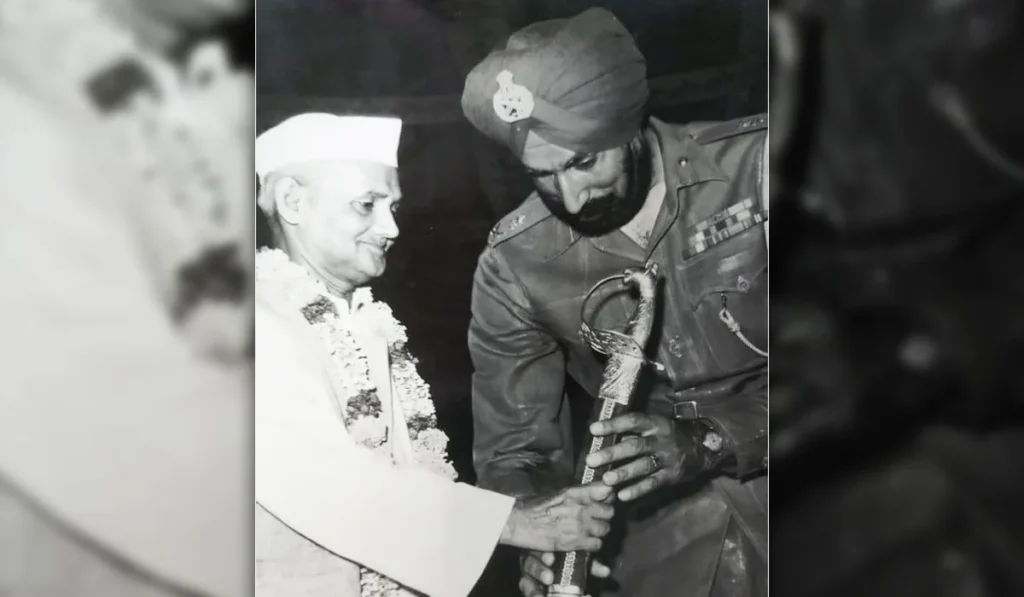
For his exceptional bravery, Company Quartermaster Havildar Abdul Hamid was awarded the Param Vir Chakra.
Lieutenant General Harbaksh Singh was honoured with the Padma Vibhushan in 1966, India’s second-highest civilian award, for his distinguished service.
He passed away on 14 November 1999, but his courage and leadership continue to live on in the hearts of Indians.

Leave a Comment