
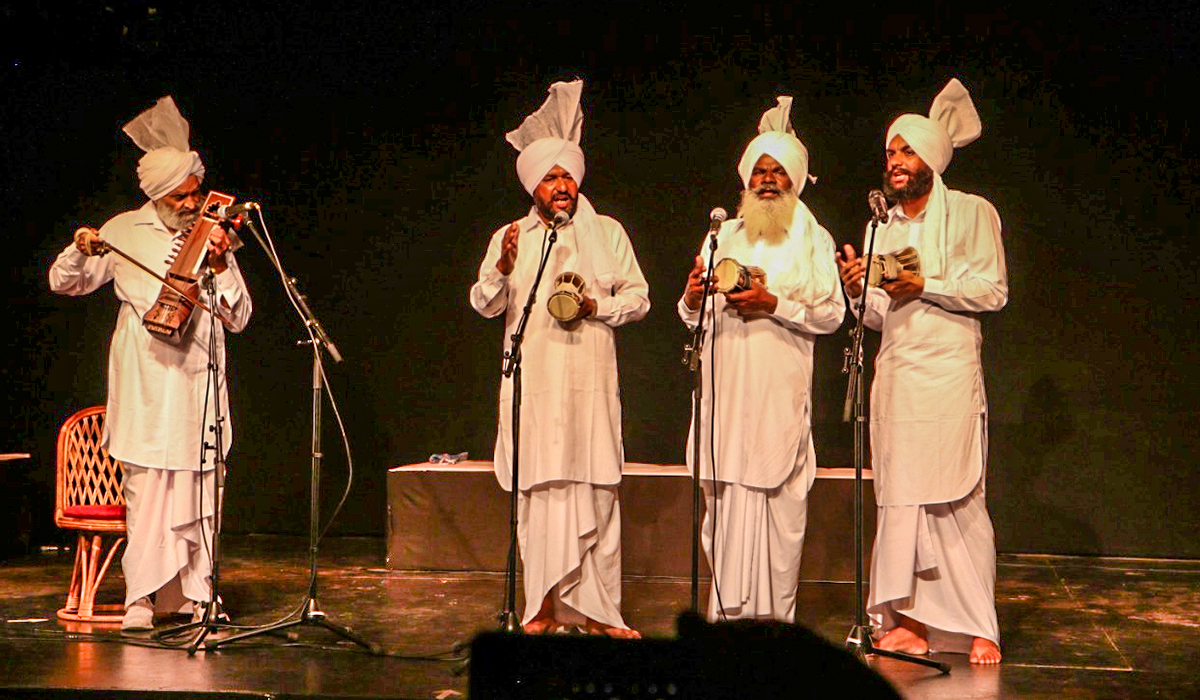

In Punjab, history does not sit quietly inside books. It moves from village to village, it is carried in voices that refuse to be forgotten. Long before archives existed, Punjab’s storytellers, especially the “Dhadi Singers”, became the guardians of memory. Their songs, called “Varan” and “Vaar”, transformed battles into folk songs and made heroes living companions for every generation.
Today, as Punjab modernizes at a rapid pace and with digital pressure, these great singers continue to safeguard a very old heritage that might have faded into silence under commercial pressures and the race for innovation. At the same time, they keep our collective memory alive.
Living Archives of Punjab
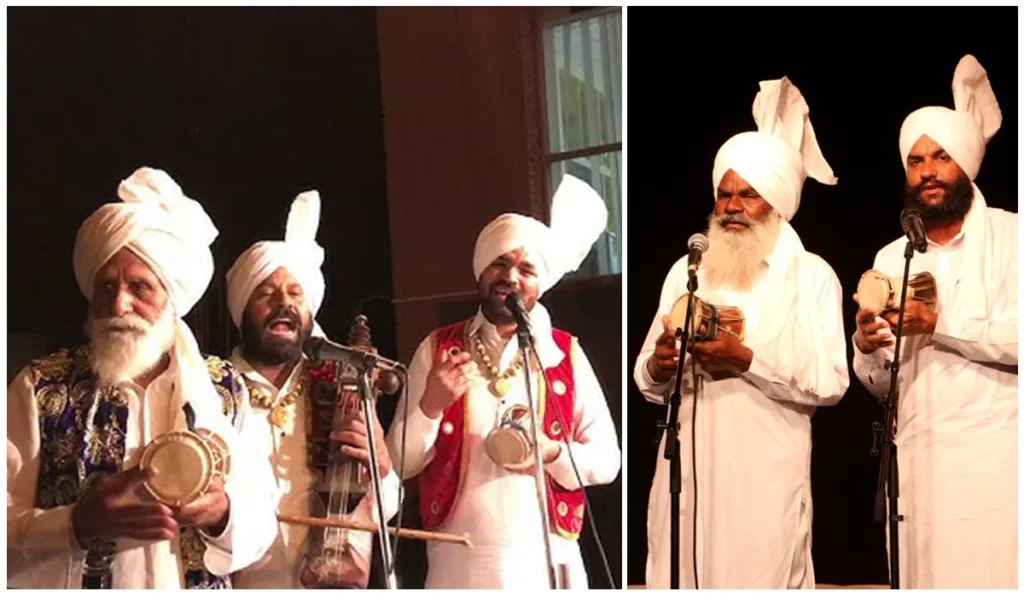
In a typical village gathering, before the harmonium or loudspeakers play tunes, you often hear the fast beat of the dhad, followed by the sound of the sarangi. A dhadi jatha is usually consists of a small group of singers. Their voices rise not only to entertain, but also to remind people of who they are and what stories have shaped the land beneath their feet.
These singers narrate such stories as: the sacrifices of Guru Tegh Bahadur Ji, the bravery of Guru Gobind Singh Ji and the Sahibzades, encounters like Chamkaur and Muktsar, battles fought by forgotten village heroes and timeless folk tales like the Mirza–Sahiban or Heer–Ranjha. In this way, they weave history and culture into a single garland.
At the same time, their narrative is half-sung and half-spoken. It evokes pride, emotion, and sometimes unsettling truths. In a world that is rapidly forgetting, the dhadis emphasize the need to remember slowly. Moreover, this task has become very necessary in today’s times.
Where did the tradition begin?
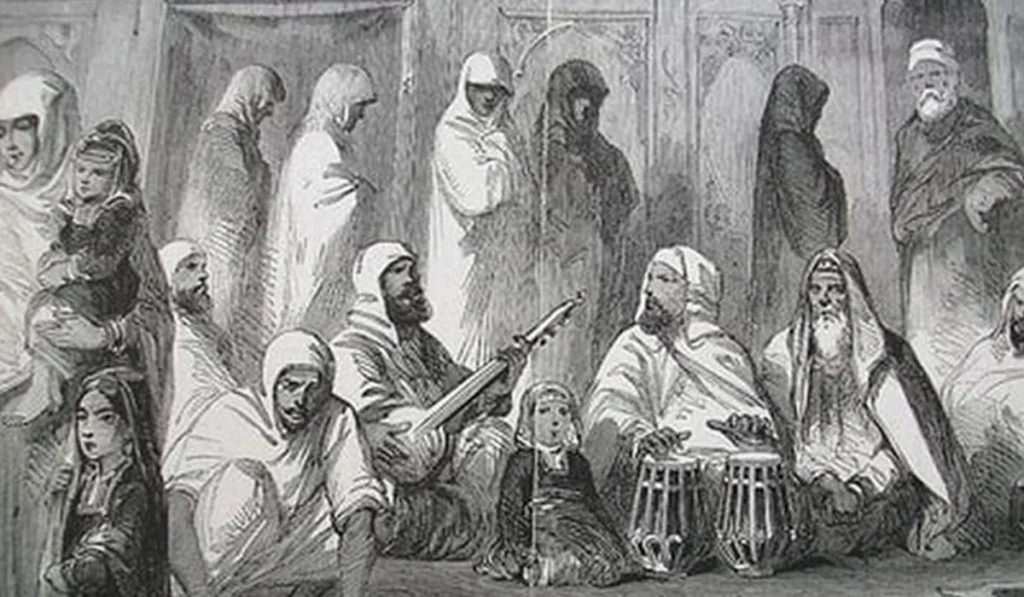
The roots of the dhadi tradition go back to the era of the Sikh Gurus, especially the sixth Guru, Guru Hargobind Sahib Ji, who encouraged brave warriors who inspired the community to stand strong in the face of oppression. Over the centuries, history, devotion, and folklore have been intertwined in this form in a priceless way.
These wandering Bhats became the chief chroniclers of the triumphs and tragedies of Punjab, often the only historians accessible to the general public. They preserved the Punjabi soul through their art. Notably, many of these stories would never have reached the present generation without them. Therefore, these cultural custodians deserve great respect.
The Faces Behind the Tradition
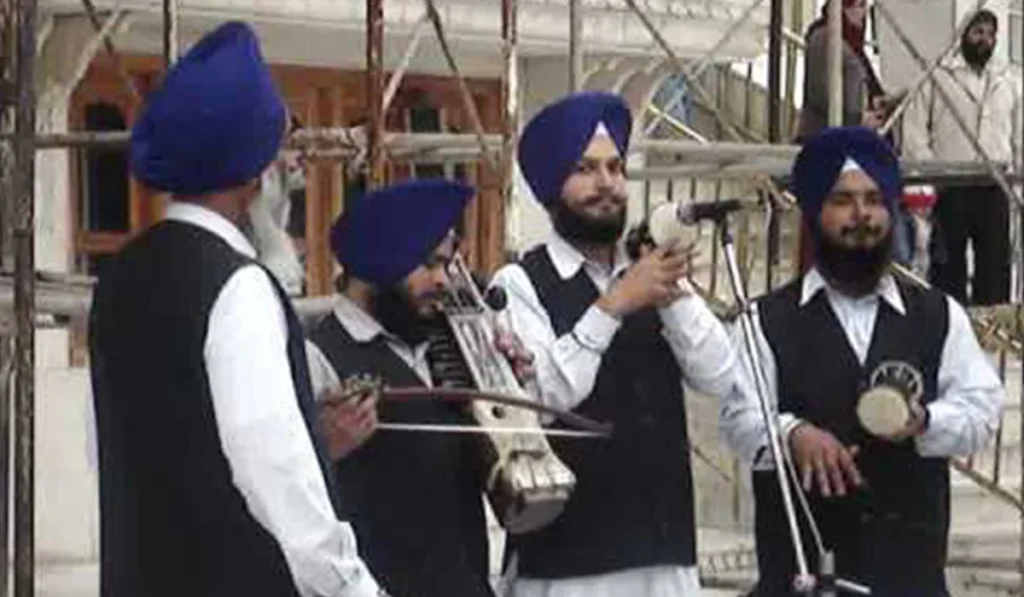
Although the form is centuries old, its present-day custodians come from both rural and urban Punjab. Groups like the Didar Singh Sangatpura Dhadi Jatha travel across districts for commemorative ceremonies and educational programs. Singers of the Dilbar lineage, including artists like Kuljit Singh Dilbar, continue to draw large audiences at gurdwaras and fairs.
But beyond these famous names are hundreds of lesser-known dhadis—elderly men, small family groups and young apprentices—who perform in village squares, on tractor-trolleys during religious processions and at diaspora events abroad. Their commitment, not fame, keeps the tradition alive.
Why do their songs still matter?
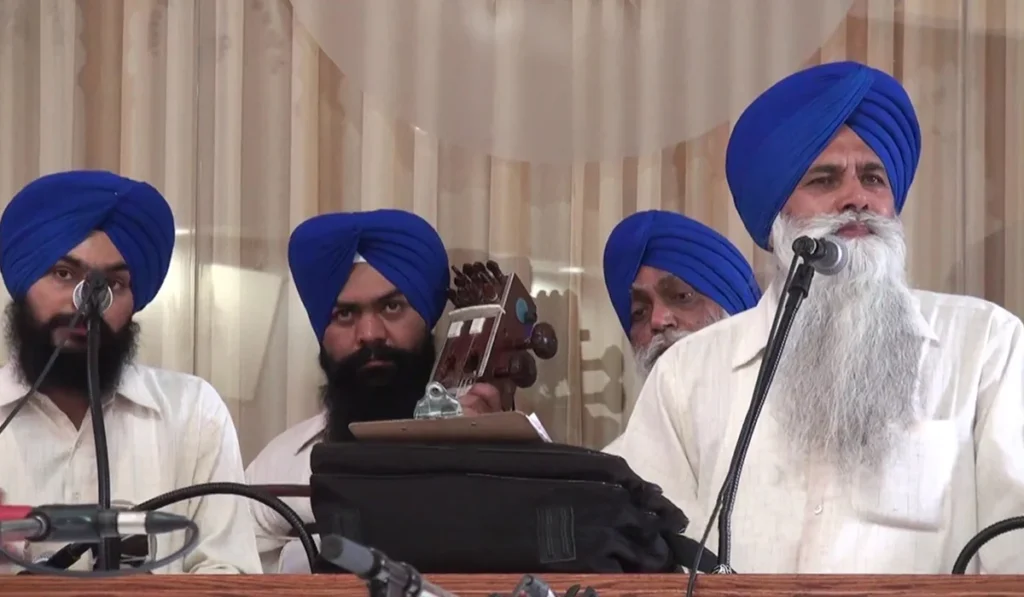
In this age of short videos and digital distraction, it may seem surprising that these centuries-old songs still resonate with audiences today. But these priceless art forms endure because they serve a deep cultural and historical purpose, one that the human soul will always need.
A source of history for rural generations
Many rural families today still learn about Sikh battles, folk tales or local heroes through these songs, rather than textbooks.
Communicating bravery, sacrifice and resilience
Dhadis promote the ever-living values of bravery, sacrifice and resilience with every inspiring performance.
Preservation of forgotten narratives
Stories that never made it into official archives have survived through oral tradition, sometimes being the only record of a place, person or moment.
A tradition under pressure
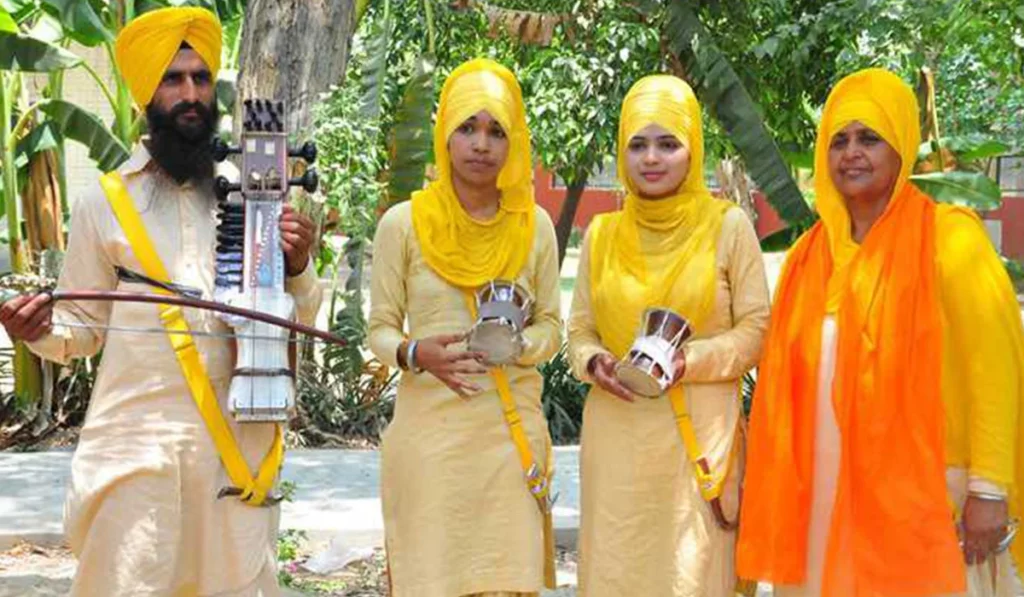
Despite its importance, this invaluable dhadi tradition is facing serious challenges such as declining patronage, lack of institutional support, intense competition from commercial Punjabi music and the aging of master singers without enough young disciples to inherit the art.
At the same time, some cultural institutions are trying revival programmes such as workshops, competitions and heritage festivals, but these efforts are insufficient to provide the support needed on a large scale. The need is immense. Under this sad state of affairs, every year, more voices are silenced.
Potential and necessity: Two aspects of revival
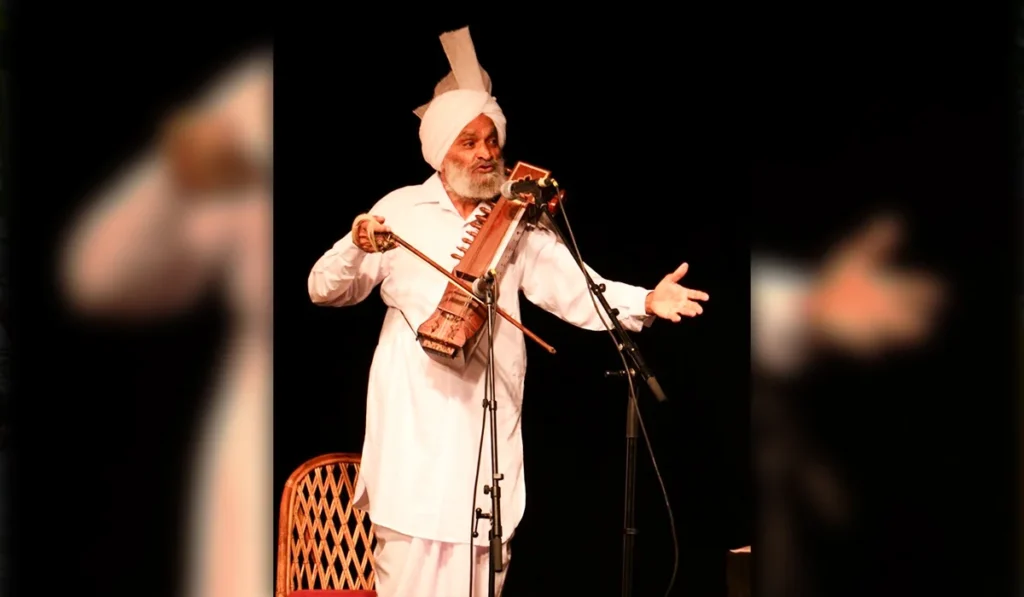
Preserving dhadi and folk-song traditions is not just about old memories. It is about preserving the memory of a people. Audio-visual documentation, training camps for young artists and dedicated performance venues can help ensure that these songs do not disappear.
It is worth mentioning that its preservation is very important, because once an oral tradition dies, the invaluable stories, cultural knowledge and historical narratives it carries with it often die with it forever, creating a void.
The folk singers of Punjab, with their simple instruments and powerful voices, have served as the conscience of the land for centuries. In addition, they have sung during invasions, freedom struggles, partition and modern diaspora life. At the same time, keeping them alive is not a cultural luxury, it is a historical responsibility.

Leave a Comment